Economics

The Marginal Propensity to Hire

| Source: Review of Economic Studies

Abstract When financial constraints bind, firms adjust employment in response to cash flow shocks. A 2010 revaluation of business rates, a UK tax levied on business-occupied properties, implied that similar firms, occupying similar properties in narrow geographical locations, experienced different tax changes. I find that, on average, for every £1 of additional cash flow triggered by the tax change, 39 pence were spent on employment, with small and leveraged firms responding the most. I use thes

Abstract When financial constraints bind, firms adjust employment in response to cash flow shocks. A 2010 revaluation of business rates, a UK tax levied on business-occupied properties, implied that similar firms, occupying similar properties in narrow geographical locations, experienced different tax changes. I find that, on average, for every £1 of additional cash flow triggered by the tax change, 39 pence were spent on employment, with small and leveraged firms responding the most. I use these findings to discipline a general equilibrium model with firm heterogeneity and financial frictions and quantitatively determine the aggregate effects of a fiscal transfer to firms.
Read the original source →

Related Stories

Economics

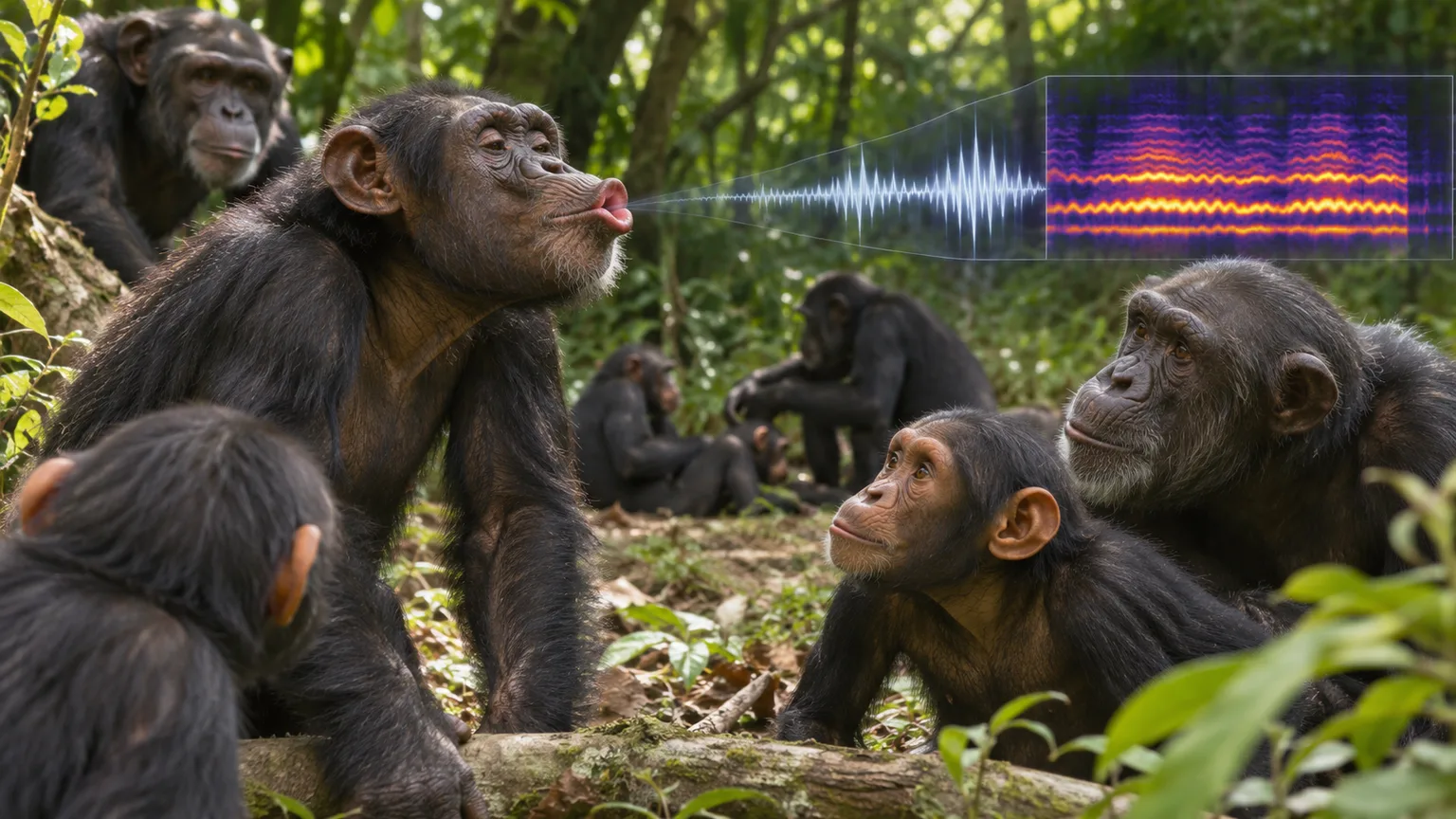
A signal convention in natural chimpanzee communication.

Human language relies on conventional signals that are arbitrary, stable, and socially transmitted. Whether other animals exhibit meaning-based communicative conventions is virtually unknown. Using a quasi-experimental design, we investigated this in chimpanzee unvoiced calls (UCs), such as acoustic raspberries, known to show usage variation. We collected audio and contextual data in 91 chimpanzees (0 to 55 y), across eight wild and captive groups that differed in the presence or absence of adul

Continue reading
Economics

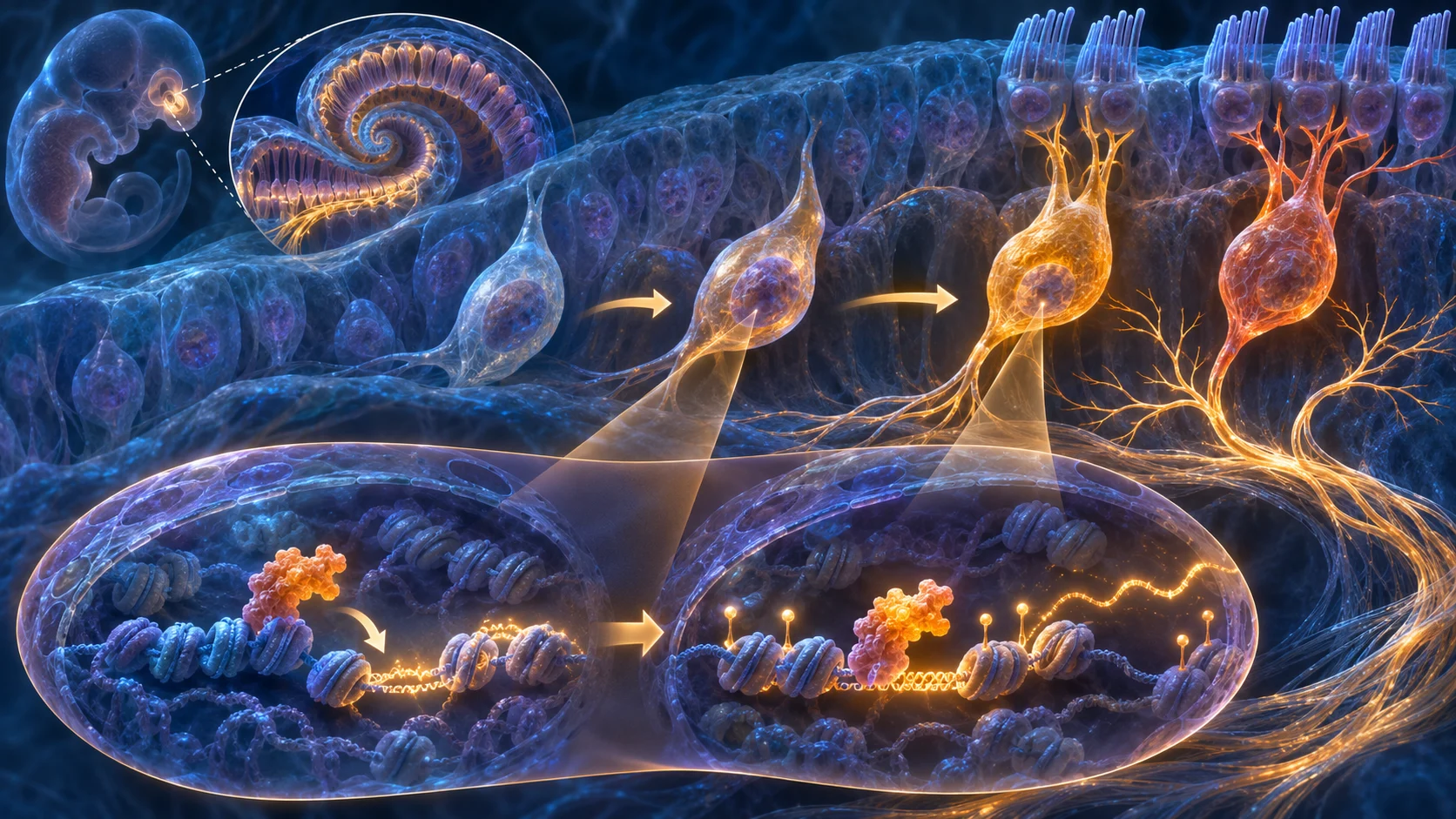
Two-phase NEUROD1 pioneer activity synchronizes sensory neuronal differentiation and subtype specification.

Temporal control of neuronal differentiation is essential for establishing stable neuronal identities, yet the transcriptional and epigenetic mechanisms underlying this process remain poorly understood. Using auditory neurons as an in vivo model, we investigate the role of the proneural factor NEUROD1 in regulating neuronal differentiation timing and subtype specification. To bypass early neuronal loss in germline Neurod1 deletion mutants, we generated a delayed, self-terminating conditional kno

Continue reading
Economics

Calcium catalysed nucleophilic fluorination.

New catalytic manifolds that challenge existing boundaries for synthesis and sustainable manufacturing are notoriously difficult to implement 1 , particularly for catalytic paradigms based on metals which lack access to the fundamental processes that underpin many established d-block mechanistic pathways (e.g. oxidative addition and reductive elimination). The widespread exploitation of systems based on main-group elements therefore requires alternative elementary steps to effect turnover. Herei

Continue reading
Economics

Metasurface waveguides for all-day augmented reality glasses.

Augmented reality (AR) displays, originating from early optical see-through head-mounted systems 1 , have evolved towards lightweight glasses that seamlessly integrate digital information with the physical world 2,3 . However, their widespread adoption requires compact optical systems that enable bright, wide-field and comfortable viewing. Diffractive waveguides (WGs) offer a promising approach towards lightweight AR displays yet face inherent trade-offs among field of view (FoV), optical effici

Continue reading
Economics

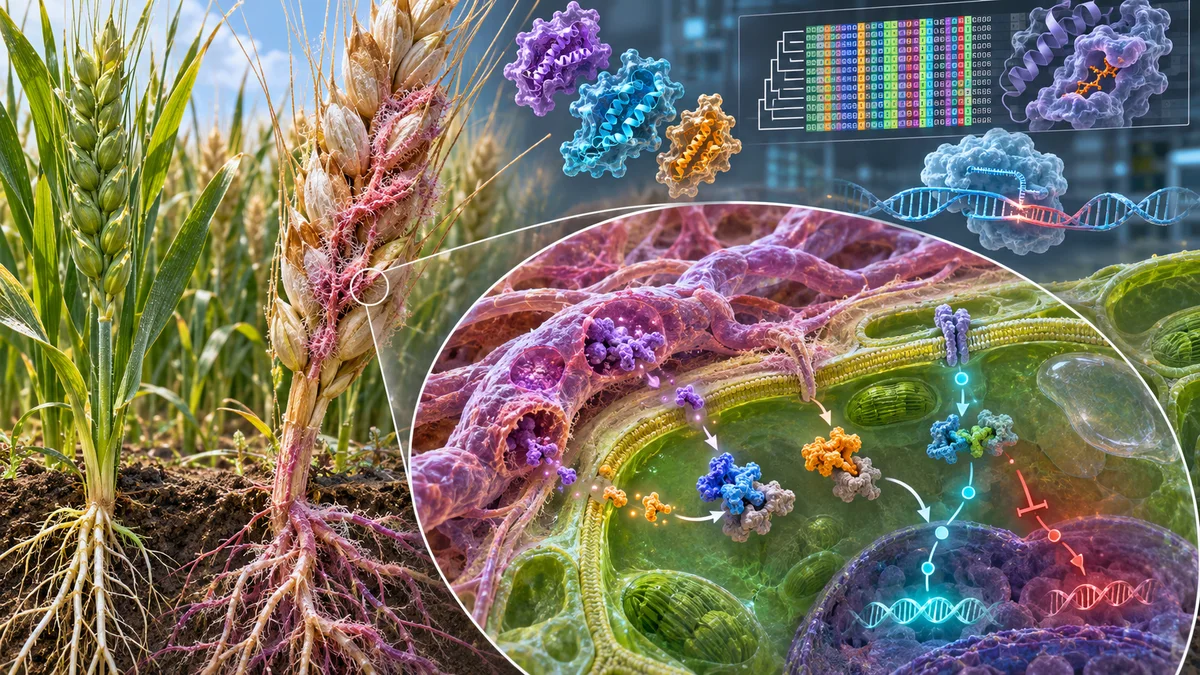
Core effectors of the Fusarium pan-effectome contribute to host specificity.

Fusarium fungi cause economically important diseases of cereal crops, including Fusarium head blight, ear blight, and root rot. Central to these interactions are secreted effector proteins that manipulate host biology to promote infection. In turn, plants have evolved to recognize effector activity to activate immune responses and restrict disease. Despite their importance, the diversity, conservation, and evolution of Fusarium effectors remain poorly understood. Here, we present the Fusarium sa

Continue reading