Economics

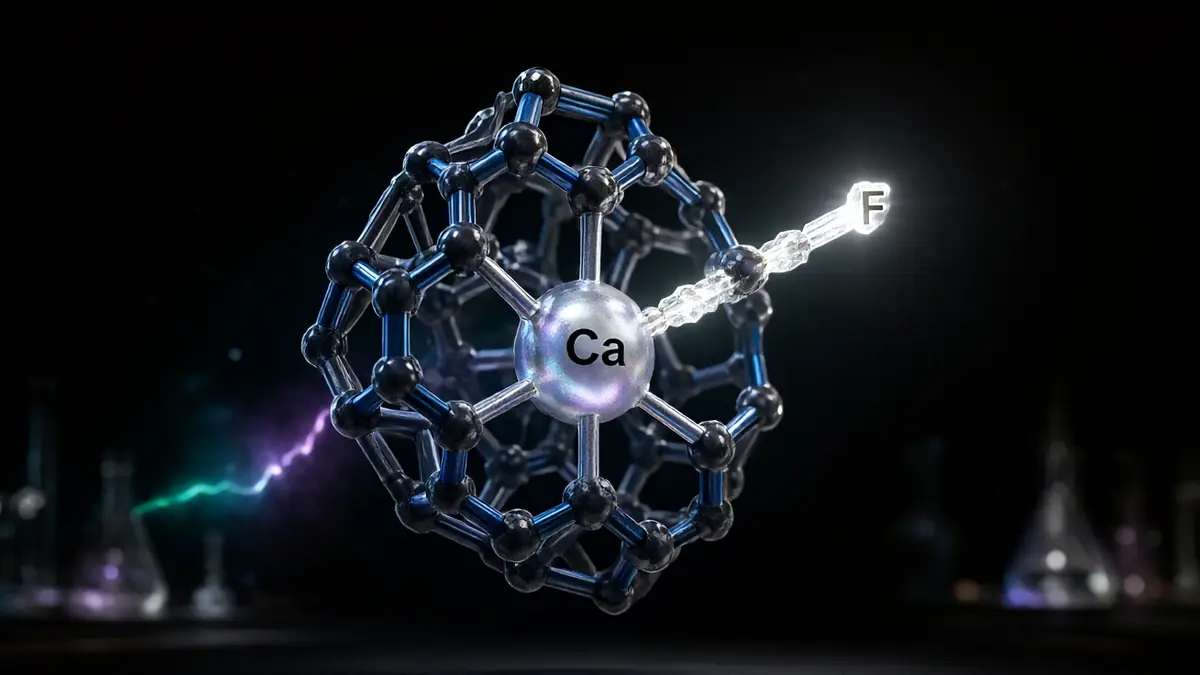
Calcium catalysed nucleophilic fluorination.
| Source: Nature

New catalytic manifolds that challenge existing boundaries for synthesis and sustainable manufacturing are notoriously difficult to implement 1 , particularly for catalytic paradigms based on metals which lack access to the fundamental processes that underpin many established d-block mechanistic pathways (e.g. oxidative addition and reductive elimination). The widespread exploitation of systems based on main-group elements therefore requires alternative elementary steps to effect turnover. Herei

New catalytic manifolds that challenge existing boundaries for synthesis and sustainable manufacturing are notoriously difficult to implement 1 , particularly for catalytic paradigms based on metals which lack access to the fundamental processes that underpin many established d-block mechanistic pathways (e.g. oxidative addition and reductive elimination). The widespread exploitation of systems based on main-group elements therefore requires alternative elementary steps to effect turnover. Herein, we demonstrate a new catalytic platform for nucleophilic fluorination, which exploits a complex based on calcium (the fifth most Earth-abundant element) as the fluoride delivery vehicle. The key intermediate is a calcium-fluoride complex featuring a terminal Ca-F interaction, a unique structural geometry enabled by a highly sterically encumbered dianionic ligand-scaffold. This intermediate links reactants and products through F - capture and release steps, and thereby unlocks catalytic F - shuttling. Late Ca-F bond breaking in the rate-determining fluoride-delivery transition-state means that electronic and steric tuning of F - by calcium is chemically significant; proof-of-concept results show a hitherto unprecedented level of selectivity for substitution over elimination brought about by Ca-modulation. In a broader context, this work demonstrates how control over catalyst speciation and reagent binding affinity are key factors for the future development of sustainable non-transition metal paradigms in catalysis.

Read the original source →

Related Stories

Economics

A signal convention in natural chimpanzee communication.

Human language relies on conventional signals that are arbitrary, stable, and socially transmitted. Whether other animals exhibit meaning-based communicative conventions is virtually unknown. Using a quasi-experimental design, we investigated this in chimpanzee unvoiced calls (UCs), such as acoustic raspberries, known to show usage variation. We collected audio and contextual data in 91 chimpanzees (0 to 55 y), across eight wild and captive groups that differed in the presence or absence of adul

Continue reading
Economics

Two-phase NEUROD1 pioneer activity synchronizes sensory neuronal differentiation and subtype specification.

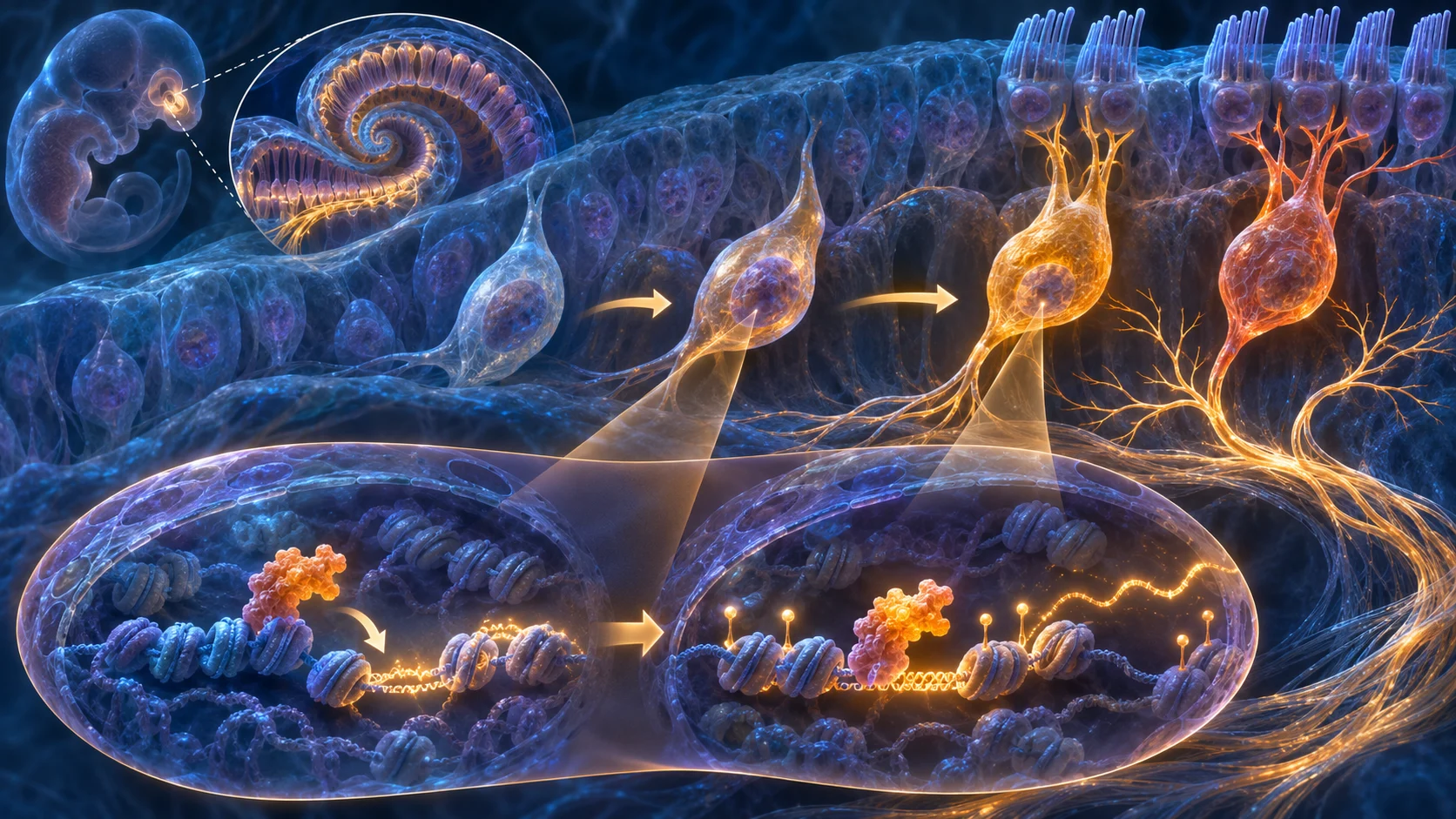
Temporal control of neuronal differentiation is essential for establishing stable neuronal identities, yet the transcriptional and epigenetic mechanisms underlying this process remain poorly understood. Using auditory neurons as an in vivo model, we investigate the role of the proneural factor NEUROD1 in regulating neuronal differentiation timing and subtype specification. To bypass early neuronal loss in germline Neurod1 deletion mutants, we generated a delayed, self-terminating conditional kno

Continue reading
Economics

Metasurface waveguides for all-day augmented reality glasses.

Augmented reality (AR) displays, originating from early optical see-through head-mounted systems 1 , have evolved towards lightweight glasses that seamlessly integrate digital information with the physical world 2,3 . However, their widespread adoption requires compact optical systems that enable bright, wide-field and comfortable viewing. Diffractive waveguides (WGs) offer a promising approach towards lightweight AR displays yet face inherent trade-offs among field of view (FoV), optical effici

Continue reading
Economics

Core effectors of the Fusarium pan-effectome contribute to host specificity.

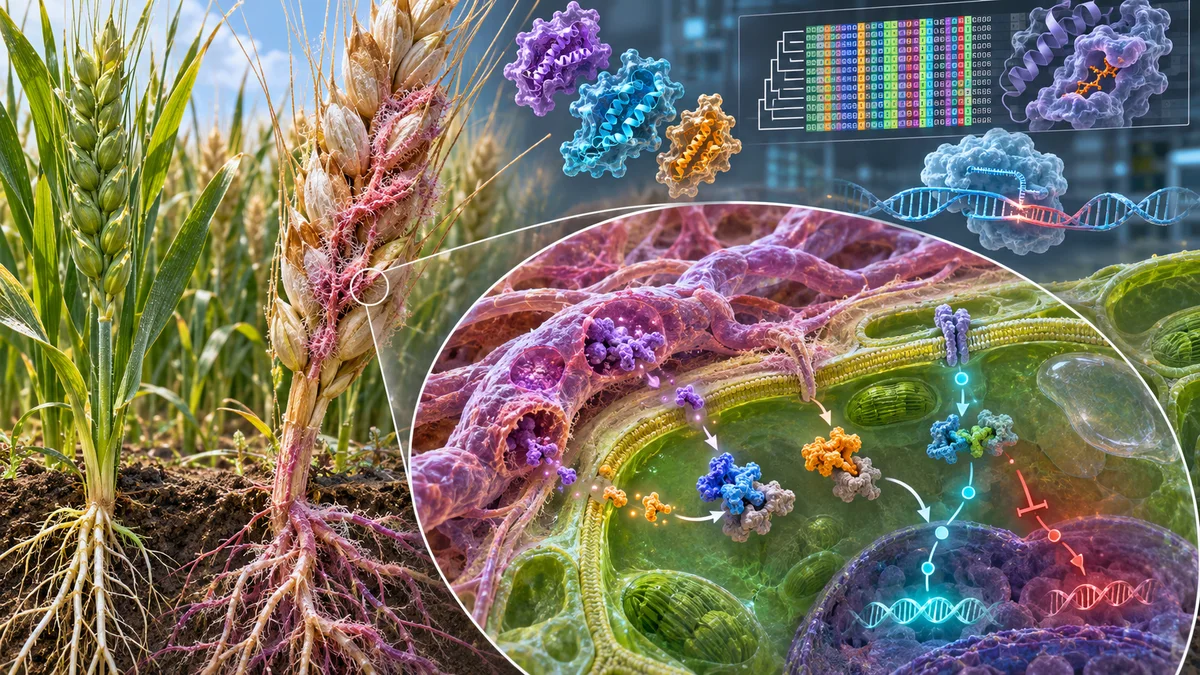
Fusarium fungi cause economically important diseases of cereal crops, including Fusarium head blight, ear blight, and root rot. Central to these interactions are secreted effector proteins that manipulate host biology to promote infection. In turn, plants have evolved to recognize effector activity to activate immune responses and restrict disease. Despite their importance, the diversity, conservation, and evolution of Fusarium effectors remain poorly understood. Here, we present the Fusarium sa

Continue reading
Economics

Comprehensive mapping of essential-gene interactions in M. tuberculosis.

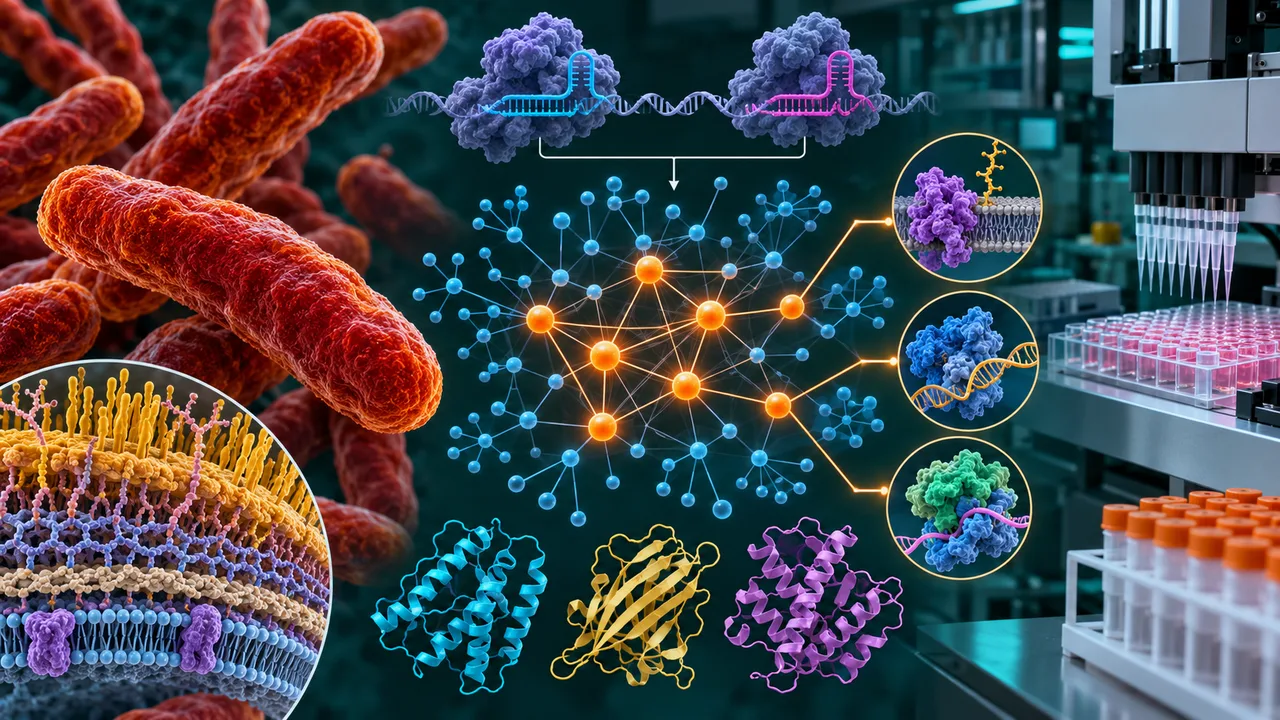
Mycobacterium tuberculosis, the causative agent of tuberculosis, remains the world's deadliest pathogen 1 . Despite intensive study, many of its genes remain uncharacterized, which limits the insight that can be gained into tuberculosis biology and constrains drug development. Genetic interaction (GI) mapping is a powerful strategy to define functional relationships between genes by quantifying how the phenotypic effects of combined perturbations deviate from expectations based on single-gene pe

Continue reading