Physical/Tech

The anatomy of a personal health agent

| Source: Nature

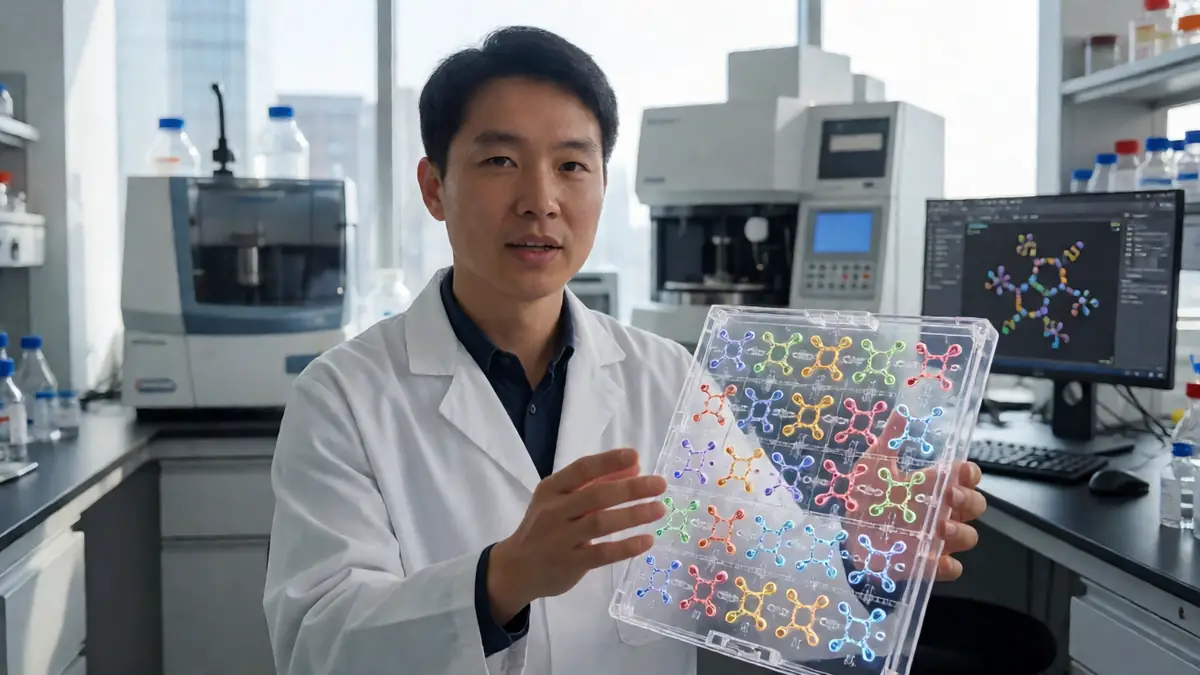
Abstract Large language models are enabling a new generation of health agents, yet their ability to address the diverse needs of individuals in everyday health settings remains underexplored 1,2 . Here we developed a comprehensive personal health agent that reasons over multimodal data from consumer wellness devices and medical records to provide personalized health support. Through analysis of web search and health forum queries, together with user-centred research involving end users and healt

Abstract Large language models are enabling a new generation of health agents, yet their ability to address the diverse needs of individuals in everyday health settings remains underexplored 1,2 . Here we developed a comprehensive personal health agent that reasons over multimodal data from consumer wellness devices and medical records to provide personalized health support. Through analysis of web search and health forum queries, together with user-centred research involving end users and health experts, we identified four key user journeys: general health knowledge, personal data interpretation, wellness advice, and symptom assessment. These journeys informed three specialist sub-agents: (1) a data science agent that analyses longitudinal wearable and medical data, incorporating population-level statistics to contextualize numerical insights; (2) a health domain expert agent that integrates personal and contextual data with health knowledge to generate personalized insights; and (3) a health coach agent that synthesizes insights, supports multi-turn interaction and goal setting, applies specified psychological strategies and tracks progress. We integrated these capabilities in the personal health agent, an open-source multi-agent framework for dynamic, personalized health interactions. We evaluated the sub-agents and full system across 11 benchmark tasks using automated and human evaluation, with more than 7,000 annotations and 1,350 h of effort from health experts and end users. This represents the most comprehensive evaluation of a personal health agent thus far and provides a concrete foundation for improving access to high-quality personalized health support more broadly.

Read the original source →

Related Stories

Physical/Tech

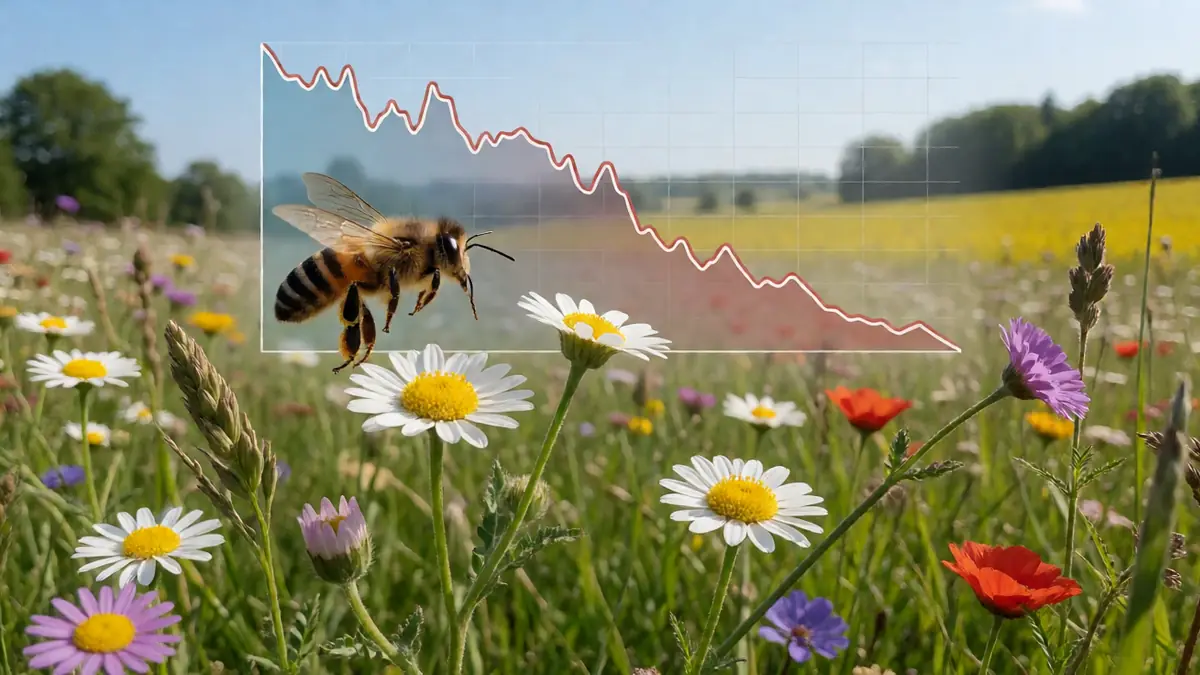
Historical trends show more declining than increasing species among European pollinators.

Anthropogenic global change presents a growing threat to insect pollinators. Yet, long-term, continental-scale assessments of their population trends remain limited. Here, we leveraged a curated database of over four million occurrence records, covering 88% of extant bee and hoverfly species in Europe, to assess persistence, richness, and occupancy trends over the past century. Species persistence at the European level was relatively high, with modern records available for 87% of bee and 89% of

Continue reading
Physical/Tech

Extensive glacier loss in the coterminous United States.

Glaciers populate the mountain ranges of the western conterminous United States and despite their importance to alpine hydrology, their area and volume change have never been comprehensively evaluated. Our study shows that since the mid-twentieth century about one-quarter of the glaciers have disappeared and the overall area and volume are reduced by one-third. The pattern of glacier shrinkage suggests most glaciers in the conterminous United States are largely maintained by local topographic in

Continue reading
Physical/Tech

Scientists disrupt less but more persistently with career aging.

Disruption describes the extent to which a scientific work overturns the prior knowledge on which it builds and leads to a new line of research. A scientist's tendency to produce disruptive work has been found recently to decline over the career. However, the disruption index captures only how strongly a paper overturns prior work and ignores whether that disruption is later accepted or overturned by subsequent research. The persistent disruption (PD) framework adds this second perspective, iden

Continue reading
Physical/Tech

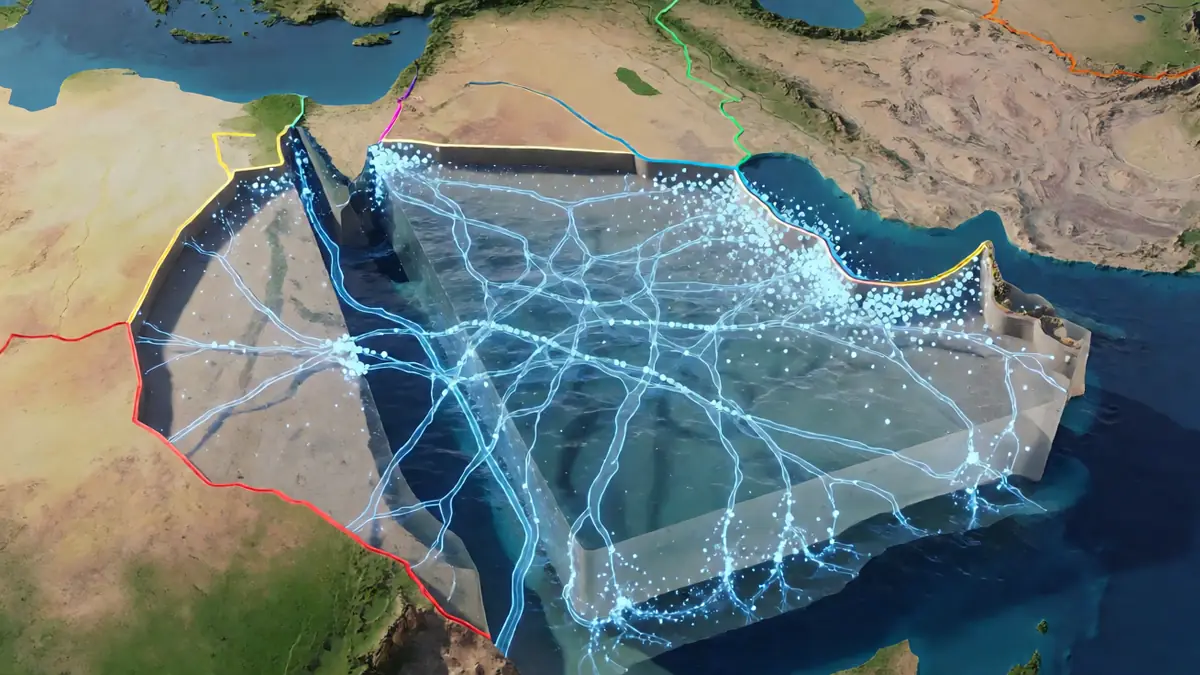
Geography of groundwater use and depletion in internationally shared aquifers.

Transboundary aquifers (TBAs) underlie 35% of global groundwater-irrigated cropland, yet few are covered by formal cooperative arrangements. Whether this limited cooperation is consequential depends in part on where groundwater is used within shared aquifers, because pumping far from international borders may generate little cross-border impact. Combining [Formula: see text]116,000 well observations with global irrigation data across all 426 known TBAs, we assess how groundwater use and depletio

Continue reading
Physical/Tech

Programmable chemoenzymatic synthesis of a keratan sulfate N -glycan library for glycocode decoding.

Keratan sulfate (KS) is a unique and widely distributed glycosaminoglycans family implicated in diverse biological processes. KS features branched glycan architectures with diverse sialylation and sulfation patterns, encoding a vastly expanded chemical and biological space. The limited accessibility of well-defined structures has hindered precise investigations into the KS biological functions. Here we report a programmable chemoenzymatic platform for assembling a 106-membered library of KS N -g

Continue reading