Structural and functional divergence of cancer hotspot mutations in CREBBP
CREBBP is among the most frequently mutated genes in human cancer and encodes a lysine acetyltransferase (KAT) protein that acetylates histones and nonhistone proteins to drive transcriptional activation. Mutations of CREBBP most frequently result in missense changes affecting the active site within the KAT domain. However, there has not yet been comprehensive biochemical, structural, and functional studies to determine the impact of recurrent KAT-domain variants. Here we show that the most freq
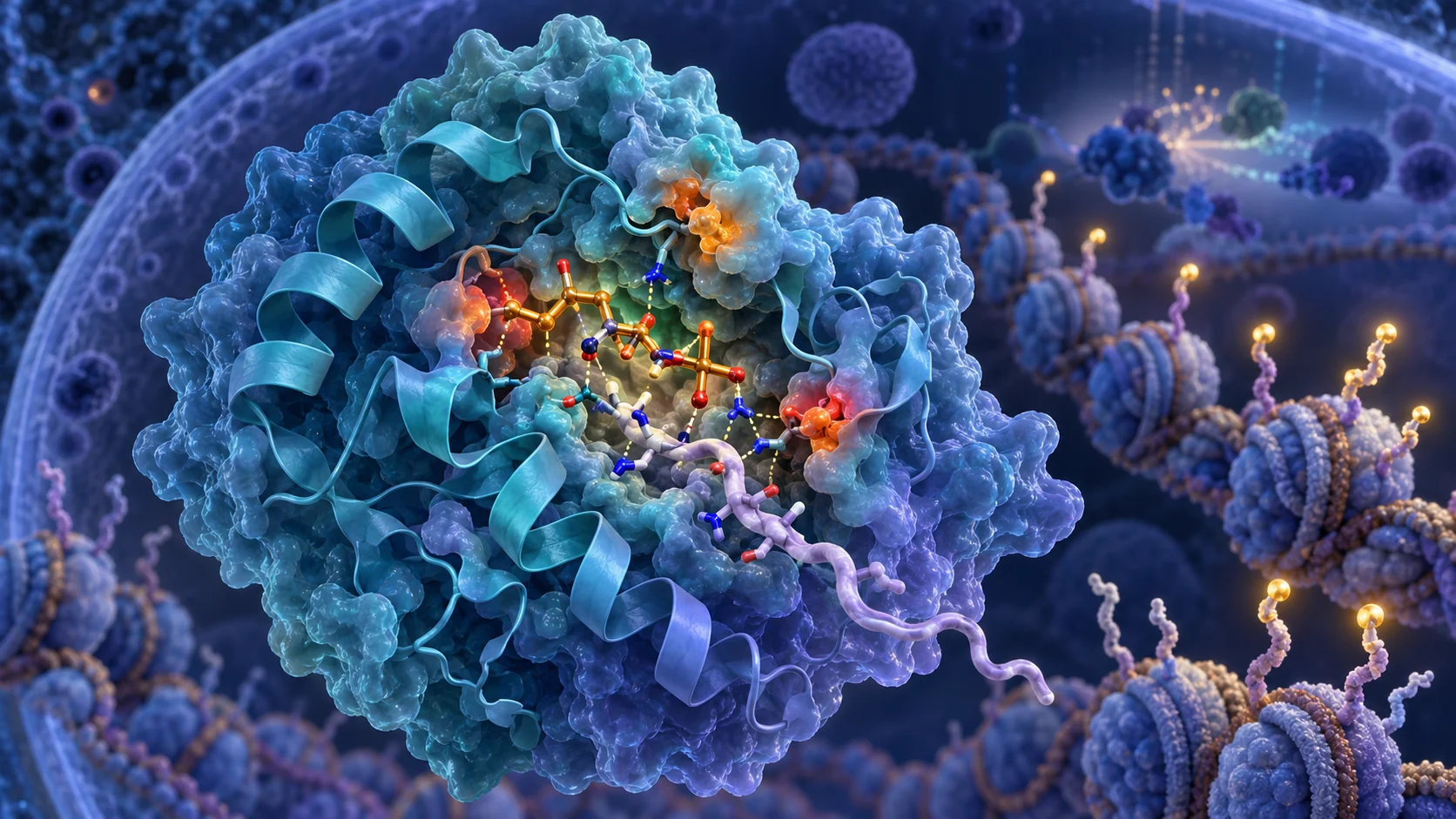
CREBBP is among the most frequently mutated genes in human cancer and encodes a lysine acetyltransferase (KAT) protein that acetylates histones and nonhistone proteins to drive transcriptional activation. Mutations of CREBBP most frequently result in missense changes affecting the active site within the KAT domain. However, there has not yet been comprehensive biochemical, structural, and functional studies to determine the impact of recurrent KAT-domain variants. Here we show that the most frequently mutated residue of CREBBP , arginine 1446, alters the stability of acetyl-CoA binding within the cofactor-binding pocket but retains detectable acetyltransferase activity for a variety of substrates including histones. In contrast, other recurrently mutated residues affect the catalytic center within the KAT domain and result in a catalytically dead protein with a profound loss of histone acetylation and enhancer activity. These results highlight functionally divergent classes of CREBBP mutations depending on the position of the mutated residue within KAT domain.