Physical/Tech

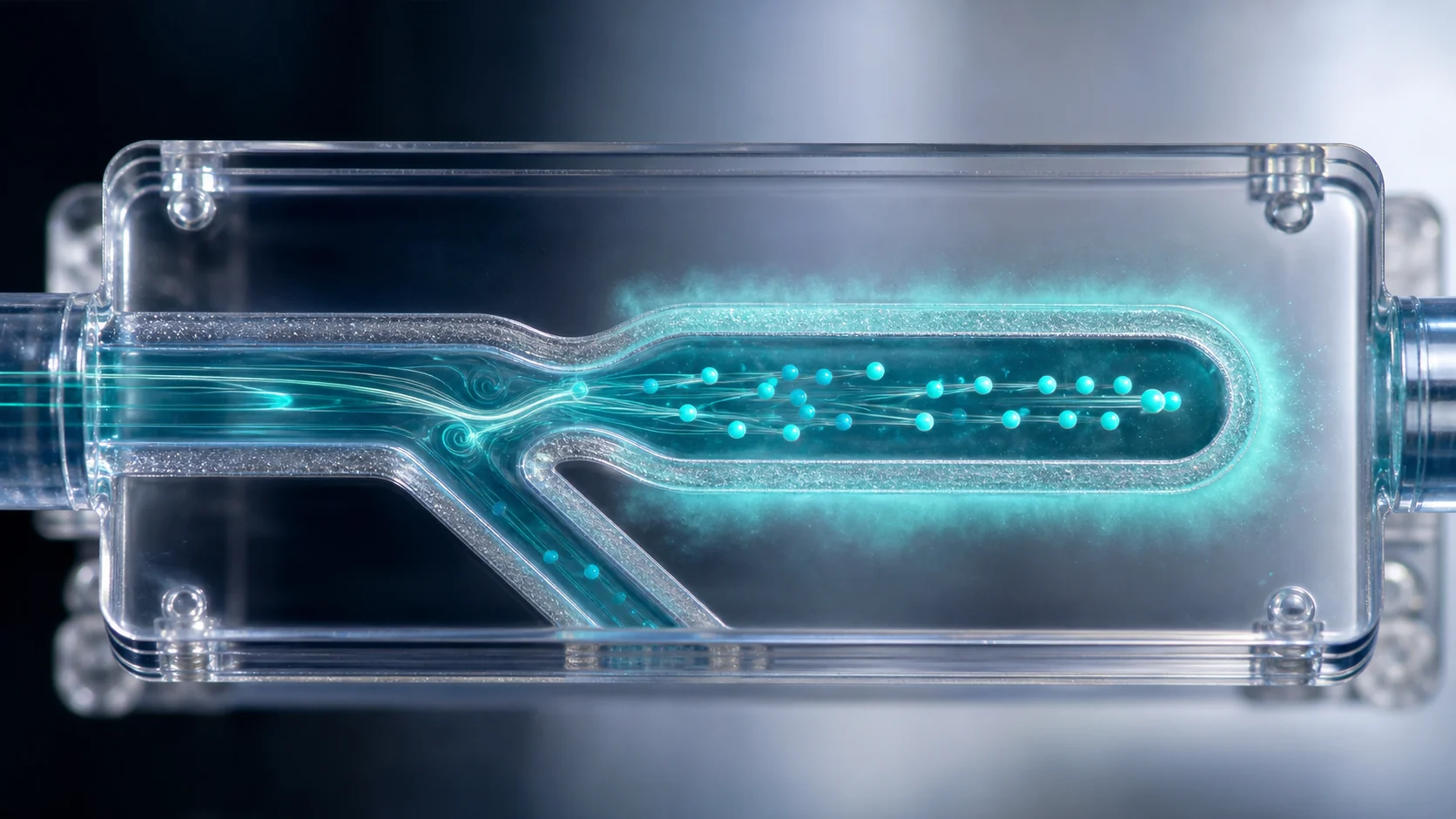
Reactive walls enhance and prolong diffusiophoretic transport into dead-end channels
| Source: PNAS

Nonequilibrium colloidal transport mechanisms such as diffusiophoresis and Marangoni transport enable rapid and targeted delivery of colloids by exploiting in-situ or externally imposed chemical gradients, particularly in systems like dead-end pores where pressure-driven flow is ineffective. However, the duration of such transport is limited by how long the driving gradient persists. Here, we present a general strategy to prolong gradient-driven colloidal transport in dead-end channels using cha

Nonequilibrium colloidal transport mechanisms such as diffusiophoresis and Marangoni transport enable rapid and targeted delivery of colloids by exploiting in-situ or externally imposed chemical gradients, particularly in systems like dead-end pores where pressure-driven flow is ineffective. However, the duration of such transport is limited by how long the driving gradient persists. Here, we present a general strategy to prolong gradient-driven colloidal transport in dead-end channels using channel walls that preferentially adsorb the driving solute. Solute partitioning reduces the effective diffusivity of the cross-sectionally averaged solute field, slowing the evolution of the solute field without reducing particle diffusiophoresis. We demonstrate this concept in a controlled microfluidic system, where polystyrene particles migrate diffusiophoretically down sodium dodecyl sulfate gradients whose evolution can be controlled by coating channel walls with polyethylene diacrylate hydrogel layers. Absorbing walls are shown to enhance particle delivery into dead-end pores, with particle velocity fields and increases in particle deliveries that agree qualitatively and quantitatively with theoretical predictions. This approach offers a general framework to control and direct microscale transport in complex geometries, with potential applications in enhanced oil recovery, drug delivery, and consumer product design.
Read the original source →

Related Stories

Physical/Tech

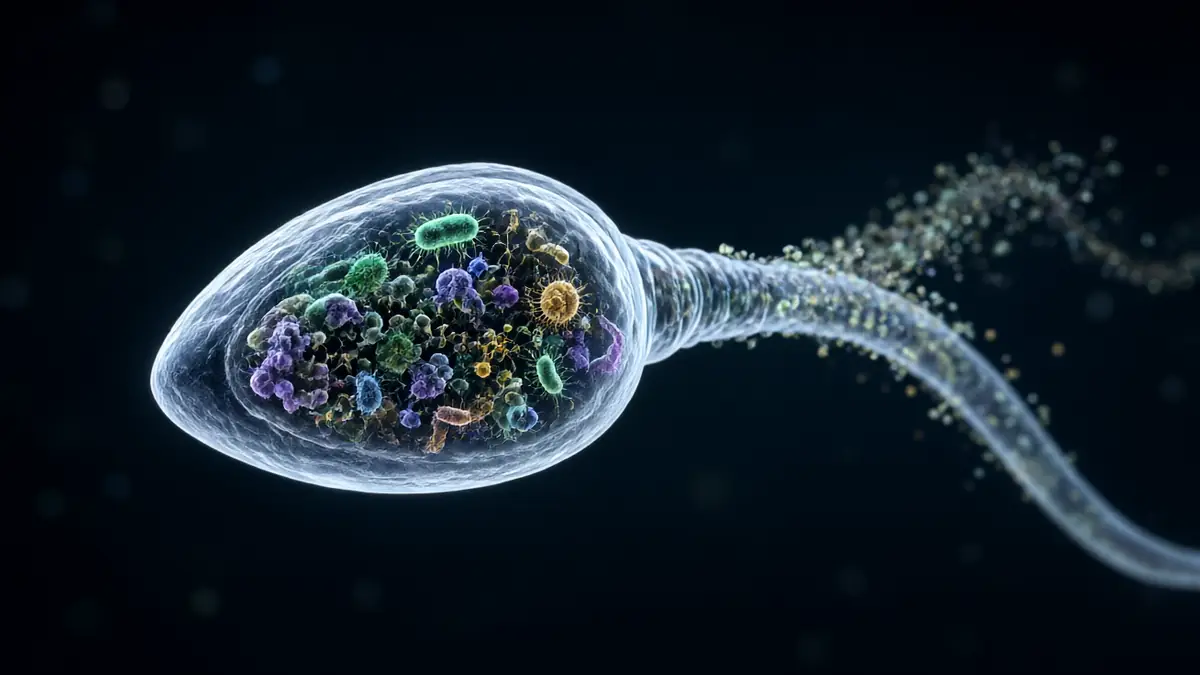
The microbial world of male reproduction.

The last decade has brought renewed interest to microbial influences on host biology, yet the roles of microbes in host reproductive biology are underappreciated and often defined by a profound maternal bias. This perspective synthesizes emerging evidence across the tree of life to highlight the paternal microbiome as an overlooked driver of fitness, reproductive output, and intergenerational health, impacting epigenetic sculpting of the sperm and embryo, sexual transmission of microbes, and mal

Continue reading
Physical/Tech

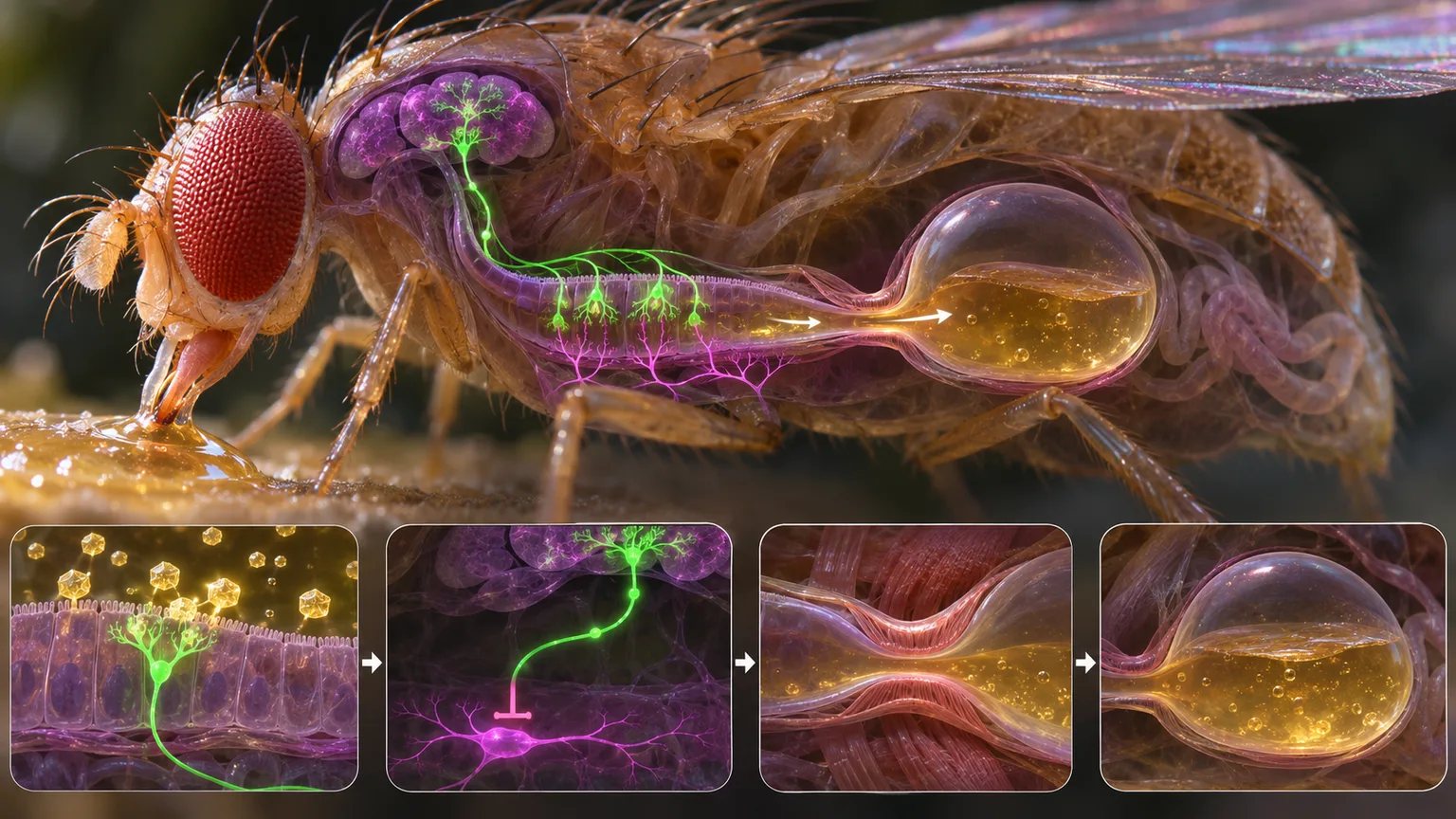
A gut-brain sensory-motor circuit regulates sugar ingestion in Drosophila.

Bidirectional communication between the brain and digestive tract is critical for optimizing nutrient preference and food intake, yet the neural mechanisms that couple gut nutrient sensing with ingestive motor control remain poorly understood. Here we identify a gut-brain sensory-motor circuit that regulates sugar ingestion in flies. We show that the brain neurons that regulate food ingestion, IN1s 1 , receive excitatory input from enteric sensory neurons that penetrate the foregut epithelium an

Continue reading
Physical/Tech

Rare-variant genetic architecture of height in over 1.4 million individuals.

Highly heritable, polygenic and easily measured, adult height has long been the model trait in human genetics 1,2 . Although the landscape of height-associated common genetic variation has been studied extensively 2 , rare variation remains relatively unexplored 1 . Here, using rare protein-altering variants in a discovery set of 826,066 exomes, we identify 207 height-associated genes, 98% of which replicate in an additional 624,567 individuals. The rarest and most deleterious class of variation

Continue reading
Physical/Tech

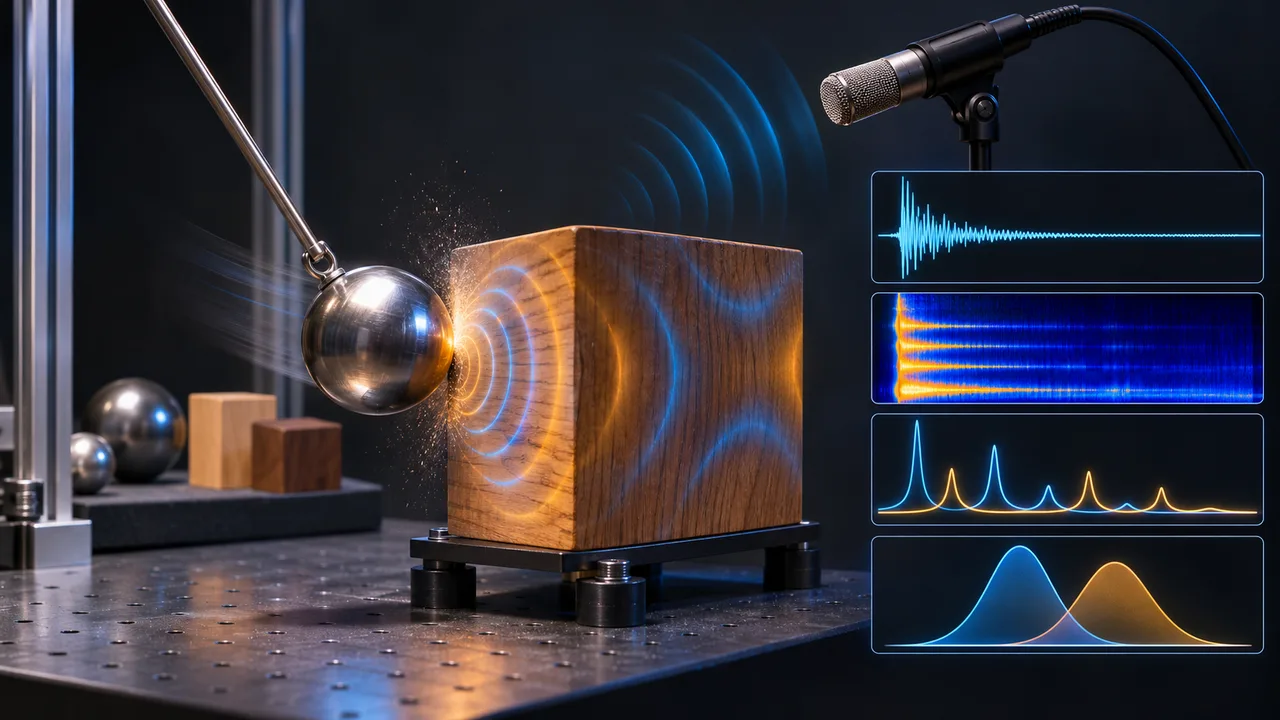
Intuitive knowledge of object acoustics enables perceptual separation of physical variables from impact sounds.

Upon hearing objects collide, humans can estimate physical attributes such as material and mass. Although the physics of sound generation is well established, the inverse problem that listeners solve-of inferring physical parameters from sound-remains poorly understood. Classical accounts posit the use of acoustic cues that correlate with physical variables but do not explain how humans might distinguish multiple concurrent physical causes. To study this problem, we measured impulse responses fr

Continue reading
Physical/Tech

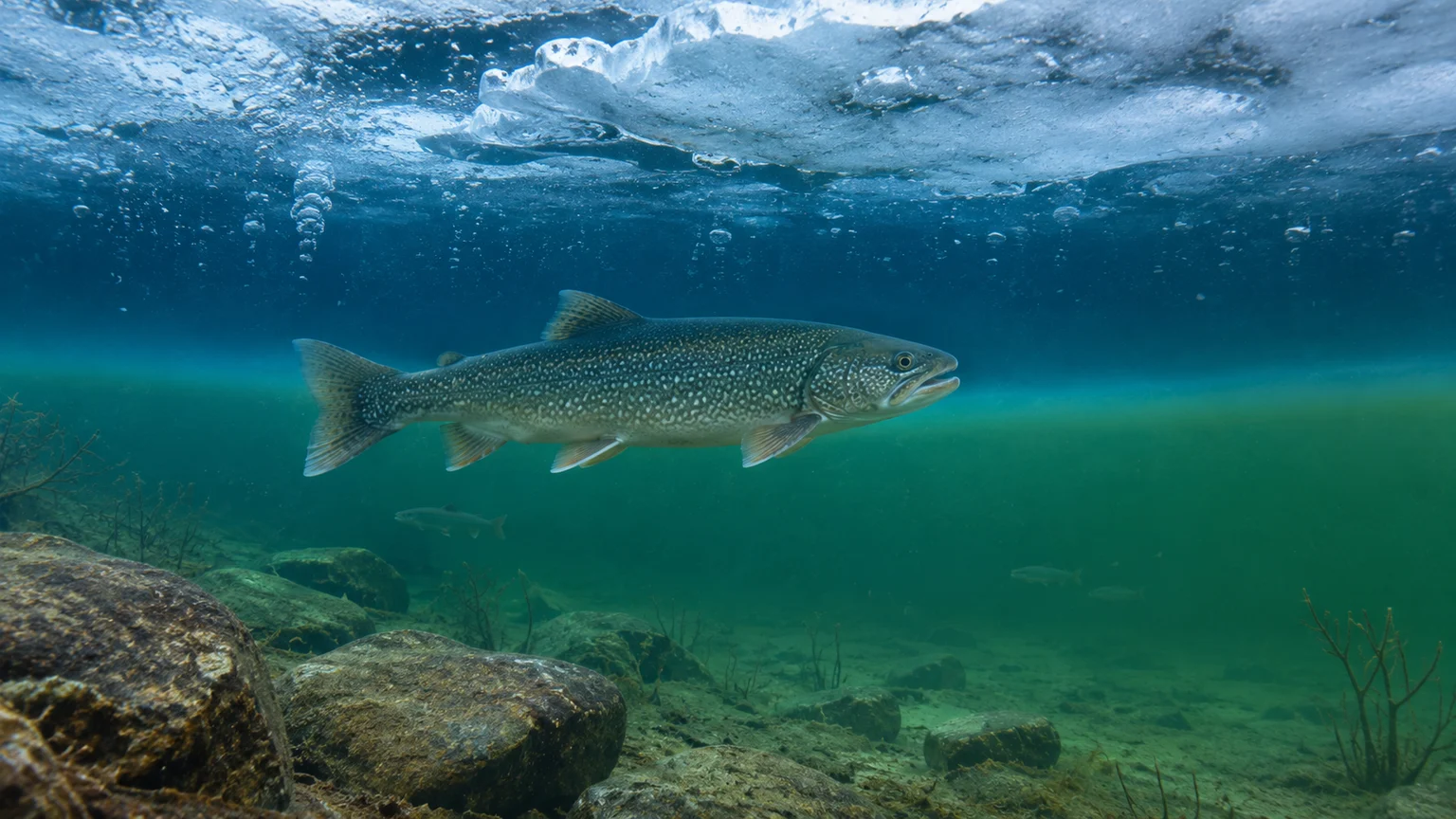
Sub-ice thermal gradients strongly influence winter depth use of an iconic cold-water fish.

In a thermally stratified lake, freshwater fish select habitats that align with their thermal preferences. While most studies of dimictic lakes have focused on habitat selection during summer stratification, less attention has been given to winter when inverse thermal stratification occurs with water temperatures between 0 to 4 °C. Our results show that winter thermal stratifications vary considerably among lakes. Much of the variation in winter depth use by the cold-water predator, Lake Tr

Continue reading