Health & Medicine

Prehospital Antibiotics for Patients With Suspected Sepsis: The PITSTOP-Antibiotics Factorial Randomized Clinical Trial.

| Source: JAMA

Early treatment with antibiotics is considered an important intervention to reduce mortality for patients with sepsis. To determine the effect of earlier treatment with antibiotics in the ambulance on 90-day mortality compared with usual treatment in the emergency department. This multicenter, 2 × 2 factorial randomized, placebo-controlled trial was conducted among 4 paramedic services and their destination hospitals in Ontario, Canada. Participants were adults with suspected

Early treatment with antibiotics is considered an important intervention to reduce mortality for patients with sepsis. To determine the effect of earlier treatment with antibiotics in the ambulance on 90-day mortality compared with usual treatment in the emergency department. This multicenter, 2 × 2 factorial randomized, placebo-controlled trial was conducted among 4 paramedic services and their destination hospitals in Ontario, Canada. Participants were adults with suspected sepsis, defined as suspected infection, fever (≥38.0 °C), and hypotension (systolic blood pressure <100 mm Hg). Patients were enrolled between March 23, 2020, and August 20, 2025, with final follow-up in December 2025. Patients were randomized to receive 1 g of intramuscular ceftriaxone or placebo (and to receive liberal fluids vs usual fluids; reported separately) during prehospital care in the ambulance. All patients could receive open-label antibiotics in the emergency department. The primary outcome was hospital mortality, defined as death prior to hospital discharge to day 90. There were 17 secondary outcomes, including all-cause mortality at 90 days, hospitalization, intensive care unit admission, use of mechanical ventilation, use of dialysis, positive culture results, and antibiotics within 24 hours of hospital arrival. Among 2091 randomized patients, 2048 were eligible for the primary analysis, with 1026 randomized to receive ceftriaxone and 1022 randomized to receive placebo. The median (IQR) age of patients was 75 (62-85) years and 1162 (56.7%) were males. The mean (SD) time from paramedic arrival at patient to administration of study drug was 37 (36) minutes in the ceftriaxone group and 39 (55) minutes in the placebo group. Most patients (735 of 795 [92.5%] in the ceftriaxone group and 730 of 792 [92.2%] in placebo group) were treated with antibiotics in the hospital after a mean (SD) of 247.3 (207.7) minutes after paramedic arrival among patients in the ceftriaxone group and 252.8 (218.0) minutes among the placebo group. The rate of hospital mortality was 182 of 1009 (18.0%) in the ceftriaxone group and 186 of 1011 (18.4%) in the placebo group (risk ratio, 0.97 [95% CI, 0.81-1.17]; P = .77). Of 17 secondary outcomes, all were similar between the groups. Among patients with suspected sepsis on evaluation by paramedics, earlier treatment with antibiotics in the ambulance did not reduce mortality compared with usual care provided in the emergency department. ClinicalTrials.gov Identifier: NCT03068741.
Read the original source →

Related Stories

Health & Medicine

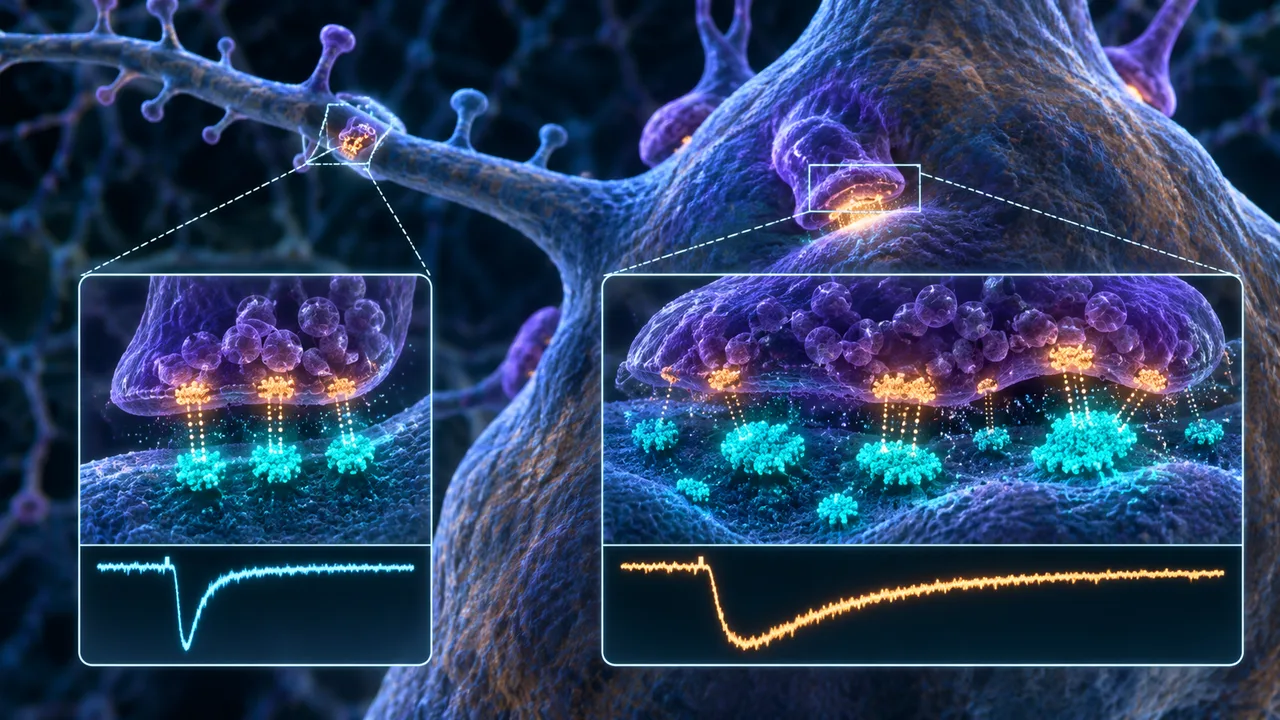
Distinct nanoscale architectures of GABAergic inhibitory synapses predict diverse synaptic output.

GABAergic synaptic inhibition is heterogenous across neuronal compartments, and plays a critical role in shaping local, cellular, and circuit excitability. In pyramidal neurons, inhibition is mediated by GABA A receptors (GABA A Rs) clustered at the inhibitory postsynaptic domain (iPSD). Synaptic strength depends not only on the number of GABA A Rs within the iPSD, but also on their precise nanoscale organization into discrete subsynaptic domains (SSDs). These SSDs often align with presynaptic G

Continue reading
Health & Medicine

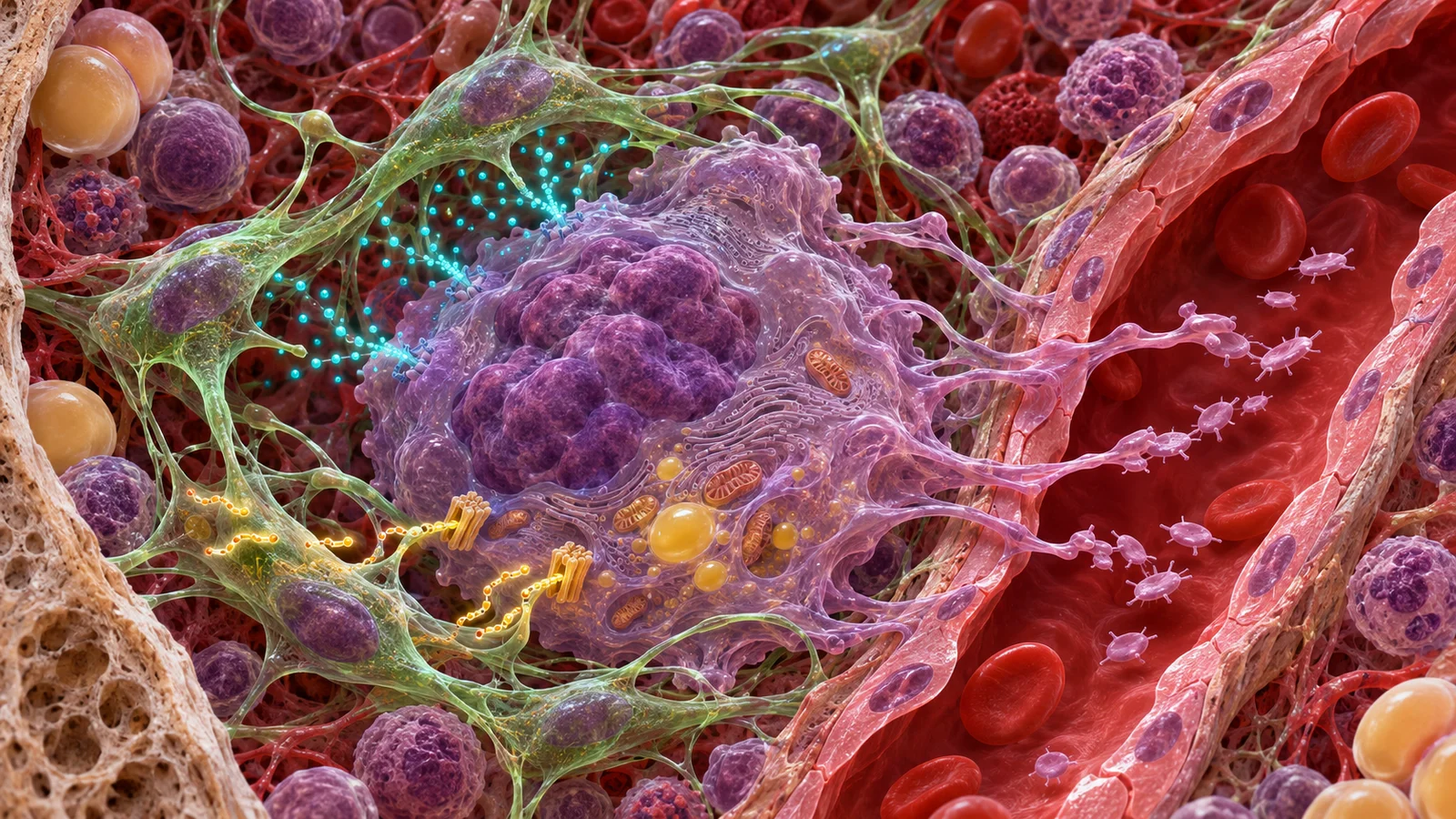
Leptin Receptor + cells create a perisinusoidal niche for thrombopoiesis in the bone marrow by synthesizing CXCL14.

Leptin Receptor-expressing (LepR + ) stromal cells in the bone marrow are a critical source of growth factors for the maintenance of hematopoietic stem cells (HSCs) and most restricted hematopoietic progenitors. An important unresolved question is whether they also regulate terminal differentiation in some hematopoietic cells. We found that bone marrow LepR + cells promote thrombopoiesis by synthesizing the chemokine CXCL14. Cxcl14 -expressing LepR + cells extend fine processes that wrap around

Continue reading
Health & Medicine

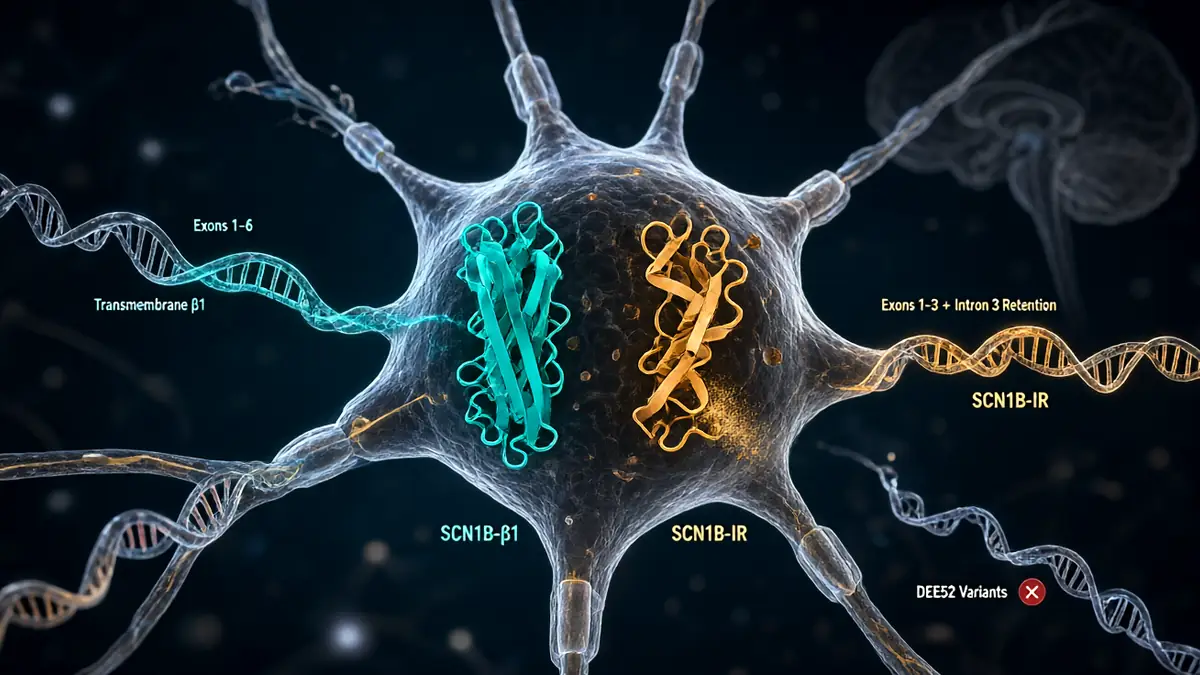
SCN1B intron 3 retention results in a nonsense-mediated decay-sensitive mRNA linked to developmental and epileptic encephalopathy.

Biallelic variants in the voltage-gated sodium channel (VGSC) gene SCN1B are linked to developmental and epileptic encephalopathy type 52 (DEE52). SCN1B encodes two isoforms: transmembrane β1, generated by all 6 coding exons, and β1B, generated by exons 1 to 3 followed by retention of intron 3 ( SCN1B -IR). Transmembrane β1 subunits are multifunctional proteins that regulate sodium current and channel cell-surface expression, participate in cell-cell and cell-matrix adhesion, a

Continue reading
Health & Medicine

Anomeric configuration encodes mesophase preference of glucosylceramides in phospholipid membranes.

Glycosphingolipids are key components of the cell glycocalyx, yet the extent to which their anomeric configuration affects their membrane organization remains unclear. Glucosylceramide (GlcCer) exists as α- and β-anomers with distinct biological activities, while the biophysical basis for these differences is unknown. Here, using nitroxide spin-labeled analogs of α- and β-GlcCer, we examined how the glycosidic stereochemistry affects their partitioning in phospholipid bil

Continue reading
Health & Medicine

A genome-wide senescence synthetic lethality screen identifies PARP16 as a senolytic target.

Accumulation of senescent cells is increasingly viewed as a significant contributor to aging and age-related diseases. To date, the elimination of senescent cells through small molecule senolytic agents has largely relied on a limited number of repurposed agents, often leveraged from previous oncological applications. Here, we describe a CRISPR-based, genome-wide, synthetic lethal screen for senescent cells. From this screen, we identify a number of genes whose deletion appears to be well tolera

Continue reading