Health & Medicine

Poly(phenolic) deposition is a prerequisite to poly(aliphatic) deposition for functional potato suberin.

| Source: Proceedings of the National Academy of Sciences of the United States of America

Suberin deposition in specialized cells is a critical aspect of plant protection, providing both water retention and pathogen protection functions. Tissue specific suberization during plant development is mirrored by its wound induction in cells that do not normally suberize and provides a robust experimental system to investigate the process. Suberized cells are characterized by a cell wall-associated lignin-like poly(phenolic) domain, and an ester-linked poly(aliphatic) domain, with the latter

Suberin deposition in specialized cells is a critical aspect of plant protection, providing both water retention and pathogen protection functions. Tissue specific suberization during plant development is mirrored by its wound induction in cells that do not normally suberize and provides a robust experimental system to investigate the process. Suberized cells are characterized by a cell wall-associated lignin-like poly(phenolic) domain, and an ester-linked poly(aliphatic) domain, with the latter often laid down in distinct lamellar bands between the cell wall and plasma membrane. Previous work provides evidence that poly(phenolic) deposition precedes, and is necessary for, poly(aliphatic) deposition. To test this further, we generated RNAi knockdown lines of three wound-induced peroxidase genes, PRX19, PRX55, and PRX105 , in potato ( Solanum tuberosum ), the tubers of which produce an abundance of suberin upon wounding. Peroxidases catalyze the oxidative free radical coupling of phenolic monomers to form the suberin poly(phenolic) domain. The wound-induced suberin of PRX19-RNAi tubers had severely reduced poly(phenolics), reduced poly(aliphatics), and no apparent lamella. Functionally, wound-induced PRX19-RNAi tubers were more permeable to water loss and susceptible to bacterial soft rot. Overall, our data support the hypothesis that poly(phenolic) domain assembly is a strict requirement for subsequent deposition of aliphatic lamella within wound-induced suberin.
Read the original source →

Related Stories

Health & Medicine

The honey bee stinger: An unusual pump with collapsible double pistons.

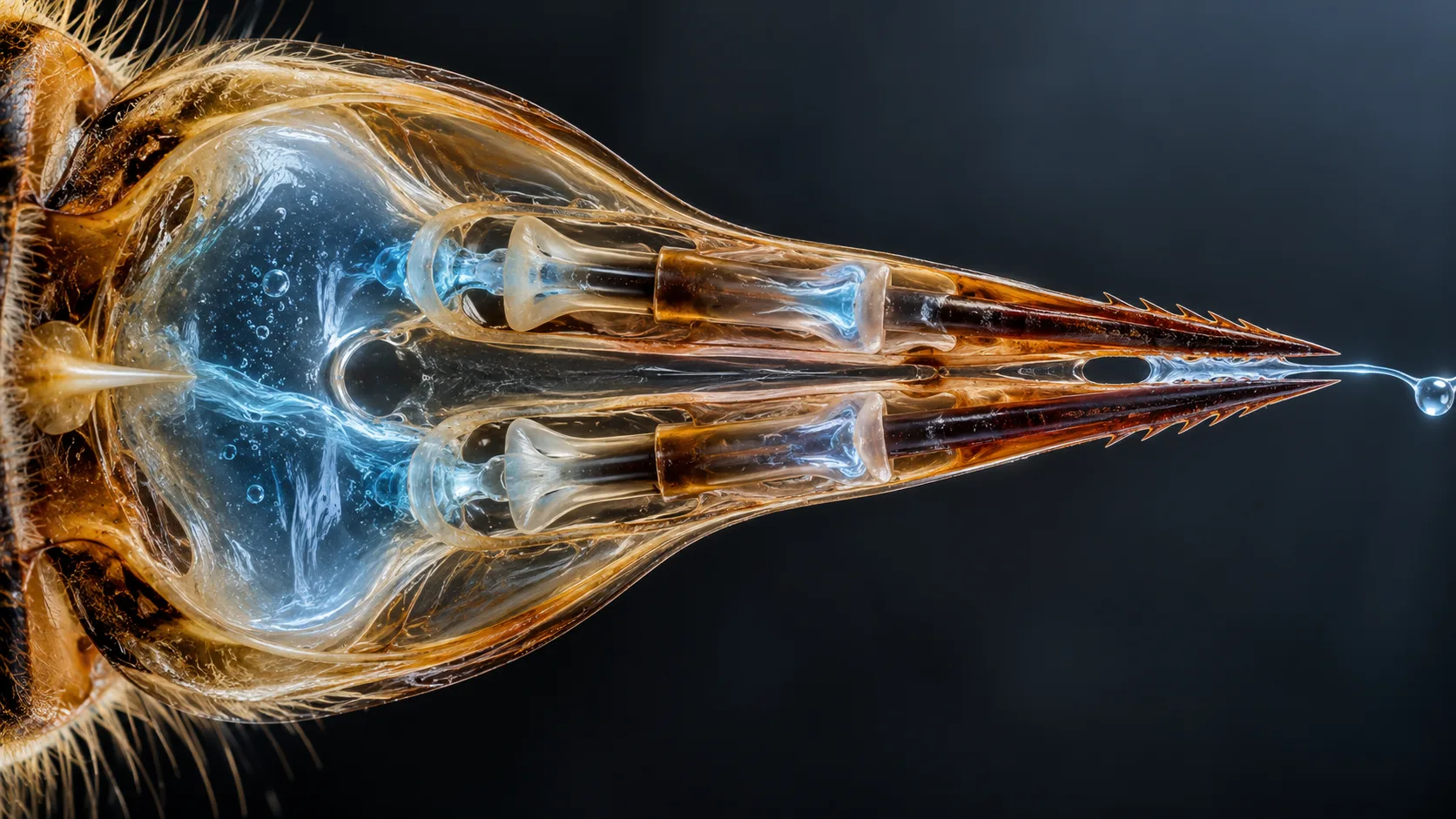
Most stinging animals deliver venom by contracting muscles around a venom reservoir, but honey bees employ a fundamentally different strategy. The stingers of worker bees have the unique ability to autotomize, separating from the body, to continue to sting independently. Despite more than a century of anatomical descriptions, the mechanics of venom pumping have remained unresolved due to the challenges of observing them in action. We recorded high-speed videos of active, autotomized stingers, co

Continue reading
Health & Medicine

Chronic cigarette smoke exposure induces distinct stem cell states driving genetic driver-specific non-small cell lung cancer subtypes.

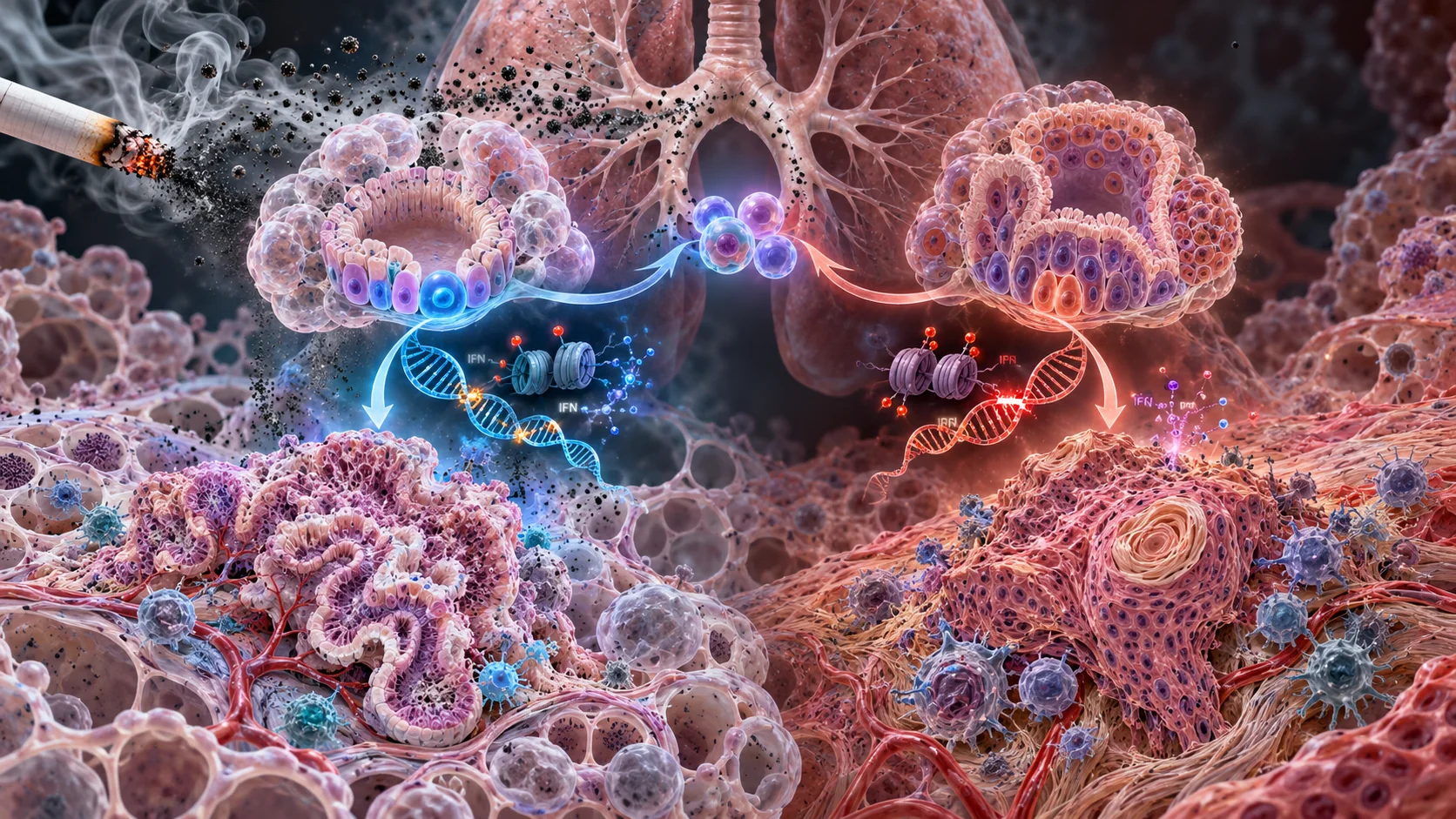
Cigarette smoke-induced chronic inflammation (CI) potentiates development of non-small cell lung cancer (NSCLC) by mediating genetic and epigenetic events. Using normal lung organoids (LOs), we define how chronic cigarette smoke condensate (CSC) exposure drives two separate stem cell populations to evolve premalignant states harboring progressive epigenetic and linked transcriptomic abnormalities in the absence of major driver mutations. These dynamics facilitate evolution of an immune evasive s

Continue reading
Health & Medicine

Cell identity competes with surface tension to determine stromal organization in tumor spheroids beyond the CAF shell paradigm.

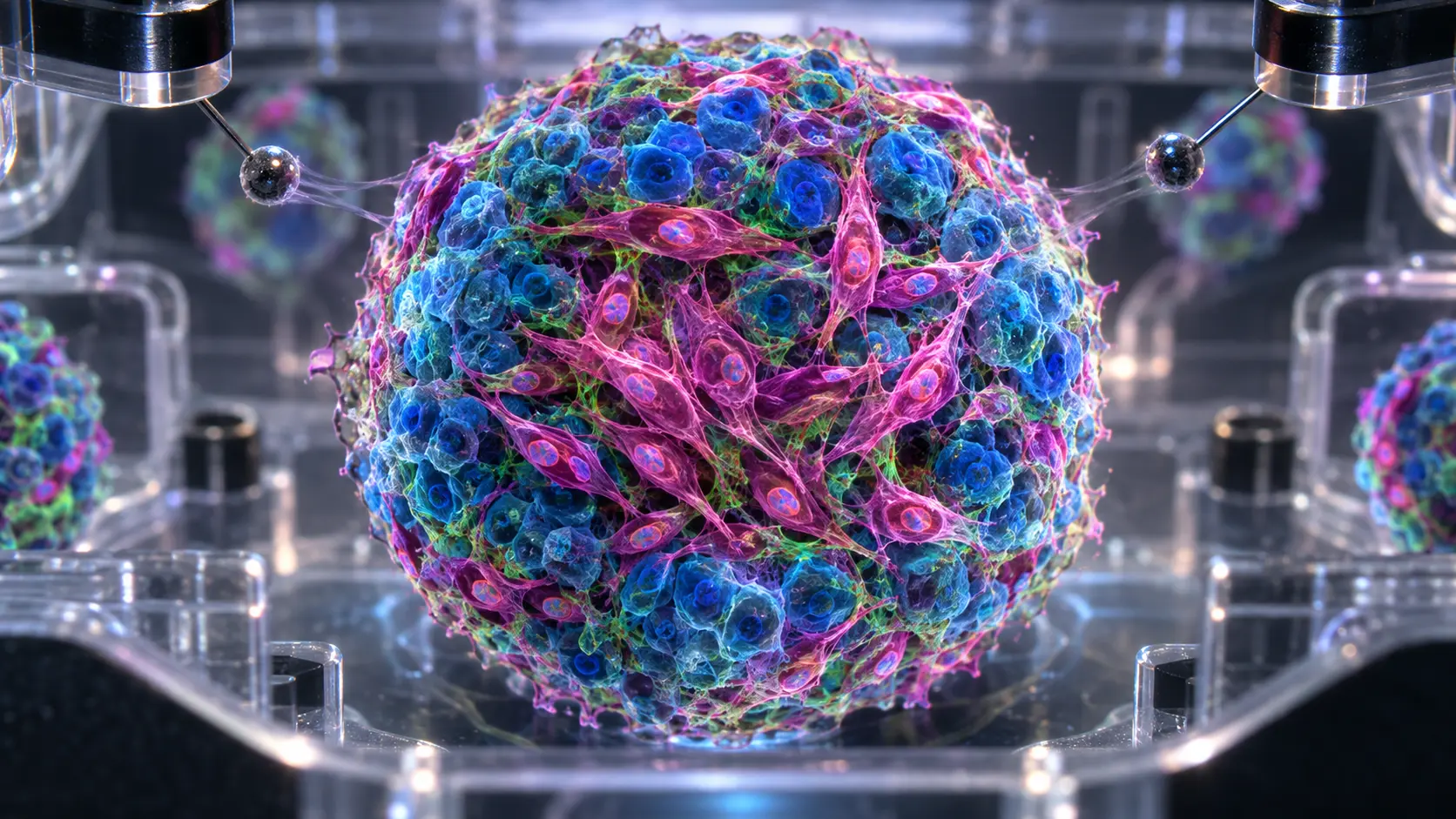
Cancer-associated fibroblasts (CAFs) are often found forming a peripheral stromal barrier around tumors. Here, this paradigm is challenged using microfabricated 3D cancer-CAF spheroid models combined with quantitative magnetic force tensiometry. A surface tension atlas is established for eight cancer cell lines, three CAF populations, and heterotypic tumor-CAF assemblies, spanning nearly two orders of magnitude. Surface tension is first shown to govern spheroid morphology and modulate drug respo

Continue reading
Health & Medicine

Controlled functionalization of cellulose nanocrystals directs polymer-specific protein coronas and immune cell interactions.

Polymer coatings are widely used to suppress nonspecific protein adsorption and modulate nanoparticle-cell interactions. However, the biological outcomes of polymer-functionalized nanoparticles remain difficult to predict in complex biological environments because protein corona formation rapidly alters nanoparticle identity. This challenge is particularly pronounced when hydrophobic moieties are incorporated for imaging or therapeutic applications, as they can promote nonspecific interactions a

Continue reading
Health & Medicine

Dynamic partitioning shapes the in vivo organization of the Escherichia coli RNA degradosome.

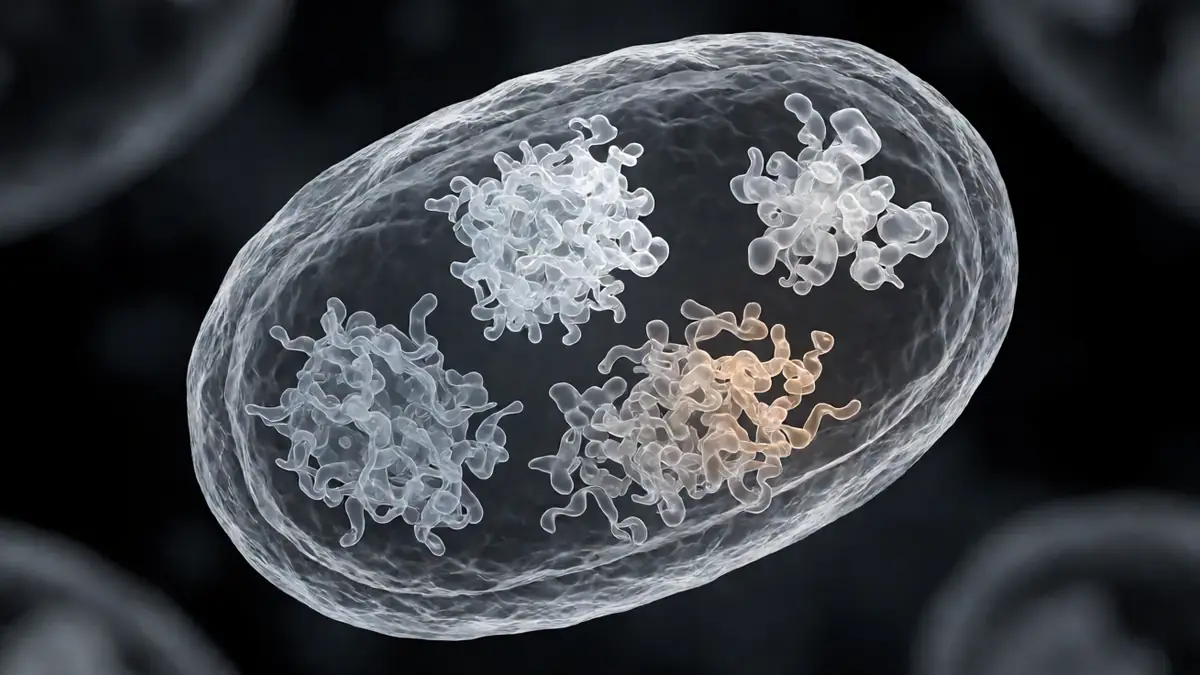
The bacterial RNA degradosome is a central mediator of RNA turnover, yet how its components are organized and regulated in living cells remains unclear. Using live-cell single-molecule imaging, we quantified the spatial distribution and dynamics of the four major Escherichia coli degradosome components: RNase E, RhlB, PNPase, and enolase. These proteins occupied distinct membrane-associated and cytoplasmic pools whose relative abundance varied among proteins and changed with physiological state.

Continue reading