Health & Medicine

Nutritional interventions' impacts on human milk: Three trials in low-resource settings.

| Source: Science (New York, N.Y.)

Human milk (HM) composition is variable to support changing infant needs and is influenced by maternal diet and health. We harmonized HM data from three randomized trials in Burkina Faso (MISAME-III), Pakistan (Mumta-LW), and Tanzania (ELICIT) within the International Milk Composition (IMiC) Consortium to test how maternal nutrition affects HM composition. Balanced energy-protein (BEP) supplements or nicotinamide given to lactating mothers increased milk B-vitamins, while macronutrients, oligosa

Human milk (HM) composition is variable to support changing infant needs and is influenced by maternal diet and health. We harmonized HM data from three randomized trials in Burkina Faso (MISAME-III), Pakistan (Mumta-LW), and Tanzania (ELICIT) within the International Milk Composition (IMiC) Consortium to test how maternal nutrition affects HM composition. Balanced energy-protein (BEP) supplements or nicotinamide given to lactating mothers increased milk B-vitamins, while macronutrients, oligosaccharides, bioactive proteins, and microbiome composition were physiologically buffered. Metabolomic and proteomic analyses revealed shifts in vitamin-related metabolites, triglyceride profiles, and intracellular protein representation. In a MISAME-III subset, maternal and infant blood showed concordant changes. Postnatal BEP improved infant growth only in the more undernourished cohort. Improved milk micronutrient quality across settings supports extending maternal supplementation into lactation.
Read the original source →

Related Stories

Health & Medicine

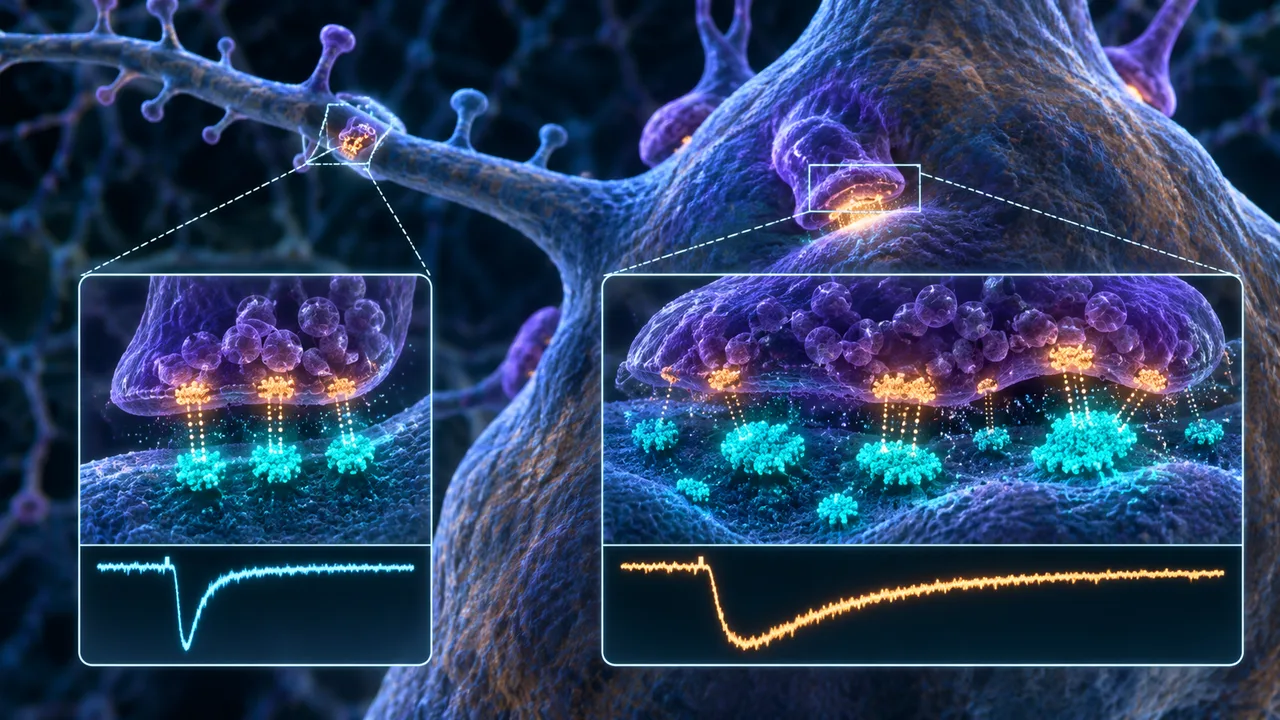
Distinct nanoscale architectures of GABAergic inhibitory synapses predict diverse synaptic output.

GABAergic synaptic inhibition is heterogenous across neuronal compartments, and plays a critical role in shaping local, cellular, and circuit excitability. In pyramidal neurons, inhibition is mediated by GABA A receptors (GABA A Rs) clustered at the inhibitory postsynaptic domain (iPSD). Synaptic strength depends not only on the number of GABA A Rs within the iPSD, but also on their precise nanoscale organization into discrete subsynaptic domains (SSDs). These SSDs often align with presynaptic G

Continue reading
Health & Medicine

Leptin Receptor + cells create a perisinusoidal niche for thrombopoiesis in the bone marrow by synthesizing CXCL14.

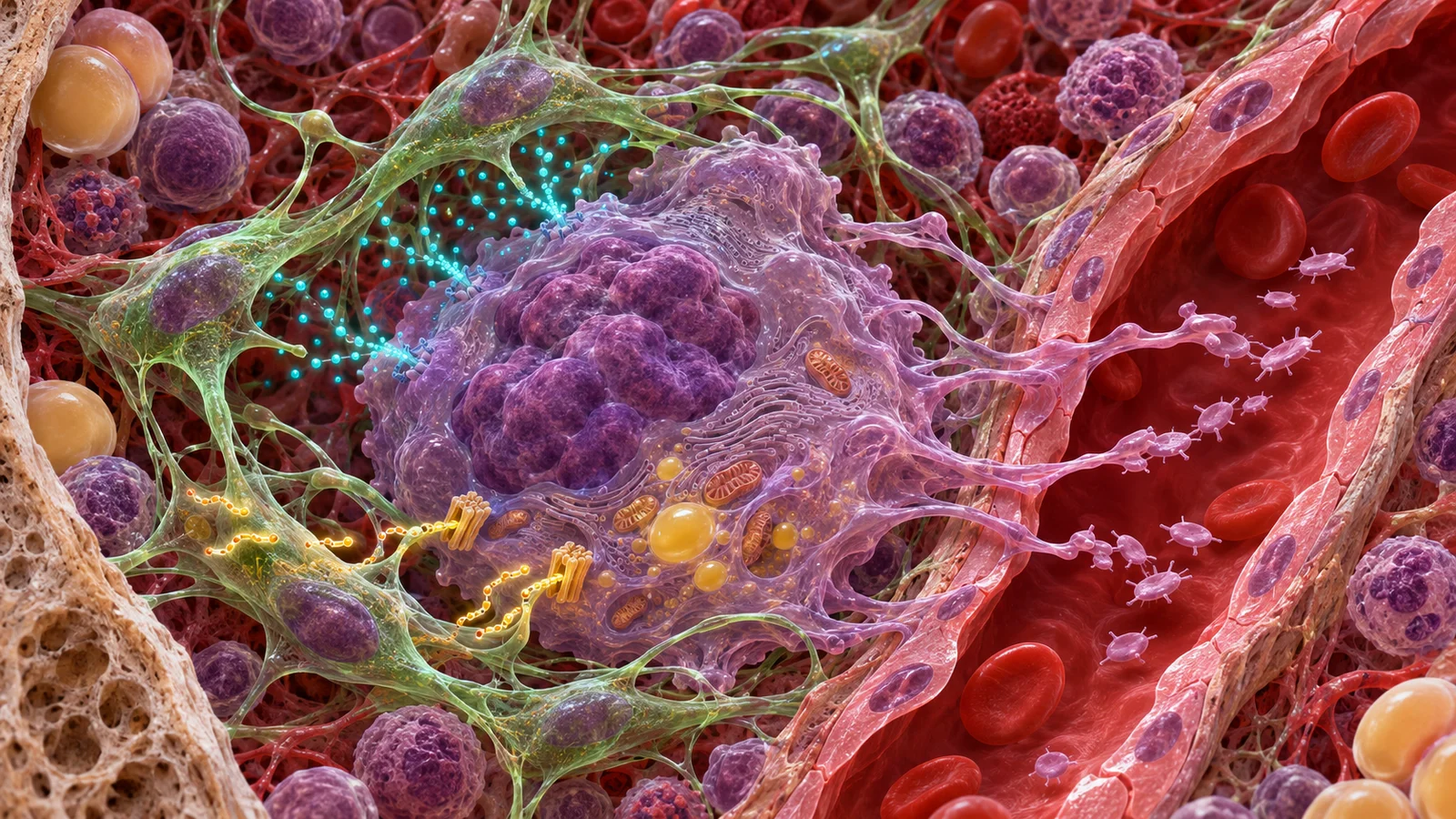
Leptin Receptor-expressing (LepR + ) stromal cells in the bone marrow are a critical source of growth factors for the maintenance of hematopoietic stem cells (HSCs) and most restricted hematopoietic progenitors. An important unresolved question is whether they also regulate terminal differentiation in some hematopoietic cells. We found that bone marrow LepR + cells promote thrombopoiesis by synthesizing the chemokine CXCL14. Cxcl14 -expressing LepR + cells extend fine processes that wrap around

Continue reading
Health & Medicine

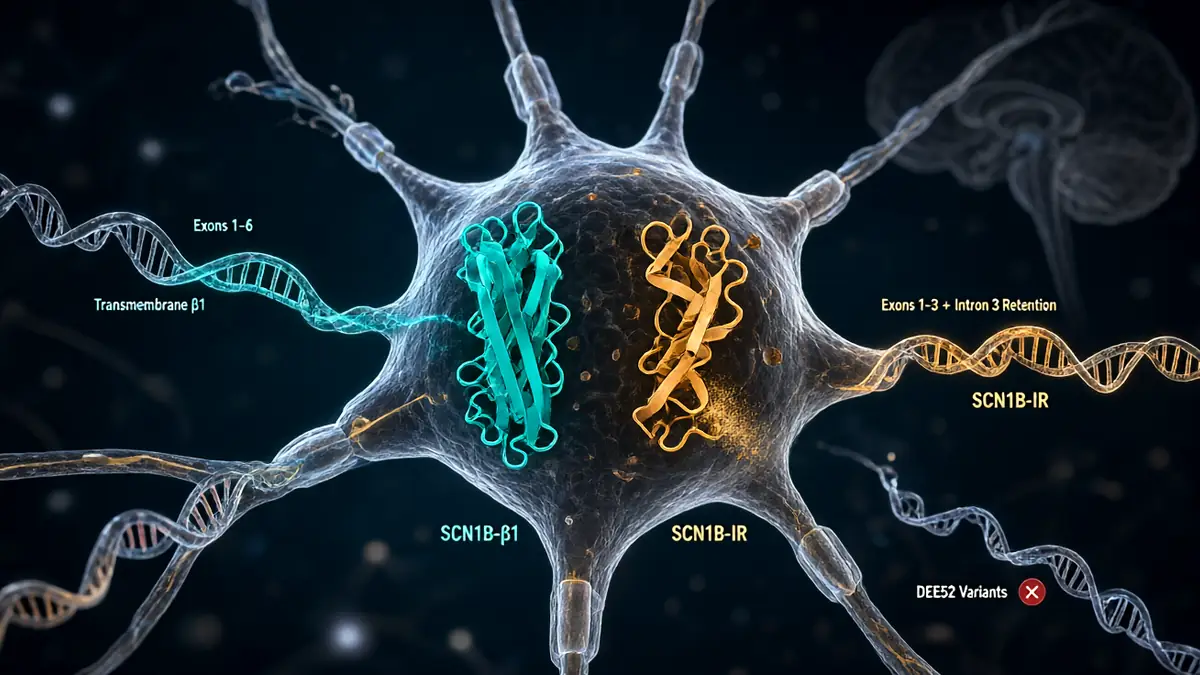
SCN1B intron 3 retention results in a nonsense-mediated decay-sensitive mRNA linked to developmental and epileptic encephalopathy.

Biallelic variants in the voltage-gated sodium channel (VGSC) gene SCN1B are linked to developmental and epileptic encephalopathy type 52 (DEE52). SCN1B encodes two isoforms: transmembrane β1, generated by all 6 coding exons, and β1B, generated by exons 1 to 3 followed by retention of intron 3 ( SCN1B -IR). Transmembrane β1 subunits are multifunctional proteins that regulate sodium current and channel cell-surface expression, participate in cell-cell and cell-matrix adhesion, a

Continue reading
Health & Medicine

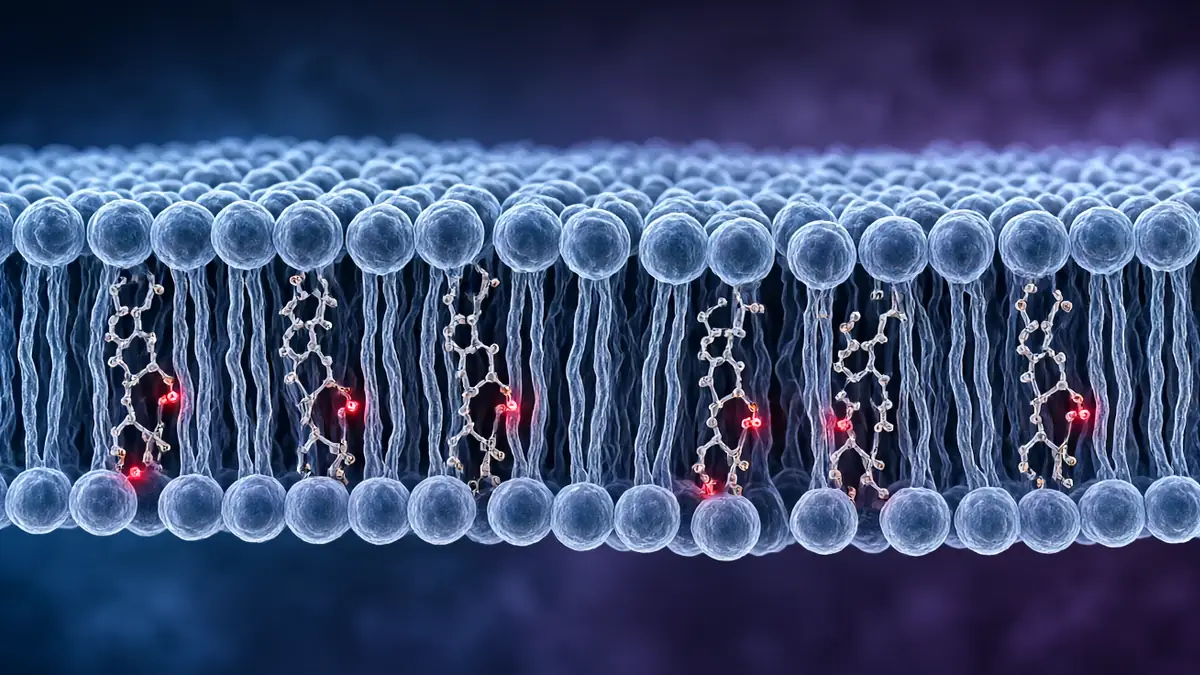
Anomeric configuration encodes mesophase preference of glucosylceramides in phospholipid membranes.

Glycosphingolipids are key components of the cell glycocalyx, yet the extent to which their anomeric configuration affects their membrane organization remains unclear. Glucosylceramide (GlcCer) exists as α- and β-anomers with distinct biological activities, while the biophysical basis for these differences is unknown. Here, using nitroxide spin-labeled analogs of α- and β-GlcCer, we examined how the glycosidic stereochemistry affects their partitioning in phospholipid bil

Continue reading
Health & Medicine

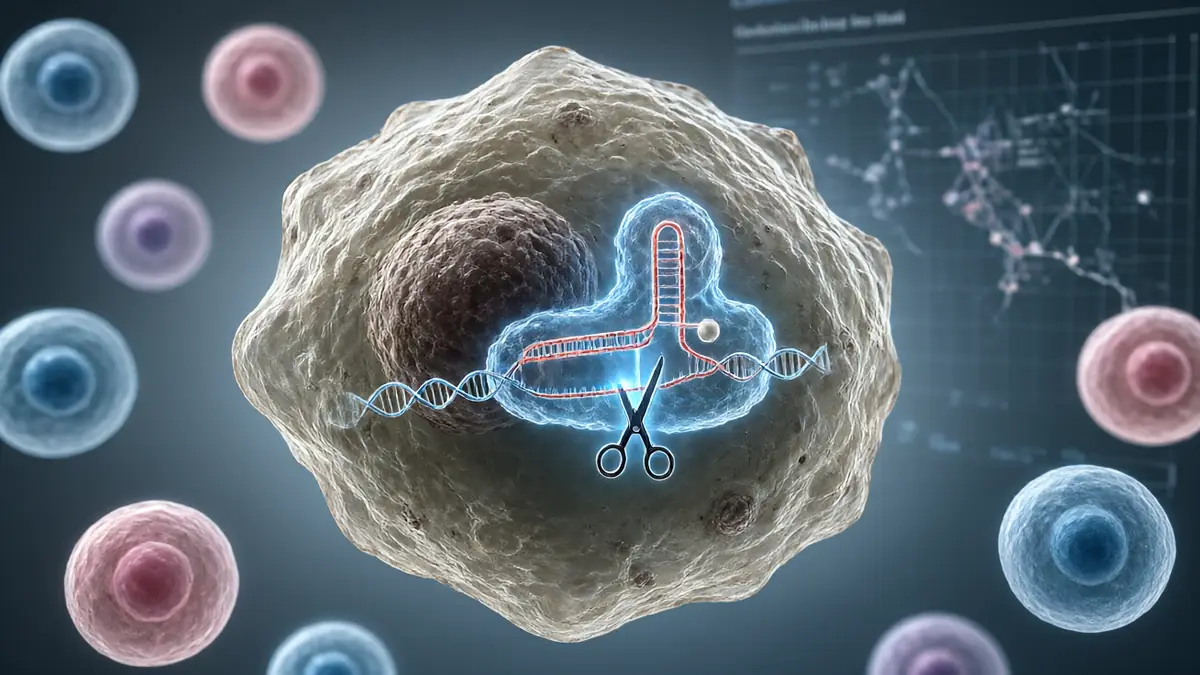
A genome-wide senescence synthetic lethality screen identifies PARP16 as a senolytic target.

Accumulation of senescent cells is increasingly viewed as a significant contributor to aging and age-related diseases. To date, the elimination of senescent cells through small molecule senolytic agents has largely relied on a limited number of repurposed agents, often leveraged from previous oncological applications. Here, we describe a CRISPR-based, genome-wide, synthetic lethal screen for senescent cells. From this screen, we identify a number of genes whose deletion appears to be well tolera

Continue reading