Health & Medicine

Multicenter characterization of enterocolitis associated with BCMA-directed CAR T cell therapy.

| Source: Nature medicine

Immune effector cell-associated enterocolitis (IEC-EC) is a delayed toxicity of ciltacabtagene autoleucel. The US Multiple Myeloma Immunotherapy Consortium retrospectively adjudicated 54 suspected cases from 8 institutions: 41 were IEC-EC (31 confirmed by anti-camelid variable heavy-chain immunohistochemistry, 10 probable). Through September 2025, cumulative incidence was 3.0% (39 of 1,308 ciltacabtagene autoleucel recipients; 95% CI 2.1-4.1%); 12-month competing-risk incidence was 3.0% (95% CI

Immune effector cell-associated enterocolitis (IEC-EC) is a delayed toxicity of ciltacabtagene autoleucel. The US Multiple Myeloma Immunotherapy Consortium retrospectively adjudicated 54 suspected cases from 8 institutions: 41 were IEC-EC (31 confirmed by anti-camelid variable heavy-chain immunohistochemistry, 10 probable). Through September 2025, cumulative incidence was 3.0% (39 of 1,308 ciltacabtagene autoleucel recipients; 95% CI 2.1-4.1%); 12-month competing-risk incidence was 3.0% (95% CI 2.1-4.1%). Median symptom onset was 75 days after infusion. Grade ≥3 diarrhea occurred in 85% (34 of 40 with diarrhea); 73% (30 of 41) required parenteral nutrition. Despite normal upper endoscopy in 41% (9 of 22), duodenal biopsies showed villous blunting, apoptotic bodies and a dense cytotoxic T cell infiltrate, CD4 + in 61% (19 of 31), CD8 + in 26% (8 of 31) and mixed in 13% (4 of 31). A dominant T cell clone was detected in 76% (13 of 17 tested). Delayed neurotoxicity co-occurred in 41% (17 of 41). At last follow-up, 32% (13 of 41) resolved, 27% (11 of 41) had ongoing symptoms and 41% (17 of 41) died with active IEC-EC. Combined biologic and T cell-directed therapy yielded the highest resolution (55%, 6 of 11) in small subgroups. IEC-EC is potentially fatal and requires systematic evaluation and early directed therapy.
Read the original source →

Related Stories

Health & Medicine

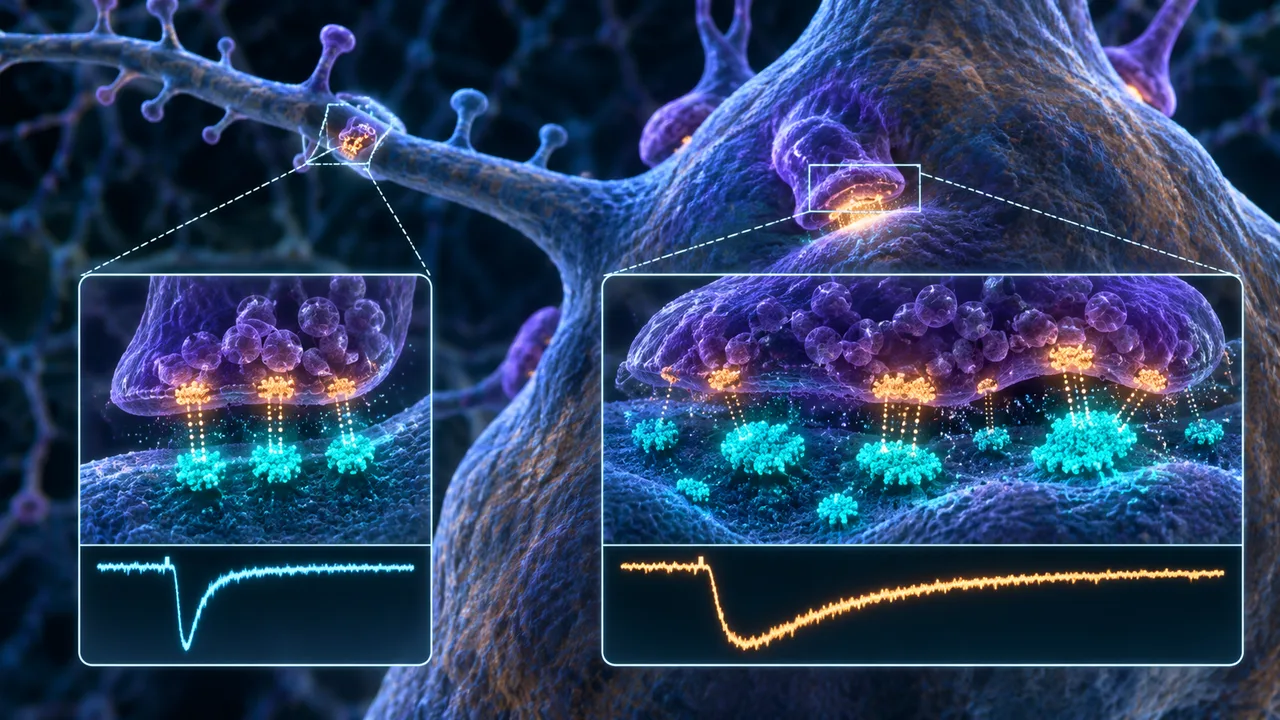
Distinct nanoscale architectures of GABAergic inhibitory synapses predict diverse synaptic output.

GABAergic synaptic inhibition is heterogenous across neuronal compartments, and plays a critical role in shaping local, cellular, and circuit excitability. In pyramidal neurons, inhibition is mediated by GABA A receptors (GABA A Rs) clustered at the inhibitory postsynaptic domain (iPSD). Synaptic strength depends not only on the number of GABA A Rs within the iPSD, but also on their precise nanoscale organization into discrete subsynaptic domains (SSDs). These SSDs often align with presynaptic G

Continue reading
Health & Medicine

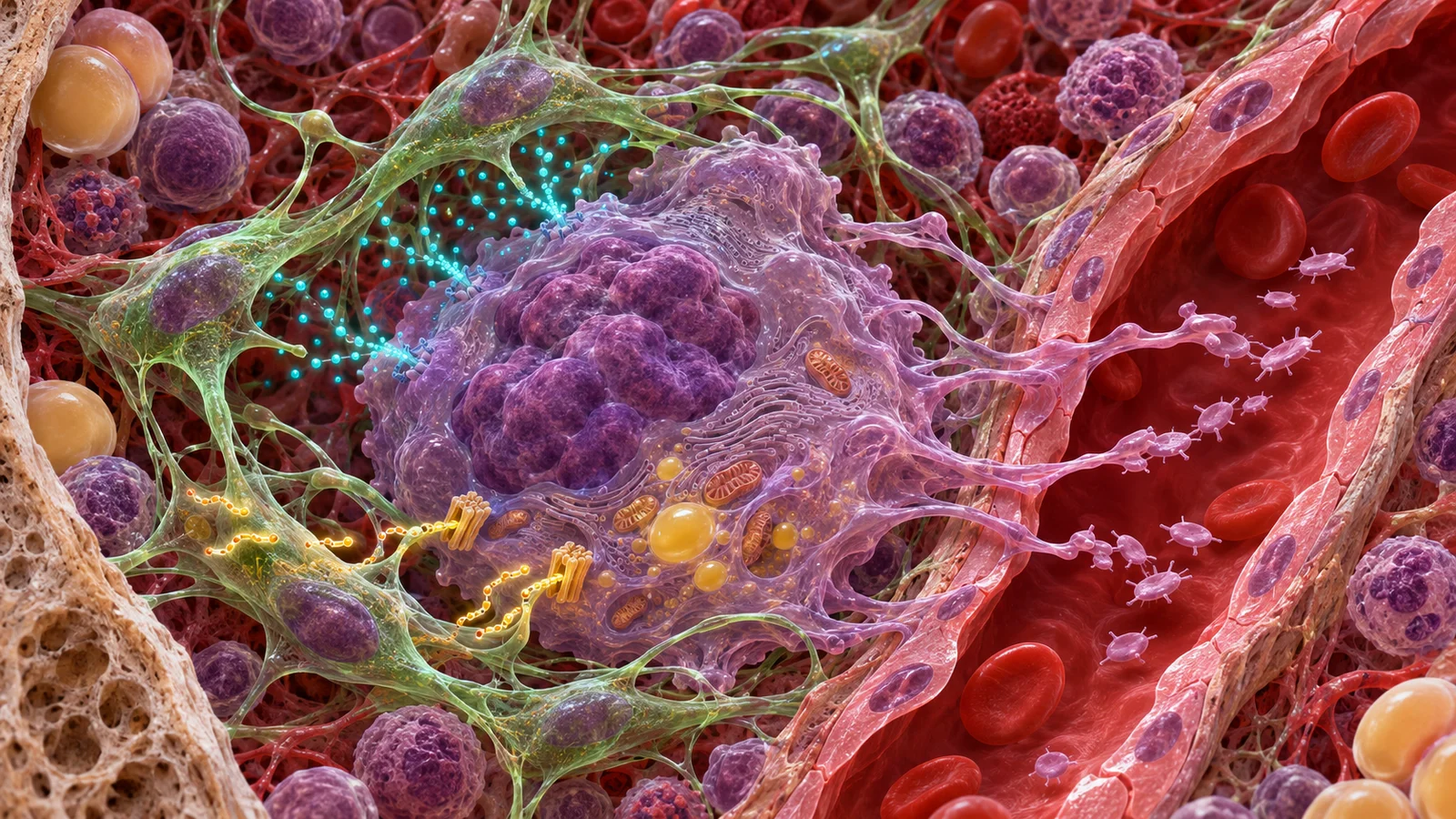
Leptin Receptor + cells create a perisinusoidal niche for thrombopoiesis in the bone marrow by synthesizing CXCL14.

Leptin Receptor-expressing (LepR + ) stromal cells in the bone marrow are a critical source of growth factors for the maintenance of hematopoietic stem cells (HSCs) and most restricted hematopoietic progenitors. An important unresolved question is whether they also regulate terminal differentiation in some hematopoietic cells. We found that bone marrow LepR + cells promote thrombopoiesis by synthesizing the chemokine CXCL14. Cxcl14 -expressing LepR + cells extend fine processes that wrap around

Continue reading
Health & Medicine

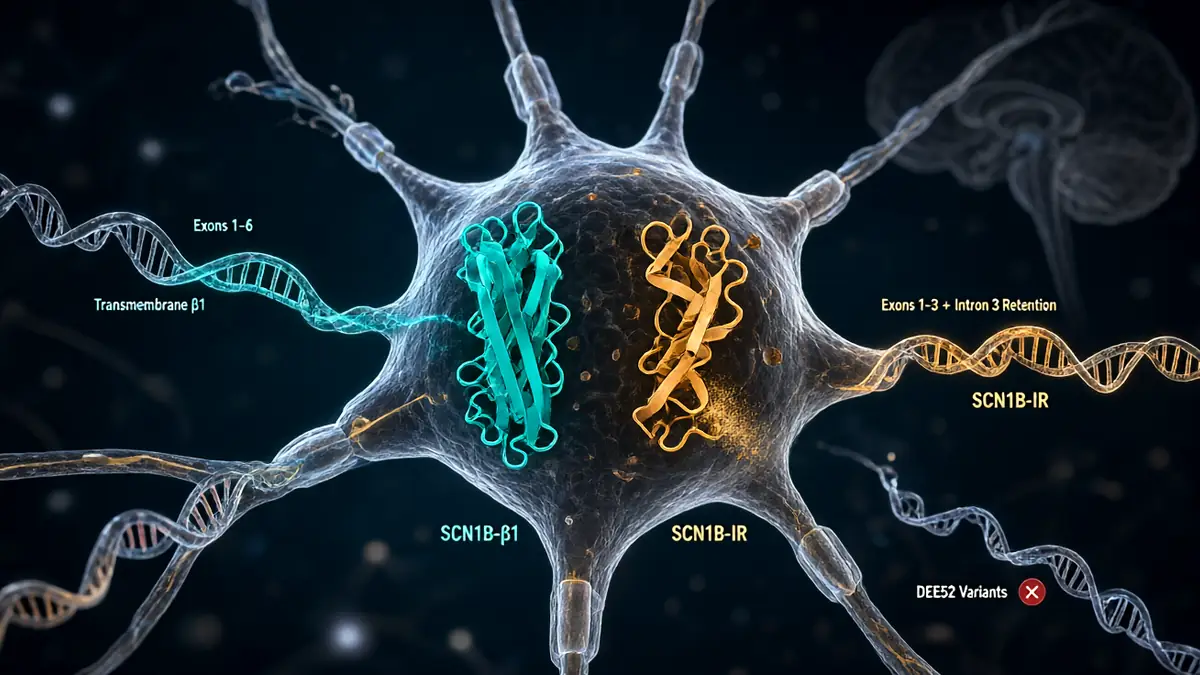
SCN1B intron 3 retention results in a nonsense-mediated decay-sensitive mRNA linked to developmental and epileptic encephalopathy.

Biallelic variants in the voltage-gated sodium channel (VGSC) gene SCN1B are linked to developmental and epileptic encephalopathy type 52 (DEE52). SCN1B encodes two isoforms: transmembrane β1, generated by all 6 coding exons, and β1B, generated by exons 1 to 3 followed by retention of intron 3 ( SCN1B -IR). Transmembrane β1 subunits are multifunctional proteins that regulate sodium current and channel cell-surface expression, participate in cell-cell and cell-matrix adhesion, a

Continue reading
Health & Medicine

Anomeric configuration encodes mesophase preference of glucosylceramides in phospholipid membranes.

Glycosphingolipids are key components of the cell glycocalyx, yet the extent to which their anomeric configuration affects their membrane organization remains unclear. Glucosylceramide (GlcCer) exists as α- and β-anomers with distinct biological activities, while the biophysical basis for these differences is unknown. Here, using nitroxide spin-labeled analogs of α- and β-GlcCer, we examined how the glycosidic stereochemistry affects their partitioning in phospholipid bil

Continue reading
Health & Medicine

A genome-wide senescence synthetic lethality screen identifies PARP16 as a senolytic target.

Accumulation of senescent cells is increasingly viewed as a significant contributor to aging and age-related diseases. To date, the elimination of senescent cells through small molecule senolytic agents has largely relied on a limited number of repurposed agents, often leveraged from previous oncological applications. Here, we describe a CRISPR-based, genome-wide, synthetic lethal screen for senescent cells. From this screen, we identify a number of genes whose deletion appears to be well tolera

Continue reading