Mitochondria-targeted tetraoxanes initiate lipid peroxidation to drive ferroptosis and tumor suppression.
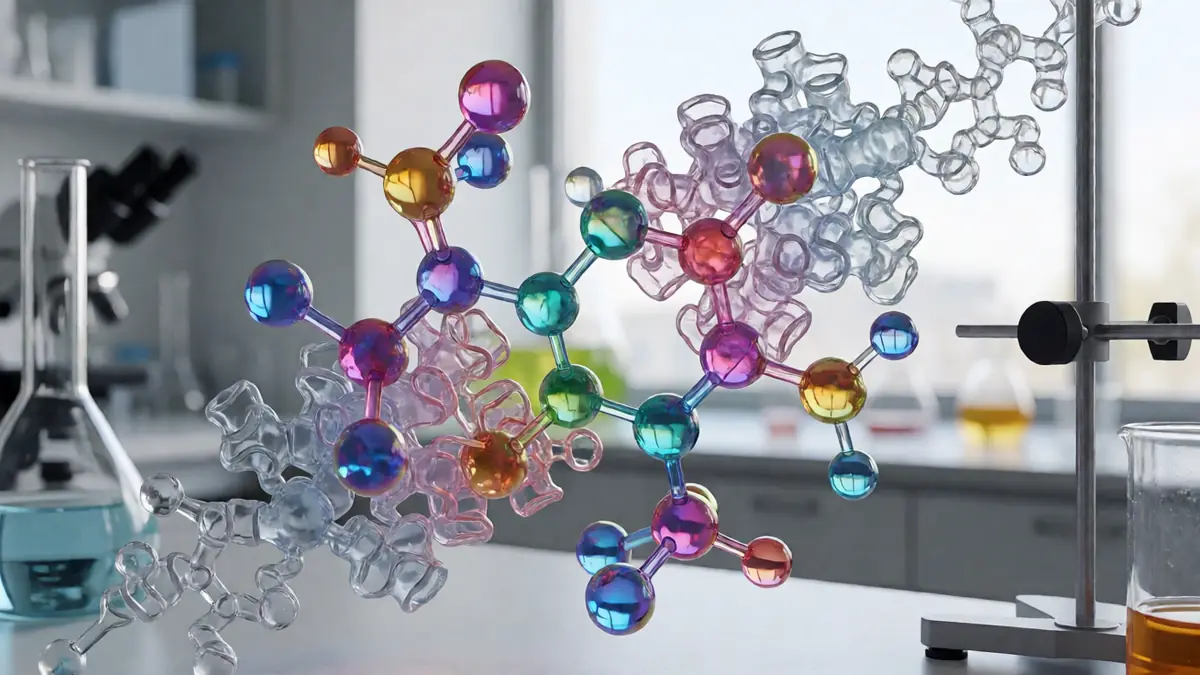
Ferroptosis is implicated as a vulnerability in multiple cancers, yet approaches for effectively inducing ferroptosis in vivo are limited. Bypassing conventional strategies targeting the antiferroptotic glutathione peroxidase 4 (GPX4) and ferroptosis suppressor protein 1 (FSP1) proteins, we designed metabolic initiators of lipid peroxidation (MILPOs) and developed the compounds WMK-1/2, which contain tetraoxane radical-generating and mitochondria-targeting groups, as de novo ferroptosis inducers
Ferroptosis is implicated as a vulnerability in multiple cancers, yet approaches for effectively inducing ferroptosis in vivo are limited. Bypassing conventional strategies targeting the antiferroptotic glutathione peroxidase 4 (GPX4) and ferroptosis suppressor protein 1 (FSP1) proteins, we designed metabolic initiators of lipid peroxidation (MILPOs) and developed the compounds WMK-1/2, which contain tetraoxane radical-generating and mitochondria-targeting groups, as de novo ferroptosis inducers. WMK-1 localizes primarily to mitochondria, induces local lipid peroxidation, and impairs oxidative phosphorylation. WMK-1 induces a "mito-ferroptosis" sub-pathway that skips GPX4 inhibition as a prerequisite, can be rescued by lipophilic radical-trapping antioxidants, yet is minimally sensitive to acyl-coenzyme A synthetase long-chain family member 4 (ACSL4) perturbation and long-chain polyunsaturated fatty acid (PUFA) supplementation, and evades retinol-mediated protection. Instead, WMK-1-induced cell death requires labile Fe 2+ and can be selectively suppressed by ɑ-lipoic acid, an endogenous, mitochondria-resident antioxidant. WMK-1/2 are bioavailable and exhibit significant efficacy in tumor suppression by eliciting ferroptosis in multiple cancer models and augmenting the antitumor effects of immune-checkpoint blockers. Our work provides a protein-targeting-independent metabolic ferroptosis induction strategy for potential cancer therapy.