Health & Medicine

Long-term outcomes after percutaneous coronary intervention with drug-eluting stents versus coronary artery bypass grafting for left main coronary artery disease: a prospective analysis of the multice

| Source: Lancet (London, England)

Percutaneous coronary intervention (PCI) with drug-eluting stents has been widely used to treat patients with left main coronary artery disease; however, long-term comparative outcomes versus coronary artery bypass grafting (CABG) in real-world populations remain poorly characterised. We aimed to compare long-term all-cause mortality after PCI or CABG in Asian patients with unprotected left main coronary artery disease. We analysed prospectively collected data from the multicentre IRIS-MAIN regi

Percutaneous coronary intervention (PCI) with drug-eluting stents has been widely used to treat patients with left main coronary artery disease; however, long-term comparative outcomes versus coronary artery bypass grafting (CABG) in real-world populations remain poorly characterised. We aimed to compare long-term all-cause mortality after PCI or CABG in Asian patients with unprotected left main coronary artery disease. We analysed prospectively collected data from the multicentre IRIS-MAIN registry, conducted at 46 hospitals in South Korea, India, Japan, Indonesia, and Malaysia. The registry enrolled adults aged 18 years or older with unprotected left main coronary artery disease (defined as a stenosis diameter of ≥50% as visually estimated on angiography), who had been treated with PCI, CABG, or medical therapy alone. The primary outcome was all-cause mortality. We used a target trial emulation framework to compare the long-term risk of all-cause mortality between PCI with drug-eluting stents and isolated CABG. We used propensity-score overlap weighting to adjust for measured baseline covariates. The IRIS-MAIN Registry study is registered with ClinicalTrials.gov (NCT01341327). Between Jan 1, 2003, and Dec 31, 2024, 6900 patients were enrolled in the IRIS-MAIN registry, of whom 5379 (78·0%) underwent coronary revascularisation through either PCI with drug-eluting stents (3836 [71·3%]) or CABG (1543 [28·7%]) and were included in the analysis. The median duration of follow-up for all patients was 10·0 years (IQR 5·0-16·7). In the overlap-weighted population, no statistically detectable difference in 10-year weighted Kaplan-Meier rates of all-cause mortality was observed between PCI and CABG (24·0% vs 22·9%; overlap-weighted hazard ratio 1·00 [95% CI 0·87-1·14]; p=0·99). The confidence interval does not exclude a mortality benefit or harm with either strategy. In this non-randomised registry analysis of patients with left main coronary artery disease, there was no statistically detectable difference in all-cause mortality between PCI and CABG. For patients considered suitable for either strategy, multidisciplinary Heart Team discussion might help patients and clinicians weigh potential trade-offs in the choice between PCI and CABG. These findings are observational and cannot establish causal treatment effects or equivalence in survival. The CardioVascular Research Foundation (South Korea).
Read the original source →

Related Stories

Health & Medicine

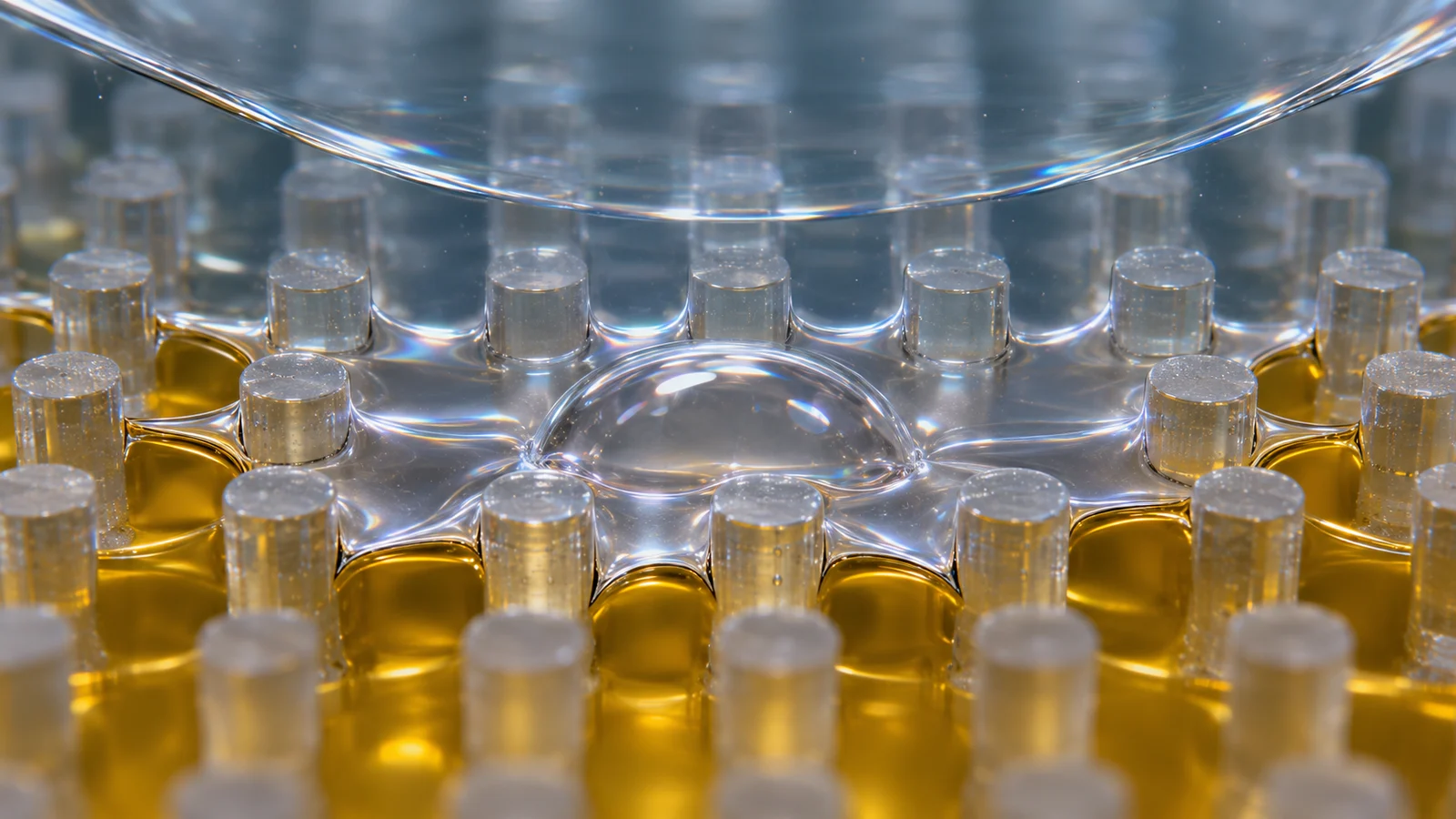
Spontaneous gas film expansion at an oil-water interface.

Spontaneous interfacial separation of oil and water, by inserting a gas film between the two liquids, is thermodynamically unfavorable because the oil-water interface is replaced by oil-gas and water-gas interfaces with a higher combined interfacial energy. Here, we demonstrate that microstructural confinement enables this transition after bubble introduction through the coupling of wetting, capillarity, and gas transport. Spontaneous oil imbibition into a water-submerged micropillar array, toge

Continue reading
Health & Medicine

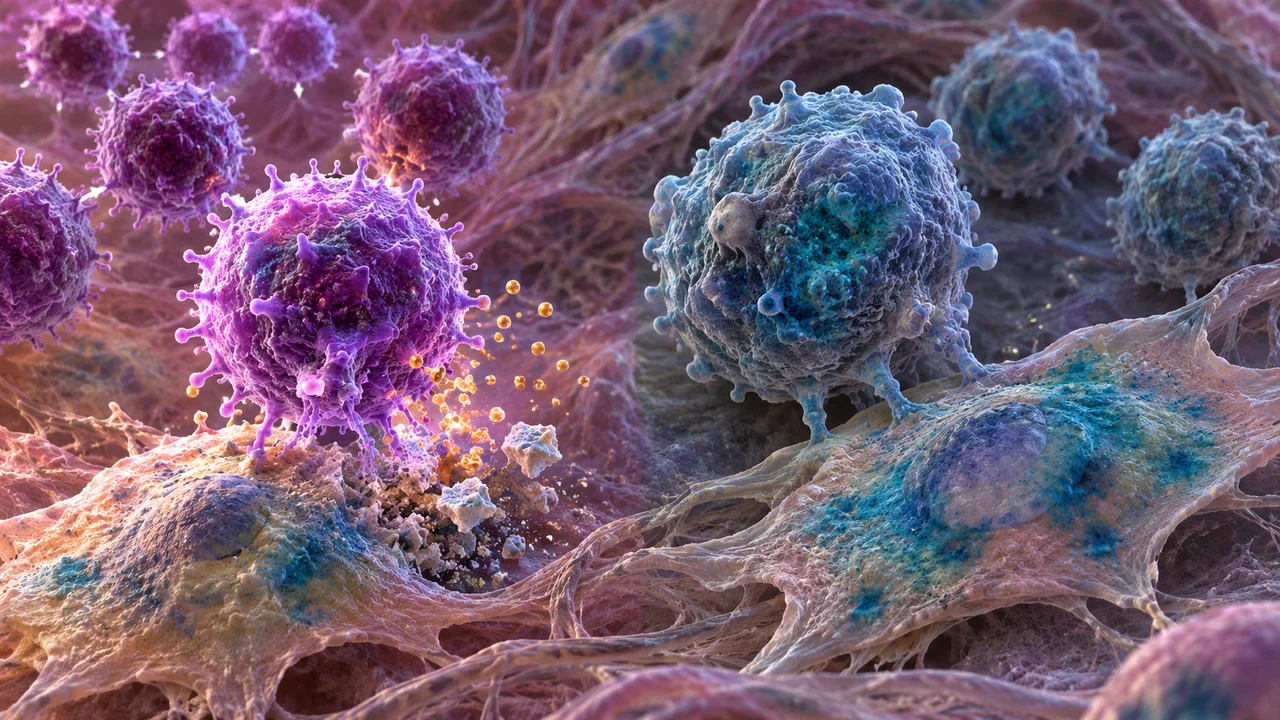
Senescent CD8 T effector memory cells are functionally impaired, enriched in aging and disease, and a barrier to immunotherapy.

Senescent cells play important roles in various biological processes that promote fitness and health; however, their timely elimination by immune cells is critical to maintain tissue homeostasis and prevent disease. Despite this, senescent cells accumulate systemically with age, suggesting that certain immune cells also become senescent and dysfunctional during aging. In support of this, we previously demonstrated that CD8 T cells, immune cells capable of targeting senescent cells, increasingly

Continue reading
Health & Medicine

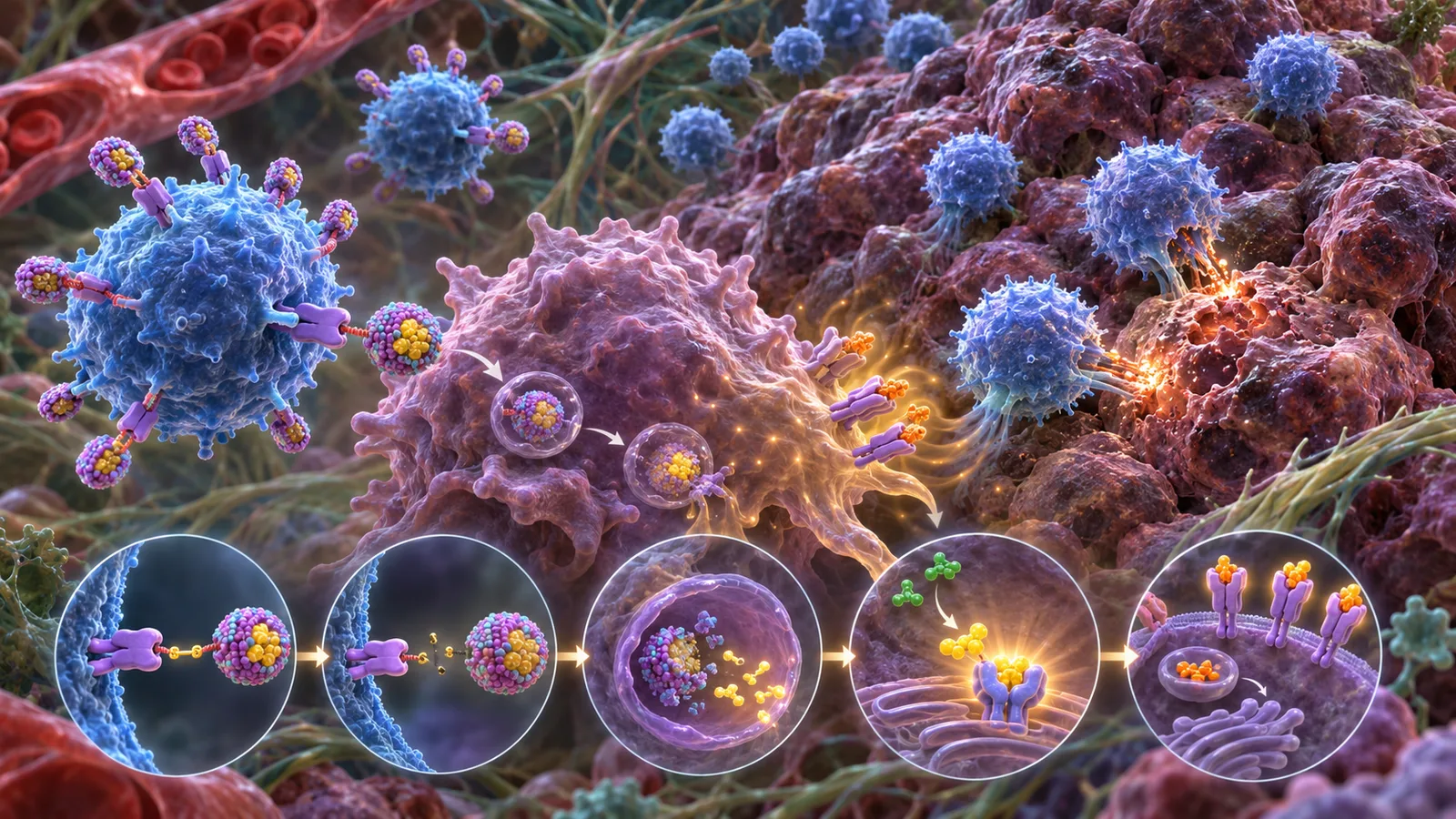
Engineered T cell-agonist chimera for logic-gated STING activation and augmented cancer immunotherapy.

The efficacy of adoptive T cell therapy against solid tumors is markedly hindered by the immunosuppressive microenvironment. Here, we demonstrate that stimulator of interferon genes (STING) activation in tumor-associated macrophages (TAM) enhances the intratumoral infiltration and cytotoxicity of adoptive T cells. We next design a TAM-targeted nanoagonist and engineer a T cell - agonist chimera (SNTC) via covalent surface anchoring, to achieve synchronized biodistribution of STING agonist with a

Continue reading
Health & Medicine

An innervated and vascularized HNSCC-on-a-chip model built on defined and tunable engineered extracellular matrices.

Understanding the tumor microenvironment requires experimental platforms that faithfully recapitulate its key components. Here, we present an innervated and vascularized head and neck squamous cell carcinoma (HNSCC)-on-a-chip platform built with fully defined and tunable engineered extracellular matrices (eECMs). In a stepwise increase of complexity, we first cocultured patient-derived HNSCC cells, cancer-associated fibroblasts, and endothelial cells within tailored eECMs, revealing extracellula

Continue reading
Health & Medicine

Septin binding restricts Shigella growth and triggers intracellular tolerance.

Pathogen survival relies on their ability to adapt to changing environments, yet how intracellular bacteria tolerate cell-autonomous immunity remains unclear. Septins assemble into cage-like structures around cytoplasmic Shigella targeted by autophagy, but their antibacterial activity was unknown. Using advanced microscopy and cell-free reconstitution, we show that septins polymerize into circumferentially oriented filaments that inhibit bacterial growth. RNA-sequencing reveals that septin bindi

Continue reading