Live-cell transcriptomics with engineered virus-like particles.
Transcriptomic profiling is widely applied to characterize cellular gene expression, yet existing approaches lyse cells and preclude direct analysis of transcriptional dynamics in the same sample over time. We addressed this limitation by engineering mammalian cells to "self-report" their transcriptional states via mRNA export in virus-like particles (VLPs). Repeated sampling of culture media from VLP-producing cell populations faithfully captured evolving transcriptional states in complex biolo
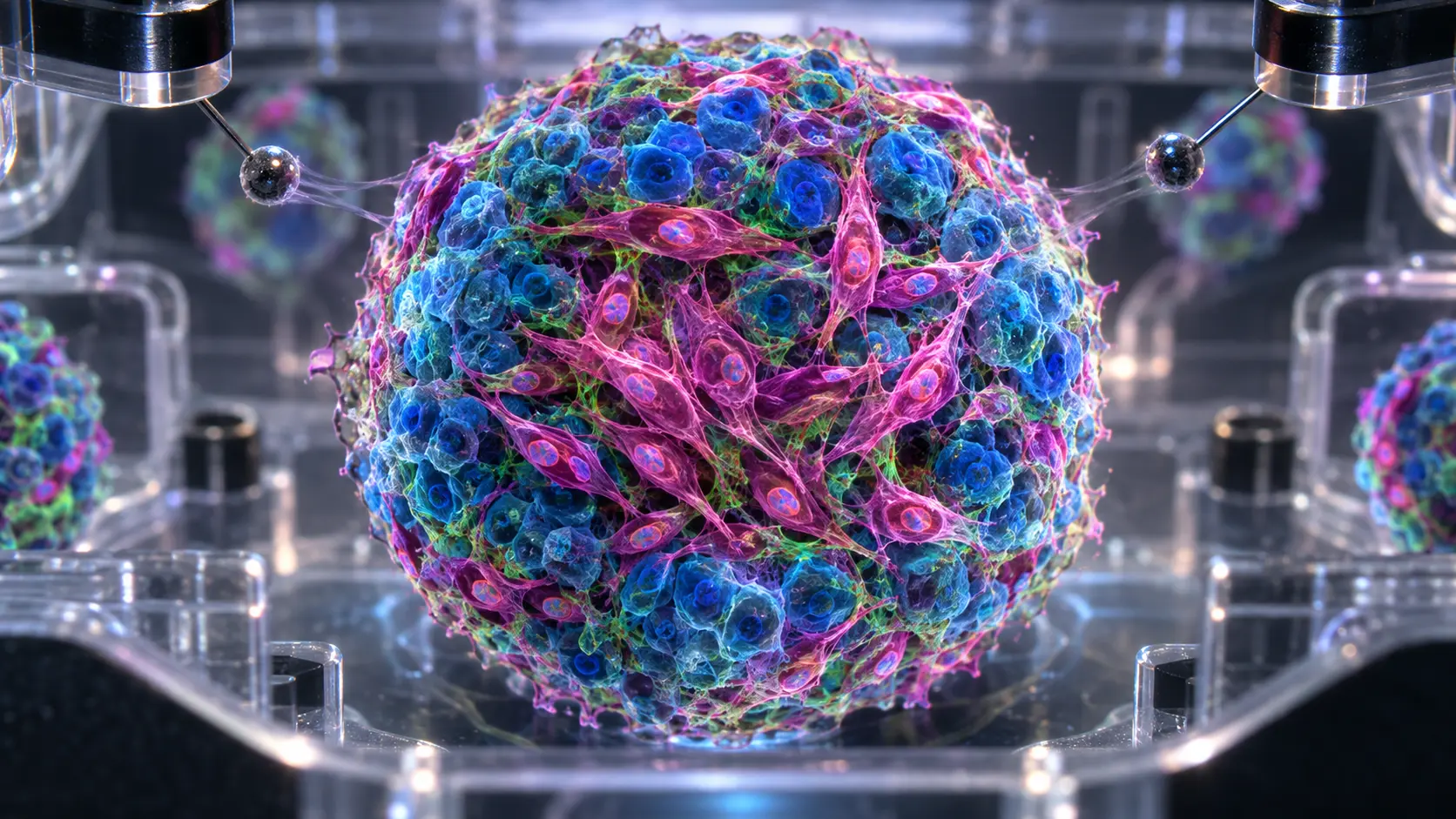
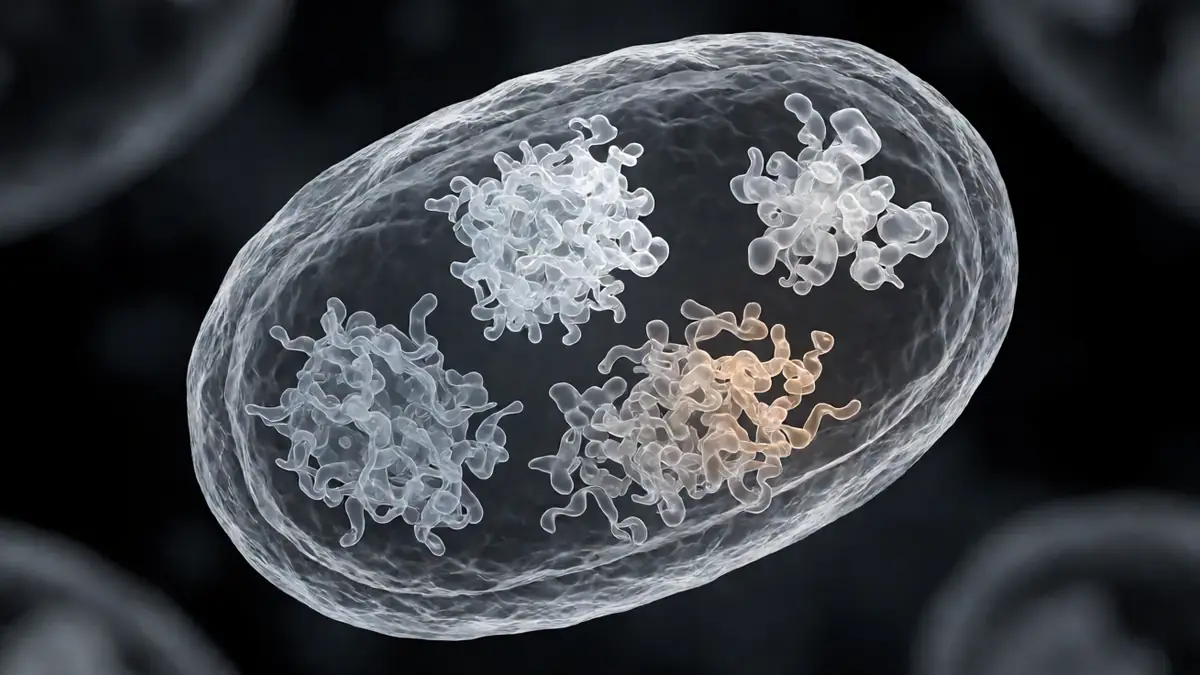
Transcriptomic profiling is widely applied to characterize cellular gene expression, yet existing approaches lyse cells and preclude direct analysis of transcriptional dynamics in the same sample over time. We addressed this limitation by engineering mammalian cells to "self-report" their transcriptional states via mRNA export in virus-like particles (VLPs). Repeated sampling of culture media from VLP-producing cell populations faithfully captured evolving transcriptional states in complex biological settings, including acute inflammatory stimulation of primary cell spheroids and multi-day differentiation of pluripotent stem cells. We engineered VLP components for multiplexed readouts from distinct cell types in co-culture and for tuning self-reported RNA profiles. Finally, we demonstrated the unique utility of self-reporting for selective longitudinal tracking of endothelial cell dynamics within the enclosed architecture of a microphysiological co-culture system to identify perivascular stroma-dependent temporal gene programs underlying vasculogenesis. Altogether, this work establishes cellular self-reporting as a broadly enabling technology for live-cell transcriptome-wide gene expression profiling.