Health & Medicine

Lenacapavir binding to immature Gag induces giant virions and causes protease-dependent inhibition of viral release
| Source: PNAS

Lenacapavir (LEN), a potent capsid inhibitor, suppresses reverse transcription and nuclear import by disrupting capsid core formation in HIV type 1 (HIV-1). However, its effects on late-stage viral assembly remain unclear. Although p24 ELISA suggested that LEN substantially inhibited HIV-1, both RT-dPCR and Vpr-HiBiT assays indicated that suppression of viral release required relatively high LEN concentrations. This discrepancy was attributed to LEN-induced reduction in p24 solubility, leading t

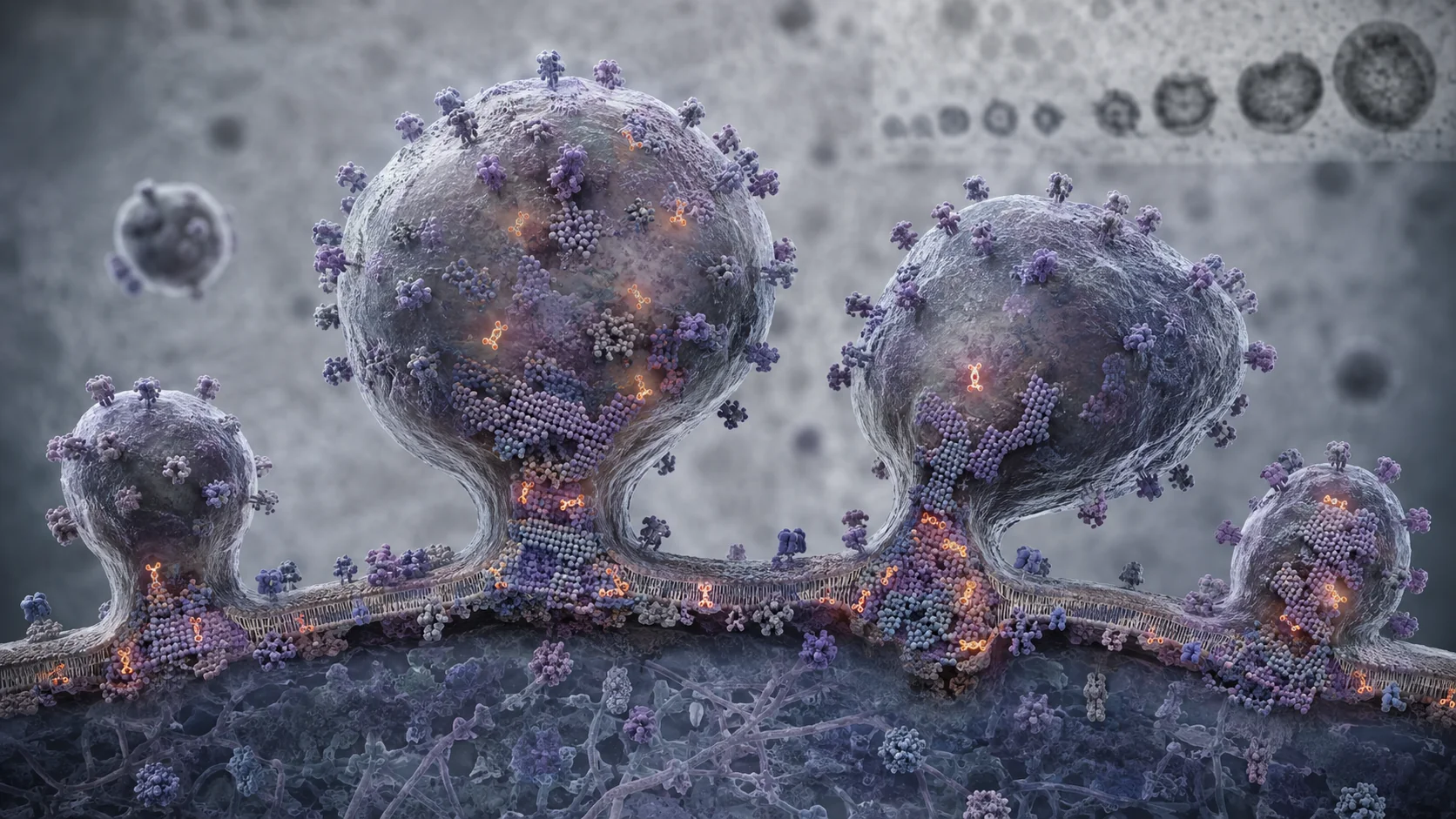
Lenacapavir (LEN), a potent capsid inhibitor, suppresses reverse transcription and nuclear import by disrupting capsid core formation in HIV type 1 (HIV-1). However, its effects on late-stage viral assembly remain unclear. Although p24 ELISA suggested that LEN substantially inhibited HIV-1, both RT-dPCR and Vpr-HiBiT assays indicated that suppression of viral release required relatively high LEN concentrations. This discrepancy was attributed to LEN-induced reduction in p24 solubility, leading to an overestimation of its inhibitory effect on viral release. In addition, excessive intracellular Gag processing by the viral protease was observed in the presence of LEN, which contributed to impaired viral release. Furthermore, LEN induced numerous abnormal, discrete clusters of Gag at the plasma membrane. Using mass photometry, which was applied to analyze HIV-1 particle sizes, and transmission electron microscopy, we identified heterogeneous LEN-induced viral-like particles (LENiVLPs; diameter >200 nm) containing both Gag and Env proteins. Although LENiVLPs retained membrane fusion capability, they were noninfectious owing to postentry defects that prevented viral replication. Thus, LEN binds to the precursor Gag and promotes aberrant particle formation, offering insights that could guide the development of next-generation LEN-based therapeutics targeting the late stages of the viral life cycle.

Read the original source →

Related Stories

Health & Medicine

An innervated and vascularized HNSCC-on-a-chip model built on defined and tunable engineered extracellular matrices.

Understanding the tumor microenvironment requires experimental platforms that faithfully recapitulate its key components. Here, we present an innervated and vascularized head and neck squamous cell carcinoma (HNSCC)-on-a-chip platform built with fully defined and tunable engineered extracellular matrices (eECMs). In a stepwise increase of complexity, we first cocultured patient-derived HNSCC cells, cancer-associated fibroblasts, and endothelial cells within tailored eECMs, revealing extracellula

Continue reading
Health & Medicine

Septin binding restricts Shigella growth and triggers intracellular tolerance.

Pathogen survival relies on their ability to adapt to changing environments, yet how intracellular bacteria tolerate cell-autonomous immunity remains unclear. Septins assemble into cage-like structures around cytoplasmic Shigella targeted by autophagy, but their antibacterial activity was unknown. Using advanced microscopy and cell-free reconstitution, we show that septins polymerize into circumferentially oriented filaments that inhibit bacterial growth. RNA-sequencing reveals that septin bindi

Continue reading
Health & Medicine

DCAF6 reprograms TGF-β responses through TRIM33 destruction.

TGF-β signaling plays a pivotal role in regulating numerous cellular processes, primarily through the Smad-dependent pathway. Disruptions of the pathway are associated with developmental disorders and life-threatening diseases, such as cancer. It has been reported that TRIM33 inactivates Smad4 signaling and also drives its own signaling responses. However, the mechanism controlling TRIM33 activity has remained unclear. In this study, we identify DCAF6 as a previously unrecognized ubiquitin

Continue reading
Health & Medicine

Stimulated protein degradation to promote mitochondrial function and neuronal survival.

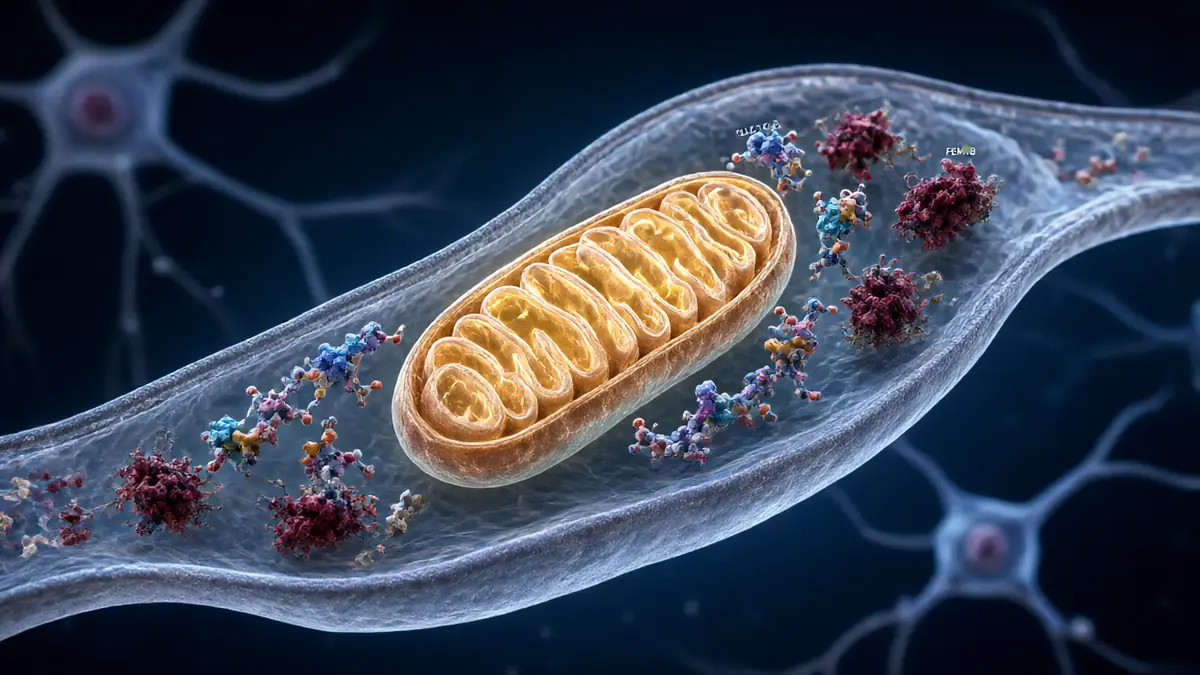
Targeted protein degradation is a promising modality to treat cancer or inflammation, but whether it can provide a similar benefit for disorders caused by pervasive protein dysregulation is unclear. We describe stimulated protein degradation (SPD) as a strategy that leverages agonists of stress-responsive E3 ubiquitin ligases to simultaneously eliminate multiple pathogenic factors. Specifically, we show that activators of the reductive stress response E3 CUL2 FEM1B boost degradation of multiple

Continue reading
Health & Medicine

Spatial coordination in the codevelopment of the human urogenital system during organogenesis.

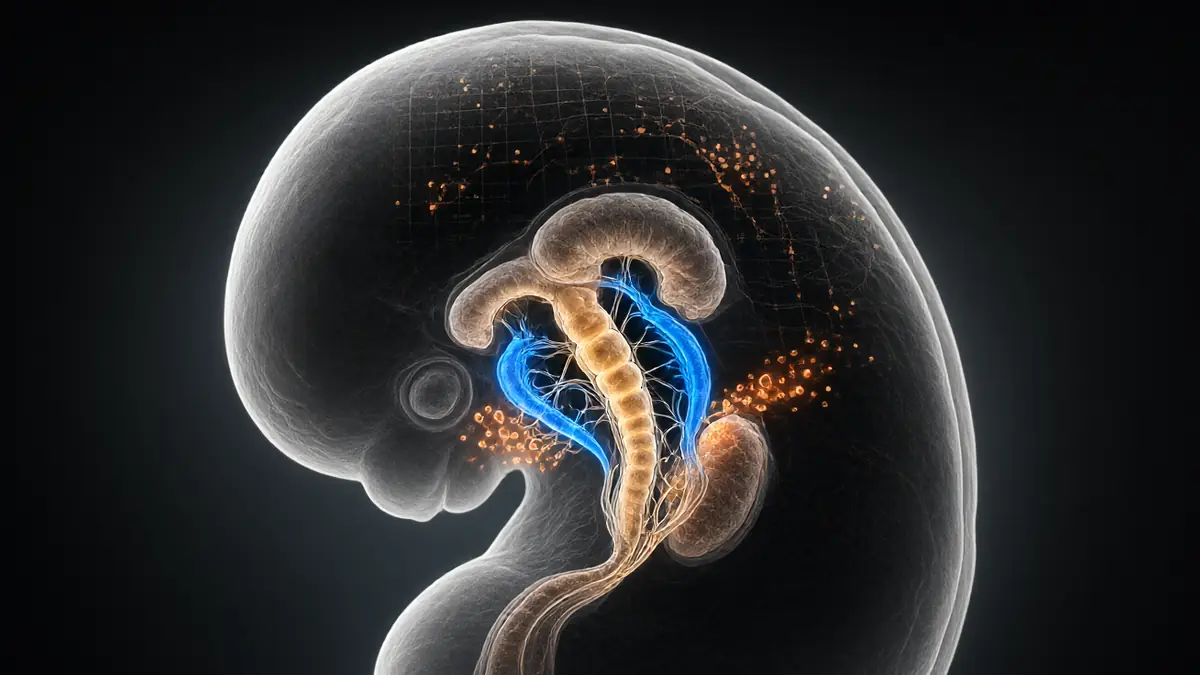
The human urogenital system originates from a common embryonic domain, yet the mechanisms guiding its spatiotemporal coordination remain understudied. Here, we combined high-resolution spatial transcriptomics with single-cell multiomics to profile human embryos from Carnegie stages 15 to 23, capturing the codevelopmental dynamics of the urogenital system. We revealed mesonephros- and adrenal primordium-derived signals that promote gonadal specification and enable efficient in vitro generation of

Continue reading