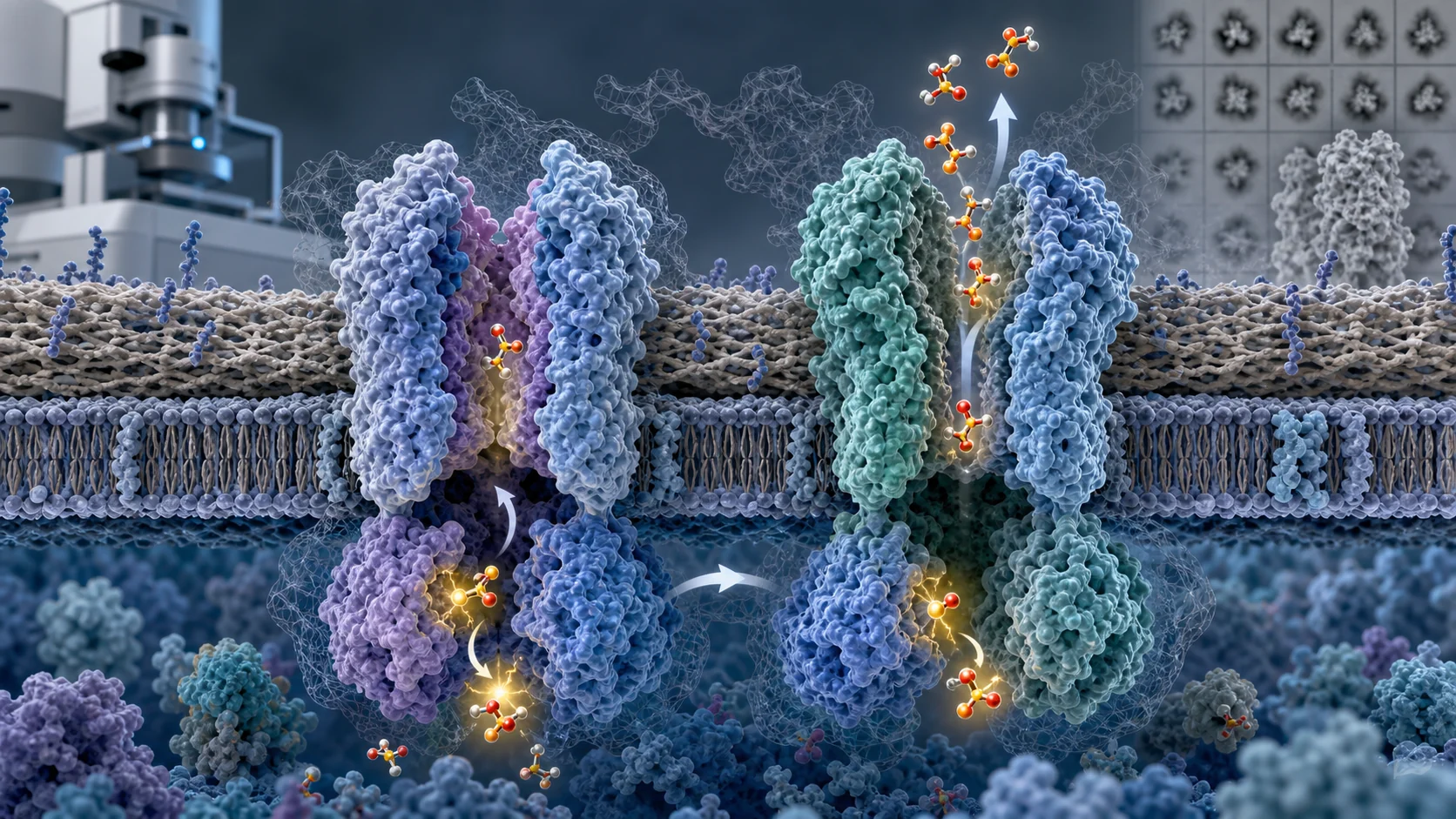
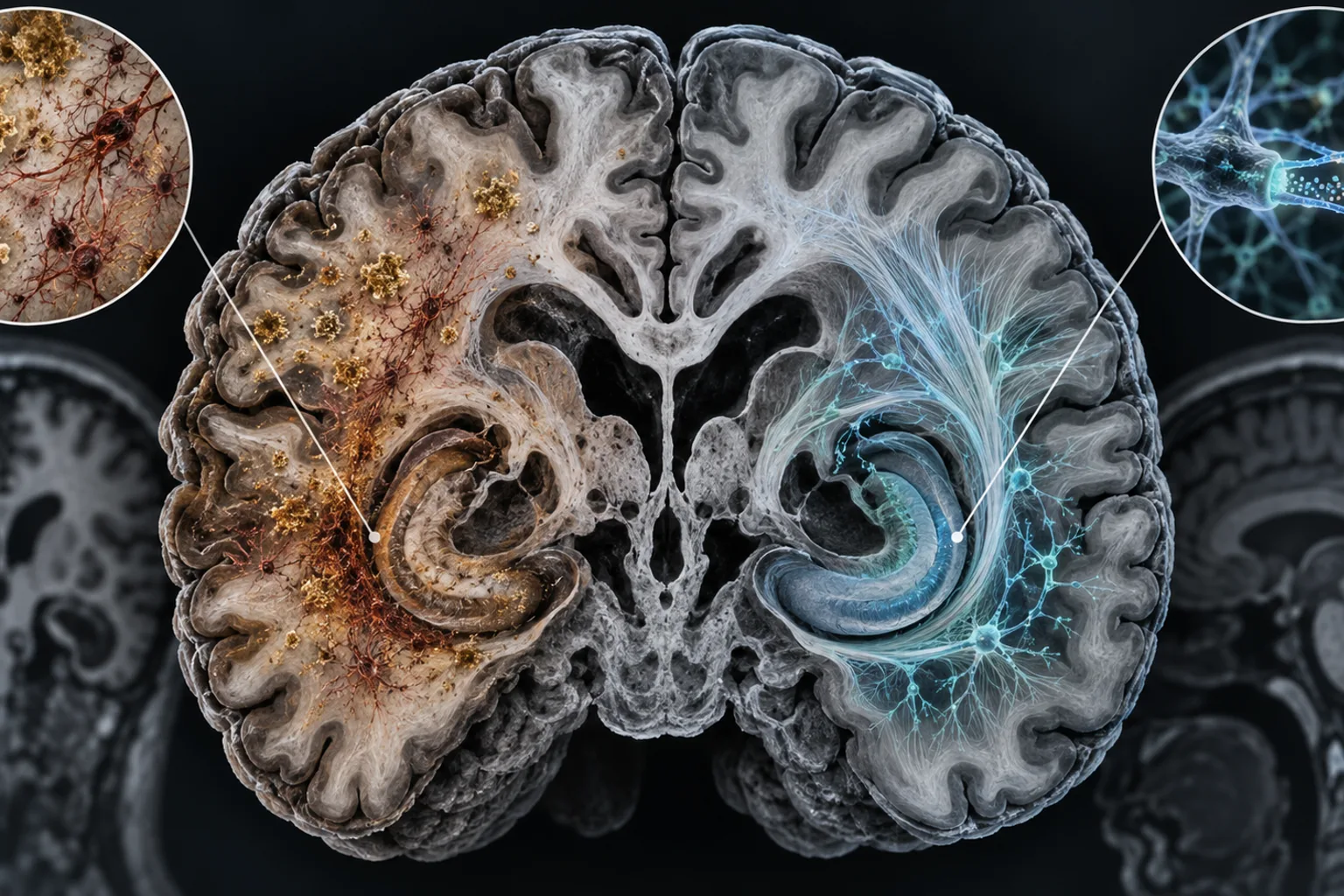
Joint impact of pathological burden and cognitive resilience on Alzheimer's disease risk.
Alzheimer's disease (AD) is conventionally framed as a consequence of progressive amyloid-β and tau pathology, yet substantial heterogeneity in cognitive outcome at any given level of pathological burden indicates that cognitive resilience constitutes a parallel determinant of disease risk. Here we test whether pathology and resilience function as independent and synergistic dimensions of incident AD dementia. In 3,119 older adults from the China Cognition and Aging Study, followed for a m
Alzheimer's disease (AD) is conventionally framed as a consequence of progressive amyloid-β and tau pathology, yet substantial heterogeneity in cognitive outcome at any given level of pathological burden indicates that cognitive resilience constitutes a parallel determinant of disease risk. Here we test whether pathology and resilience function as independent and synergistic dimensions of incident AD dementia. In 3,119 older adults from the China Cognition and Aging Study, followed for a median of 13.7 years, we derived two longitudinal indices from repeated measurements: a pathology score indexed by tau phosphorylated at threonine 181/amyloid-β 42 , and a cognitive resilience score defined as the residual of the cognitive slope after adjustment for pathology, age and sex. Both indices independently predicted incident AD dementia (pathology: hazard ratio 2.50 per s.d., 95% confidence interval 2.30-2.72; resilience: hazard ratio 0.51 per s.d., 95% confidence interval 0.48-0.55). The two dimensions contributed comparable, complementary shares of 10-year AD risk and together captured substantially more of the explainable risk than either dimension alone. They also interacted multiplicatively: the lowest risk of incident AD was observed in individuals with both high resilience and low pathology, whereas the highest risk occurred in those with both high pathology and low resilience. Findings were replicated in an independent cohort and were robust in reverse-causation sensitivity analyses. These findings broaden the understanding that AD dementia is shaped jointly by pathological burden and cognitive resilience, and argue for therapeutic trial and prevention strategies that strengthen resilience alongside reducing pathology. ClinicalTrials.gov registration: NCT03653156 .