Health & Medicine

In Vivo CRISPR Base Editing of ANGPTL3 for Durable Lipid Lowering.
| Source: Nature

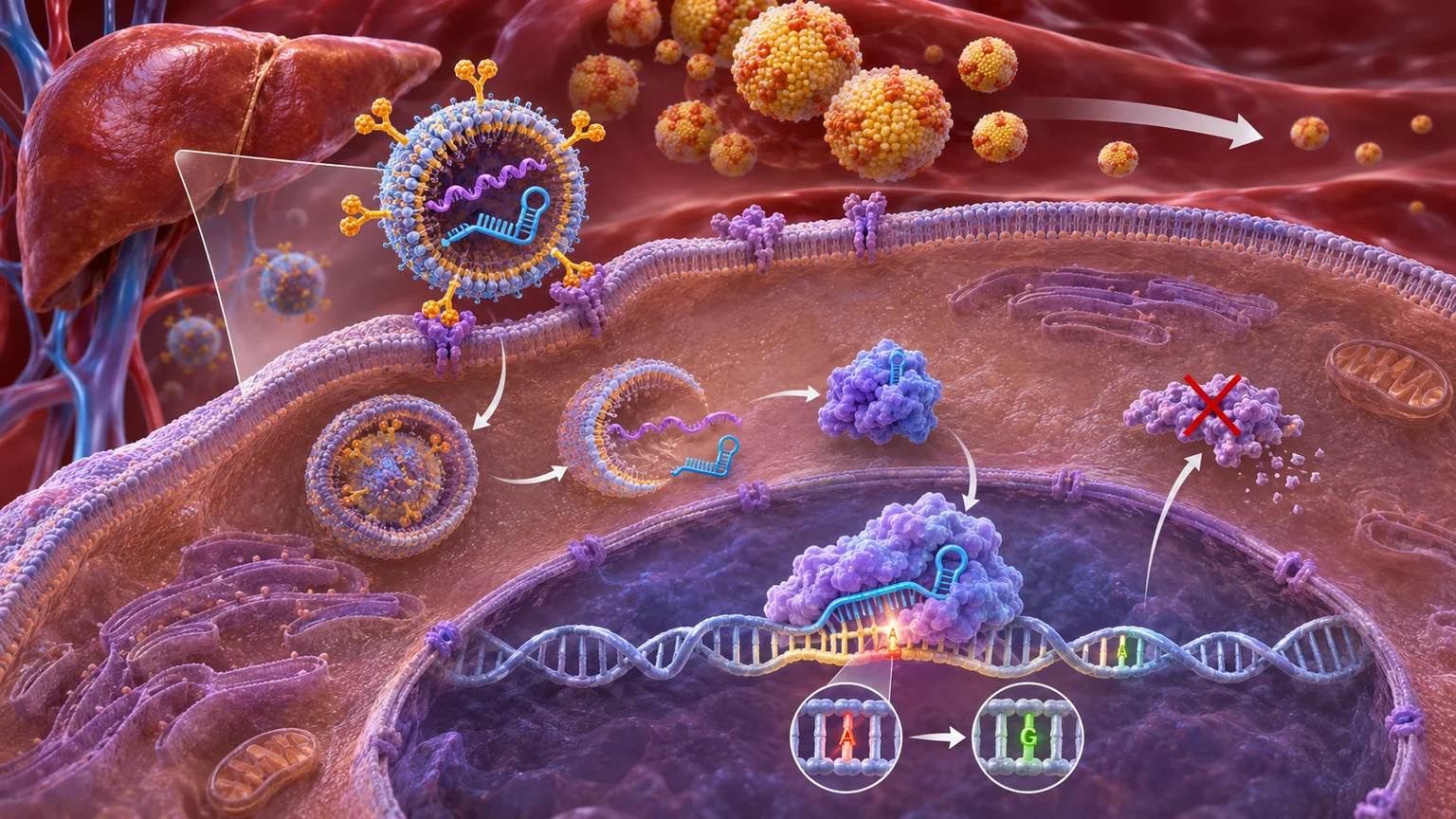
Circulating concentrations of low-density lipoprotein cholesterol (LDL-C) and triglyceride-rich lipoproteins are leading risk factors for atherosclerotic cardiovascular disease 1 . Despite several approved lipid-lowering medications, most patients fail to achieve target lipid levels under the chronic care treatment model 2,3 . Here, we describe a potential single-course treatment in which an infusion of guide RNA and mRNA encoding a CRISPR adenine base editor-encapsulated within a GalNAc-lipid n

Circulating concentrations of low-density lipoprotein cholesterol (LDL-C) and triglyceride-rich lipoproteins are leading risk factors for atherosclerotic cardiovascular disease 1 . Despite several approved lipid-lowering medications, most patients fail to achieve target lipid levels under the chronic care treatment model 2,3 . Here, we describe a potential single-course treatment in which an infusion of guide RNA and mRNA encoding a CRISPR adenine base editor-encapsulated within a GalNAc-lipid nanoparticle-leads to durable, liver-selective inactivation of angiopoietin-like 3 (ANGPTL3), a known driver of increased LDL-C and triglyceride concentrations. Analyses in human liver cells in vitro confirmed that the base editor introduces a DNA base-pair change at the target ANGPTL3 locus with no detectable off-target editing at any of approximately 3000 candidate sites or treatment-related structural variants. Targeted ANGPTL3 inactivation in nonhuman primates was well-tolerated and led to a > 90% mean reduction in circulating ANGPTL3 protein, with durability confirmed out to 3 years following a single dose. In mouse and nonhuman primate models of hyperlipidemia, gene inactivation was associated with reductions of approximately 40 to 50% in LDL-C and 50 to 70% in triglycerides. These results provided the scientific foundation for initiation of an ongoing first-in-human clinical trial in patients with refractory hyperlipidemia syndromes.

Read the original source →

Related Stories

Health & Medicine

Spontaneous gas film expansion at an oil-water interface.

Spontaneous interfacial separation of oil and water, by inserting a gas film between the two liquids, is thermodynamically unfavorable because the oil-water interface is replaced by oil-gas and water-gas interfaces with a higher combined interfacial energy. Here, we demonstrate that microstructural confinement enables this transition after bubble introduction through the coupling of wetting, capillarity, and gas transport. Spontaneous oil imbibition into a water-submerged micropillar array, toge

Continue reading
Health & Medicine

Senescent CD8 T effector memory cells are functionally impaired, enriched in aging and disease, and a barrier to immunotherapy.

Senescent cells play important roles in various biological processes that promote fitness and health; however, their timely elimination by immune cells is critical to maintain tissue homeostasis and prevent disease. Despite this, senescent cells accumulate systemically with age, suggesting that certain immune cells also become senescent and dysfunctional during aging. In support of this, we previously demonstrated that CD8 T cells, immune cells capable of targeting senescent cells, increasingly

Continue reading
Health & Medicine

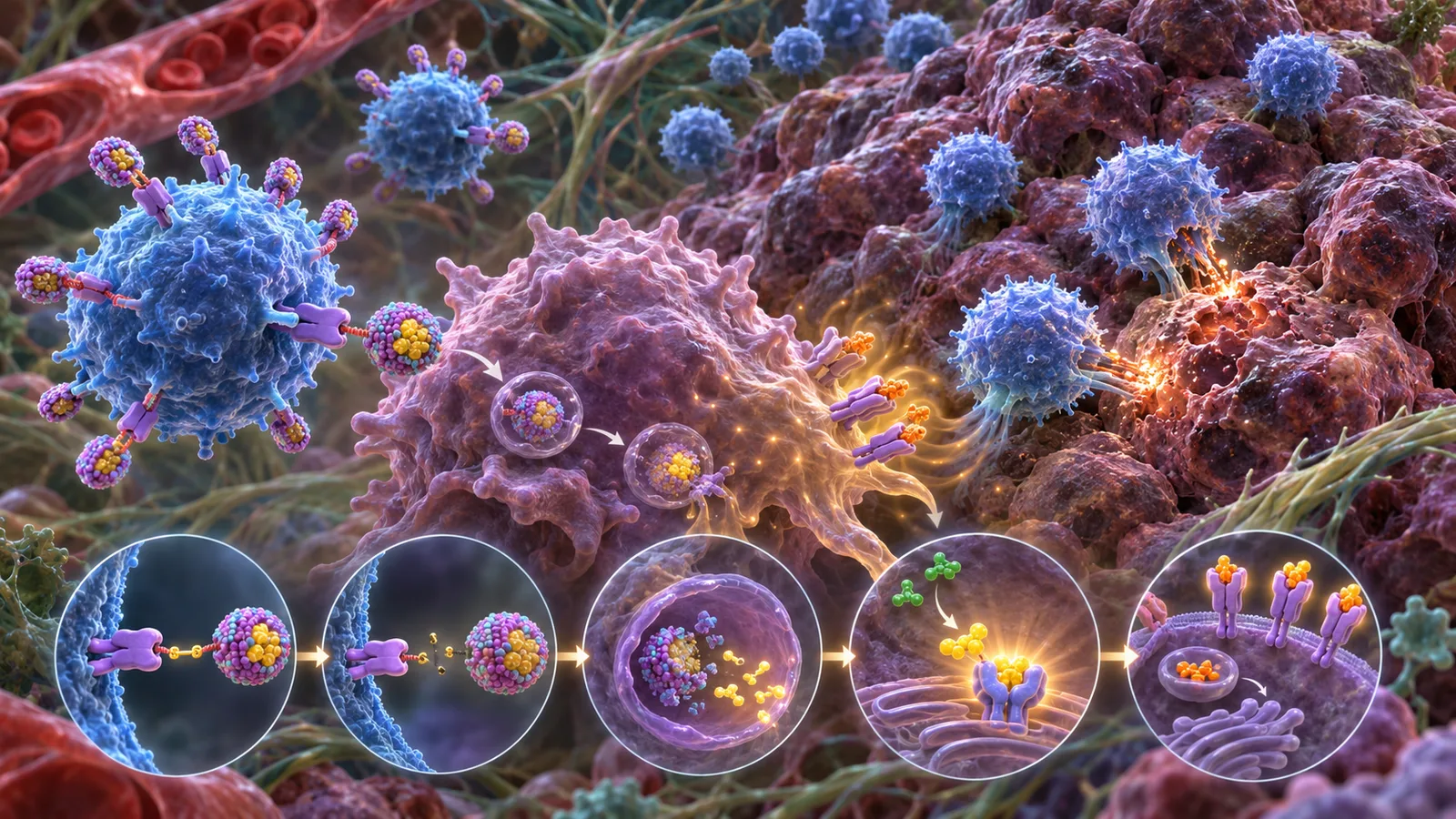
Engineered T cell-agonist chimera for logic-gated STING activation and augmented cancer immunotherapy.

The efficacy of adoptive T cell therapy against solid tumors is markedly hindered by the immunosuppressive microenvironment. Here, we demonstrate that stimulator of interferon genes (STING) activation in tumor-associated macrophages (TAM) enhances the intratumoral infiltration and cytotoxicity of adoptive T cells. We next design a TAM-targeted nanoagonist and engineer a T cell - agonist chimera (SNTC) via covalent surface anchoring, to achieve synchronized biodistribution of STING agonist with a

Continue reading
Health & Medicine

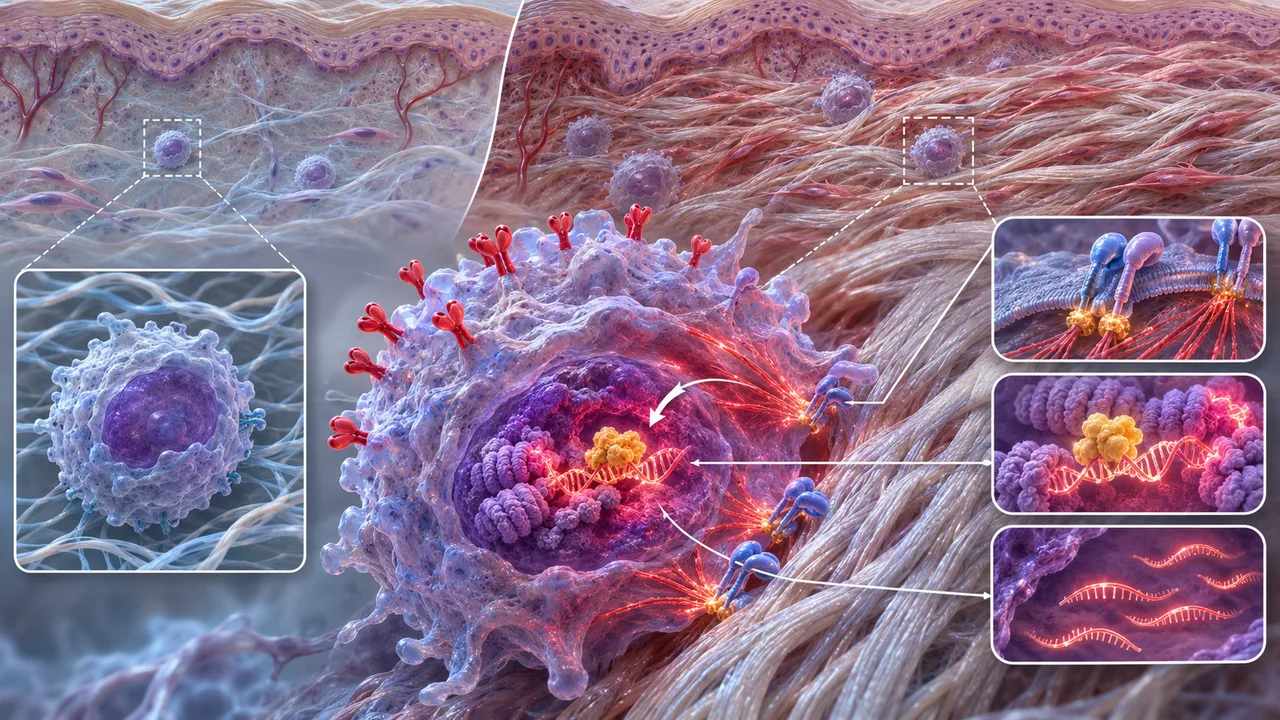
Dysregulation of mechanosensing signaling in monocytes of patients with systemic sclerosis is associated with skin inflammation.

Systemic sclerosis (SSc) is a severe autoimmune connective tissue disease characterized by immune dysregulation and progressive fibrosis of the skin and internal organs, resulting in substantial organ dysfunction and increased mortality. Fibrosis is driven in part by infiltration of immune cells, including monocytes that become activated within fibrotic tissue. However, how the mechanical properties of fibrotic skin regulate their function remains poorly understood. Here, we demonstrate that inc

Continue reading
Health & Medicine

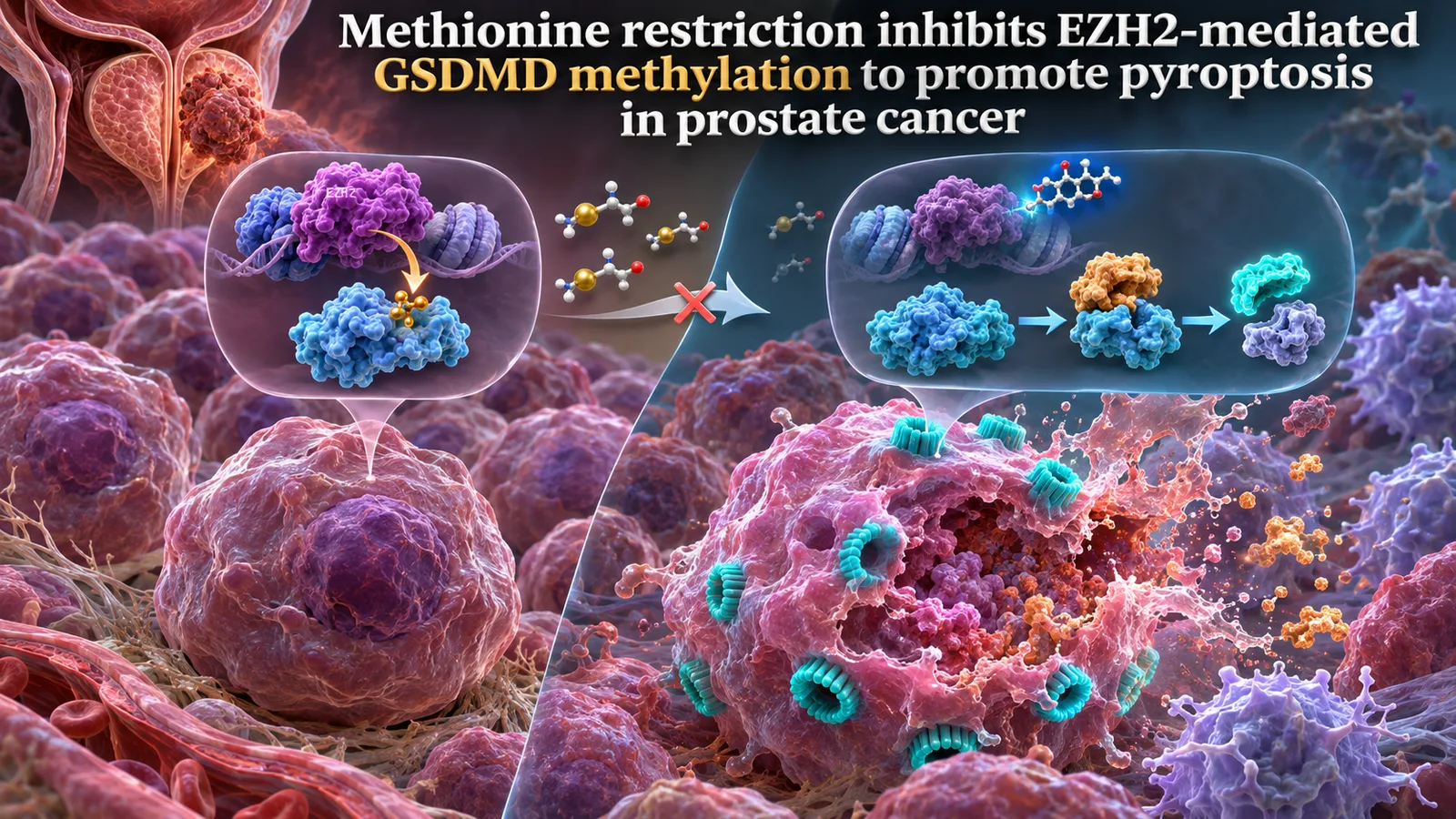
Methionine restriction inhibits EZH2-mediated GSDMD methylation to promote pyroptosis in prostate cancer.

EZH2 is frequently overexpressed in solid tumors, yet the clinical efficacy of its inhibitors remains limited, highlighting an urgent need to elucidate their cytotoxic mechanisms. Here, we identify EZH2 as a posttranslational suppressor of pyroptosis through direct methylation of GSDMD. We revealed that EZH2 inhibition triggered GSDMD-dependent pyroptosis in prostate cancer cells. Clinical specimens showed an inverse correlation between EZH2 levels and cleaved GSDMD (GSDMD N-terminal, GSDMD-N) l

Continue reading