Host-microbe interactions in engineered immunocompetent human gut tissues.
As a primary port of pathogen entry, the intestinal mucosa has developed a sophisticated set of defences to ward off infections. Investigating the human-specific intestinal barrier responses to pathogens is limited by the lack of models integrating the necessary architectural complexity with an autologous immune compartment 1 . Here we developed engineered barrier models of the human small intestine and colon combining a multilineage epithelium, mucus layer, accessible microbial compartment and
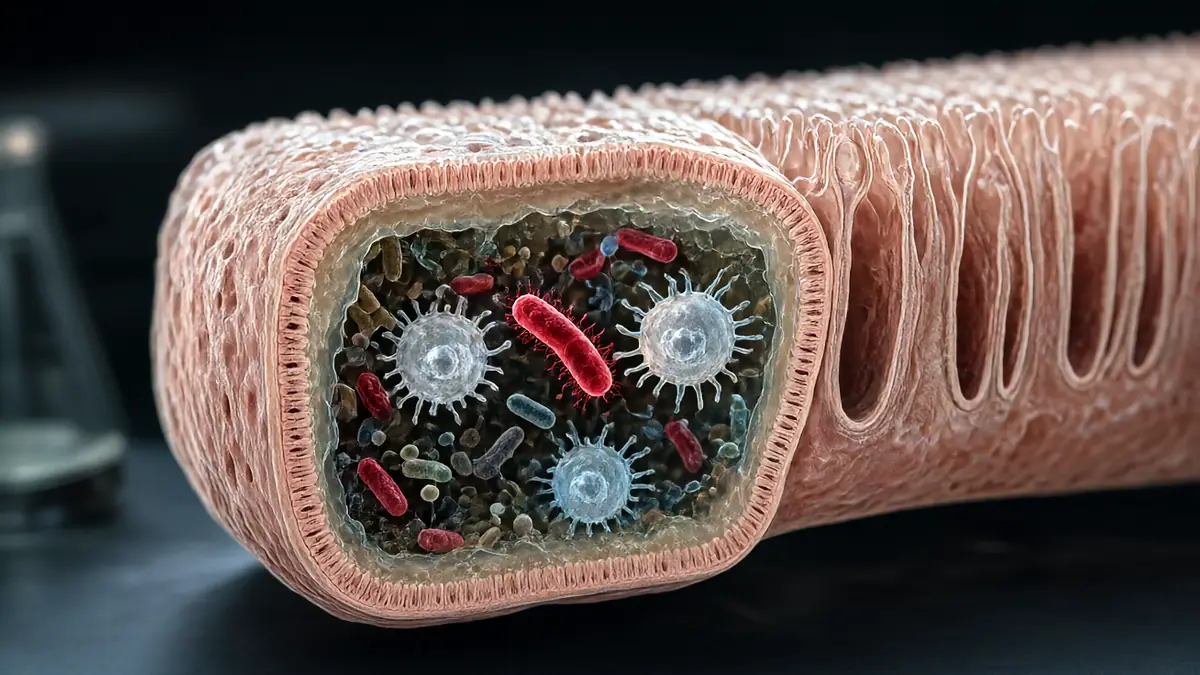
As a primary port of pathogen entry, the intestinal mucosa has developed a sophisticated set of defences to ward off infections. Investigating the human-specific intestinal barrier responses to pathogens is limited by the lack of models integrating the necessary architectural complexity with an autologous immune compartment 1 . Here we developed engineered barrier models of the human small intestine and colon combining a multilineage epithelium, mucus layer, accessible microbial compartment and autologous tissue-resident immune cells. These tissues recapitulate morphological and functional properties that are region specific and compare with those of the native organ. We use the model to characterize the human epithelial response to Salmonella enterica subsp. enterica serovar Typhimurium at the single-cell level, uncovering the distinct gene regulatory networks that underpin luminal versus intracellular pathogen presence. Invaded epithelial cells initiate an IL-18 signalling axis that triggers cytotoxic T cell activation, resulting in epithelial shedding and barrier disruption. Overall, this work allows for the modular integration of epithelial, microbial and immune compartments, providing a versatile system for studying human intestinal physiology and pathologies.