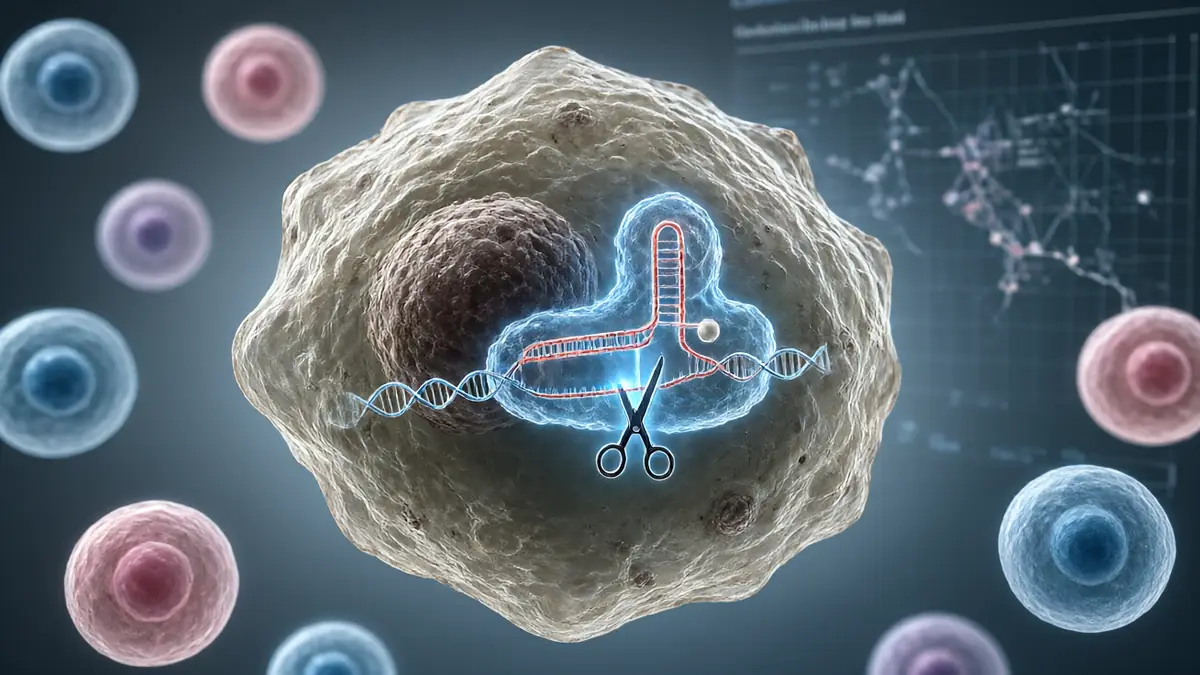
Genome writing reveals SVA retrotransposon consequences in X-linked dystonia-parkinsonism.
Human retrotransposon insertions are often associated with diseases. Regarding neurodegenerative X-linked dystonia-parkinsonism (XDP), a human-specific SINE-VNTR-Alu (SVA) subfamily F retrotransposon was inserted in intron 32 of the TAF1 gene. Here, we genomically rewrote a portion of the mouse Taf1 allele with the corresponding 78-kb XDP patient-derived TAF1 allele. In mouse embryonic stem cells (mESCs), the presence of the intronic SVA-rather than the hybrid gene structure-reduces hyTAF1 (hybr
Human retrotransposon insertions are often associated with diseases. Regarding neurodegenerative X-linked dystonia-parkinsonism (XDP), a human-specific SINE-VNTR-Alu (SVA) subfamily F retrotransposon was inserted in intron 32 of the TAF1 gene. Here, we genomically rewrote a portion of the mouse Taf1 allele with the corresponding 78-kb XDP patient-derived TAF1 allele. In mouse embryonic stem cells (mESCs), the presence of the intronic SVA-rather than the hybrid gene structure-reduces hyTAF1 (hybrid TAF1 mRNA) levels. This leads to transcriptional downregulation of genes with TATA boxes enriched in their promoters and triggers apoptosis. Chromatin and transcriptome profiling revealed that intronic SVAs are actively transcribed, forming barriers that likely impede transcription elongation. In mice, neuronal-lineage TAF1 humanization resulted in lethality in male progeny within 2 months. XDP male mice developed severe atrophy centered on the striatum-the same brain region affected in XDP patients. Lastly, CRISPRa-mediated activation of hyTAF1 restored mESC viability, suggesting that boosting TAF1 transcription could be a therapeutic approach.