Functional diversification of the cephalopod proteome by RNA editing.
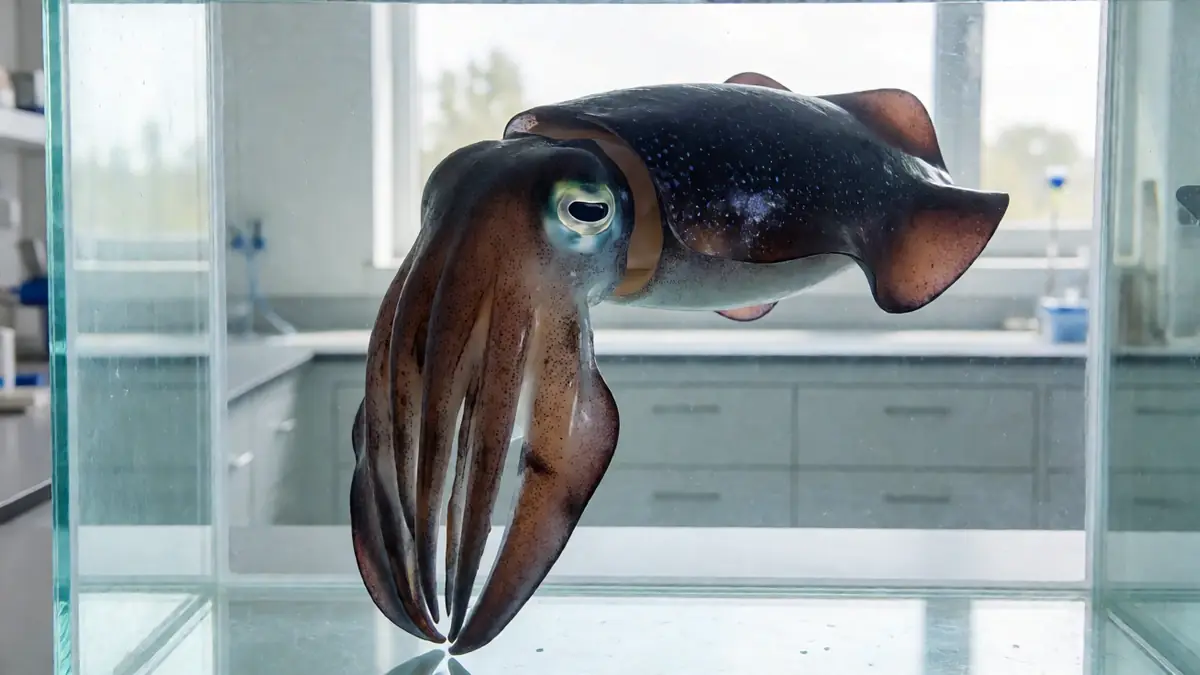
Coleoid cephalopods exhibit the highest levels of adenosine deaminases acting on RNA (ADAR)-mediated RNA editing of any known taxon, yet the functional consequences of most recoding events remain unclear. Here, we integrated proteomics with biochemical and cellular assays to characterize recoding across the Doryteuthis pealeii proteome. This confirmed the translation of 7,997 recoded sites at the protein level and revealed how recoding reshapes the proteome by altering protein stability, subcell
Coleoid cephalopods exhibit the highest levels of adenosine deaminases acting on RNA (ADAR)-mediated RNA editing of any known taxon, yet the functional consequences of most recoding events remain unclear. Here, we integrated proteomics with biochemical and cellular assays to characterize recoding across the Doryteuthis pealeii proteome. This confirmed the translation of 7,997 recoded sites at the protein level and revealed how recoding reshapes the proteome by altering protein stability, subcellular localization, post-translational modifications, and enzymatic activity. We find that recoding also creates or ablates post-translational modification sites, with direct effects on protein function and protein-protein interactions. Recoding the E3 ligase MARCHF5 drives widespread changes in substrate ubiquitylation and perturbs mitochondrial homeostasis, illustrating how RNA editing can influence organelle function. Together, these data give a proteome-scale view of how extensive RNA recoding diversifies protein function in coleoid cephalopods and offer a framework for understanding how RNA-level plasticity shapes protein function and cellular physiology.