Etuvetidigene Autotemcel for the Treatment of Wiskott-Aldrich Syndrome.
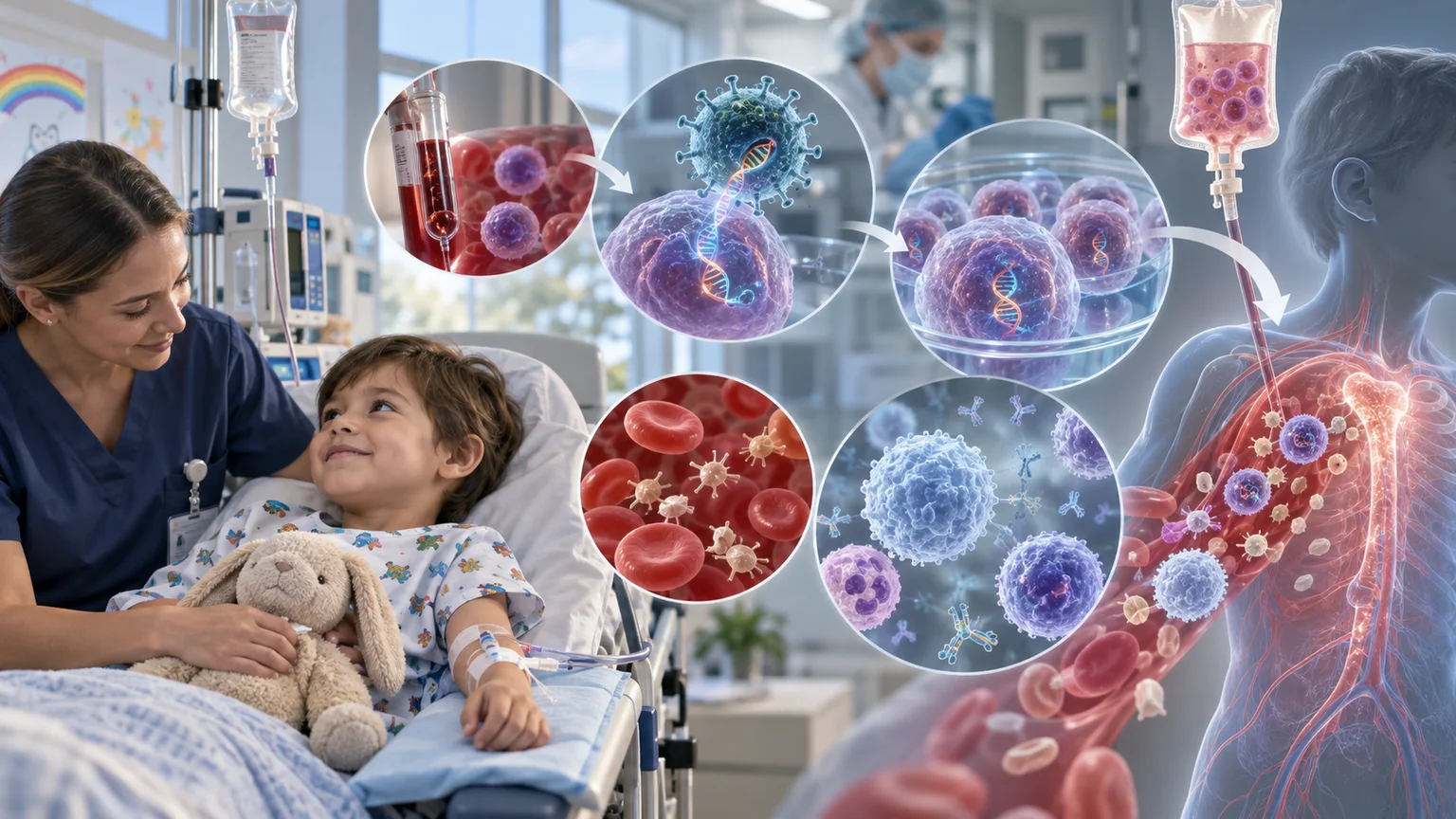
Wiskott-Aldrich syndrome is a rare, X-linked, life-threatening inborn error of immunity and platelet disorder caused by variants in the gene WAS . Etuvetidigene autotemcel (etu-cel) is an autologous gene therapy consisting of hematopoietic stem and progenitor cells that have been transduced ex vivo with a lentiviral vector encoding WAS complementary DNA. We integrated data from two prospective open-label clinical studies (a phase 1-2 study with 8 participants and a phase 3 study with 10 particip
Wiskott-Aldrich syndrome is a rare, X-linked, life-threatening inborn error of immunity and platelet disorder caused by variants in the gene WAS . Etuvetidigene autotemcel (etu-cel) is an autologous gene therapy consisting of hematopoietic stem and progenitor cells that have been transduced ex vivo with a lentiviral vector encoding WAS complementary DNA. We integrated data from two prospective open-label clinical studies (a phase 1-2 study with 8 participants and a phase 3 study with 10 participants) and an expanded-access program with 9 participants to evaluate the efficacy and safety of etu-cel in patients with Wiskott-Aldrich syndrome. The participants received a single intravenous infusion of etu-cel after rituximab administration and reduced-intensity conditioning. The primary efficacy end points were overall survival, severe infections from 6 to 18 months after gene therapy, and moderate and severe bleeding events in the first 12 months after gene therapy. Results for severe infections and moderate and severe bleeding are reported as the rate of events (number per person-year of observation), which was compared with the rate in the year before gene therapy. The median follow-up among the surviving participants was 5.7 years (range, 2.3 to 13.3), and the median age at the time of gene therapy was 2.6 years (range, 1.0 to 35.1). Overall survival at both 1 year and 5 years was 96%; one participant died. The most common adverse event of grade 3 or higher was central venous catheter-related infection. No evidence of insertional oncogenesis was observed. The rate of severe infections per person-year of observation decreased from 2.00 (95% confidence interval [CI], 1.50 to 2.61) in the year before gene therapy to 0.15 (95% CI, 0.04 to 0.39) in the period beyond 6 months up to 18 months after treatment. The rate of moderate or severe bleeding events per person-year of observation decreased from 2.00 (95% CI, 1.50 to 2.61) in the year before gene therapy to 0.80 (95% CI, 0.49 to 1.22) in the year after treatment. Our results show that the effects of etu-cel are consistent with a sustained clinical benefit in persons with Wiskott-Aldrich syndrome. (Funded by Fondazione Telethon and others; TIGET-WAS and OTL-103-4 ClinicalTrials.gov numbers, NCT01515462 and NCT03837483, respectively.).