Artificial Intelligence

Emergence of biosignatures on Earth and implications for life detection.
| Source: Proceedings of the National Academy of Sciences of the United States of America

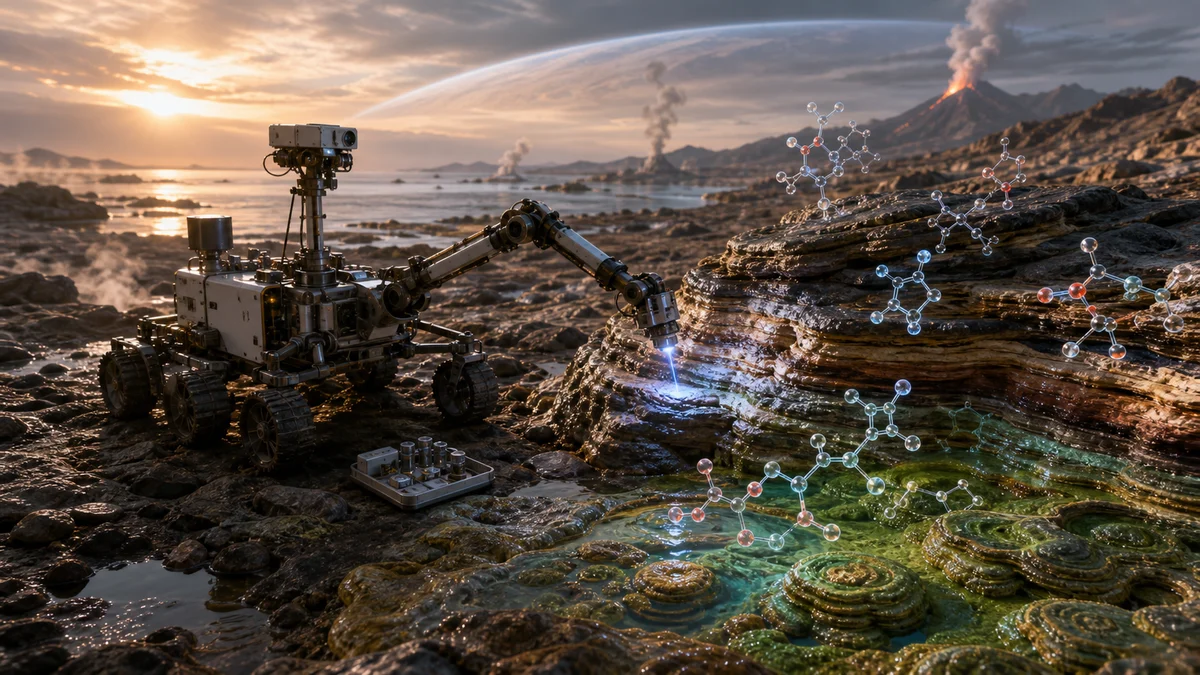
Earth's organic chemical evolution (OCE) from abiotic to prebiotic to biotic provides critical insights that may have implications for how we interpret observations made by life-detection planetary missions. To search for life on other worlds, astrobiologists seek biosignatures: features that indicate the presence of extant or extinct life as we know it. However, because the age of putative extraterrestrial biospheres is unknown, biosignatures present at or shortly after life's emergence may hav

Earth's organic chemical evolution (OCE) from abiotic to prebiotic to biotic provides critical insights that may have implications for how we interpret observations made by life-detection planetary missions. To search for life on other worlds, astrobiologists seek biosignatures: features that indicate the presence of extant or extinct life as we know it. However, because the age of putative extraterrestrial biospheres is unknown, biosignatures present at or shortly after life's emergence may have been diluted with prebiotic or abiotic signatures. Thus, the emergence of biosignatures and their formation context are critical considerations for mission interpretations, especially where there is no obvious pervasive biosphere. Here, we provide a structured approach for interpreting chemical states across the continuum of OCE on a planetary body. We distinguish between universal biosignatures of a world vs. specific biosignatures that are tied to environmental or temporal conditions of that world. We then consider how the evolution of a planetary body would impact the expression of these signatures over time. The detection of active prebiotic chemistry-that is, signatures that fall in the ambiguous transition between prebiotic and living systems-would be a hallmark discovery, providing insight into life's origins and justifying investment in further exploration of such worlds. Leveraging Earth as an example, we suggest that while mission observations may be more challenging to interpret than previously thought, they may also open doors to a more productive exploration of our planetary neighbors.

Read the original source →

Related Stories

Artificial Intelligence

Integrating cooperative breeding with reciprocity and culture extends Hamilton's rule to humans.

We study how kinship and reciprocity shape giving and child care support in societies with limited access to markets. Extending Hamilton's rule to incorporate reciprocity, we test it using behavioral data from dictator games and surveys in remote matrilocal and patrilocal villages of northeast India (N = 406 parents of young children). We replicate with data from urban Manila neighborhoods (N = 301) and the Solomon Islands (N = 624). Consistent with predictions, transfers to recipients increase

Continue reading
Artificial Intelligence

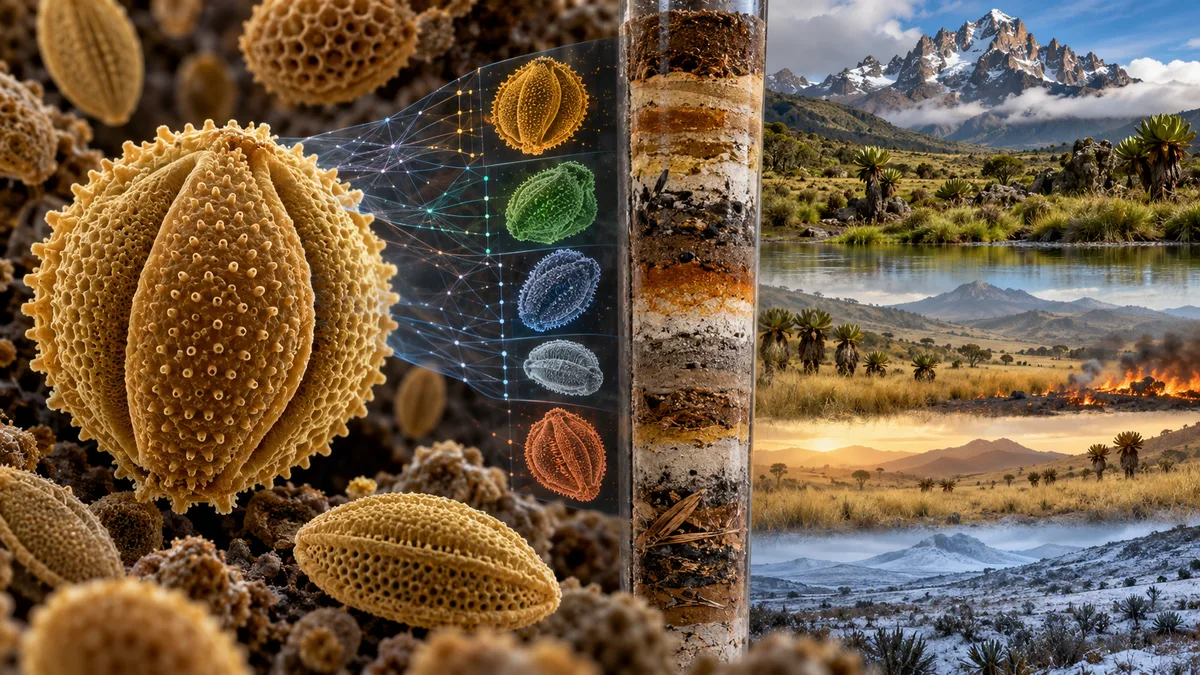
Deep learning of fossil pollen morphology reveals 25,000 y of ecological change in eastern African grasslands.

Grass (Poaceae) pollen is largely overlooked in investigations of grassland evolution because the pollen of most species cannot be differentiated using traditional optical microscopy. However, the combination of superresolution microscopy and deep learning enables the capture and quantification of distinct morphological variation across the pollen of grass species. Using a semisupervised deep-learning strategy, we trained convolutional neural networks (CNNs) on superresolution images of known mo

Continue reading
Artificial Intelligence

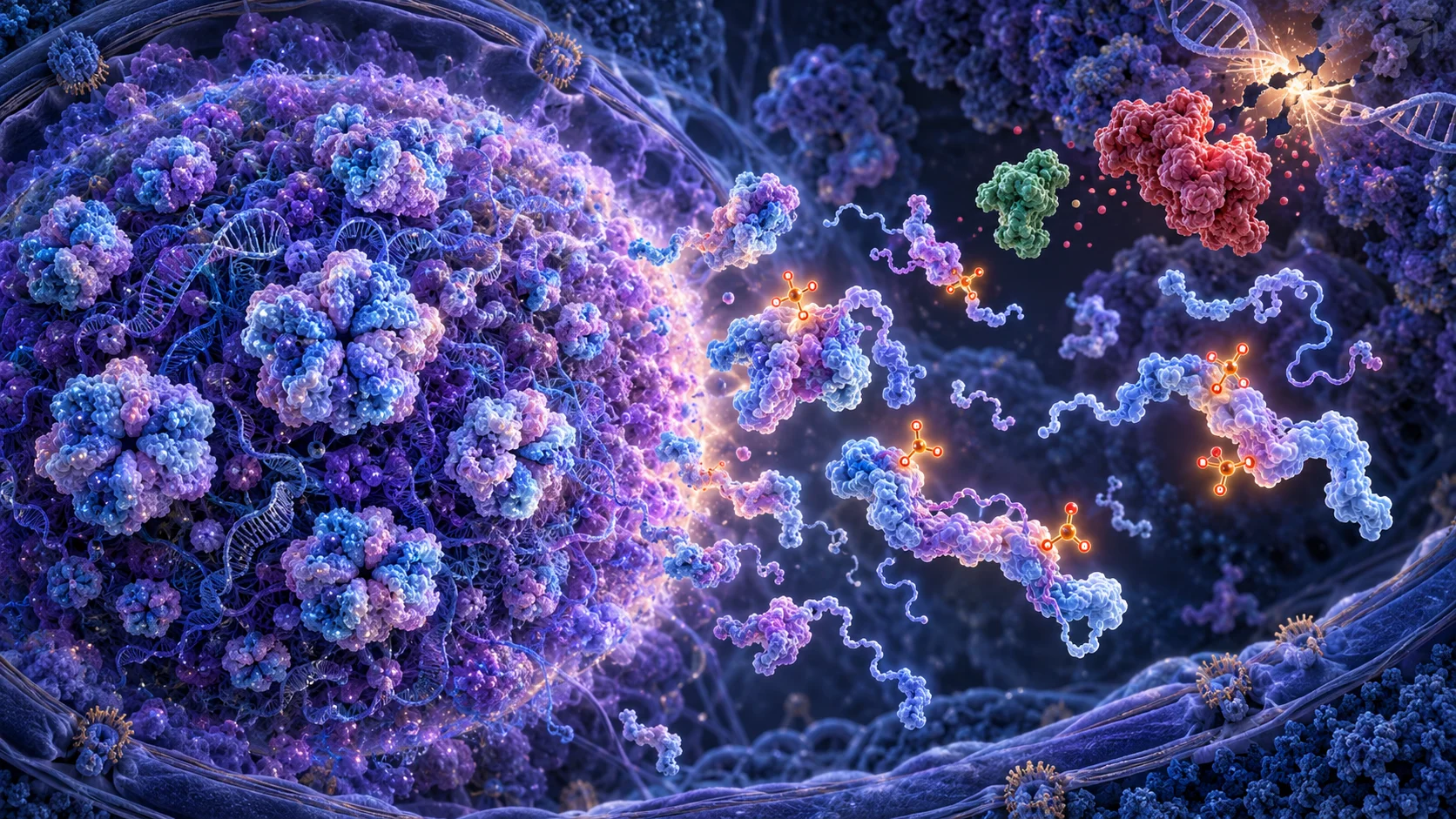
Tyrosine phosphorylation unfolds nucleophosmin and disrupts its integration into the nucleolus.

Nucleophosmin (NPM1) is a multifunctional nucleolar protein essential for ribosome biogenesis, genome stability, and stress responses. Its integration into the nucleolus depends on its oligomerization and multivalent interactions that enable liquid-liquid phase separation (LLPS). Here, we investigate how tyrosine phosphorylation at Tyr17, Tyr29, and Tyr67 located within the interface between monomers at the N-terminal oligomerization domain regulates NPM1 structure and function. Replacing tyrosi

Continue reading
Artificial Intelligence

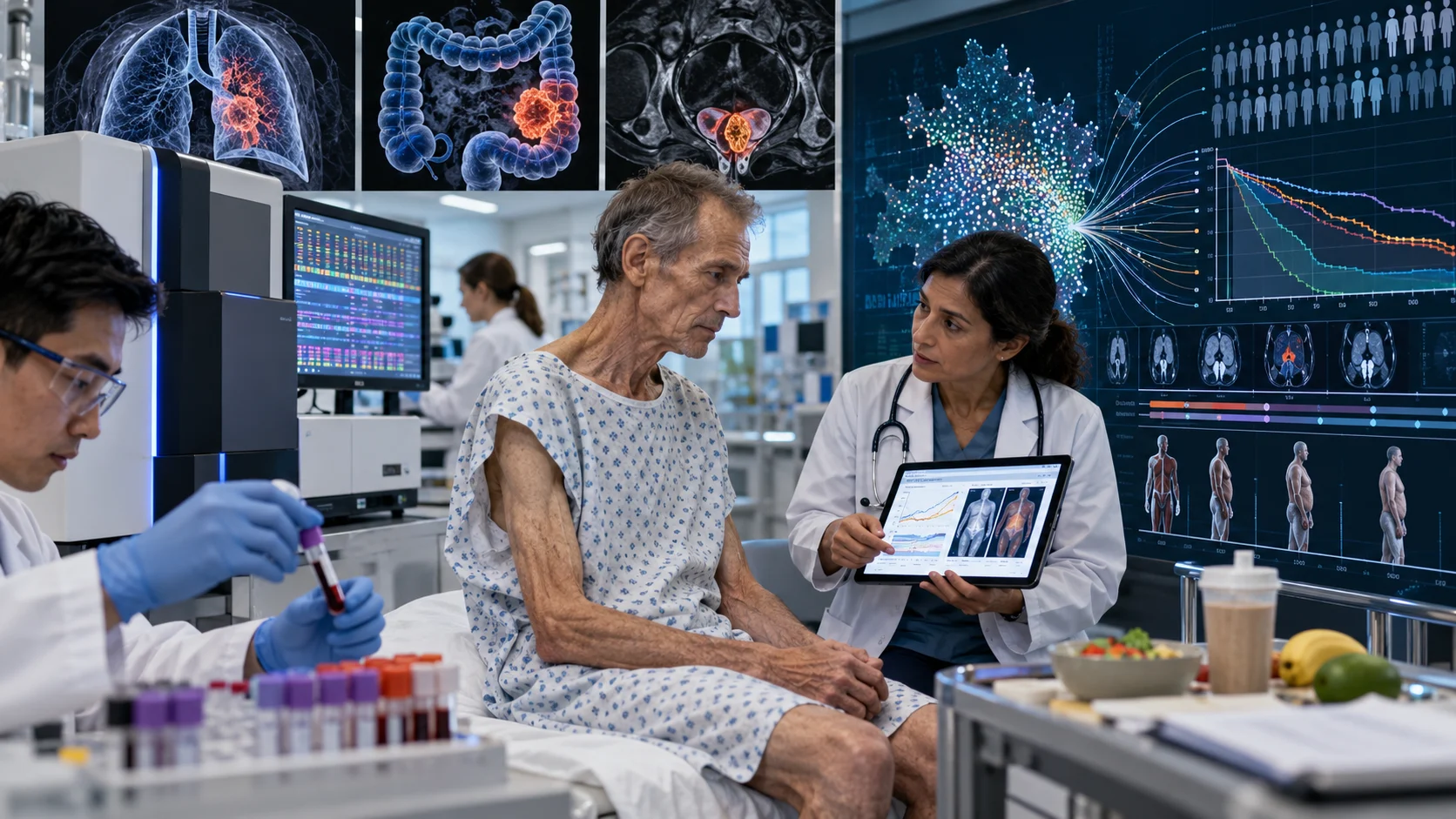
A health-system-scale, episode-resolved multimodal atlas of cancer cachexia.

Cancer cachexia is a wasting syndrome with outsized impact on morbidity and mortality, yet its drivers and systemic consequences remain poorly defined. In this study, we repurposed longitudinal clinicogenomic data from 52,236 patients with cancer profiled by MSK-IMPACT (2010-2024) at Memorial Sloan Kettering Cancer Center to define episode-resolved trajectories of consensus-defined cachectic weight loss and linked these events to outcomes, serology and tumor genotypes. Cachectic episodes cluster

Continue reading
Artificial Intelligence

Shared patterns of human milk composition link mammary gland function to infant growth.

The mammary gland produces nutrient-rich human milk (HM), yet how mammary functional state shapes HM composition and infant outcomes remains poorly understood. We used HM multi-omics - metabolomics, proteomics, micronutrients, macronutrients, and HM oligosaccharides - across 1,543 samples from three cohorts, including two randomized trials, as a noninvasive readout of mammary functional state. Trajectory modeling and multi-omic integration showed that maternal supplementation improved recovery f

Continue reading