Physical/Tech

Community and EMS Interventions to Improve Survival in Cardiac Arrest.
| Source: The New England journal of medicine

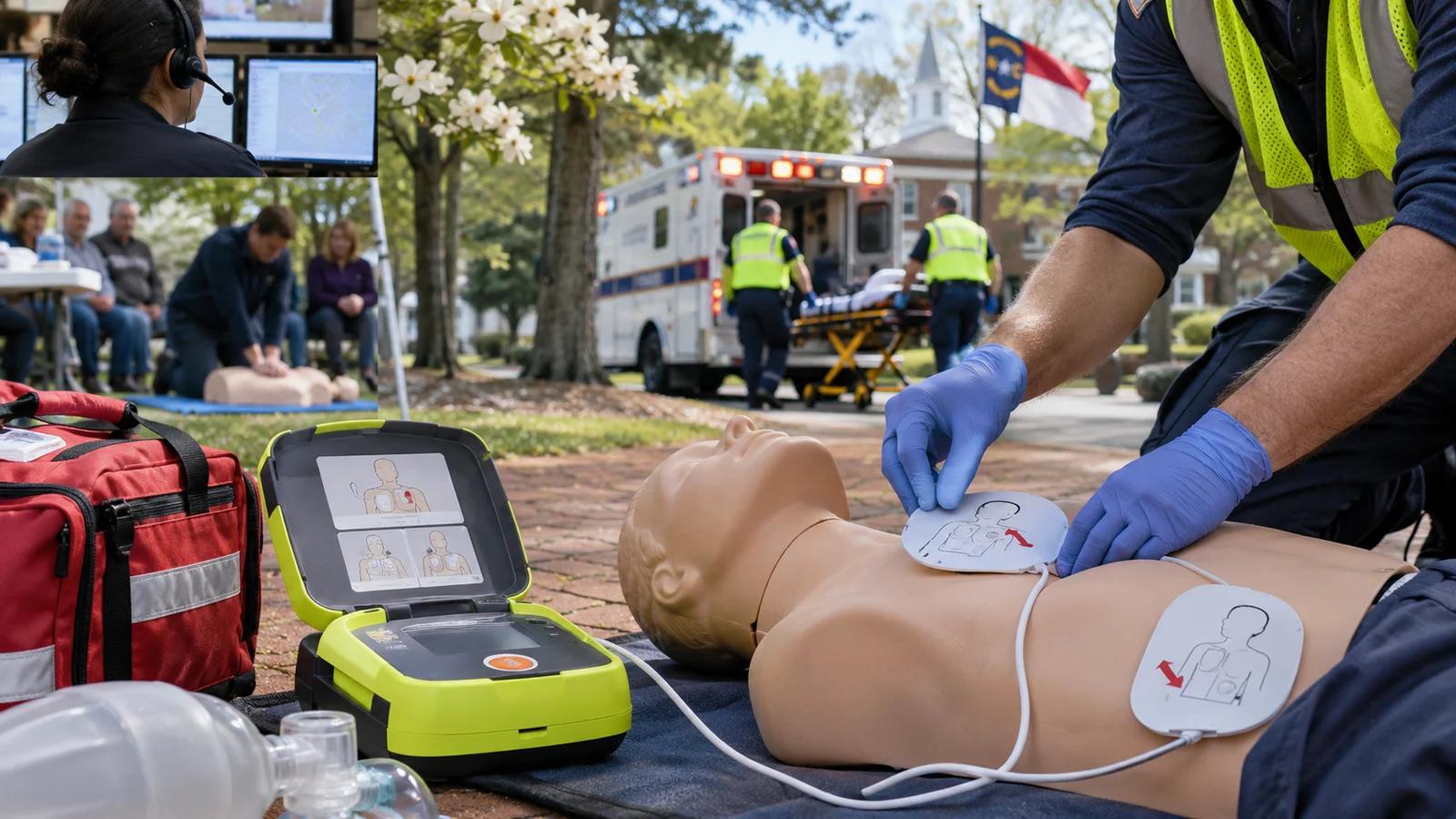
Early cardiopulmonary resuscitation (CPR) and defibrillation improve survival after out-of-hospital cardiac arrest, but evidence from randomized trials about whether community-based implementation strategies improve outcomes is lacking. We conducted a registry-based, cluster-randomized trial involving adults with out-of-hospital cardiac arrest treated by emergency medical services (EMS) in North Carolina counties. The counties were grouped into clusters, which were then randomly assigned in a 1:

Early cardiopulmonary resuscitation (CPR) and defibrillation improve survival after out-of-hospital cardiac arrest, but evidence from randomized trials about whether community-based implementation strategies improve outcomes is lacking. We conducted a registry-based, cluster-randomized trial involving adults with out-of-hospital cardiac arrest treated by emergency medical services (EMS) in North Carolina counties. The counties were grouped into clusters, which were then randomly assigned in a 1:1 ratio to implement a multifaceted intervention or administer usual care. The intervention included four components: training of 911 telecommunicators to improve rapid recognition of cardiac arrest, training of 911 telecommunicators to improve delivery of CPR instructions from telecommunicators to bystanders, community CPR training, and enhanced use of automated external defibrillators by first responders or bystanders before EMS arrival. Data were collected through the Cardiac Arrest Registry to Enhance Survival. The primary outcome was survival to hospital discharge with a good neurologic outcome (Cerebral Performance Category score of 1 or 2; range, 1 to 5, with higher scores indicating worse neurologic outcome). From July 1, 2022, to June 30, 2026, a total of 28 clusters comprising 11,615 patients were assigned to the intervention group, and 27 clusters comprising 10,844 patients were assigned to the usual-care group. The median age of the patients was 64.0 years, and 36.7% were women. The percentage of patients who survived to hospital discharge with a good neurologic outcome was 9.0% (1048 of 11,608 patients) in the intervention group and 9.4% (1017 of 10,839 patients) in the usual-care group (adjusted odds ratio, 0.97; 95% confidence interval, 0.75 to 1.26; P = 0.80). Among adults with out-of-hospital cardiac arrest, implementation of a multifaceted strategy involving the community and EMS did not result in a greater percentage of patients who survived to hospital discharge with a favorable neurologic outcome than usual care. (Funded by the National Heart, Lung, and Blood Institute of the National Institutes of Health; RACE-CARS ClinicalTrials.gov number, NCT04660526.).
Read the original source →

Related Stories

Physical/Tech

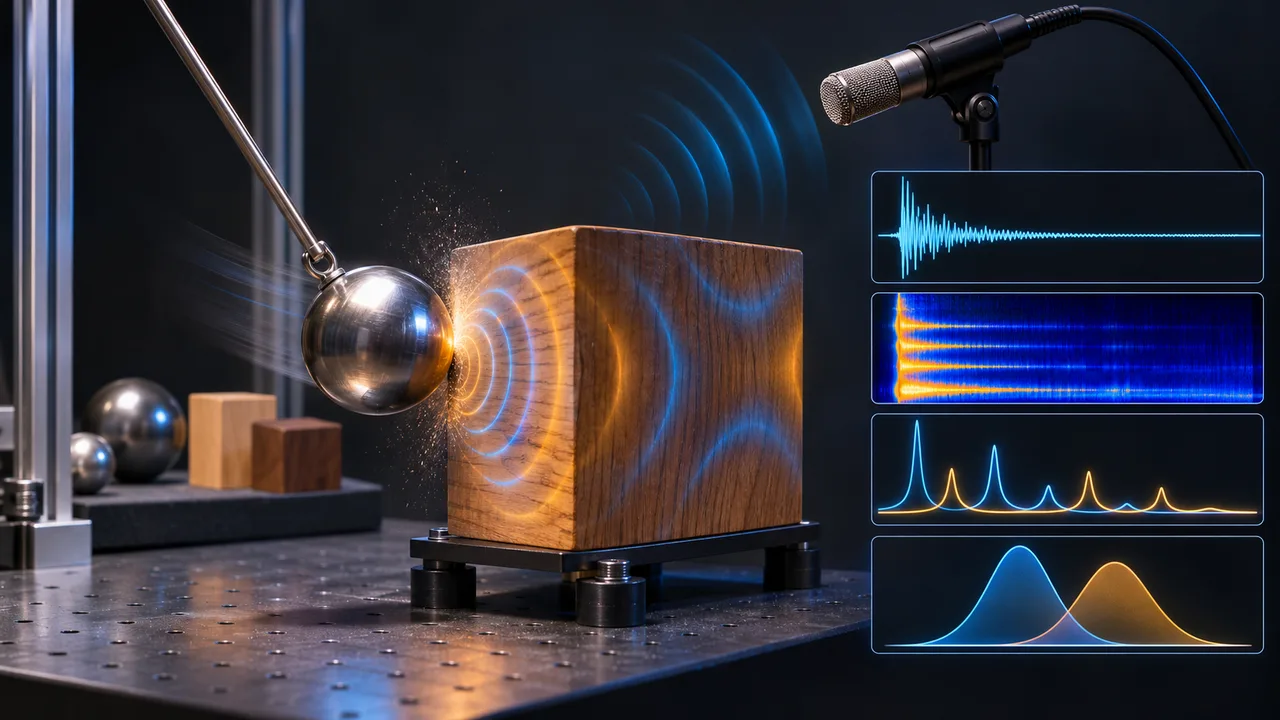
Intuitive knowledge of object acoustics enables perceptual separation of physical variables from impact sounds.

Upon hearing objects collide, humans can estimate physical attributes such as material and mass. Although the physics of sound generation is well established, the inverse problem that listeners solve-of inferring physical parameters from sound-remains poorly understood. Classical accounts posit the use of acoustic cues that correlate with physical variables but do not explain how humans might distinguish multiple concurrent physical causes. To study this problem, we measured impulse responses fr

Continue reading
Physical/Tech

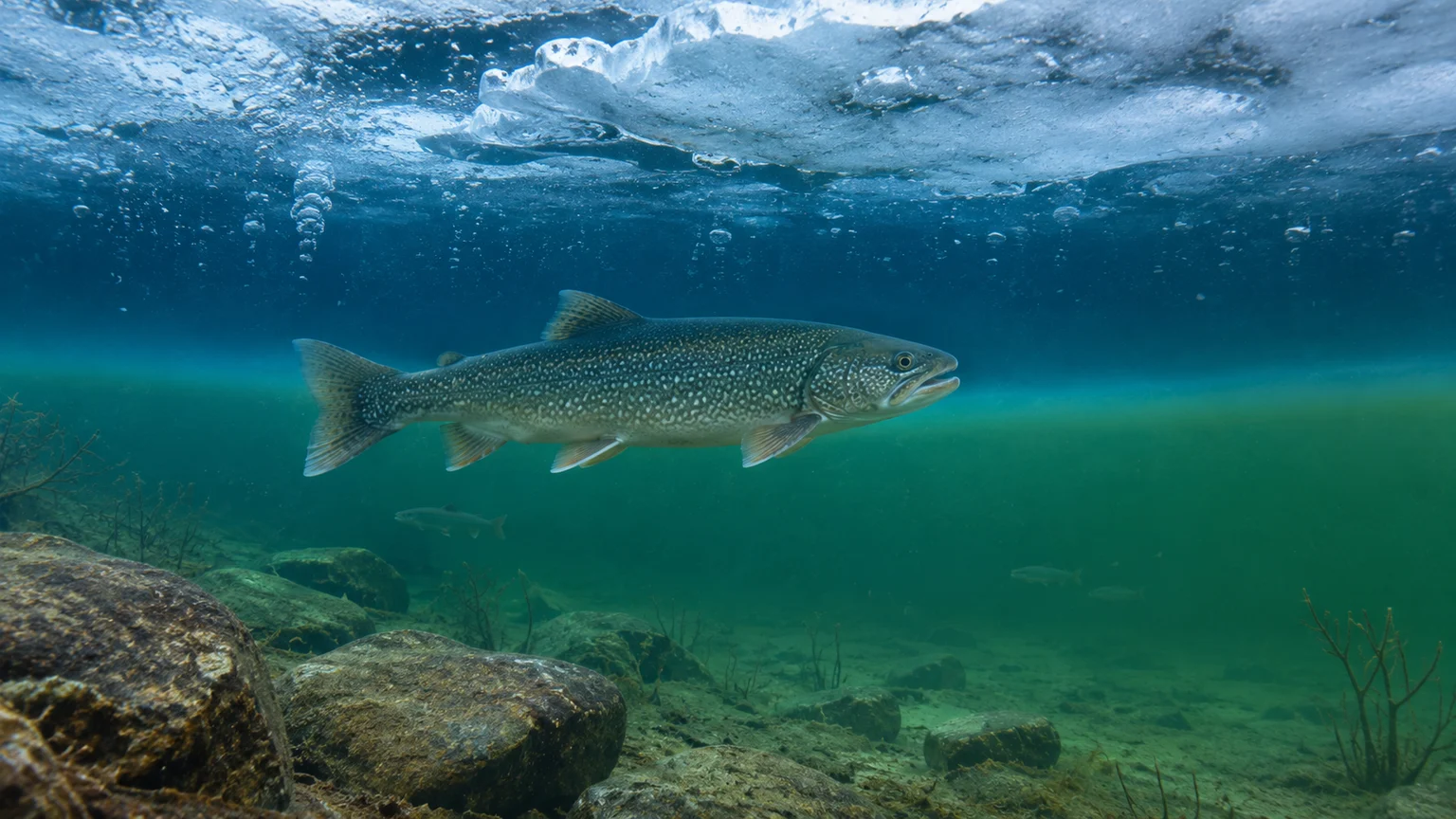
Sub-ice thermal gradients strongly influence winter depth use of an iconic cold-water fish.

In a thermally stratified lake, freshwater fish select habitats that align with their thermal preferences. While most studies of dimictic lakes have focused on habitat selection during summer stratification, less attention has been given to winter when inverse thermal stratification occurs with water temperatures between 0 to 4 °C. Our results show that winter thermal stratifications vary considerably among lakes. Much of the variation in winter depth use by the cold-water predator, Lake Tr

Continue reading
Physical/Tech

Emergent long-tailed dynamics in spin ice.

In this study, we reveal long-tail dynamics spontaneously arising from a magnetic system. Specifically, we consider a classical spin system and demonstrate the emergence of a spin-ice physics when drive-induced heating is well suppressed. We show that at high driving frequencies, magnetic monopole excitations exhibit nonergodic stochastic dynamics characterized by power-law-distributed trapping times with long tails-a behavior that persists even in the absence of driving. At intermediate driving

Continue reading
Physical/Tech

People know who to ask for favors despite underestimating compliance.

Whether and how people approach social interactions hinges on how they expect others to respond. Extensive social psychology research suggests that people are inaccurate interpersonal perceivers, overestimating negative responses (e.g., discomfort) and underestimating positive responses (e.g., appreciation) across a variety of social situations. However, this conclusion is based almost exclusively on mean-level bias analyses that obscure the dyadic nature of interpersonal judgment and rely on a

Continue reading
Physical/Tech

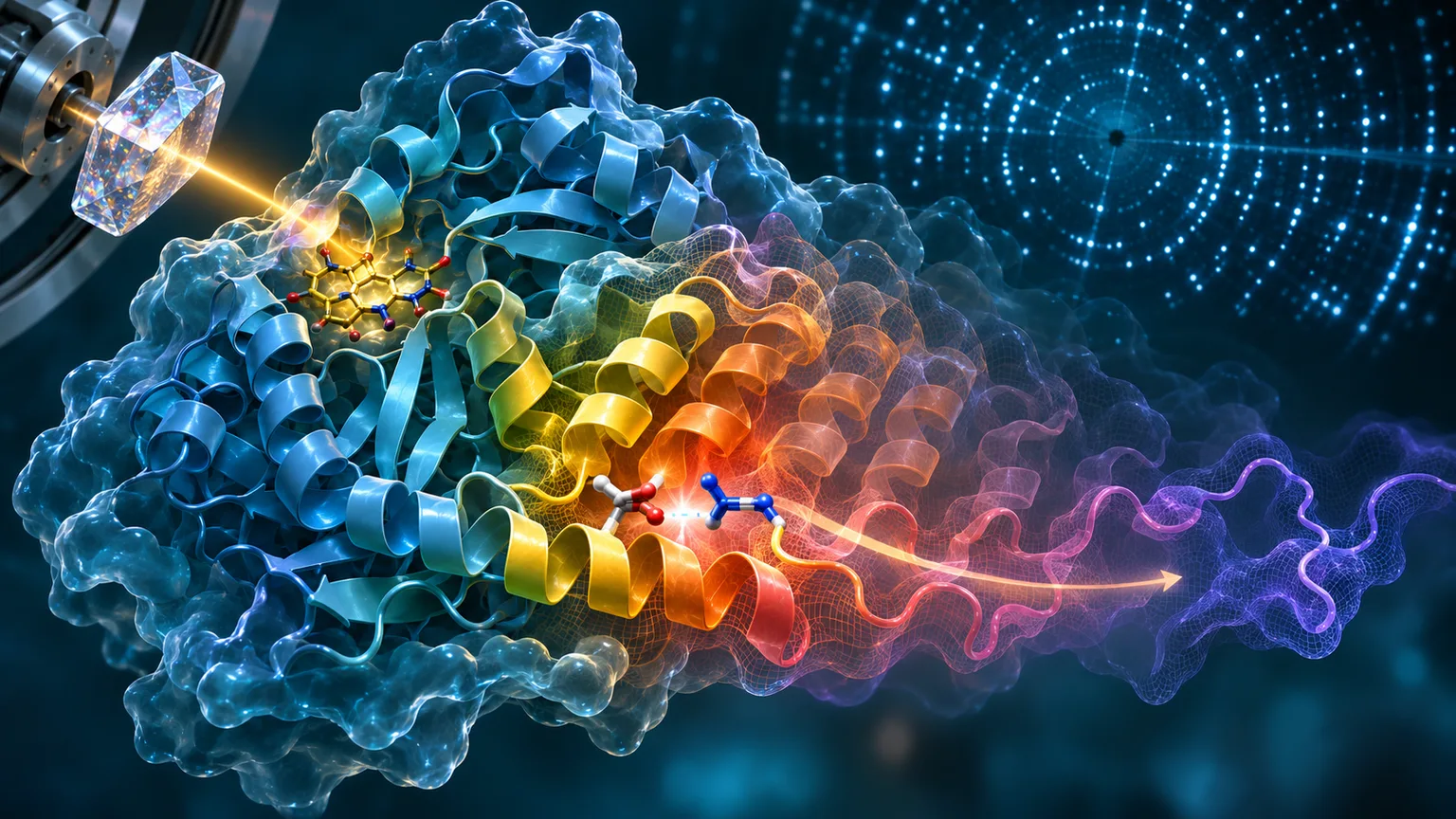
Mapping the Slow Propagation of Disorder across a Photoreceptor's Tertiary Structure with Time-Resolved Crystallography.

Order-disorder transitions allow many proteins to shift between compact and flexible/unfolded states, thereby acting as structural switches that regulate catalysis, signaling, recognition, and allostery. We applied time-resolved serial oscillation crystallography to establish the structural kinetics of the light-triggered order-disorder transition of an animal-like cryptochrome as a six-second-long molecular movie with near-atomic all-residue spatial resolution and millisecond temporal resolutio

Continue reading