Health & Medicine

Cellular self-organization orchestrates ferroptosis propagation.
| Source: Cell

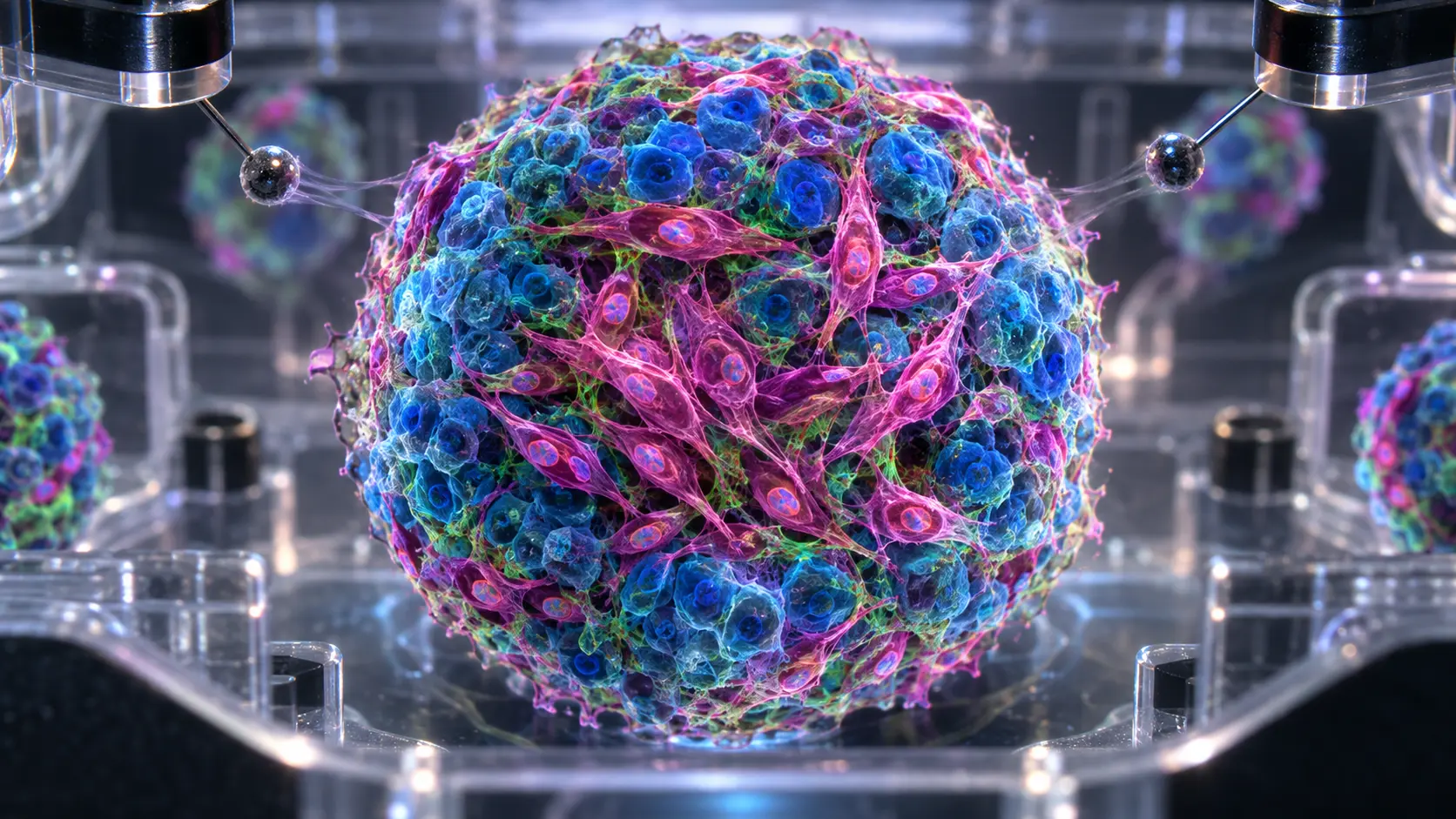
Self-organization generates cellular patterns that guide morphogenesis, but how it regulates collective cell fate remains underexplored. We show that cellular self-organization constrains the propagation of ferroptosis, an iron-dependent form of oxidative cell death that can otherwise spread as unbounded trigger waves. The spatial patterning of cell density and alignment encodes transcriptional programs, priming cells toward ferroptosis-sensitive or -resistant fates. Low-density, misaligned regi

Self-organization generates cellular patterns that guide morphogenesis, but how it regulates collective cell fate remains underexplored. We show that cellular self-organization constrains the propagation of ferroptosis, an iron-dependent form of oxidative cell death that can otherwise spread as unbounded trigger waves. The spatial patterning of cell density and alignment encodes transcriptional programs, priming cells toward ferroptosis-sensitive or -resistant fates. Low-density, misaligned regions with elevated YAP/TEAD1 activity are sensitive, whereas high-density, aligned regions with increased NRF2 expression form propagation-resistant boundaries. Cell elongation establishes a polarized distribution of oxidizable lipids, creating peroxidation hotspots at the cell poles that promote propagation along cell alignment. In silico and pharmacological perturbations reveal that pattern-dependent susceptibility and polarized lipid organization act together to constrain isotropic waves into spatially confined, anisotropic propagation. These findings identify self-organization as a systems-level mechanism governing collective homeostasis, providing a paradigm to explore how tissue-scale organization regulates cell death in development and disease.
Read the original source →

Related Stories

Health & Medicine

The honey bee stinger: An unusual pump with collapsible double pistons.

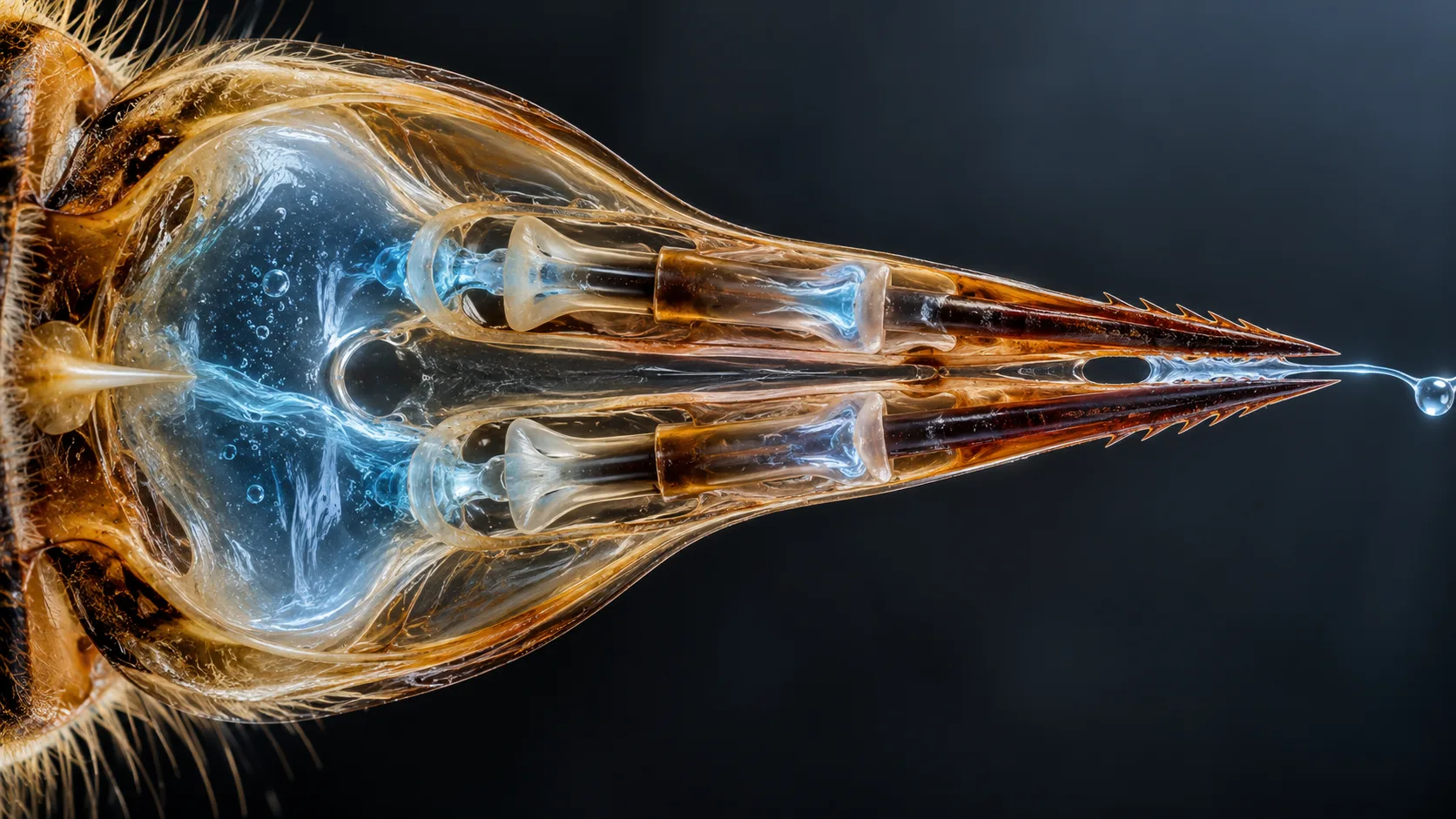
Most stinging animals deliver venom by contracting muscles around a venom reservoir, but honey bees employ a fundamentally different strategy. The stingers of worker bees have the unique ability to autotomize, separating from the body, to continue to sting independently. Despite more than a century of anatomical descriptions, the mechanics of venom pumping have remained unresolved due to the challenges of observing them in action. We recorded high-speed videos of active, autotomized stingers, co

Continue reading
Health & Medicine

Chronic cigarette smoke exposure induces distinct stem cell states driving genetic driver-specific non-small cell lung cancer subtypes.

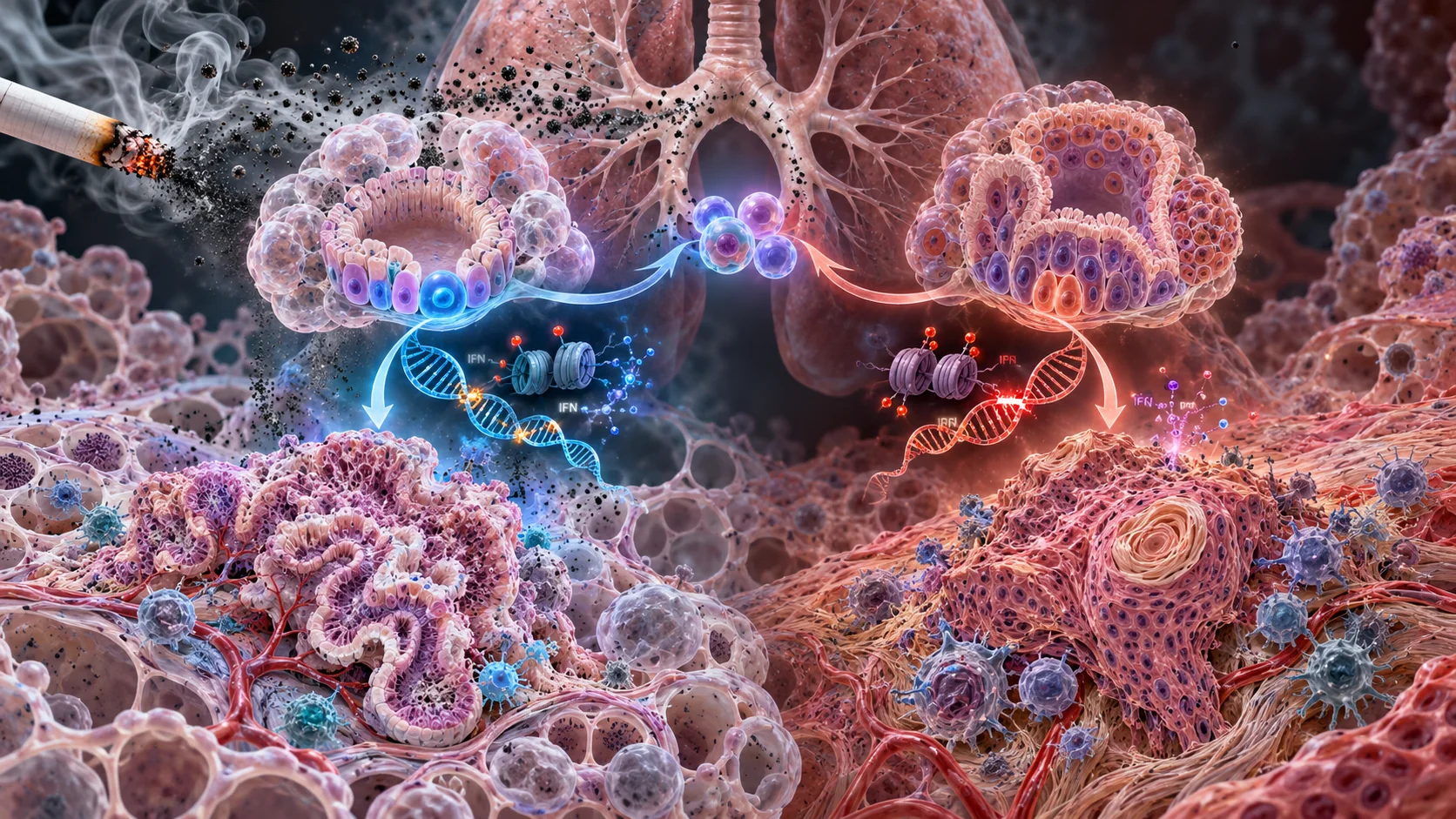
Cigarette smoke-induced chronic inflammation (CI) potentiates development of non-small cell lung cancer (NSCLC) by mediating genetic and epigenetic events. Using normal lung organoids (LOs), we define how chronic cigarette smoke condensate (CSC) exposure drives two separate stem cell populations to evolve premalignant states harboring progressive epigenetic and linked transcriptomic abnormalities in the absence of major driver mutations. These dynamics facilitate evolution of an immune evasive s

Continue reading
Health & Medicine

Cell identity competes with surface tension to determine stromal organization in tumor spheroids beyond the CAF shell paradigm.

Cancer-associated fibroblasts (CAFs) are often found forming a peripheral stromal barrier around tumors. Here, this paradigm is challenged using microfabricated 3D cancer-CAF spheroid models combined with quantitative magnetic force tensiometry. A surface tension atlas is established for eight cancer cell lines, three CAF populations, and heterotypic tumor-CAF assemblies, spanning nearly two orders of magnitude. Surface tension is first shown to govern spheroid morphology and modulate drug respo

Continue reading
Health & Medicine

A phenome-wide structural variant map from 467,152 UK Biobank genomes.

Structural variants (SVs) are large (>50 base pairs) genomic rearrangements that can significantly influence human phenotypes, yet their contribution to health and disease remains undercharacterized. We conducted a phenome-wide association study (PheWAS) of 1.6 million SVs identified in whole-genome sequencing data from 467,152 UK Biobank participants, across 13,322 binary, 2,018 quantitative, and 2,923 plasma protein traits. Of these, 82.25% of SVs were outside the detectable range of prior

Continue reading
Health & Medicine

Mitochondria-targeted tetraoxanes initiate lipid peroxidation to drive ferroptosis and tumor suppression.

Ferroptosis is implicated as a vulnerability in multiple cancers, yet approaches for effectively inducing ferroptosis in vivo are limited. Bypassing conventional strategies targeting the antiferroptotic glutathione peroxidase 4 (GPX4) and ferroptosis suppressor protein 1 (FSP1) proteins, we designed metabolic initiators of lipid peroxidation (MILPOs) and developed the compounds WMK-1/2, which contain tetraoxane radical-generating and mitochondria-targeting groups, as de novo ferroptosis inducers

Continue reading