Cardiovascular outcomes with survodutide in adults with obesity at increased cardiovascular risk (SYNCHRONIZE-CVOT): a double-blind, randomised, placebo-controlled, phase 3 trial.
Survodutide, a glucagon receptor and GLP-1 receptor dual agonist, improved markers of cardiometabolic health in people with obesity, but cardiovascular safety for this new class remains to be established. SYNCHRONIZE-CVOT was a global, phase 3, randomised, double-blind, parallel-group, placebo-controlled, multicentre, event-driven, cardiovascular safety trial conducted at 524 clinical sites in 34 countries. We included participants aged 18 years or older with a BMI of 27 kg/m 2 or greater and es
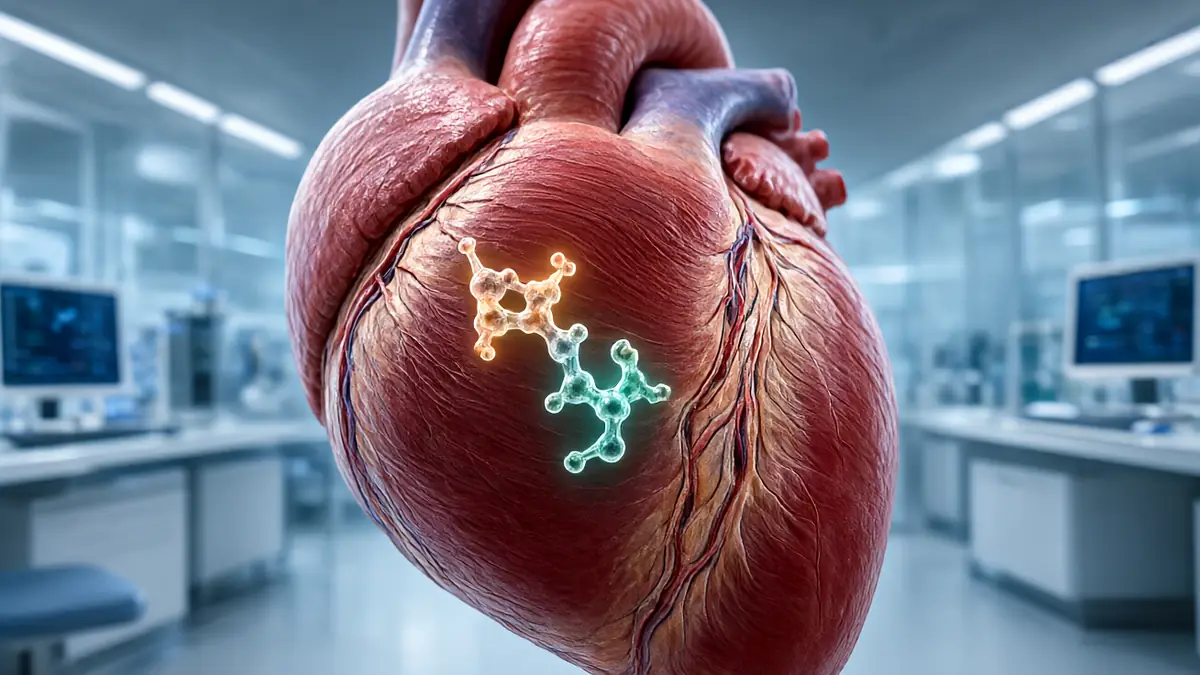
Survodutide, a glucagon receptor and GLP-1 receptor dual agonist, improved markers of cardiometabolic health in people with obesity, but cardiovascular safety for this new class remains to be established. SYNCHRONIZE-CVOT was a global, phase 3, randomised, double-blind, parallel-group, placebo-controlled, multicentre, event-driven, cardiovascular safety trial conducted at 524 clinical sites in 34 countries. We included participants aged 18 years or older with a BMI of 27 kg/m 2 or greater and established cardiovascular disease or at least two obesity complications or risk factors for cardiovascular disease; participants with chronic kidney disease were eligible if they also had a BMI of 30 kg/m 2 or greater. Participants were randomly assigned by interactive response technology (1:1:1) to once-weekly subcutaneous survodutide (up-titrated to 3·6 mg or 6·0 mg) or placebo. The primary endpoint was a composite of death from cardiovascular causes, non-fatal stroke, non-fatal myocardial infarction, ischaemia-related coronary revascularisation, or heart failure event (targeting 189 primary endpoint events). We assessed the non-inferiority of pooled survodutide compared with placebo with a margin of 1·65 for the upper limit of the two-sided 95% CI of the hazard ratio (HR). Efficacy and safety analyses included all randomly assigned participants who received at least one dose of survodutide or placebo. The primary analysis was performed according to the treatment-regimen estimand, which assessed treatment effects regardless of any early discontinuation of survodutide or placebo, temporary stop, the use of protocol-prohibited obesity medications, or a prolonged dose-escalation period. This completed trial is registered with ClinicalTrials.gov, NCT06077864. From Nov 20, 2023, to Nov 8, 2024, we screened 7753 participants, of whom 5530 (71·3%) participants were recruited and randomly assigned to treatment. 23 (0·4%) participants were not treated; 1836 (33·3%) of 5507 participants received survodutide 3·6 mg, 1835 (33·3%) received 6·0 mg, and 1836 (33·3%) received placebo; 2194 (39·8%) were female, 3313 (60·2%) were male, and 4332 (78·7%) were White. Median time in study was 22·0 months (IQR 20·1-23·7). 1029 (56·0%) in the survodutide 3·6 mg group, 1039 (56·6%) in the survodutide 6·0 mg group, and 1083 (59·0%) in the placebo group remained on treatment until study closeout. The primary endpoint occurred in 136 (3·7%) of 3671 participants in the survodutide group and in 76 (4·1%) 1836 participants in the placebo group (HR 0·89 [95% CI 0·67-1·18; p<0·0001 for non-inferiority). Adverse events occurred in 1708 (93·0%) of 1836 participants with survodutide 3·6 mg, 1708 (93·1%) of 1835 with survodutide 6·0 mg, and 1571 (85·6%) of 1836 with placebo. Gastrointestinal adverse events were more frequent with survodutide than in the placebo group (nausea occurred in 882 [48·0%] of 1836 participants in the 3·6 mg group and 900 [49·0%] of 1835 in the 6·0 mg group vs 223 [12·1%] of 1836 in the placebo group, and vomiting occurred in 582 [31·7%] participants in the 3·6 mg group and 623 [34·0%] in the 6·0 mg group vs 89 [4·8%] in the placebo group). Gastrointestinal adverse events leading to treatment discontinuations occurred in 354 (19·3%) participants in the survodutide 3·6 mg group, 381 (20·8%) in the survodutide 6·0 mg, and 34 (1·9%) in the placebo group. Serious adverse events occurred at similar rates across treatment groups (413 [22·5%] in the survodutide 3·6 mg group, 381 [20·8%] in the survodutide 6·0 mg, and 439 [23·9%] in the placebo group). Fatal adverse events were similar across treatment groups (16 [0·9%] in the survodutide 3·6 mg group, 16 [0·9%] in the survodutide 6·0 mg, and 11 [0·6%] in the placebo group) and were primarily due to cardiac disorders (six [0·3%] in the survodutide 3·6 mg group, seven [0·4%] in the survodutide 6·0 mg, and six [0·3%] in the placebo group). In participants with obesity with established cardiovascular disease or chronic kidney disease or at increased risk of cardiovascular disease, survodutide was not associated with increased risk for the primary composite endpoint of death from cardiovascular causes, non-fatal stroke, non-fatal myocardial infarction, ischaemia-related coronary revascularisation, or heart failure event compared with placebo. This cardiovascular safety trial provides clinicians with reassuring data that treatment with survodutide, a novel glucagon receptor-GLP-1 receptor dual agonist, is not associated with increased cardiovascular risk. Boehringer Ingelheim.