Autothermal methane pyrolysis: Scalable heat integration for hydrogen and graphite production.
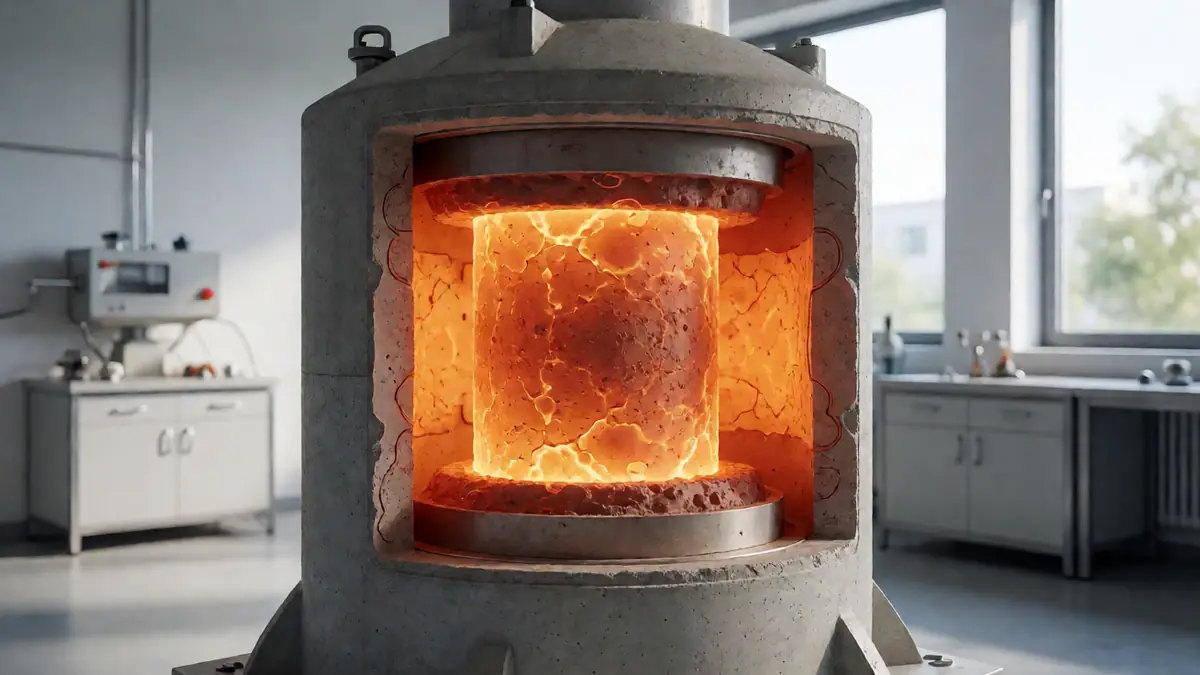
Methane pyrolysis (MP) offers a compelling opportunity to meet low-carbon hydrogen demand using existing energy infrastructure. A key limitation in scaling MP is the efficient delivery of high-temperature heat into the reactor. We show that hydrogen-fueled autothermal operation overcomes this limitation, enabling an increase of several orders of magnitude in the reactor throughput for commercially relevant bed diameters. It also yields a carbon coproduct of 96.0% degrees of graphitization, meeti
Methane pyrolysis (MP) offers a compelling opportunity to meet low-carbon hydrogen demand using existing energy infrastructure. A key limitation in scaling MP is the efficient delivery of high-temperature heat into the reactor. We show that hydrogen-fueled autothermal operation overcomes this limitation, enabling an increase of several orders of magnitude in the reactor throughput for commercially relevant bed diameters. It also yields a carbon coproduct of 96.0% degrees of graphitization, meeting graphite precursor specifications and enabling domestic graphite production from natural gas using low-cost iron oxide catalysts. We further demonstrate a strategy to suppress the direct emissions inherent to autothermal operation, reducing them to near zero. A process-level life cycle assessment estimates that carbon intensities for autothermal methane pyrolysis can be as low as 1.9 to 4.5 kilograms (kg) of CO 2,eq per kg H 2 .