Physical/Tech

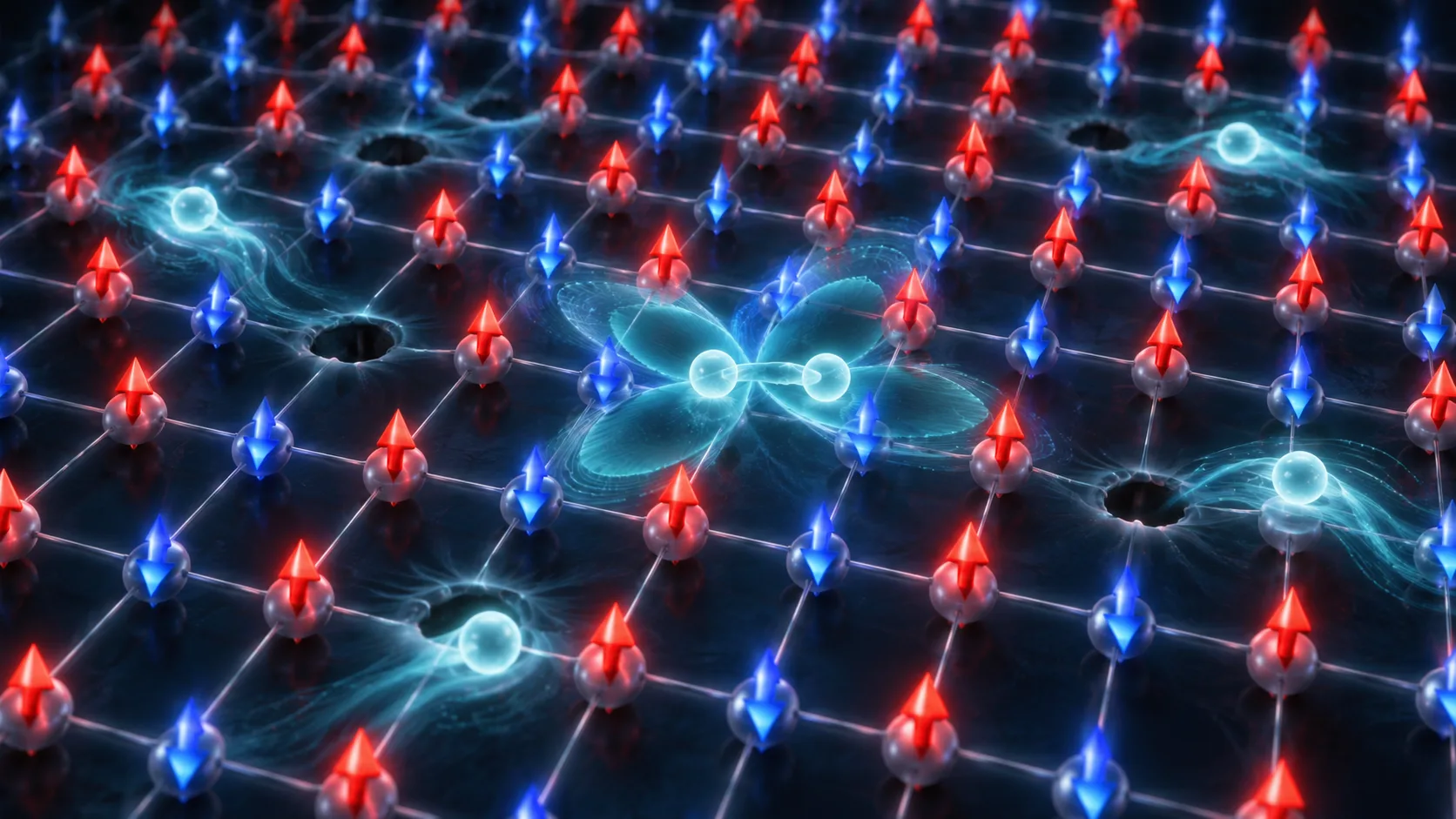
Antiferromagnetism and tightly bound Cooper pairs induced by kinetic frustration.
| Source: Proceedings of the National Academy of Sciences of the United States of America

Antiferromagnetism and superconductivity are often viewed as competing orders in correlated electron systems. Here, we demonstrate that kinetic frustration in hole motion facilitates their coexistence within the square-lattice repulsive Hubbard model. Combining exact analytical solutions on tailored geometries with large-scale numerical simulations, we reveal a robust pairing mechanism: Holes on opposite sublattices behave as if they carry opposite effective charges due to spin singlet formation

Antiferromagnetism and superconductivity are often viewed as competing orders in correlated electron systems. Here, we demonstrate that kinetic frustration in hole motion facilitates their coexistence within the square-lattice repulsive Hubbard model. Combining exact analytical solutions on tailored geometries with large-scale numerical simulations, we reveal a robust pairing mechanism: Holes on opposite sublattices behave as if they carry opposite effective charges due to spin singlet formation from kinetic frustration. This emergent property suppresses phase separation and fosters a coherent [Formula: see text]-wave superconducting channel embedded within a long-range antiferromagnetic background. Our findings establish a minimal yet broadly applicable framework for stabilizing strong-coupling superconductivity in doped Mott insulators.
Read the original source →

Related Stories

Physical/Tech

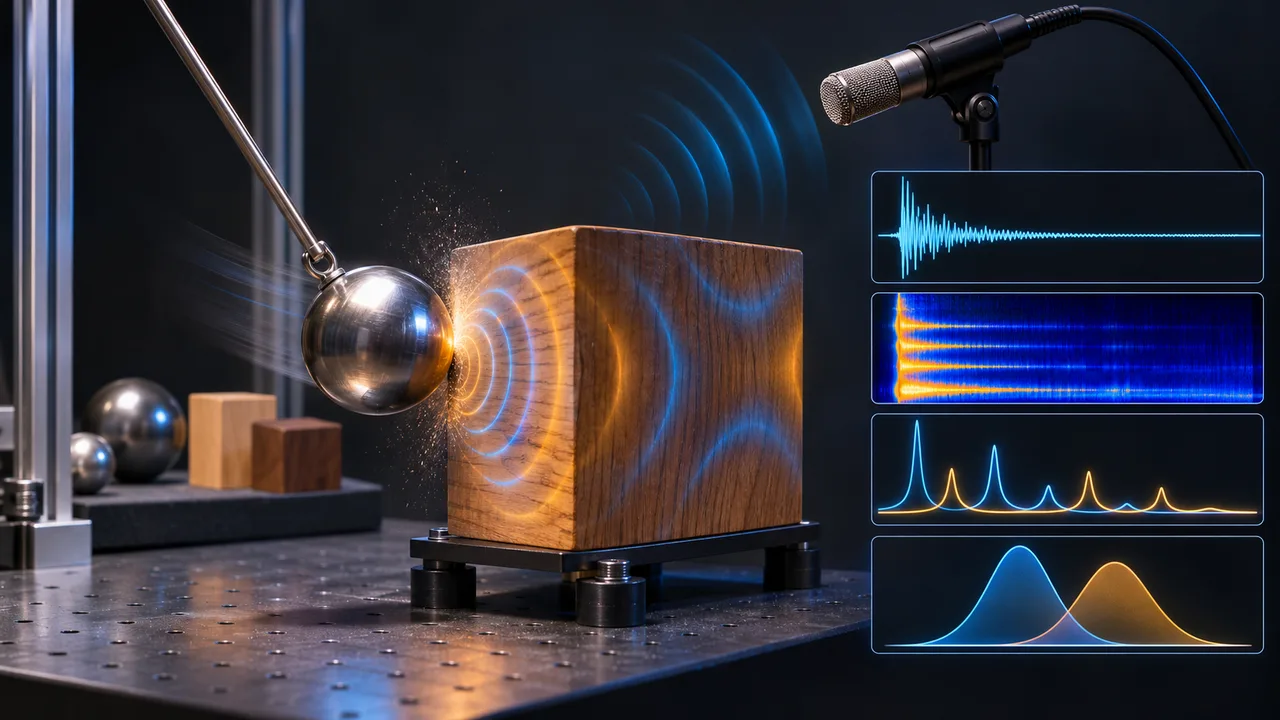
Intuitive knowledge of object acoustics enables perceptual separation of physical variables from impact sounds.

Upon hearing objects collide, humans can estimate physical attributes such as material and mass. Although the physics of sound generation is well established, the inverse problem that listeners solve-of inferring physical parameters from sound-remains poorly understood. Classical accounts posit the use of acoustic cues that correlate with physical variables but do not explain how humans might distinguish multiple concurrent physical causes. To study this problem, we measured impulse responses fr

Continue reading
Physical/Tech

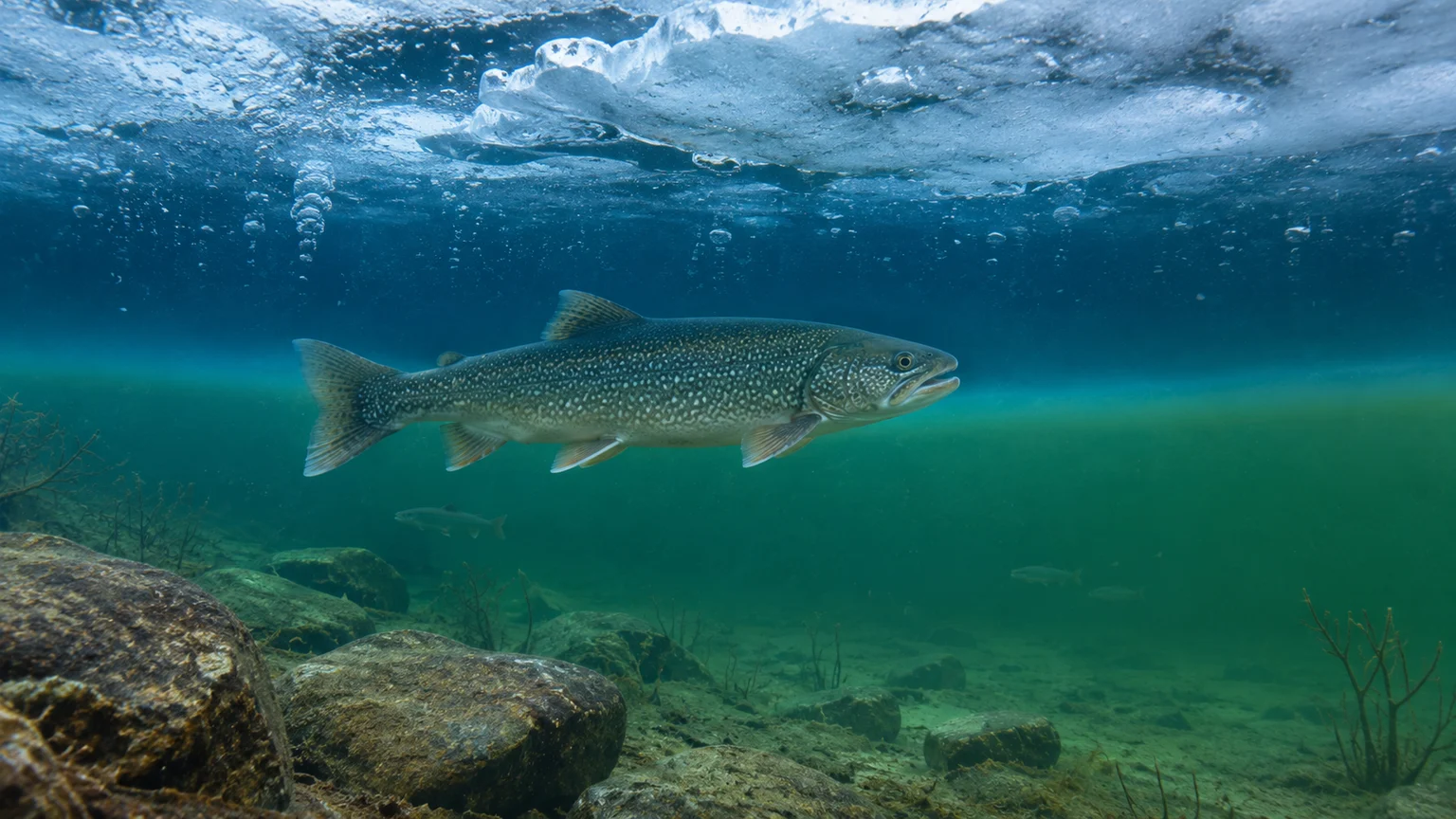
Sub-ice thermal gradients strongly influence winter depth use of an iconic cold-water fish.

In a thermally stratified lake, freshwater fish select habitats that align with their thermal preferences. While most studies of dimictic lakes have focused on habitat selection during summer stratification, less attention has been given to winter when inverse thermal stratification occurs with water temperatures between 0 to 4 °C. Our results show that winter thermal stratifications vary considerably among lakes. Much of the variation in winter depth use by the cold-water predator, Lake Tr

Continue reading
Physical/Tech

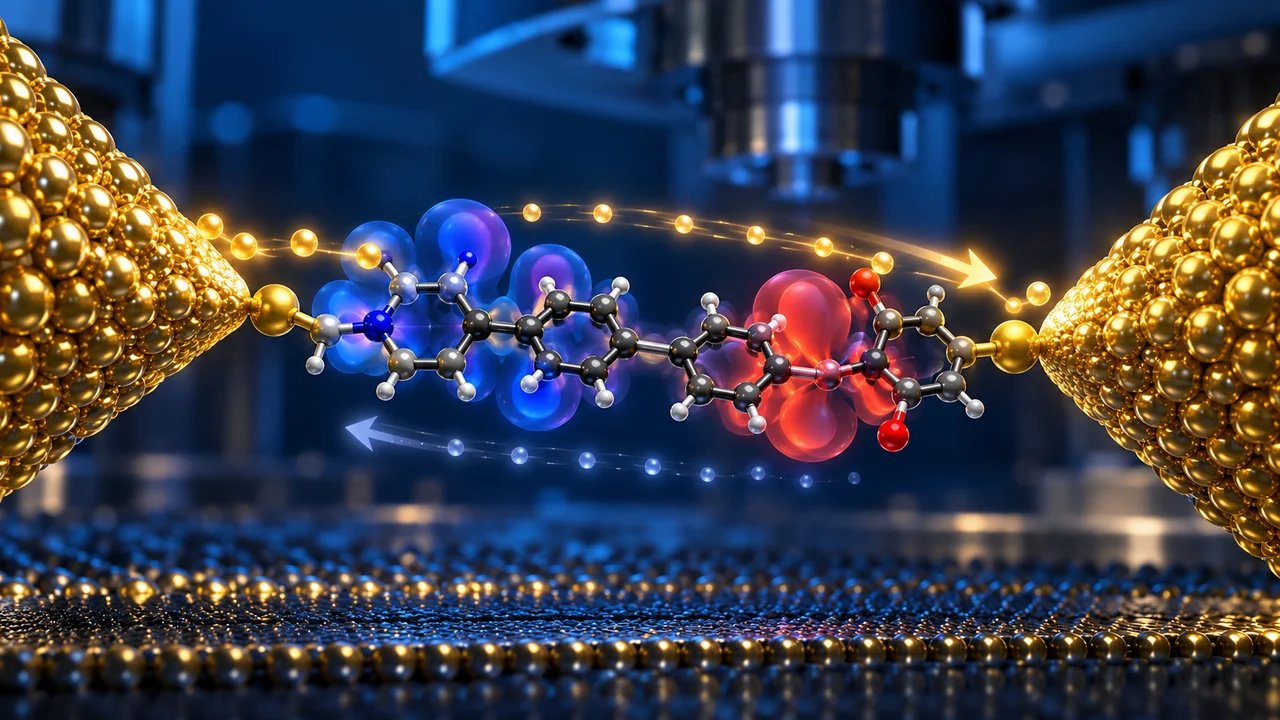
Mark A. Ratner (1942-2026): Founded molecular electronics while spearheading the growth of science at Northwestern University.

Recently, we lost one of the original developers of the field of molecular electronics. Mark A. Ratner wrote a famous paper in 1974 that developed the theoretical framework for making a molecule act as a rectifier. This idea, and a host of further ideas that were stimulated by this and other papers, led to a huge amount of experimental and theoretical studies that continue to this day. But Mark's career was much more than that, with leadership at Northwestern University and beyond that continues

Continue reading
Physical/Tech

Bayesian knockoff filter for controlling false discovery rate.

In many scientific fields, researchers are interested in discovering features with substantial effects on the response from a large number of candidate features while controlling the proportion of false discoveries. By incorporating the knockoff procedure in a Bayesian framework, we develop the Bayesian knockoff filter (BKF) for selecting important features. The BKF is built upon a tight upper bound for the posterior probability of the null hypothesis, which is derived under the Bayesian "flip-s

Continue reading
Physical/Tech

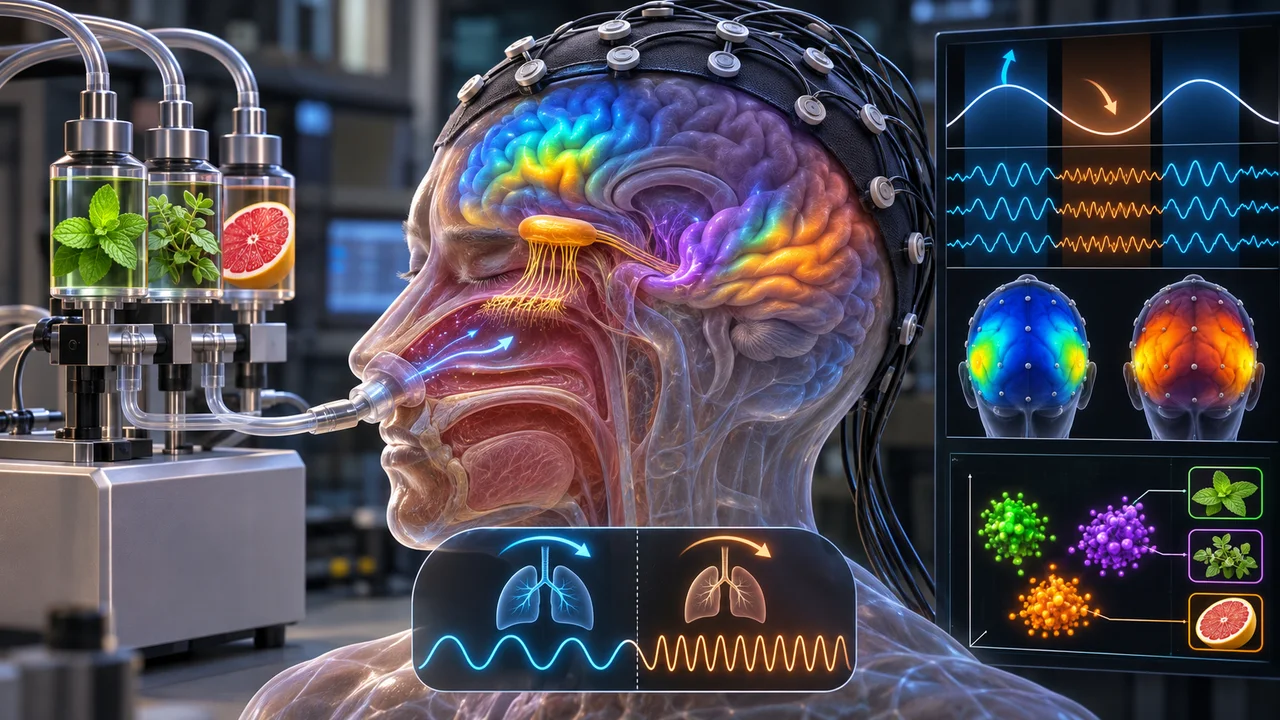
Respiratory phase orchestrates human olfactory cortical dynamics.

Olfaction is fundamental to perception, memory, and emotion, yet the neural basis of human odor processing remains poorly understood. We demonstrate that odor-evoked brain activity is organized by respiratory phase-not absolute time-revealing that natural breathing structures olfactory cortical dynamics. Using simultaneous nasal respiration and electroencephalography recordings in [Formula: see text] participants, we delivered naturalistic odors (peppermint, oregano, and grapefruit) synchronized

Continue reading