Health & Medicine

An expanded codebook of human transcription factor DNA-binding specificity.
| Source: Nature

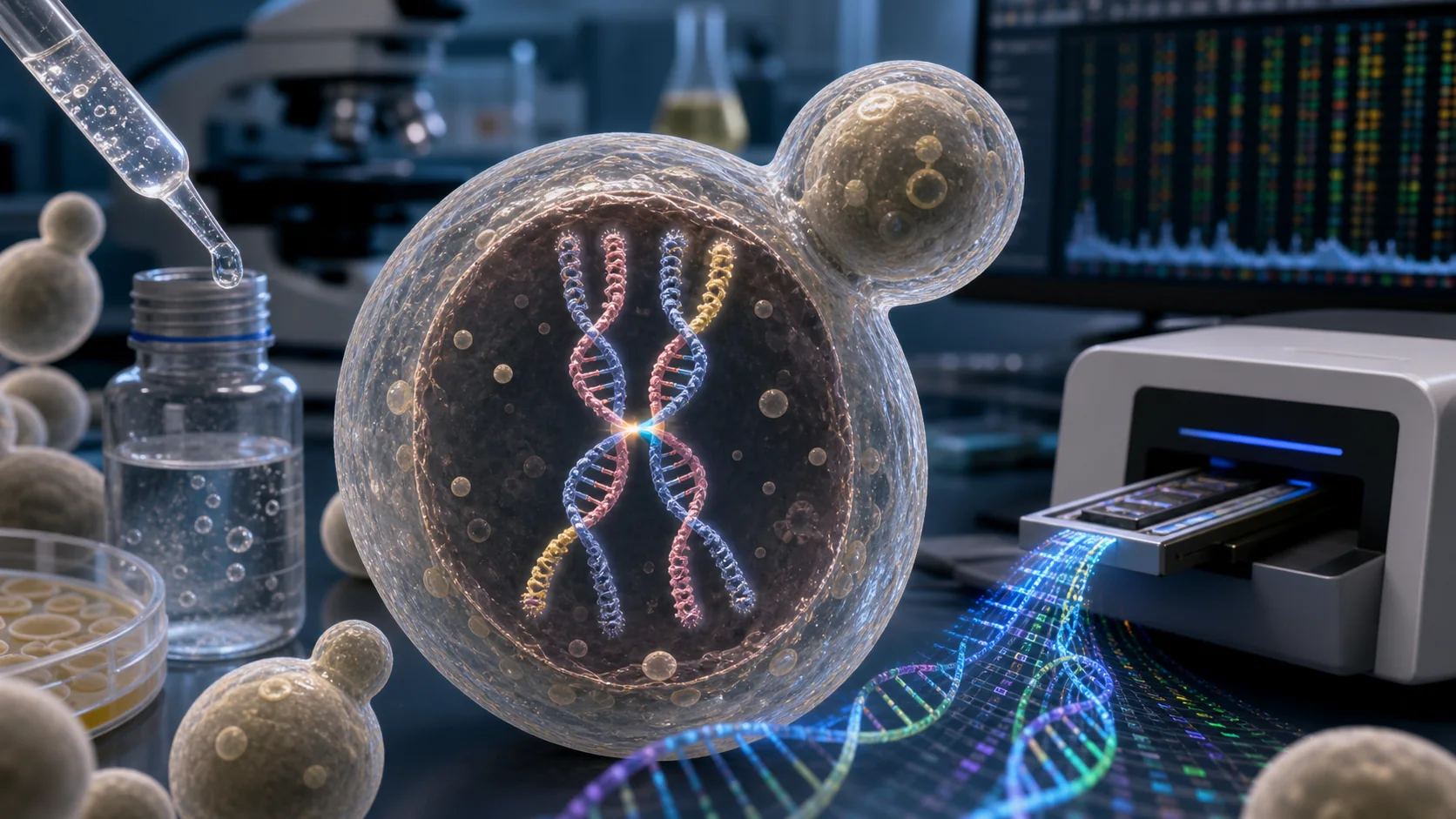
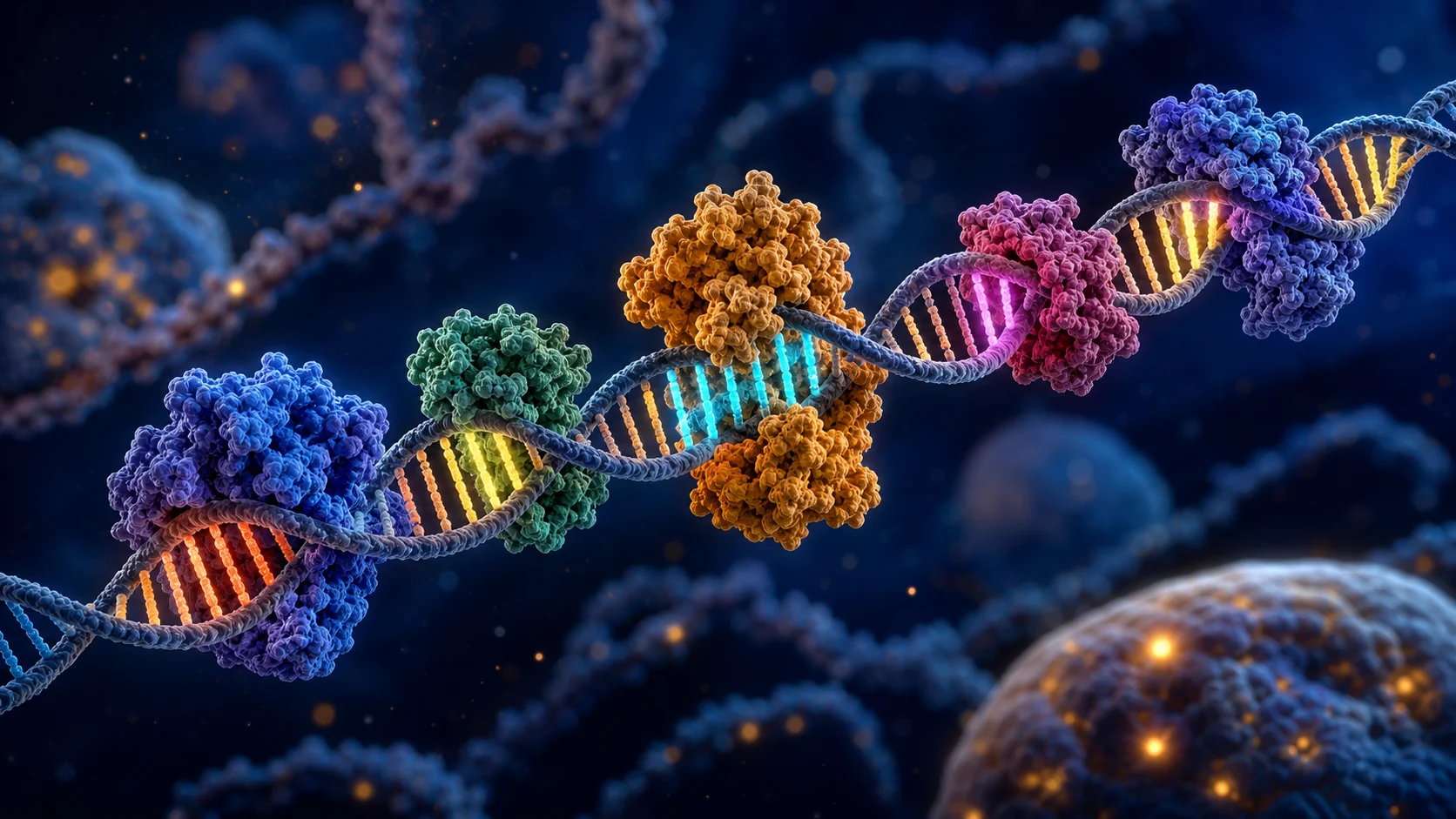
Gene expression is regulated by transcription factors (TFs), which recognize specific DNA sequence motifs. Several hundred putative human TFs, identified mainly by an apparent DNA-binding domain, lack known binding motifs 1 . Furthermore, even for well-characterized TFs, it remains controversial the degree to which motifs accurately reflect binding sites in living cells 2 . Here we describe a systematic effort ('Codebook') to determine the sequence specificity of 332 putative and poorly characte

Gene expression is regulated by transcription factors (TFs), which recognize specific DNA sequence motifs. Several hundred putative human TFs, identified mainly by an apparent DNA-binding domain, lack known binding motifs 1 . Furthermore, even for well-characterized TFs, it remains controversial the degree to which motifs accurately reflect binding sites in living cells 2 . Here we describe a systematic effort ('Codebook') to determine the sequence specificity of 332 putative and poorly characterized human TFs. More than 4,000 independent experiments, encompassing multiple in vitro and in vivo assays, produced motifs for just over half (177; 53%) of the TFs, of which most are associated with only a single protein. These results extend the vocabulary of sequence recognition encoded by human TFs by around 130 distinct motifs. Moreover, binding motifs identified in vitro are strongly enriched in cellular binding sites. Collectively, the data reveal tens of thousands of previously unknown, conserved and direct TF-binding sites across the human genome. These sites are concentrated in promoter regions and are predictive of gene expression. In summary, this new codebook provides an important step forward in decoding the human genome.
Read the original source →

Related Stories

Health & Medicine

Palmitoylation of TK1 exacerbates osteoarthritis by promoting JNK-mediated metabolic reprogramming.

Osteoarthritis (OA) lacks approved disease-modifying therapies. Here, by integrating quantitative proteomics with reanalysis of public single-cell RNA sequencing data from human articular cartilage, we identify thymidine kinase 1 (TK1) as a pathogenic regulator linking inflammatory stress to metabolic rewiring and matrix breakdown. TK1 is markedly upregulated in OA chondrocytes. Mechanistically, IL-1β enhances S-palmitoylation of TK1 at Cys153, which promotes USP9X-dependent deubiquitinati

Continue reading
Health & Medicine

Duration of Therapeutic Hypothermia After Out-of-Hospital Cardiac Arrest: The ICECAP Randomized Clinical Trial.

Therapeutic hypothermia is widely used for neuroprotection following cardiac arrest, but clinical trials have not consistently demonstrated improved neurological outcomes, and the optimal duration of cooling remains uncertain. To determine the duration of therapeutic hypothermia that maximizes neurological recovery in comatose survivors of out-of-hospital cardiac arrest. Multicenter, randomized, adaptive-allocation clinical trial conducted at 71 hospitals in the US. Adults with out-of-hospital c

Continue reading
Health & Medicine

An ancient mitochondrial program tunes translation to haem availability.

Anaemia is a major global health burden that affects one-quarter of the human population and annually accounts for over 50 million years of healthy life lost 1 . It arises from nutritional iron deficiency, hereditary disorders (including thalassaemia and sickle cell disease) and malaria, and is characterized by haemoglobin imbalances 2 . Haem-the active component of haemoglobin-is both essential and potentially toxic, which necessitates tight control of levels. However, the molecular circ

Continue reading
Health & Medicine

Cryoelectron tomography reveals an age-related decline in mitoribosomes that contributes to T cell dysfunction in older individuals.

Mitochondrial dysfunction drives T cell aging in mice. Yet, due to fundamental differences in T cell aging mechanisms between species, whether human T cells exhibit similar mitochondrial alterations remains unclear, with existing evidence often conflicting. Using cryoelectron tomography, we resolved the structure and spatial organization of mitochondrial ribosomes in primary human CD8 + T cells under physiological conditions. Comparative analysis with human aging models revealed an age-related r

Continue reading
Health & Medicine

RelB NF-κB tunes Notch2 signaling to promote IL-23-secreting solitary isolated lymphoid tissue-resident DCs critical for gut immunity.

While preserving tolerance toward commensals, dendritic cells (DCs) also orchestrate response against pathogens. The noncanonical RelB NF-κB pathway in DCs curbs tolerogenic Tregs in the intestine. Whether RelB-dependent DC regulations also impact intestinal immunity remains less clear. Here, we show that genetic ablation of RelB in DCs compromises IL-23-dependent immune response in the intestine, imparting vulnerability in Relb ΔCD11c mice to infection with Citrobacter rodentium , a

Continue reading