Health & Medicine

A consensus-based guideline for personalized bacteriophage therapy.

| Source: Nature medicine

Bacteriophages (phages) - viruses that selectively infect bacteria - are a promising option for personalized therapy of difficult-to-treat bacterial infections. Clinical implementation in many countries worldwide, however, faces multiple hurdles, including a lack of consensus on general principles for phage therapy, infrastructural requirements, procedures for quality-assured phage selection and preparation, clinical administration, monitoring and documentation. Existing guidance provides limite

Bacteriophages (phages) - viruses that selectively infect bacteria - are a promising option for personalized therapy of difficult-to-treat bacterial infections. Clinical implementation in many countries worldwide, however, faces multiple hurdles, including a lack of consensus on general principles for phage therapy, infrastructural requirements, procedures for quality-assured phage selection and preparation, clinical administration, monitoring and documentation. Existing guidance provides limited practical direction across the entire translational pathway and lacks inspection-ready specifications to support both pharmacies and clinical sites. These gaps impede safe and transparent clinical use and effective regulatory oversight. Likewise, there are no established processes to identify research questions that will be key to advancing clinical phage research in the future. To address these needs, this consensus-based guideline was developed within the methodological framework of the Association of the Scientific Medical Societies in Germany under the leadership of the German Society for Infectious Diseases. It was created through a collaborative effort involving 20 professional societies, patient advocacy groups and regulatory authorities and 18 international experts. The guideline provides over 60 recommendations on core principles, infrastructure, preparation and quality control, administration and future research. Recommendations are supported by international societies, organizations and stakeholders. By providing clear and practice-oriented recommendations, this consensus statement paves the way for the safe and standardized use of personalized phage therapy.
Read the original source →

Related Stories

Health & Medicine

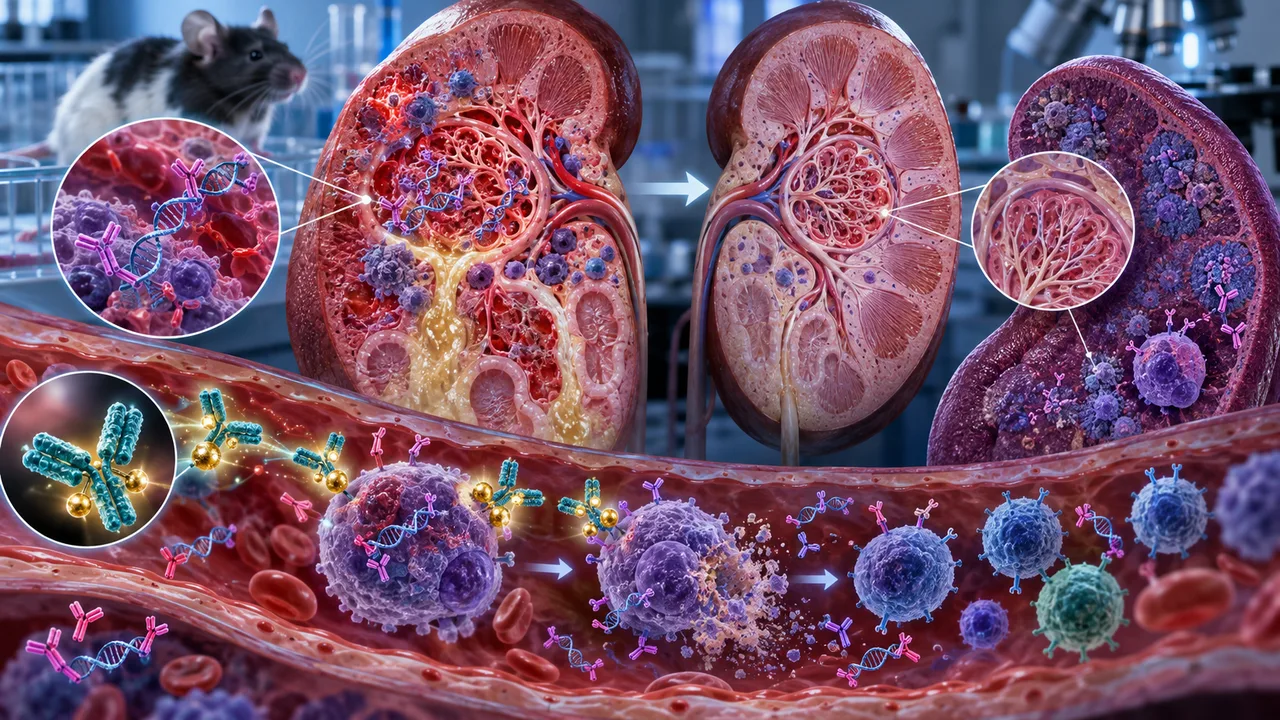
Selective ablation of dsDNA-specific plasma cells improves lupus nephritis in NZB/W mice.

Antibodies specific for double-stranded DNA (dsDNA) are thought to play a crucial role in the pathogenesis of lupus nephritis. Plasma cells have emerged as a promising therapeutic target in antibody-mediated diseases. Here, we show that dsDNA oligonucleotides longer than 80 bp and irrespective of their sequence, react with more than 80% of murine and human dsDNA antibodies. With a conjugate of a modified antibody to mouse CD138 and 100 bp dsDNA oligonucleotides, we demonstrate the selective depl

Continue reading
Health & Medicine

The genomic origins of cyanobacterial morphological diversity.

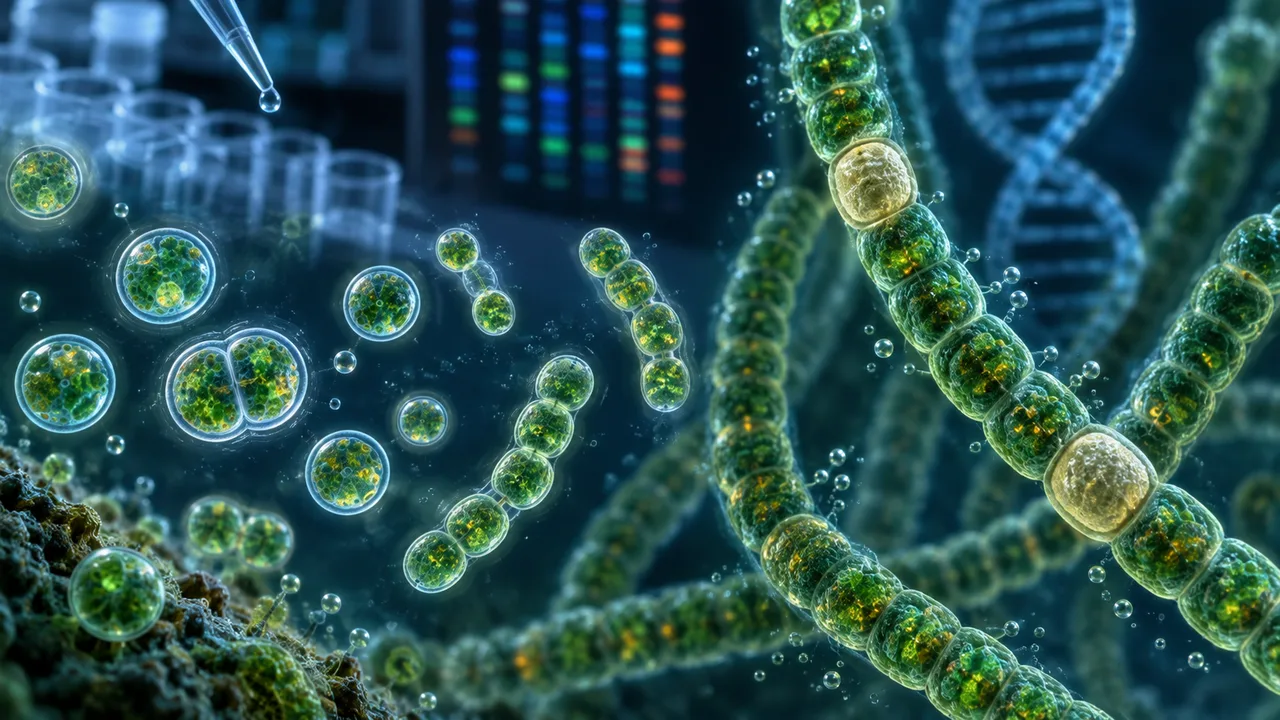
Cyanobacteria are the only prokaryotes to have evolved oxygenic photosynthesis, transforming the geochemistry and biology of the planet. They exhibit remarkable morphological diversity and represent one of the earliest known multicellular organisms, including filamentous growth and cellular differentiation. However, the genomic mechanisms underlying their repeated transitions between unicellularity and multicellularity remain unresolved. Here, we implement phylogenomic and Bayesian molecular clo

Continue reading
Health & Medicine

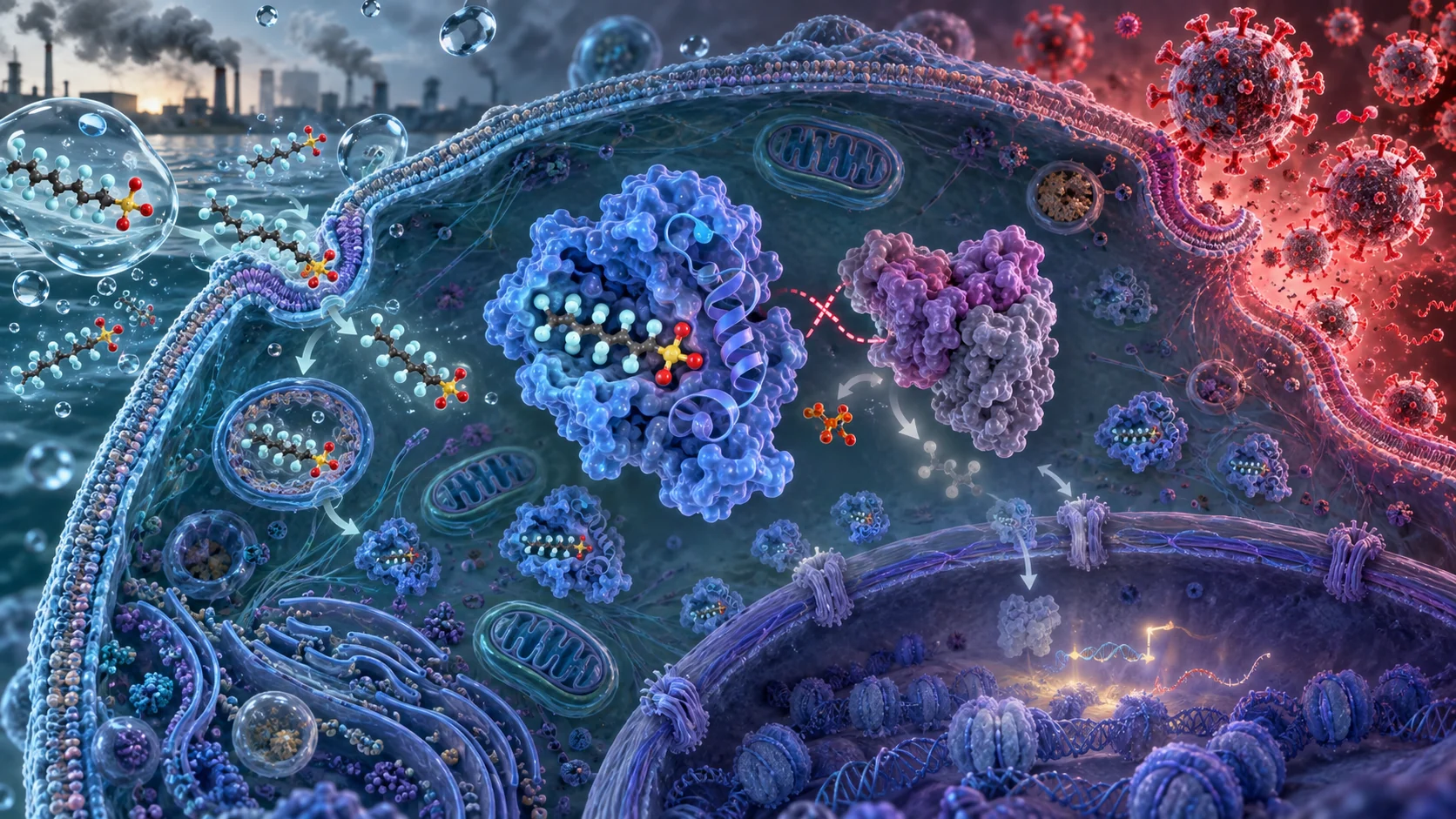
Perfluorooctane sulfonate directly interacts with IRF3 to attenuate antiviral innate immunity.

Perfluorooctane sulfonate (PFOS), a prominent per- and polyfluoroalkyl substance (PFAS), has raised significant public health concerns due to its widespread use, environmental persistence, and bioaccumulation potential. Both epidemiological and experimental studies demonstrate that PFOS exposure causes immunotoxicity and disrupts both innate and adaptive immunity. However, the specific effects of PFOS on innate antiviral immunity remain poorly understood. Here, by integrating multi-omics analysi

Continue reading
Health & Medicine

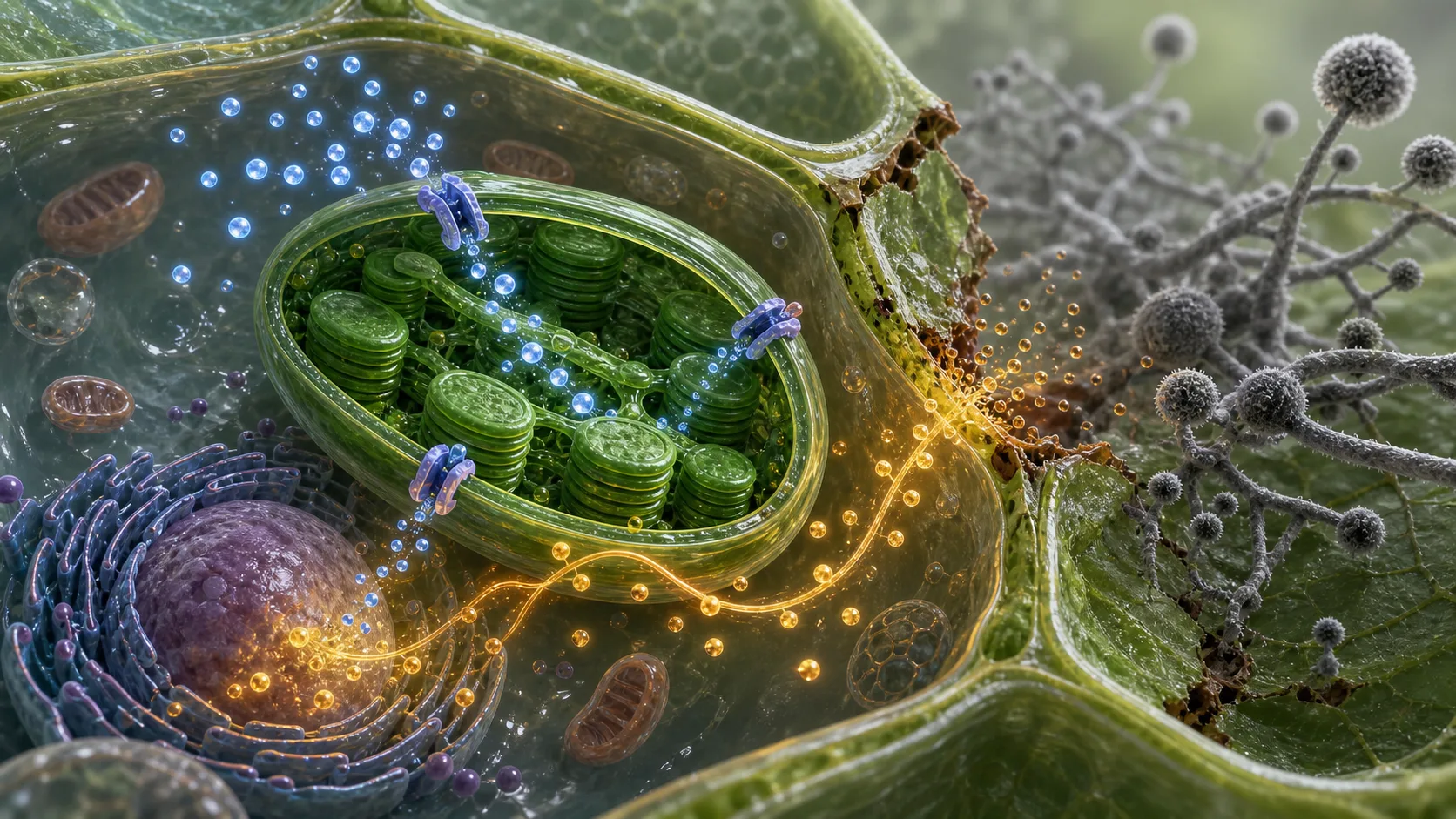
PLASTID ENVELOPE ION CHANNELS (PEC1/2) link Ca 2+ and jasmonic acid signaling in plant cells.

Plants constantly encounter adverse environmental interactions. One organelle is particularly specialized in stress signaling and phytohormone synthesis: the plastid. Calcium (Ca 2+ ), a key second messenger, is known to intersect with cellular phytohormone signaling networks. While cytosolic Ca 2+ dynamics have been studied extensively, the physiological relevance of stromal Ca 2+ transients and the identity of channels mediating rapid Ca 2+ flux into plastids remain largely unexplored. In this

Continue reading
Health & Medicine

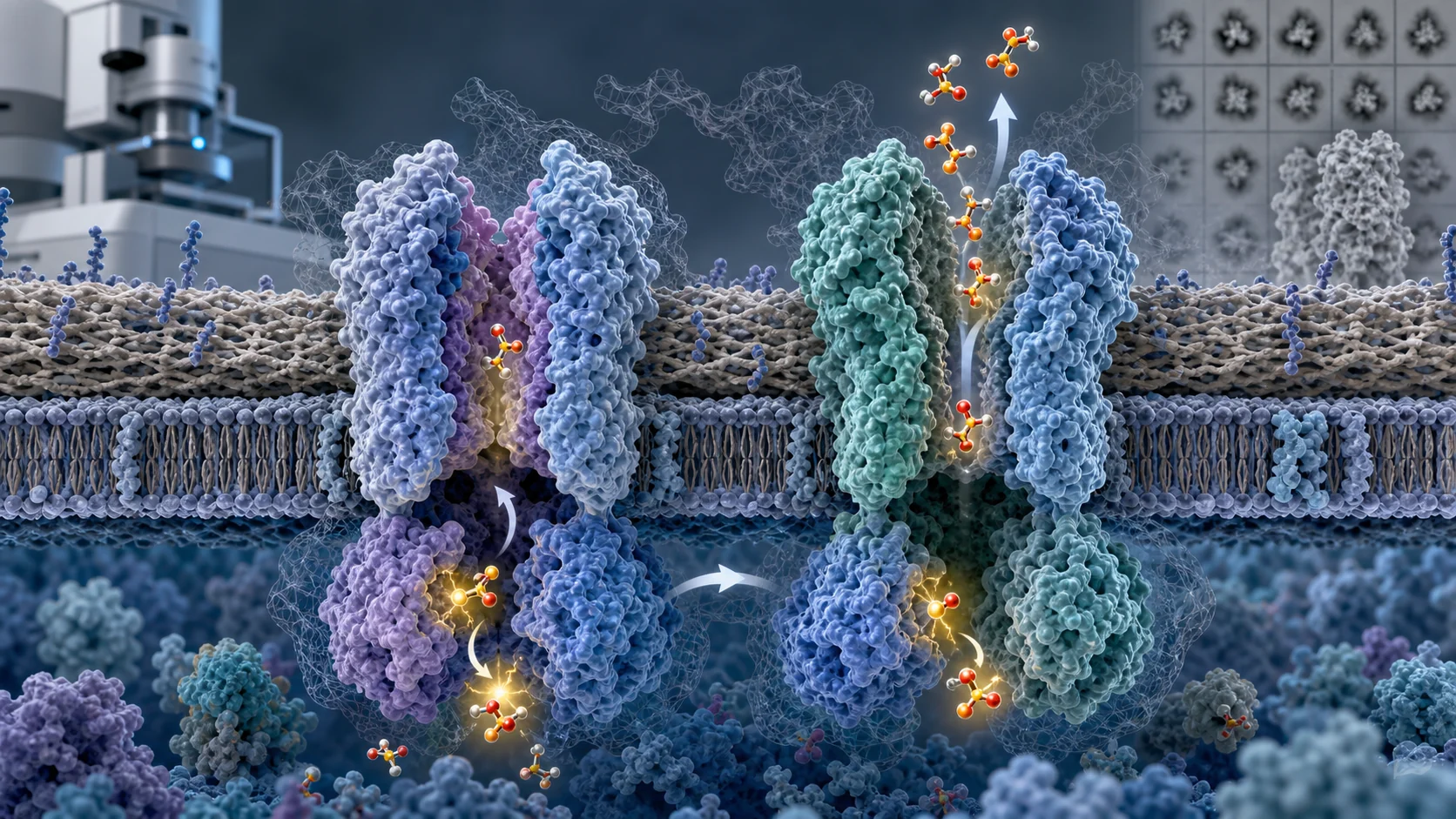
Structural insights into fosfomycin efflux by a streptococcal ABC transporter.

Gram-positive bacteria encode a broad array of ABC transporters that mediate substrate translocation across the cell membrane, with some contributing to their survival under environmental stresses such as antimicrobial exposure. While several of these transporters have been shown to exhibit multidrug efflux activity, the functional roles of many others remain unknown. Here, using an efflux pump screen in the opportunistic human pathogen Streptococcus pneumoniae , we identified a previously uncha

Continue reading