Environment

Unlocking cycle life of lithium metal batteries

| Source: Science

Lithium-ion Coulombic efficiency (Li CE) is widely used to evaluate interfacial stability and predict cycle life in lithium-ion batteries but fails in lithium-metal batteries (LMBs), in which higher Li CE does not reliably lead to longer cycle life. Here, we reveal that electrolyte depletion caused by unstable solid electrolyte interphases (SEIs) leads to electrolyte dry-out and induces lithium compensation through anode-to-cathode cross-talk, whereby soluble anionic species formed at the anode

Lithium-ion Coulombic efficiency (Li CE) is widely used to evaluate interfacial stability and predict cycle life in lithium-ion batteries but fails in lithium-metal batteries (LMBs), in which higher Li CE does not reliably lead to longer cycle life. Here, we reveal that electrolyte depletion caused by unstable solid electrolyte interphases (SEIs) leads to electrolyte dry-out and induces lithium compensation through anode-to-cathode cross-talk, whereby soluble anionic species formed at the anode migrate to the cathode and release Li + from electrolyte salts upon oxidation. We establish quantitative relationships among SEI quality, electrolyte consumption, and lithium compensation, enabling accurate cycle life prediction. The SEI quality–based framework derives quantitative guidelines for electrolyte design to extend electrolyte lifetime and sustain long cycle life in high-energy LMBs under ultra-lean electrolyte conditions.

Read the original source →

Related Stories

Environment

Meteoritic organic matter records primitive oxygen reservoirs of the solar system.

Unraveling the complex formation and alteration history for extraterrestrial organic matter is key to understanding the chemical evolution of the solar system (SS) and potentially even life's emergence on Earth. In this study, we performed high-precision triple oxygen isotope measurements on insoluble organic matter (IOM) sourced from a diverse suite of carbonaceous chondrites (CCs). Remarkably, the IOM from primitive Type 1 and 2 CCs-including CI, CM, CR, Bells, and Tarda-have oxygen isotope co

Continue reading
Environment

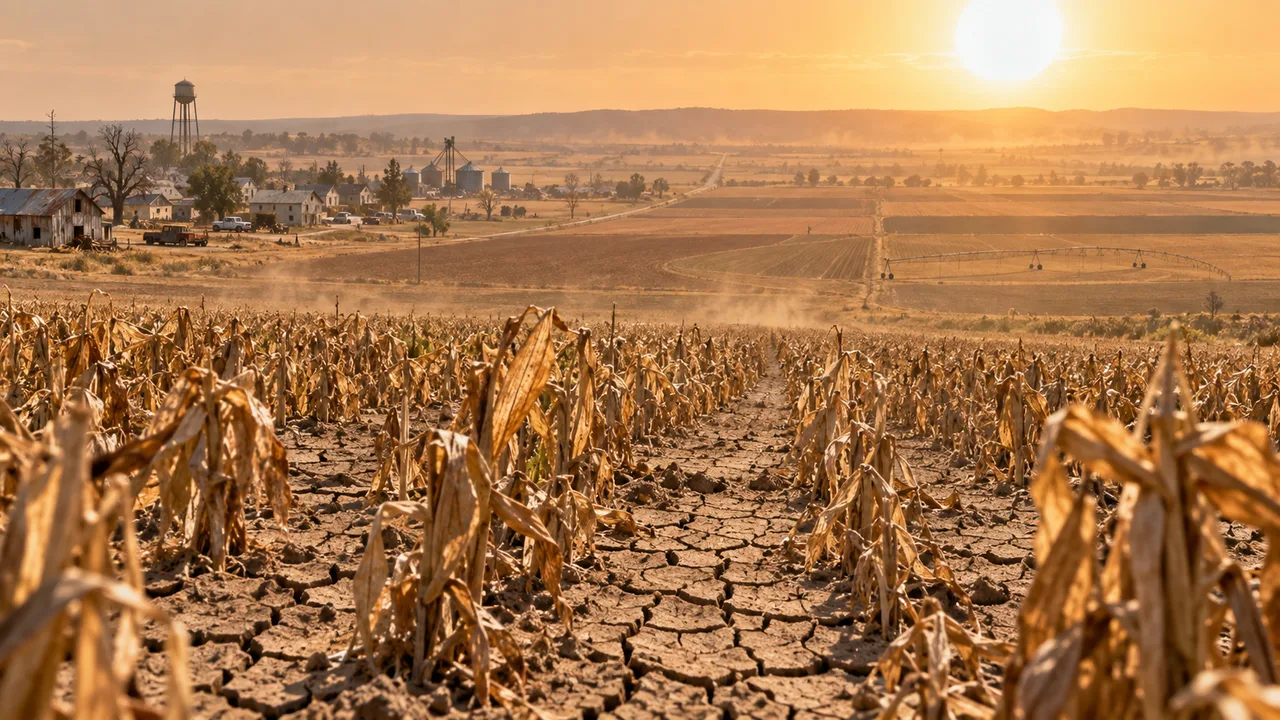
Compound drought-heat wave hazards are concentrated in US regions with multiple social vulnerabilities and agricultural dependence.

Compound drought and heat wave (CDHW) events are becoming more frequent and intense across the contiguous United States, increasing risks to human health, ecosystems, agriculture, and energy production systems. However, their distribution across socioeconomically vulnerable communities remains largely unexplored at the national scale. In this study, we develop a CDHW metric by integrating weekly US Drought Monitor classifications with daily temperature extremes from 2000-2021, allowing consisten

Continue reading
Environment

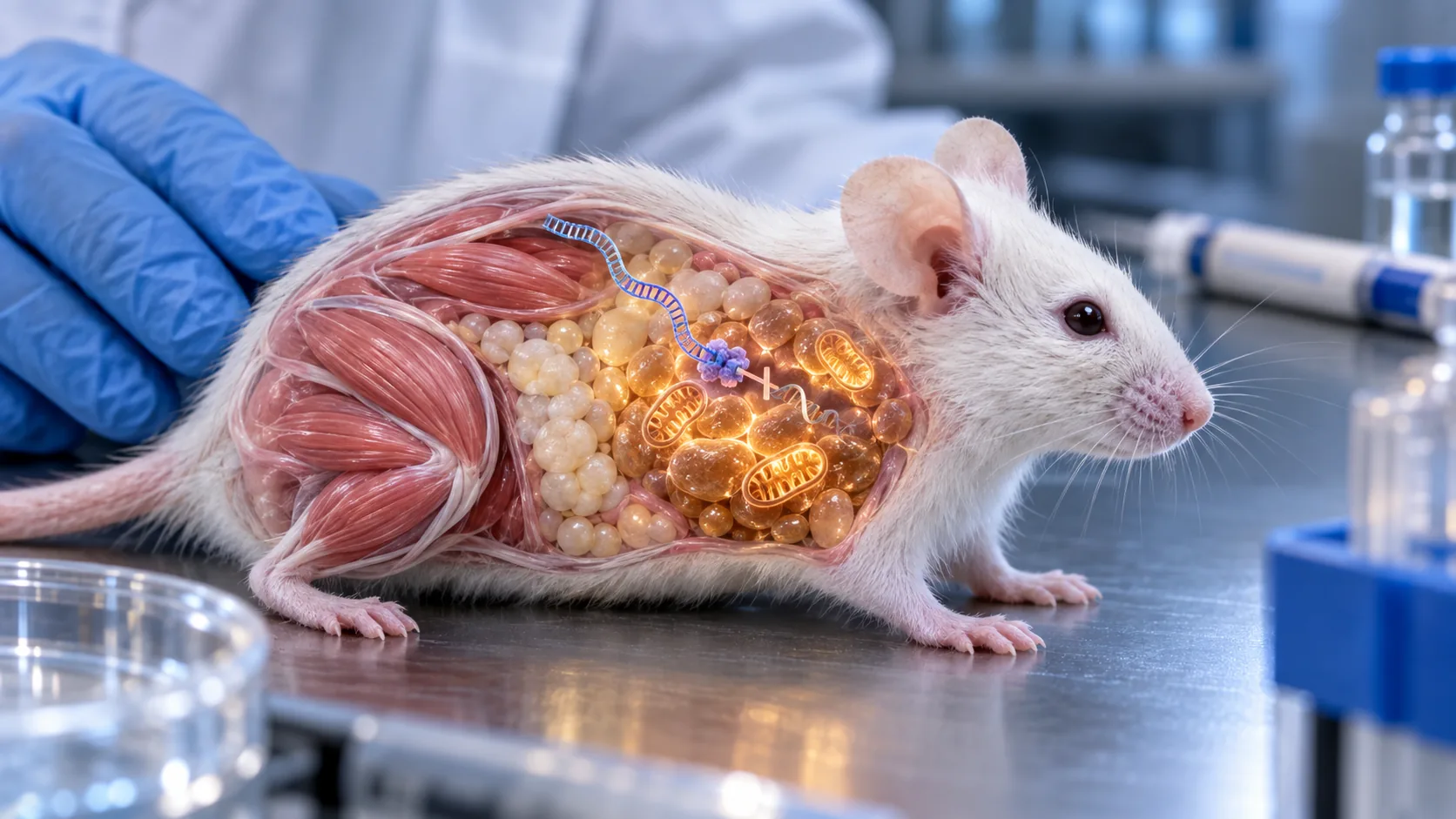
An RNA thermogenic therapy to preserve lean mass and enhance metabolic health during GLP-1 weight loss.

Current obesity therapies reduce weight but often fail to preserve lean mass or sustain metabolic benefit. Glucagon-like peptide-1 receptor agonists (GLP-1RA) improve obesity-associated metabolic disease, but weight loss is often accompanied by reduced energy expenditure, loss of lean mass, and rapid fat-predominant regain after treatment discontinuation. We hypothesized that pharmacologic activation of adipose thermogenesis could specifically target fat loss, complement appetite suppression by

Continue reading
Environment

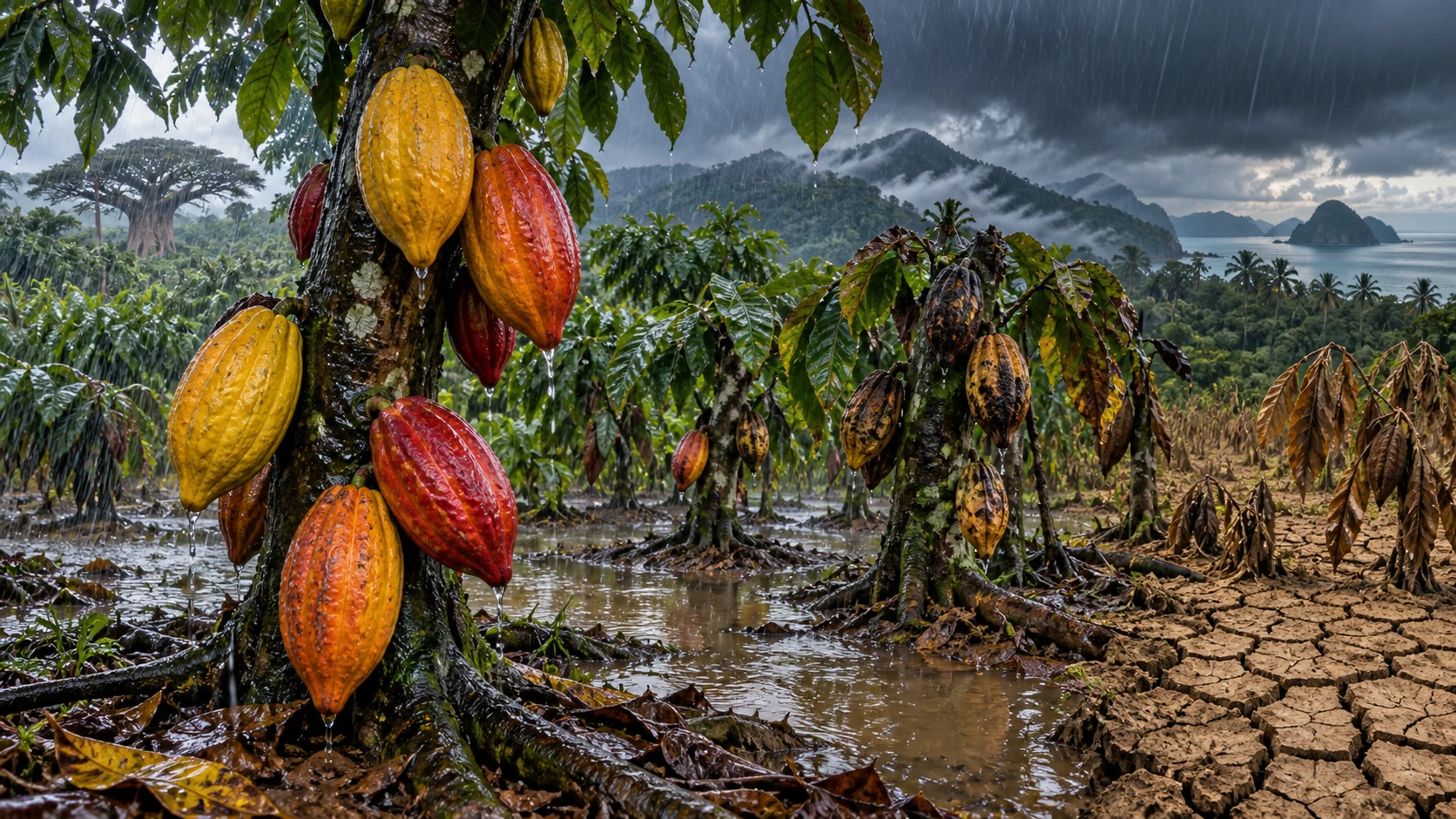
Rainfall extremes drive cocoa yield losses across the tropics.

There is a growing need for human-centered weather and climate forecasts that provide actionable information to farmers and other stakeholders. Cocoa, which sustains the livelihoods of nearly six million smallholder farmers, illustrates this need: Recent production shortfalls have threatened incomes, yet their underlying causes remain unclear, with explanations invoking both climatic and nonclimatic factors. Here we show that heavy rainfall, rather than temperature or mean water availability, is

Continue reading
Environment

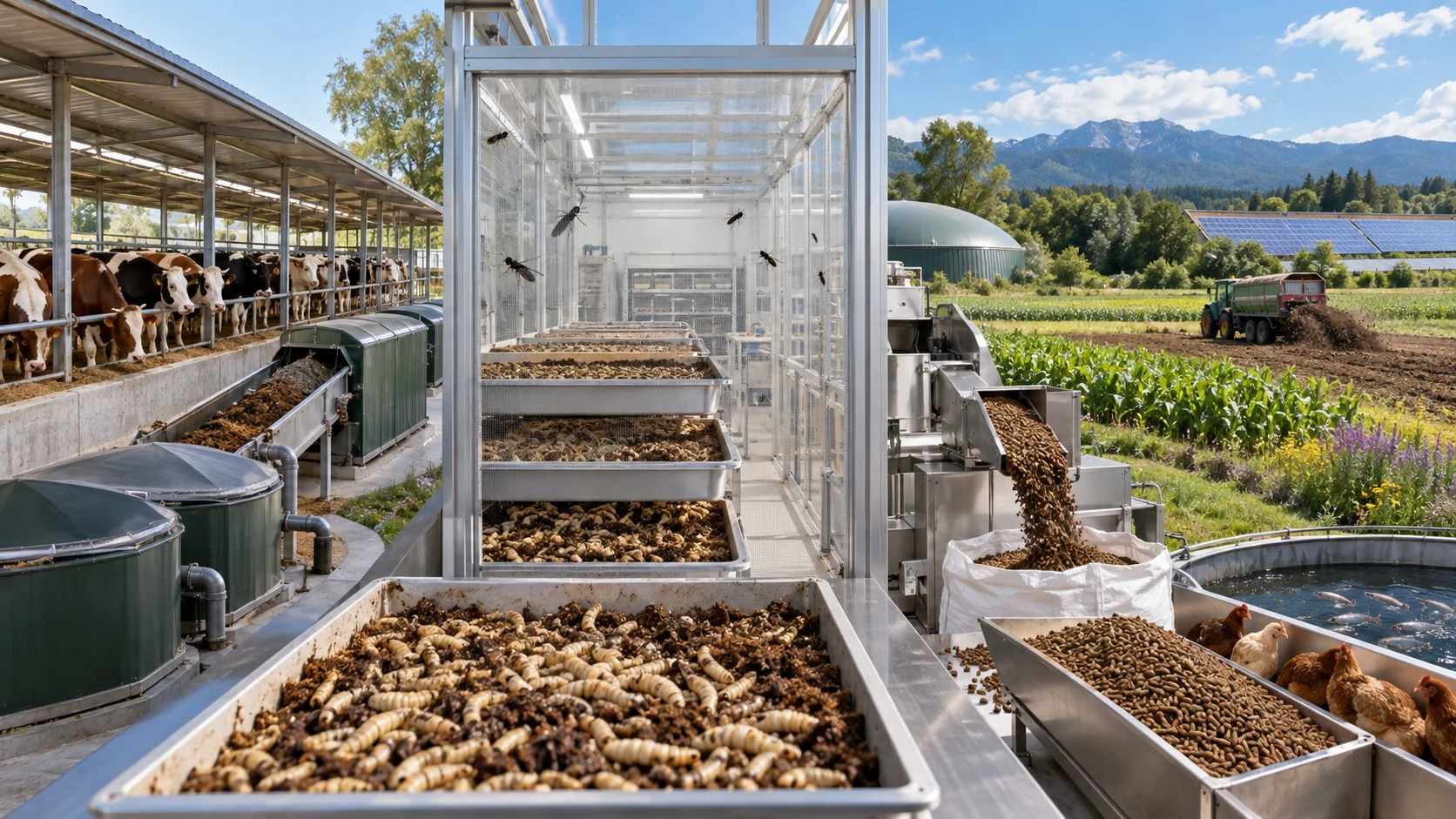
Manure to insect farming for feed mitigates nitrogen and greenhouse gas emissions.

Livestock manure is nutrient-rich and represents a promising feedstock for insect farming, with insect protein offering a high-quality alternative to conventional crop-based livestock feed. This pathway has substantial potential to mitigate nitrogen (N) and greenhouse gas (GHG) emissions from livestock systems. Here, we integrate global livestock models with trade, land-use, and cost-benefit analysis to quantify the environmental and economic implications of manure-to-insect conversion while ens

Continue reading