RelB NF-κB tunes Notch2 signaling to promote IL-23-secreting solitary isolated lymphoid tissue-resident DCs critical for gut immunity.
While preserving tolerance toward commensals, dendritic cells (DCs) also orchestrate response against pathogens. The noncanonical RelB NF-κB pathway in DCs curbs tolerogenic Tregs in the intestine. Whether RelB-dependent DC regulations also impact intestinal immunity remains less clear. Here, we show that genetic ablation of RelB in DCs compromises IL-23-dependent immune response in the intestine, imparting vulnerability in Relb ΔCD11c mice to infection with Citrobacter rodentium , a
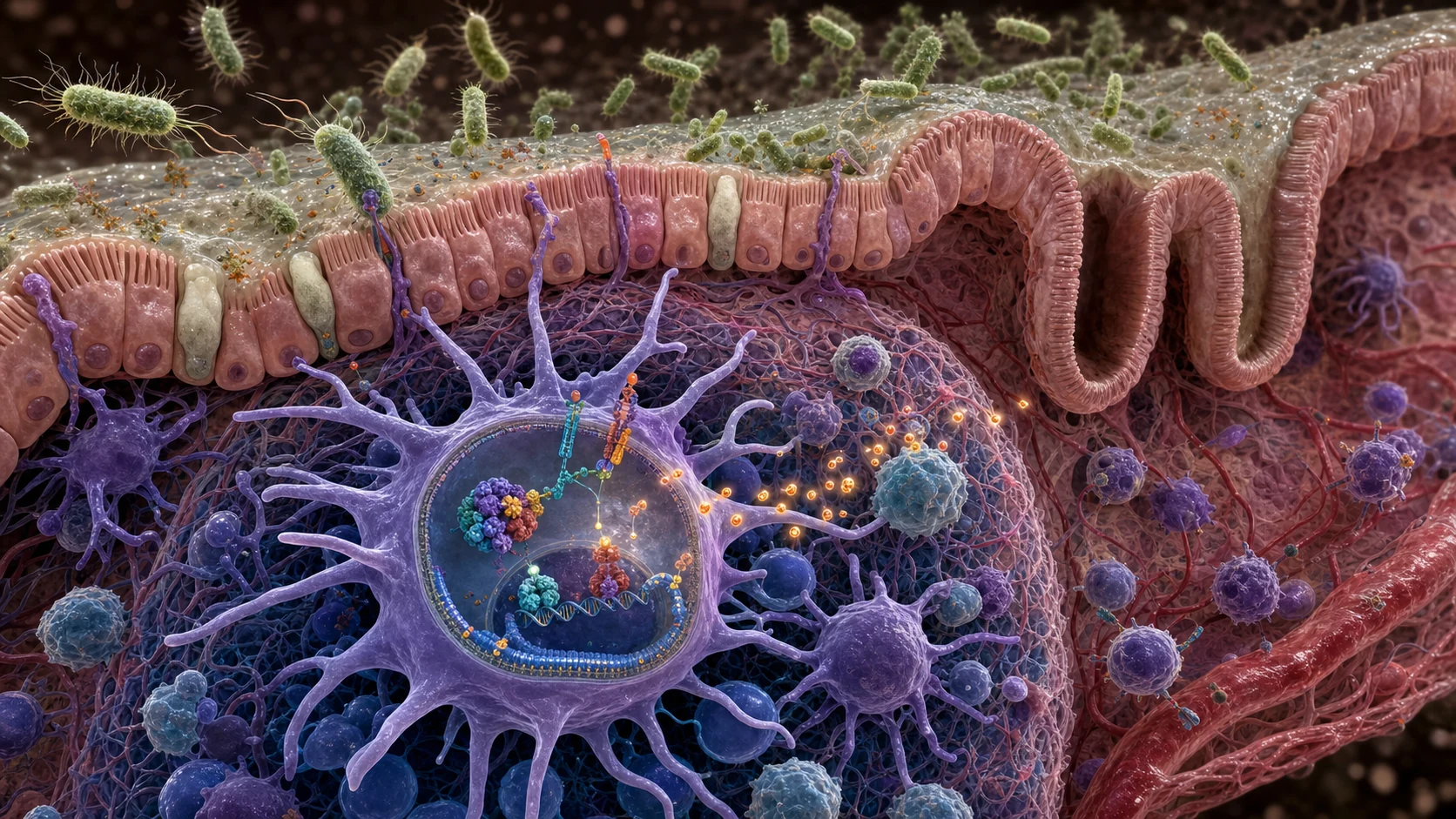
While preserving tolerance toward commensals, dendritic cells (DCs) also orchestrate response against pathogens. The noncanonical RelB NF-κB pathway in DCs curbs tolerogenic Tregs in the intestine. Whether RelB-dependent DC regulations also impact intestinal immunity remains less clear. Here, we show that genetic ablation of RelB in DCs compromises IL-23-dependent immune response in the intestine, imparting vulnerability in Relb ΔCD11c mice to infection with Citrobacter rodentium , an enteropathogen. Our mechanistic studies revealed that RelB supported the expression of RBP-J from a κB site-driven promoter, tuning Notch2 response in DCs. This RelB-mediated Notch2 control specified a solitary isolated lymphoid tissue-resident DC subset, which served as a dominant source of IL-23 in infected mice. Indeed, we found that IL-23 supplementation readily rescued the immune deficiency of Relb ΔCD11c mice, improving bacterial clearance. In sum, we illustrate a previously unrecognized crosstalk between RelB and Notch2 underpinning IL-23-secreting DCs critical for gut immunity.