Physical/Tech

Quiet within, chaos without: Turbulence shelters drive selective particle capture and release

| Source: Science

Turbulence is chaotic, yet its fluctuations follow a structured, nonequilibrium energy cascade unconstrained by the equilibrium theorems that limit passive energy extraction from molecular gases. Here, we introduce turbulence shelters: hollow shells with a single aperture that filter eddies by scale, sustaining gradients in fluctuation intensity that drive directional particle transport despite zero mean fluid flux. Across three orders of magnitude in size, shelters establish particle concentrat

Turbulence is chaotic, yet its fluctuations follow a structured, nonequilibrium energy cascade unconstrained by the equilibrium theorems that limit passive energy extraction from molecular gases. Here, we introduce turbulence shelters: hollow shells with a single aperture that filter eddies by scale, sustaining gradients in fluctuation intensity that drive directional particle transport despite zero mean fluid flux. Across three orders of magnitude in size, shelters establish particle concentration contrasts between their interior and the surrounding flow, with selectivity controlled by particle geometry, inertia, thermal fluctuations, and electrostatic forces. At the microscale, shelters discriminate particles differing by tens of nanometers independently of material composition. These results establish a design principle for selective filtration: Geometry that compartmentalizes turbulent fluctuations can harness ambient eddies to direct particle transport.
Read the original source →

Related Stories

Physical/Tech

The microbial world of male reproduction.

The last decade has brought renewed interest to microbial influences on host biology, yet the roles of microbes in host reproductive biology are underappreciated and often defined by a profound maternal bias. This perspective synthesizes emerging evidence across the tree of life to highlight the paternal microbiome as an overlooked driver of fitness, reproductive output, and intergenerational health, impacting epigenetic sculpting of the sperm and embryo, sexual transmission of microbes, and mal

Continue reading
Physical/Tech

Intuitive knowledge of object acoustics enables perceptual separation of physical variables from impact sounds.

Upon hearing objects collide, humans can estimate physical attributes such as material and mass. Although the physics of sound generation is well established, the inverse problem that listeners solve-of inferring physical parameters from sound-remains poorly understood. Classical accounts posit the use of acoustic cues that correlate with physical variables but do not explain how humans might distinguish multiple concurrent physical causes. To study this problem, we measured impulse responses fr

Continue reading
Physical/Tech

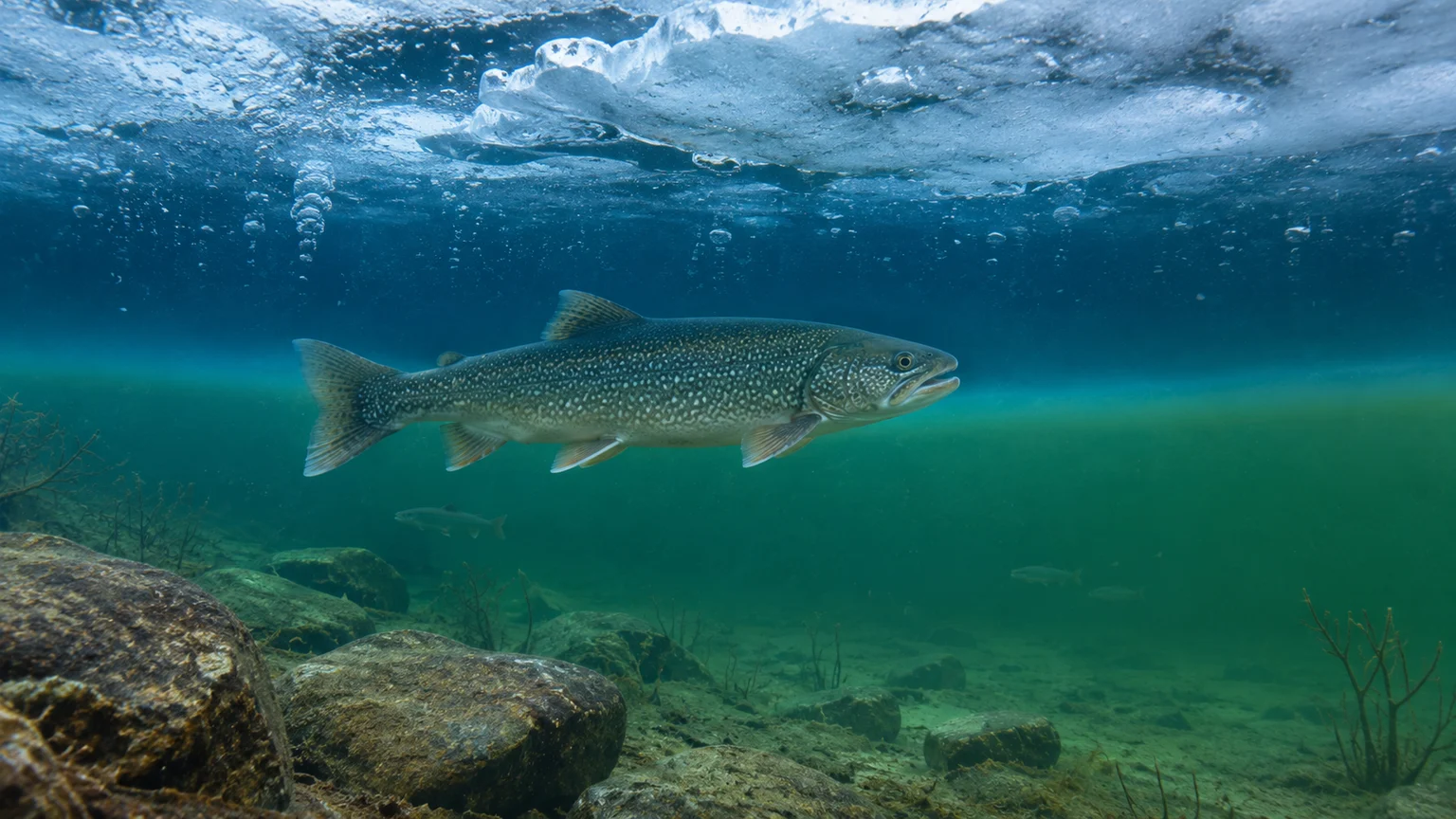
Sub-ice thermal gradients strongly influence winter depth use of an iconic cold-water fish.

In a thermally stratified lake, freshwater fish select habitats that align with their thermal preferences. While most studies of dimictic lakes have focused on habitat selection during summer stratification, less attention has been given to winter when inverse thermal stratification occurs with water temperatures between 0 to 4 °C. Our results show that winter thermal stratifications vary considerably among lakes. Much of the variation in winter depth use by the cold-water predator, Lake Tr

Continue reading
Physical/Tech

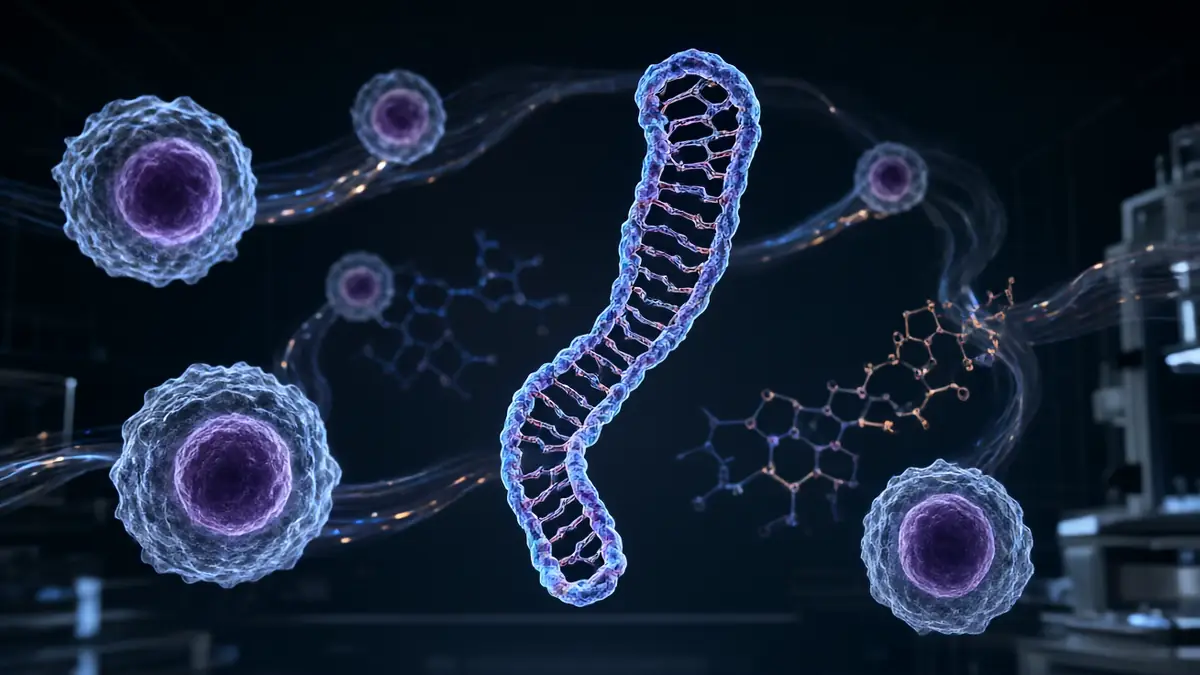
Gaplinc regulates myeloid metabolic pathways in trans in endotoxic shock.

The long noncoding RNA (lncRNA) Gaplinc is a known regulator of the innate immune response; however, the systemic mechanisms governing its influence on survival during endotoxic shock remain incompletely understood. Here, we establish Gaplinc as a dosage-dependent immune and metabolic rheostat. While Gaplinc knockout (KO) mice exhibit elevated baseline immune response genes (IRGs) and resistance to lipopolysaccharide (LPS)-induced shock, we demonstrate that transgenic Gaplinc overexpression prod

Continue reading
Physical/Tech

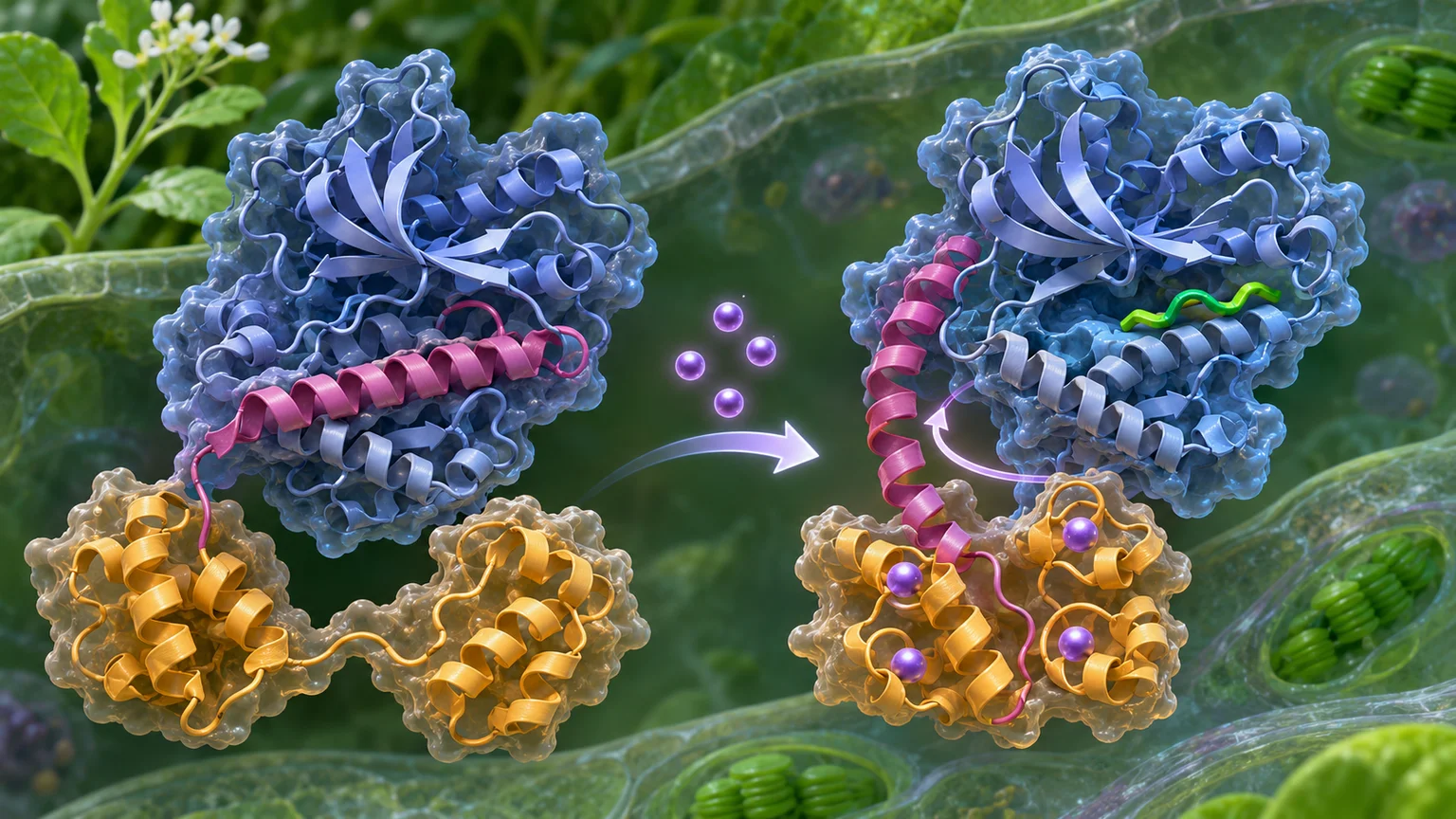
Structural insights into inhibition and activation mechanisms of plant calcium-dependent protein kinases.

Calcium-dependent protein kinases (CDPKs) comprise the major group of Ca 2+ -regulated kinases in plants and protists. These enzymes comprise an N-terminal kinase domain and a C-terminal Ca 2+ -dependent activation domain (CAD). We solved the crystal structures of autoinhibited and activated forms of a plant CDPK, Arabidopsis CPK3. In the autoinhibited form, the CAD resembles a "dumbbell-like" calmodulin protein with a long helix in the N terminus that inhibits the kinase domain in a pseudo-subs

Continue reading