Health & Medicine

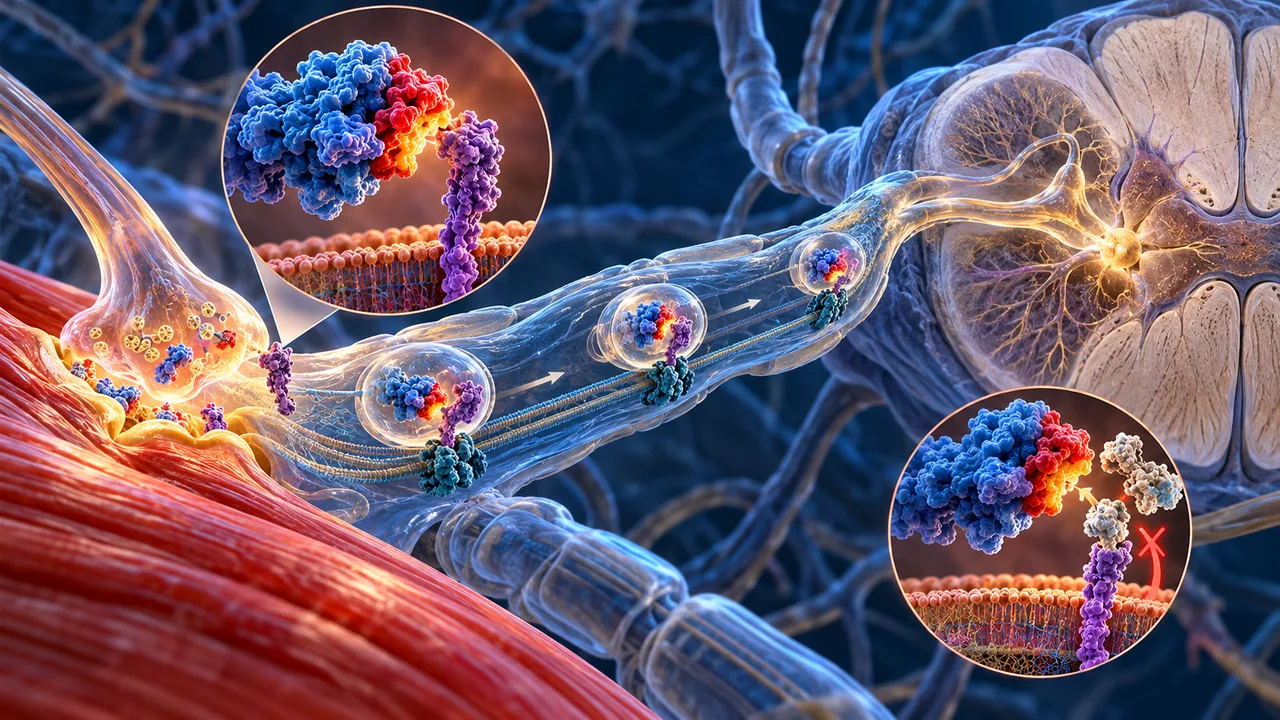
PTPRS mediates invasion of tetanus neurotoxin into the central nervous system.
| Source: Cell

Tetanus neurotoxin (TeNT) invades the central nervous system (CNS) via retrograde transport through motoneurons. Whether a host factor is needed to mediate TeNT trafficking has remained unknown. Here, using pull-down and mass spectrometry analysis, and by developing a luciferase-based in vivo transport assay, we identify receptor protein tyrosine phosphatase sigma (PTPRS; PTPσ) as the retrograde transport receptor for TeNT. Global or motoneuron-specific PTPRS knockout (KO) abolishes TeNT e

Tetanus neurotoxin (TeNT) invades the central nervous system (CNS) via retrograde transport through motoneurons. Whether a host factor is needed to mediate TeNT trafficking has remained unknown. Here, using pull-down and mass spectrometry analysis, and by developing a luciferase-based in vivo transport assay, we identify receptor protein tyrosine phosphatase sigma (PTPRS; PTPσ) as the retrograde transport receptor for TeNT. Global or motoneuron-specific PTPRS knockout (KO) abolishes TeNT entry into the CNS in mouse models. PTPRS-TeNT interactions occur in endosomes, prevent toxin translocation, and direct TeNT trafficking in neurons. Structural studies establish that the TeNT light chain and belt region bind to the immunoglobulin domain of PTPRS. Disrupting TeNT-PTPRS interactions blocks TeNT trafficking into the spinal cord; consistently, a PTPRS-binding-deficient TeNT mutant induces botulism-like flaccid paralysis. Thus, PTPRS is the host factor mediating TeNT trafficking into the CNS, revealing a targetable pathway for post-entry intervention and drug delivery into the CNS.
Read the original source →

Related Stories

Health & Medicine

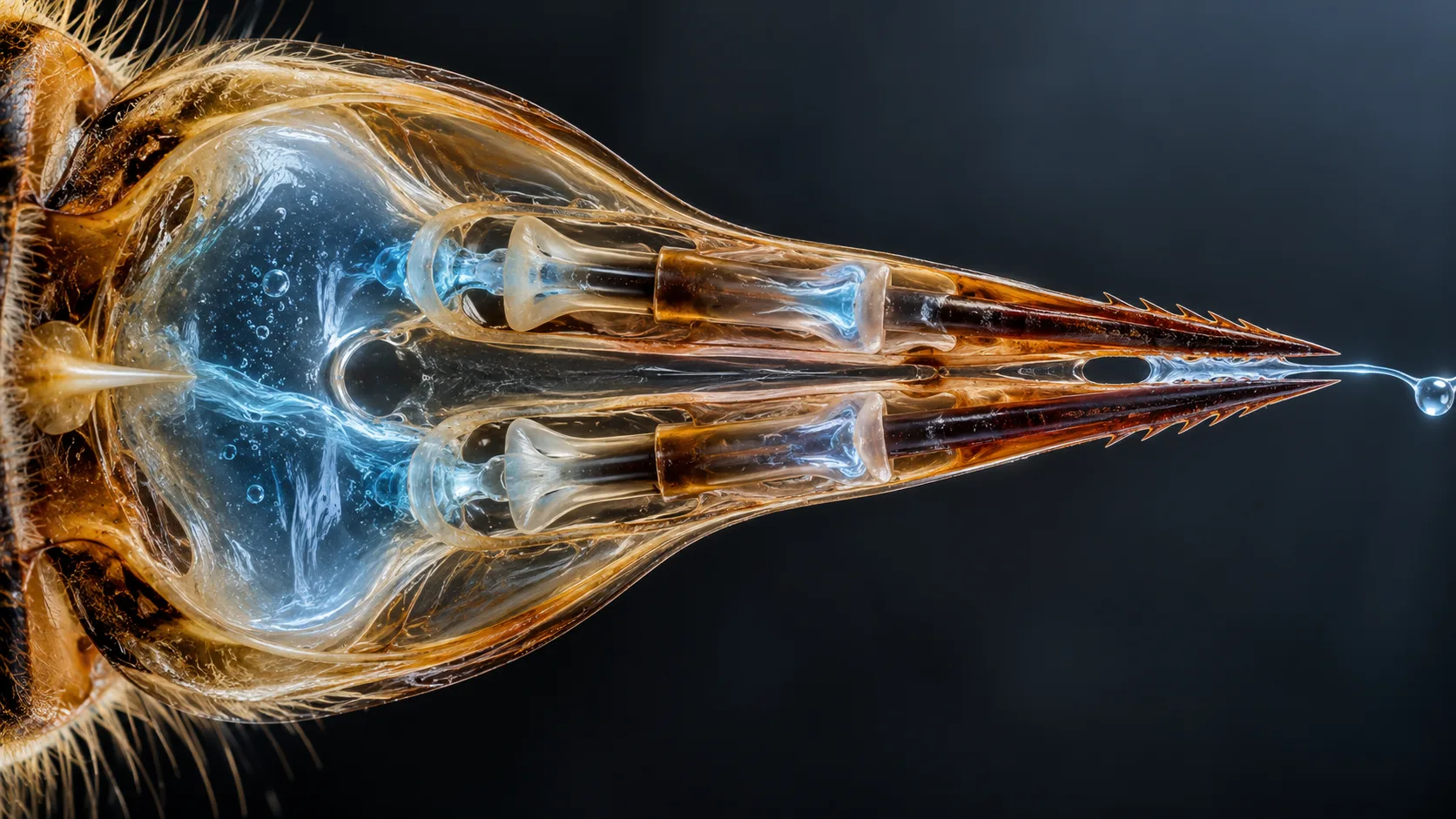
The honey bee stinger: An unusual pump with collapsible double pistons.

Most stinging animals deliver venom by contracting muscles around a venom reservoir, but honey bees employ a fundamentally different strategy. The stingers of worker bees have the unique ability to autotomize, separating from the body, to continue to sting independently. Despite more than a century of anatomical descriptions, the mechanics of venom pumping have remained unresolved due to the challenges of observing them in action. We recorded high-speed videos of active, autotomized stingers, co

Continue reading
Health & Medicine

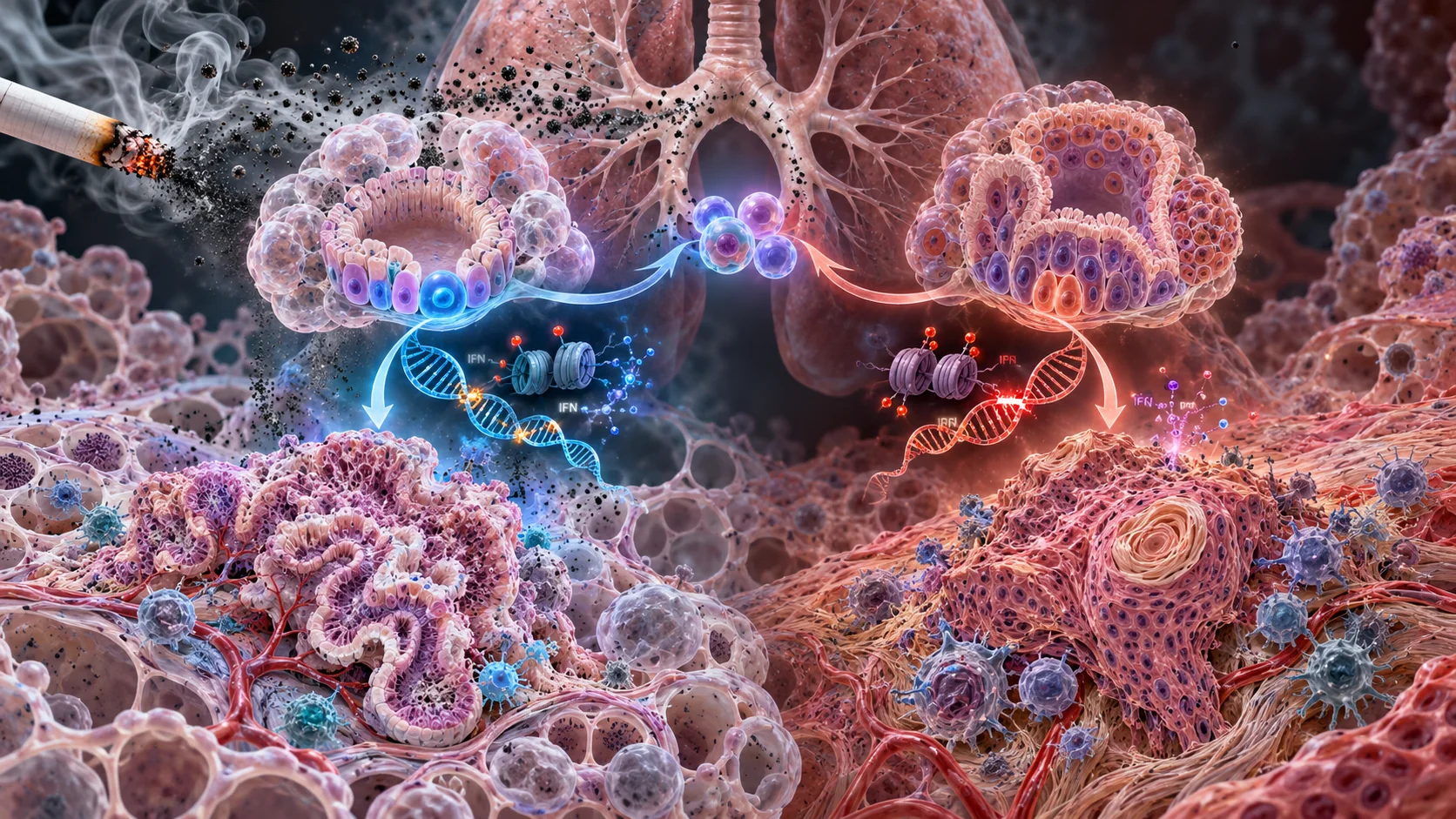
Chronic cigarette smoke exposure induces distinct stem cell states driving genetic driver-specific non-small cell lung cancer subtypes.

Cigarette smoke-induced chronic inflammation (CI) potentiates development of non-small cell lung cancer (NSCLC) by mediating genetic and epigenetic events. Using normal lung organoids (LOs), we define how chronic cigarette smoke condensate (CSC) exposure drives two separate stem cell populations to evolve premalignant states harboring progressive epigenetic and linked transcriptomic abnormalities in the absence of major driver mutations. These dynamics facilitate evolution of an immune evasive s

Continue reading
Health & Medicine

Cell identity competes with surface tension to determine stromal organization in tumor spheroids beyond the CAF shell paradigm.

Cancer-associated fibroblasts (CAFs) are often found forming a peripheral stromal barrier around tumors. Here, this paradigm is challenged using microfabricated 3D cancer-CAF spheroid models combined with quantitative magnetic force tensiometry. A surface tension atlas is established for eight cancer cell lines, three CAF populations, and heterotypic tumor-CAF assemblies, spanning nearly two orders of magnitude. Surface tension is first shown to govern spheroid morphology and modulate drug respo

Continue reading
Health & Medicine

Extended fractional Hofstadter states at high field in twisted bilayer graphene above the magic angle.

When a Chern band is partially filled, a fractional Chern insulator (FCI)-the lattice analog of a fractional quantum Hall state-can arise. Though the full range of possible scenarios for producing such a state is not established, the most tractable models combine strong electronic interactions with the quantum geometry of the parent Chern band meeting specific criteria. In twisted bilayer graphene, the importance of interactions can be tuned by varying the interlayer twist. Here, we study a samp

Continue reading
Health & Medicine

Phenotypic screening identifies kenpaullone as a prolymphangiogenic compound to improve heart repair following myocardial infarction.

Myocardial infarction (MI) induces cardiac muscle death and its subsequent replacement by a noncontractile fibrotic scar, which underlies progression to heart failure. Current treatments restore blood flow and assist with cardiac workload but do not promote regeneration. We have previously shown endogenous growth of the cardiac lymphatic system following MI and further stimulation with the lymphatic endothelial specific mutated Vascular Endothelial Growth Factor-C (VEGF-C) isoform, VEGFC-C156S,

Continue reading