Environment

Probabilistically defining environmentally relevant concentrations in ecotoxicology.
| Source: Proceedings of the National Academy of Sciences of the United States of America

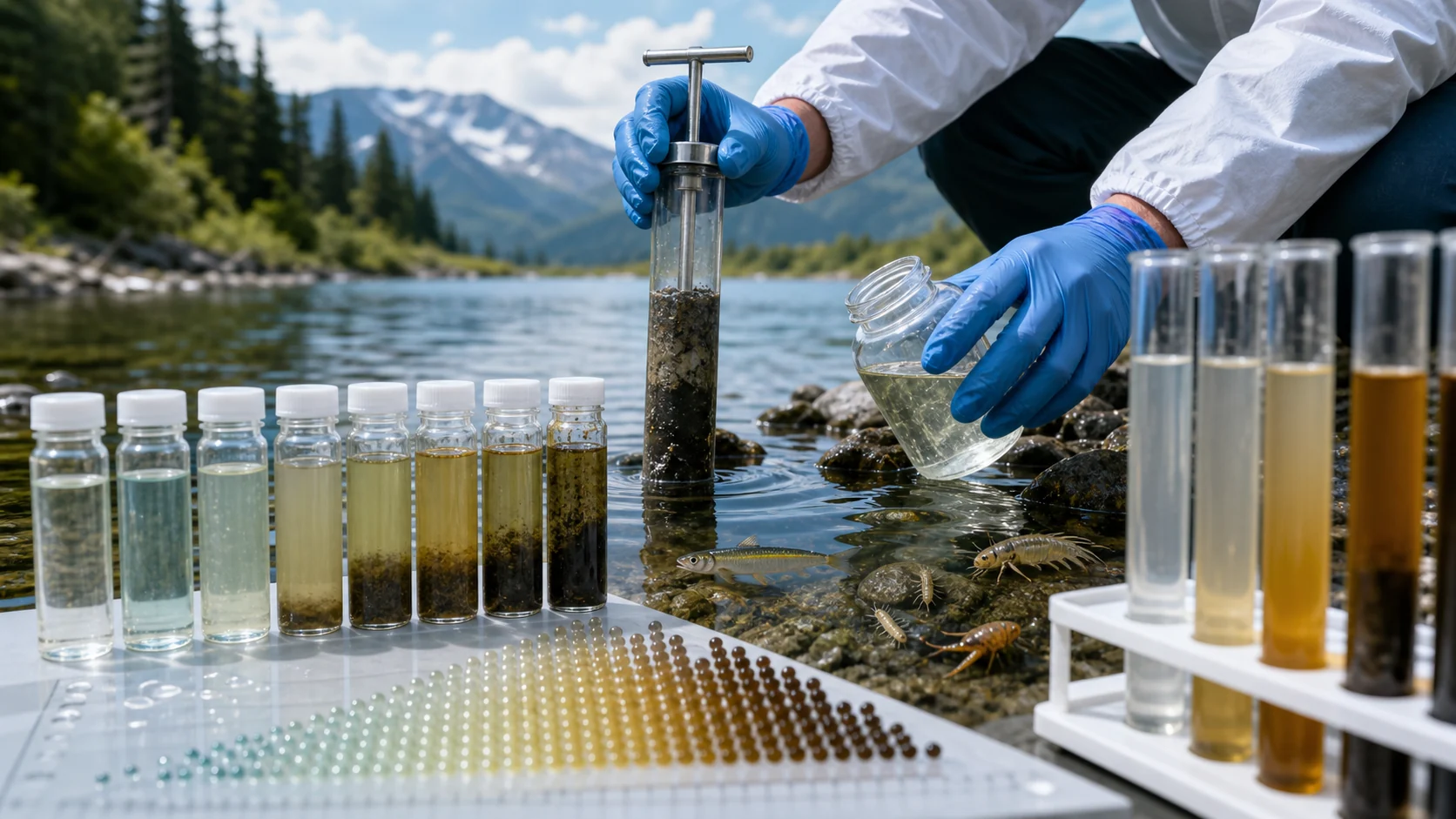
A long-standing issue in ecotoxicology is the arbitrarily chosen and ambiguous definition of "environmentally relevant" concentrations, which undermines research comparability and hampers risk characterization. Here, we propose a probabilistic framework that anchors exposure levels to percentiles of environmental concentration distributions, defining low (<5th percentile), typical (5th to 95th percentiles), and high (>95th percentile) concentrations, as well as worst-case scenarios (e.g.,

A long-standing issue in ecotoxicology is the arbitrarily chosen and ambiguous definition of "environmentally relevant" concentrations, which undermines research comparability and hampers risk characterization. Here, we propose a probabilistic framework that anchors exposure levels to percentiles of environmental concentration distributions, defining low (<5th percentile), typical (5th to 95th percentiles), and high (>95th percentile) concentrations, as well as worst-case scenarios (e.g., the 99th percentile) for specific contexts. This framework transforms test concentration selection from a subjective assertion into a statistically justified practice, where each concentration corresponds to an explicit occurrence probability. Using global monitoring data, we demonstrate that environmental concentrations reliably follow cumulative probability distributions, validating the fundamental assumption. Crucially, the framework offers a statistical solution for designing proof-of-relevance and proof-of-concept studies. Collectively, this work provides an empirically grounded, immediately usable template for designing ecotoxicological experiments that bridge environmental monitoring, laboratory testing, and regulatory decision-making.

Read the original source →

Related Stories

Environment

Nutrient legacies from elephant megacarcasses create coldspots of biodiversity and hotspots of ecosystem processes.

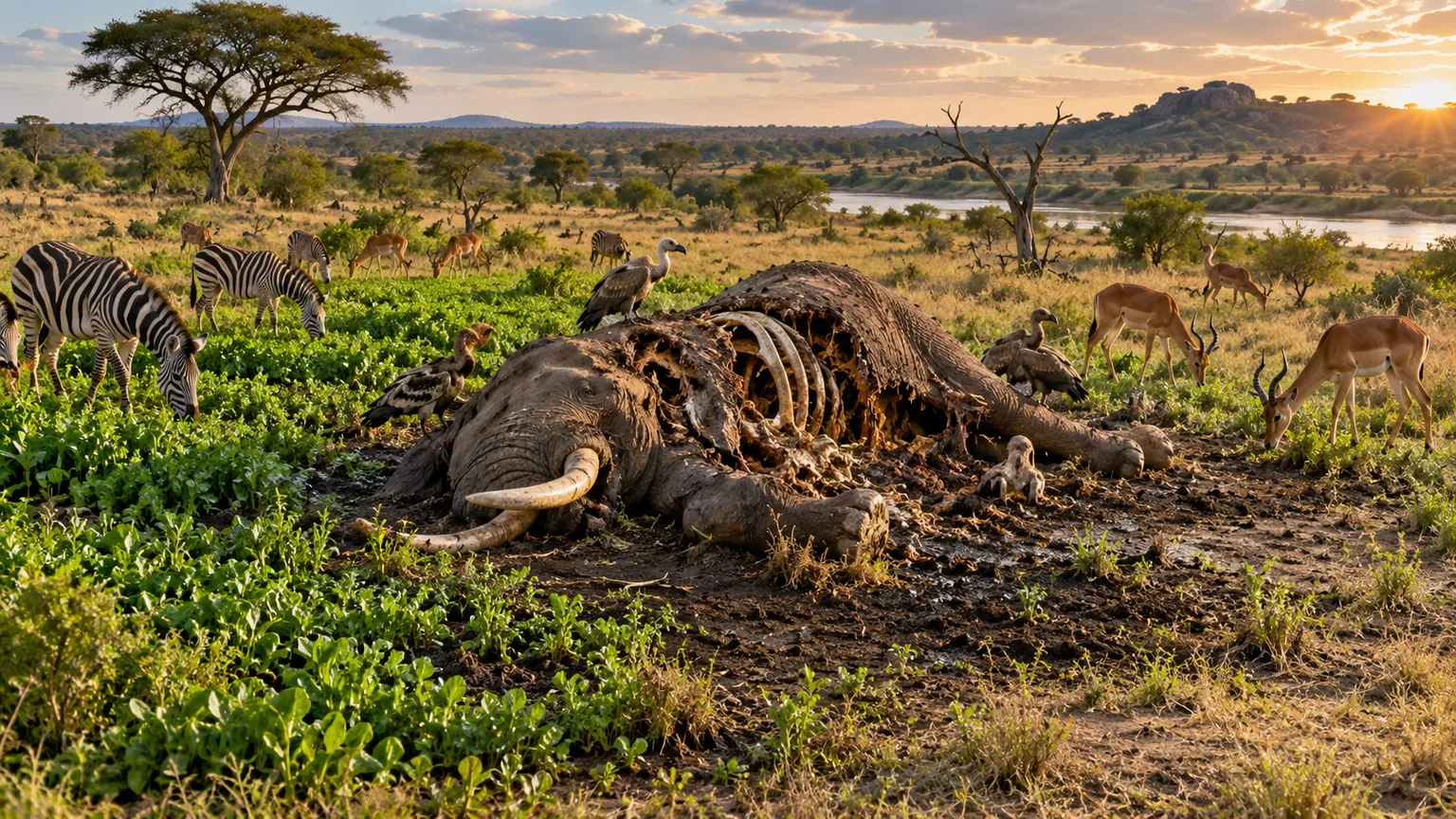
Terrestrial megafauna (animals >1,000 kg) have substantial impacts on ecosystems while alive; yet, we know little about the impacts of these ecosystem engineers after they die. Like whale carcasses in the ocean, terrestrial megacarcasses may leave ecological legacies via the nutrient pulses they create on the landscape. Here, we investigated the impact of elephant megacarcasses on savanna ecosystems in Kruger National Park, South Africa. To determine how elephant carcasses affect below- and a

Continue reading
Environment

Maternal ranging strategies facilitate offspring social play at energetic cost in the most solitary ape.

In most vertebrates, social play among peers is considered essential for behavioral development. Yet in solitary species bearing single offspring, opportunities for social play are inherently scarce. Whether mothers of such species actively facilitate play opportunities for their offspring, and at what cost, remains unknown. We used 15 y of behavioral and movement data (∼32,600 observation hours) from 31 wild Bornean orangutan ( Pongo pygmaeus wurmbii ) mother-offspring pairs to test whet

Continue reading
Environment

Continuous UV irradiation played an inconclusive role in selecting the canonical genetic alphabet.

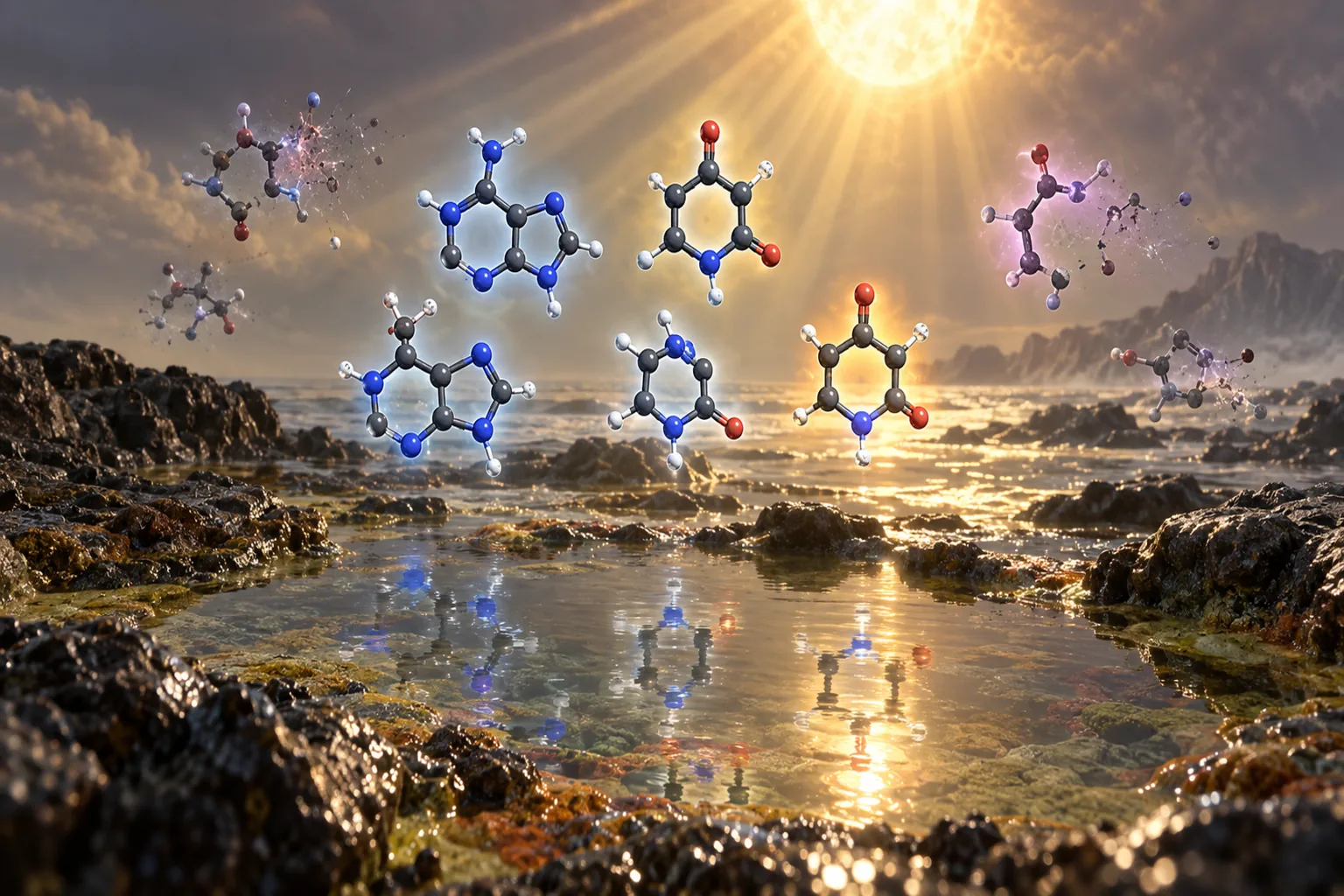
An abundance of heterocyclic molecules analogous to canonical nucleobases (i.e., adenine, thymine, guanine, cytosine, and uracil) used as the genetic alphabet in DNA and RNA could have been present in various prebiotic environments on early Earth. However, extant biology generally uses the canonical nucleobases and nucleosides as the genetic alphabet, and not any number of possible noncanonical counterparts. Ultraviolet (UV) irradiation was likely abundant on the surface of the early Earth and h

Continue reading
Environment

Fault-controlled natural hydrogen reservoirs as underground hydrogen storage sites.

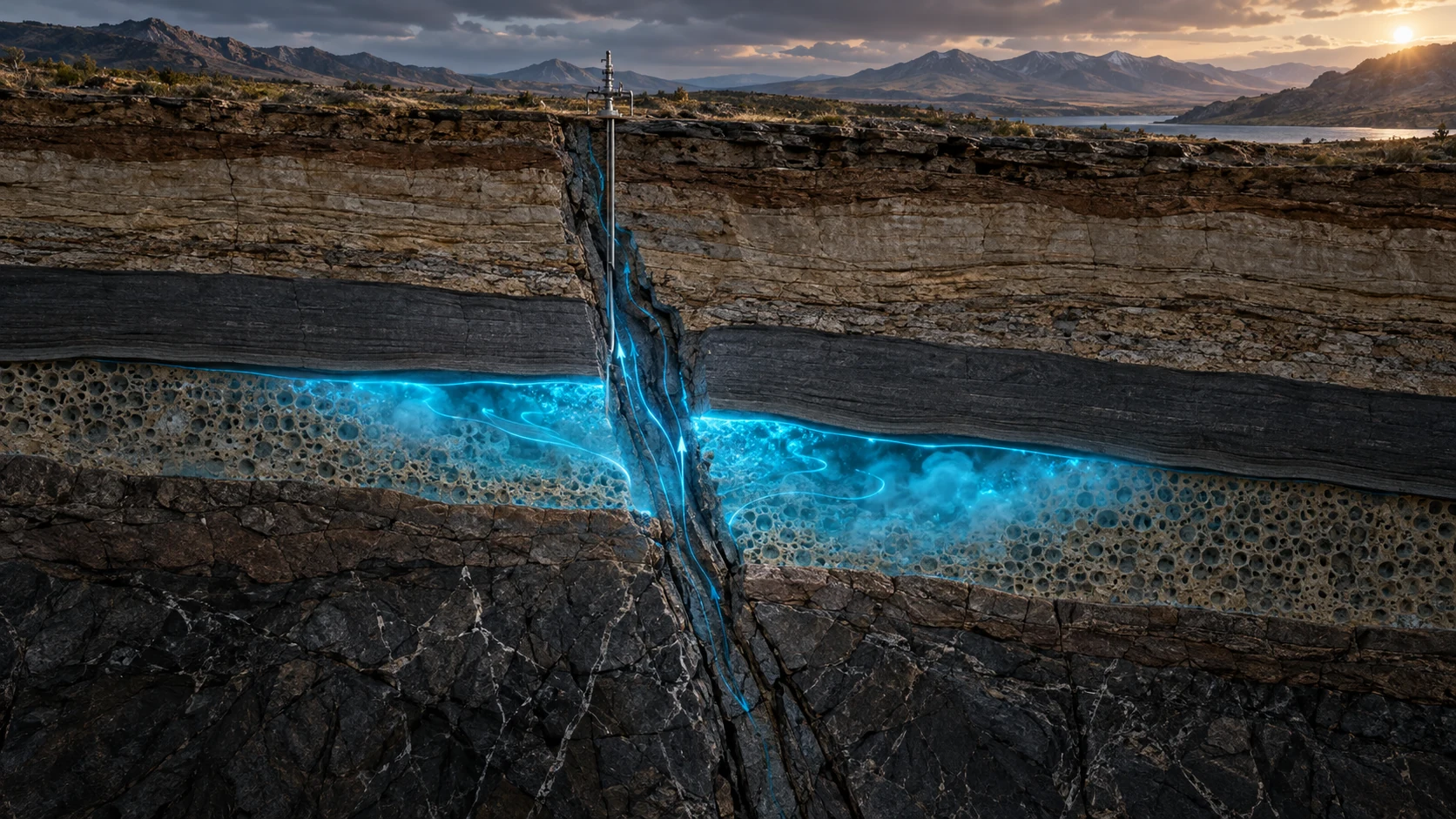
Underground hydrogen storage requires geological formations with demonstrated hydrogen containment, yet no conventional storage candidate (salt caverns, aquifers, or depleted hydrocarbon reservoirs) offers direct, prior evidence of H 2 -specific sealing. We propose that subcommercial natural hydrogen reservoirs, where H 2 has accumulated over geological timescales, can serve as precertified storage sites. This proposition is evaluated using the Bulqizë fault-controlled natural H 2 reservoir

Continue reading
Environment

Breaking trait scaling via the evolution and regulation of dimorphic decoupling in ants.

The evolution of allometry, changing how morphological traits scale to body size, has fueled adaptive radiations. In ants, allometry has facilitated the repeated evolution of a worker-soldier caste system. Here, we reveal an unexpected morphological pattern and its superorganismal regulation within the hyperdiverse genus Pheidole . We uncovered that antennal sizing between the small worker and the big soldier is identical, lacking intercaste scaling (antennae-body scaling is decoupled) yet retai

Continue reading