Multiband condensate of magnons in two dimensions.
Wavelike bosonic particles can accumulate in a single mode characterized by a particular wavelength, and such condensates are at the heart of phenomena such as superconductivity and superfluidity where usually a single complex number describes their state. If there are several flavors of excitations or particles, a vector containing several complex numbers can characterize multicomponent condensation, thus opening new possibilities for textures, dynamics, and devices. Thus far, multicomponent co
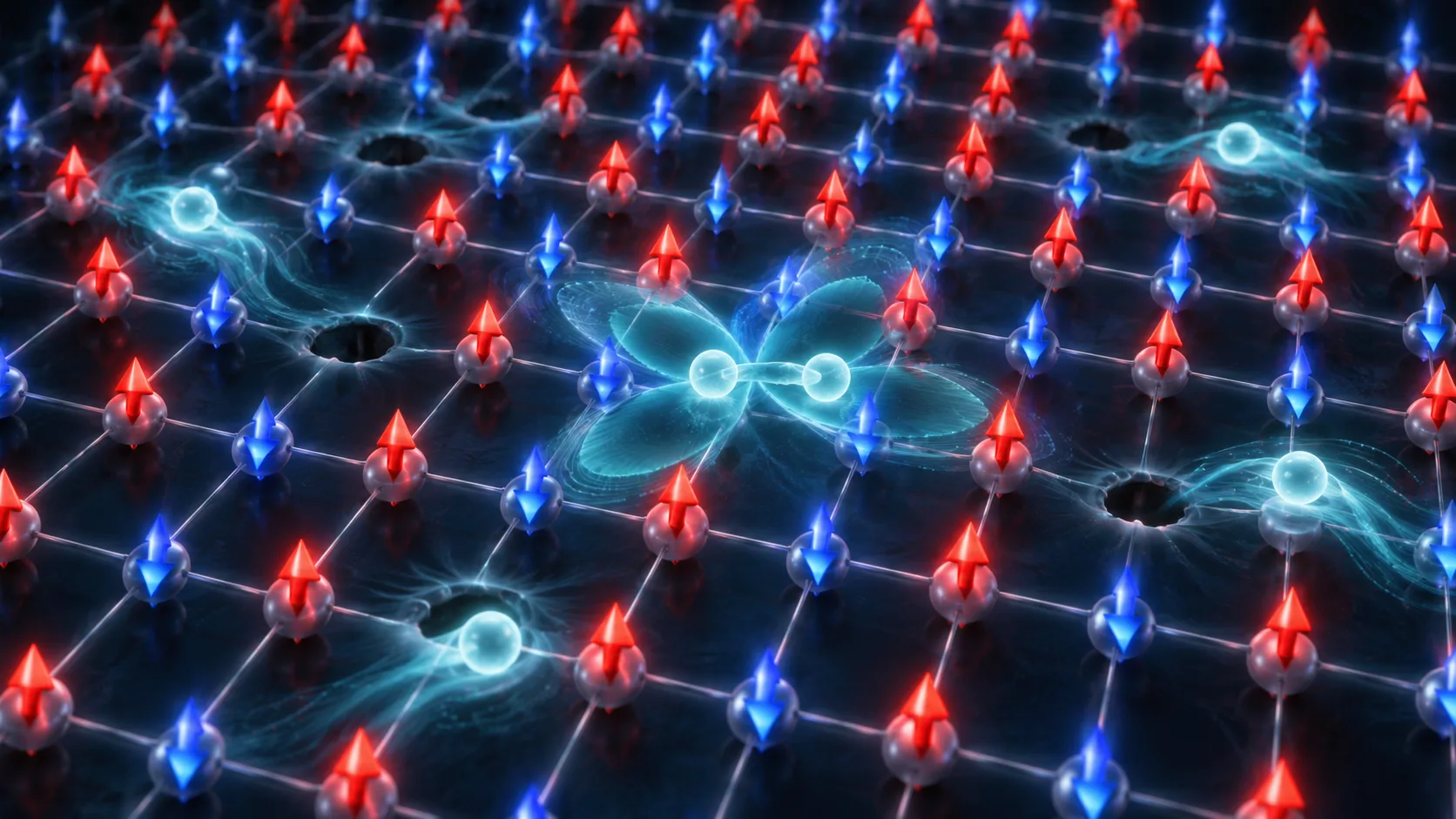
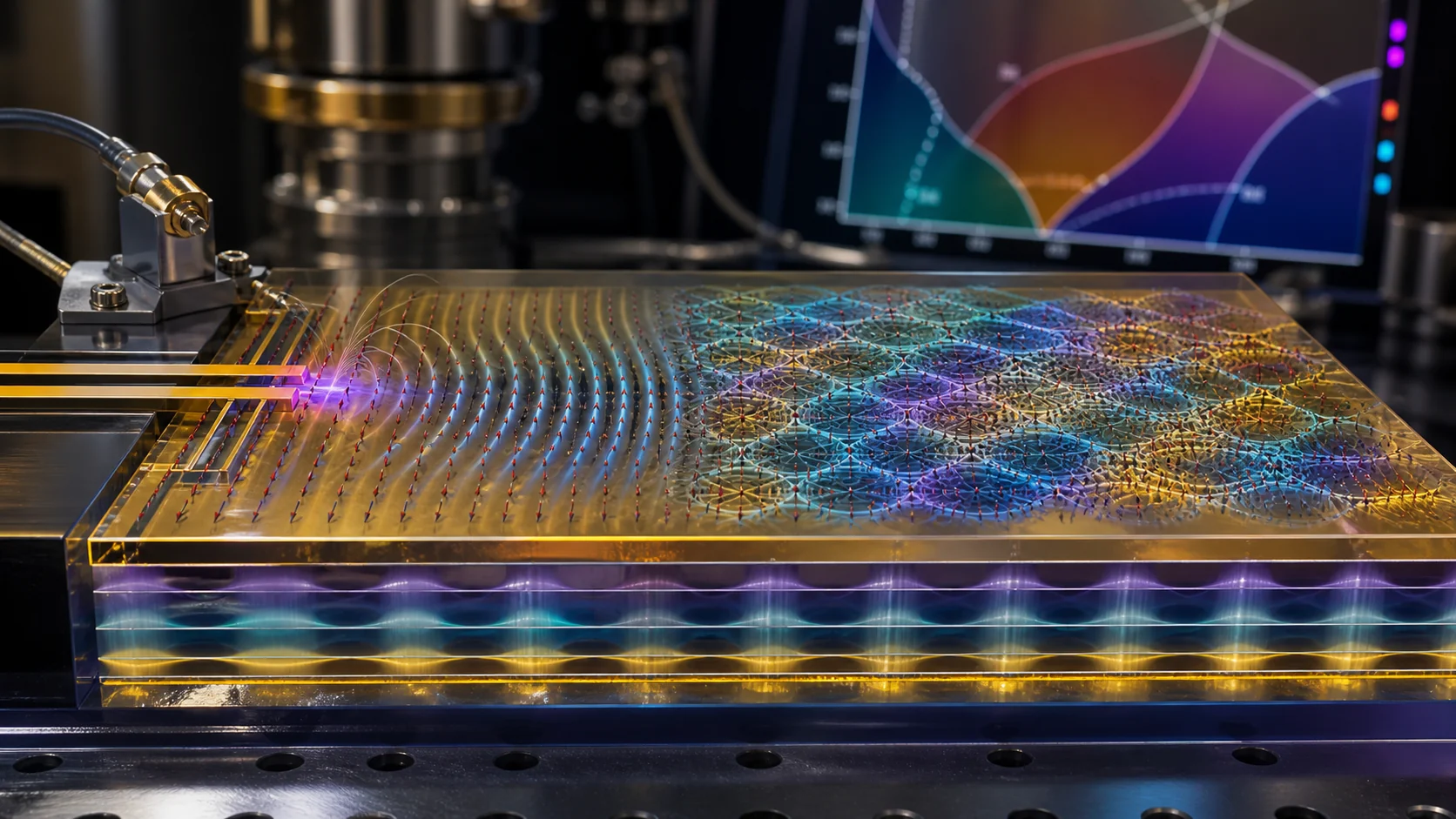
Wavelike bosonic particles can accumulate in a single mode characterized by a particular wavelength, and such condensates are at the heart of phenomena such as superconductivity and superfluidity where usually a single complex number describes their state. If there are several flavors of excitations or particles, a vector containing several complex numbers can characterize multicomponent condensation, thus opening new possibilities for textures, dynamics, and devices. Thus far, multicomponent condensates have long represented a rewarding subfield of cold atom physics, as well as a theme for research on exotic superconductors where the constituent bosons are not atoms but electron pairs. Here we consider the case where the bosons are magnons (collective spin excitations), injected by microwaves into high-quality yttrium iron garnet (YIG) crystals. Recent advances in fabrication yield thin (128 nm) films of sufficiently high quality to display multiple magnon bands quantized along the film normal. Microwave pumping can populate these bands, providing a new two-dimensional multiband condensate optimized in a narrow range of powers and frequencies due to a four-magnon scattering resonance. We establish a phase diagram for this magnonic system, reminiscent of that for exotic superconductors, revealing both single and multiband condensation.