Artificial Intelligence

Loss of epitranscriptomic mitochondrial RNA surveillance drives epithelial type I interferon and inflammation in autoimmunity
| Source: PNAS

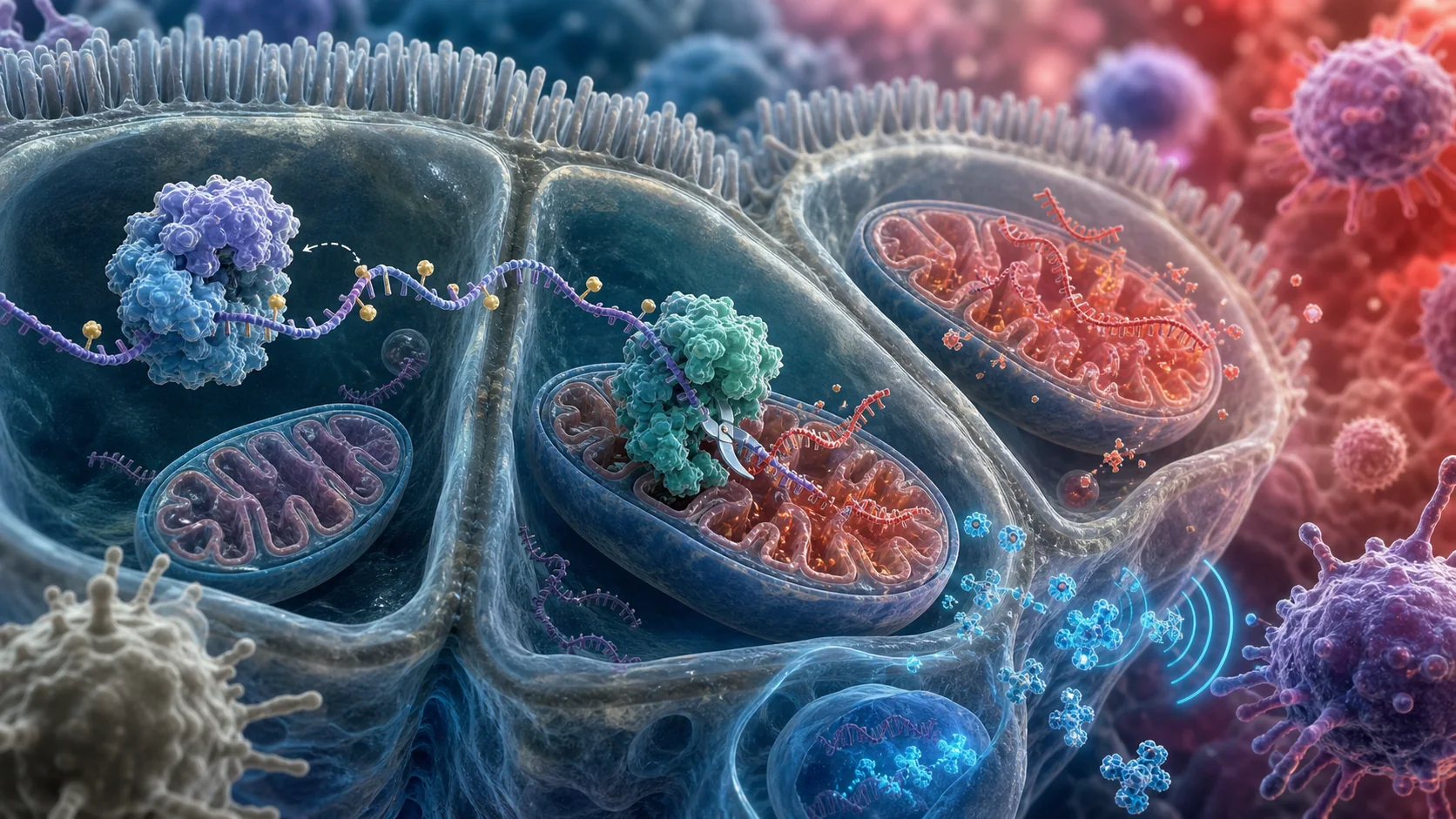
Chronic interferon (IFN) activation is a hallmark of autoimmune diseases such as systemic lupus erythematosus and Sjögren’s disease (SjD), where epithelial cells are key contributors. Although viral and retroelement triggers have been proposed as triggers, direct evidence in patient tissues is limited, and endogenous mechanisms of epithelial IFN dysregulation remain unclear. Mitochondrial double-stranded RNA (mt-dsRNA) is a potent type I IFN (IFN-I) inducer, but its regulation in epithelial cell

Chronic interferon (IFN) activation is a hallmark of autoimmune diseases such as systemic lupus erythematosus and Sjögren’s disease (SjD), where epithelial cells are key contributors. Although viral and retroelement triggers have been proposed as triggers, direct evidence in patient tissues is limited, and endogenous mechanisms of epithelial IFN dysregulation remain unclear. Mitochondrial double-stranded RNA (mt-dsRNA) is a potent type I IFN (IFN-I) inducer, but its regulation in epithelial cells is poorly understood. We identify a mechanism in which the RNA methyltransferase METTL3 stabilizes REXO2 mRNA in primary salivary gland epithelial cells through N6 -methyladenosine (m 6 A) modification. REXO2 encodes a mitochondrial exonuclease that controls mt-dsRNA. METTL3 inhibition reduces REXO2, causing mt-dsRNA accumulation and IFN-I signaling amplification and inflammation. Single-cell and bulk transcriptomic analyses, together with immunofluorescence of salivary gland tissues from SjD patients and controls, reveal reduced REXO2 expression and elevated IFN-I signatures in SjD. Rexo2 is likewise downregulated in epithelial cells of a spontaneous SjD mouse model. REXO2 loss amplifies IFN-I responses and inflammation across several epithelial contexts, while methyl donors restore REXO2 and dampen IFN activation, highlighting a targetable regulatory checkpoint in IFN-driven autoimmune diseases, alongside potential parallel stress pathways.

Read the original source →

Related Stories

Artificial Intelligence

Integrating cooperative breeding with reciprocity and culture extends Hamilton's rule to humans.

We study how kinship and reciprocity shape giving and child care support in societies with limited access to markets. Extending Hamilton's rule to incorporate reciprocity, we test it using behavioral data from dictator games and surveys in remote matrilocal and patrilocal villages of northeast India (N = 406 parents of young children). We replicate with data from urban Manila neighborhoods (N = 301) and the Solomon Islands (N = 624). Consistent with predictions, transfers to recipients increase

Continue reading
Artificial Intelligence

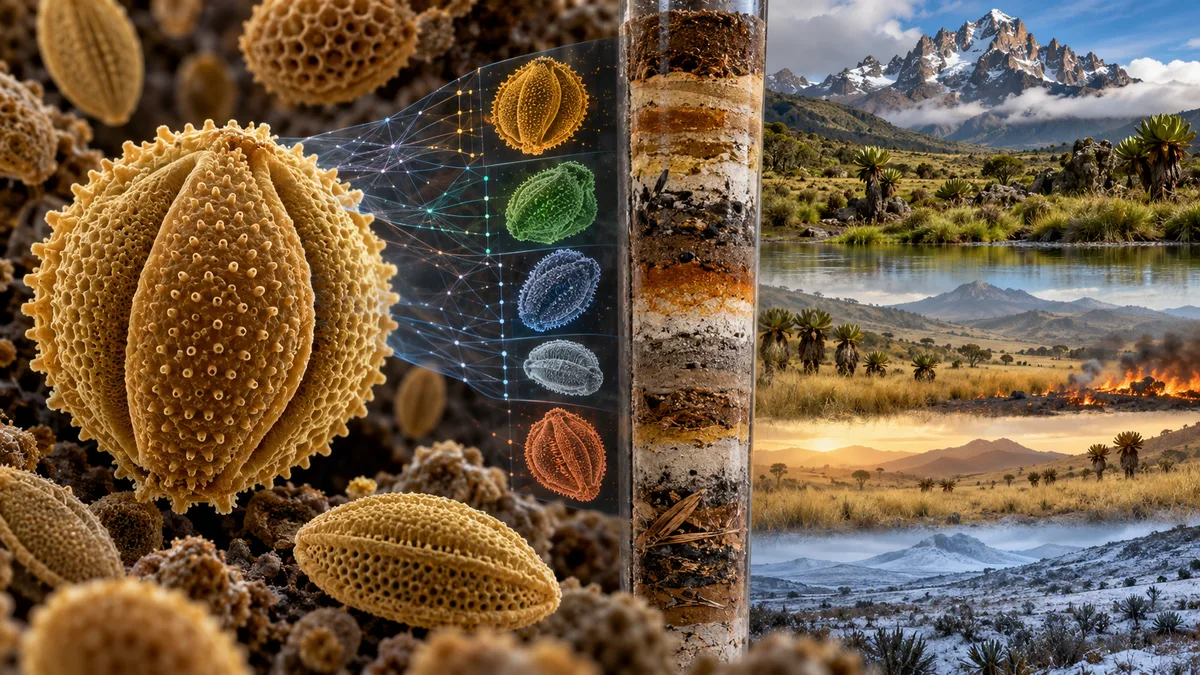
Deep learning of fossil pollen morphology reveals 25,000 y of ecological change in eastern African grasslands.

Grass (Poaceae) pollen is largely overlooked in investigations of grassland evolution because the pollen of most species cannot be differentiated using traditional optical microscopy. However, the combination of superresolution microscopy and deep learning enables the capture and quantification of distinct morphological variation across the pollen of grass species. Using a semisupervised deep-learning strategy, we trained convolutional neural networks (CNNs) on superresolution images of known mo

Continue reading
Artificial Intelligence

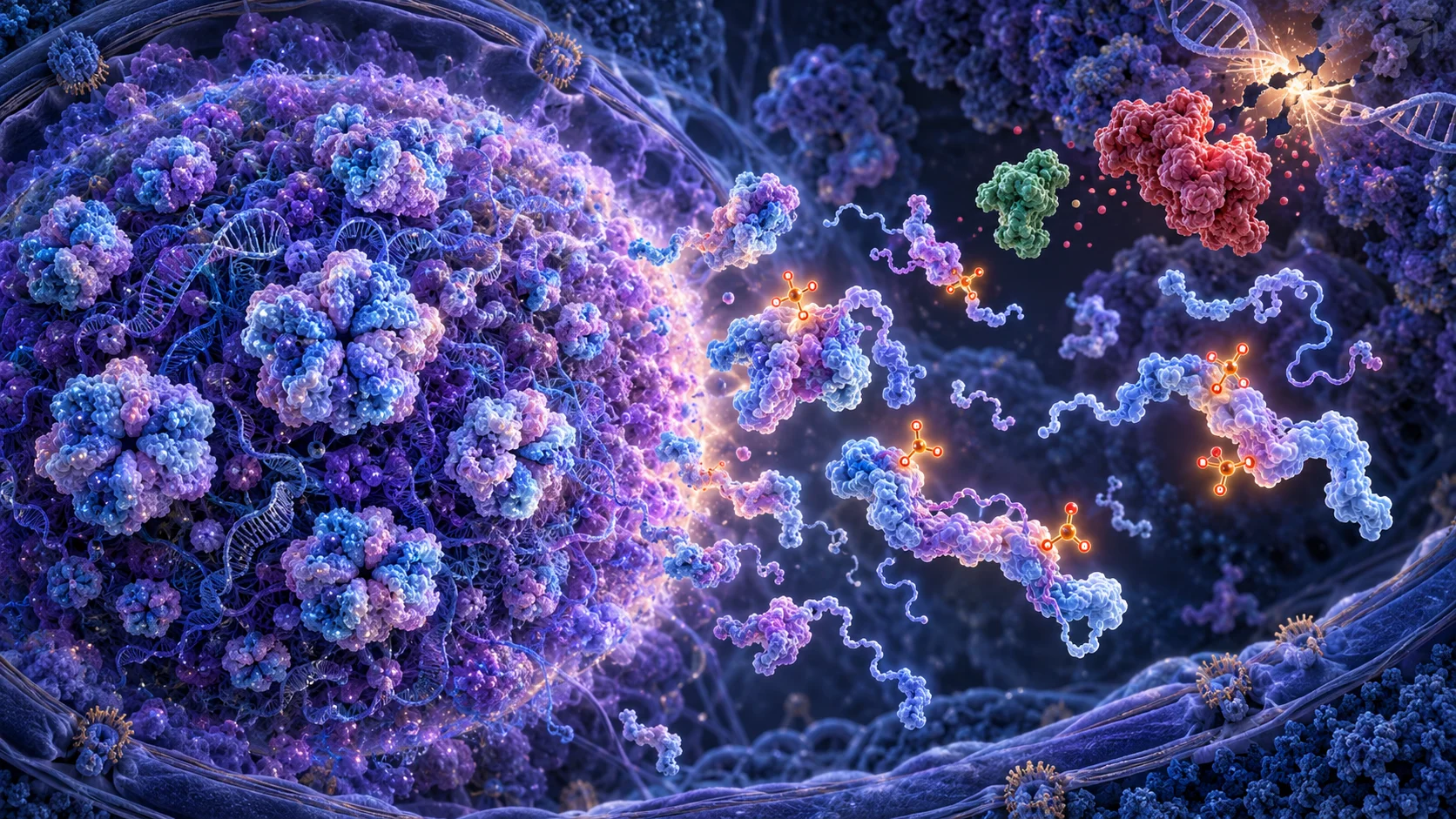
Tyrosine phosphorylation unfolds nucleophosmin and disrupts its integration into the nucleolus.

Nucleophosmin (NPM1) is a multifunctional nucleolar protein essential for ribosome biogenesis, genome stability, and stress responses. Its integration into the nucleolus depends on its oligomerization and multivalent interactions that enable liquid-liquid phase separation (LLPS). Here, we investigate how tyrosine phosphorylation at Tyr17, Tyr29, and Tyr67 located within the interface between monomers at the N-terminal oligomerization domain regulates NPM1 structure and function. Replacing tyrosi

Continue reading
Artificial Intelligence

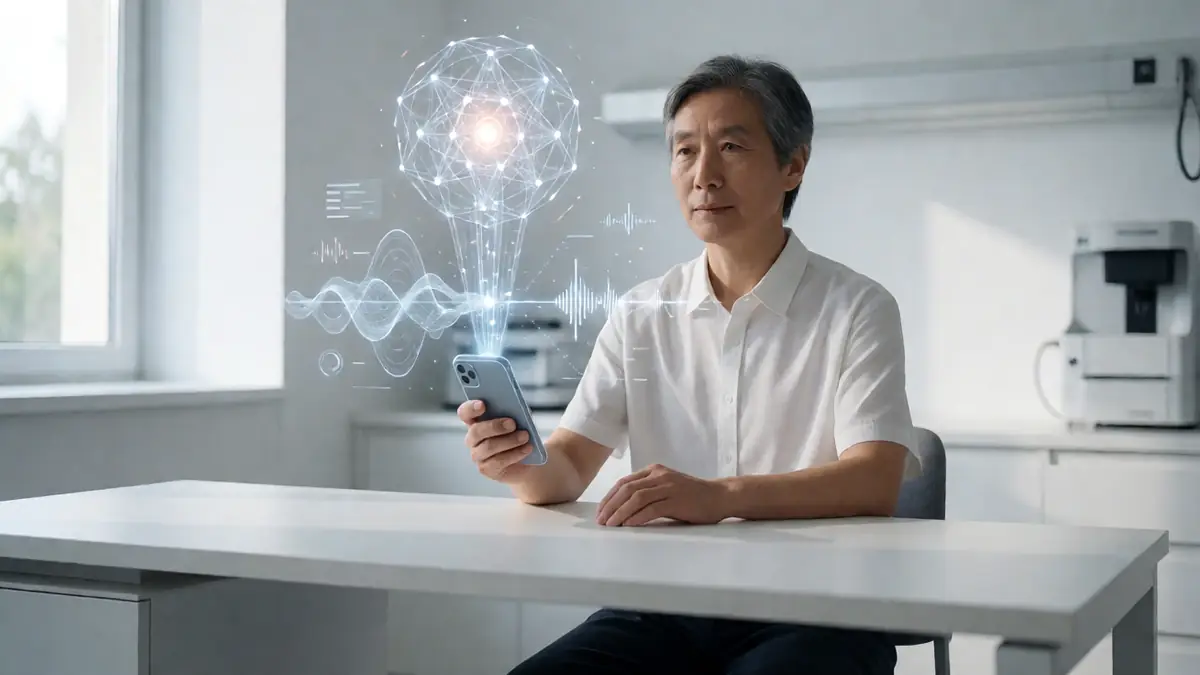
Human-artificial intelligence collaboration for comanaging epilepsy in real time.

One-third of the world's 70 million people with epilepsy have seizures uncontrolled by medication, and implantable devices are a promising treatment. These devices can detect impending seizures, missed medication and impaired cognition, but, like most medical devices, they cannot share this information with patients in real time. This is a missed opportunity for devices to learn from clinical events and teach patients how their behaviors affect their health. Here we present a device platform tha

Continue reading
Artificial Intelligence

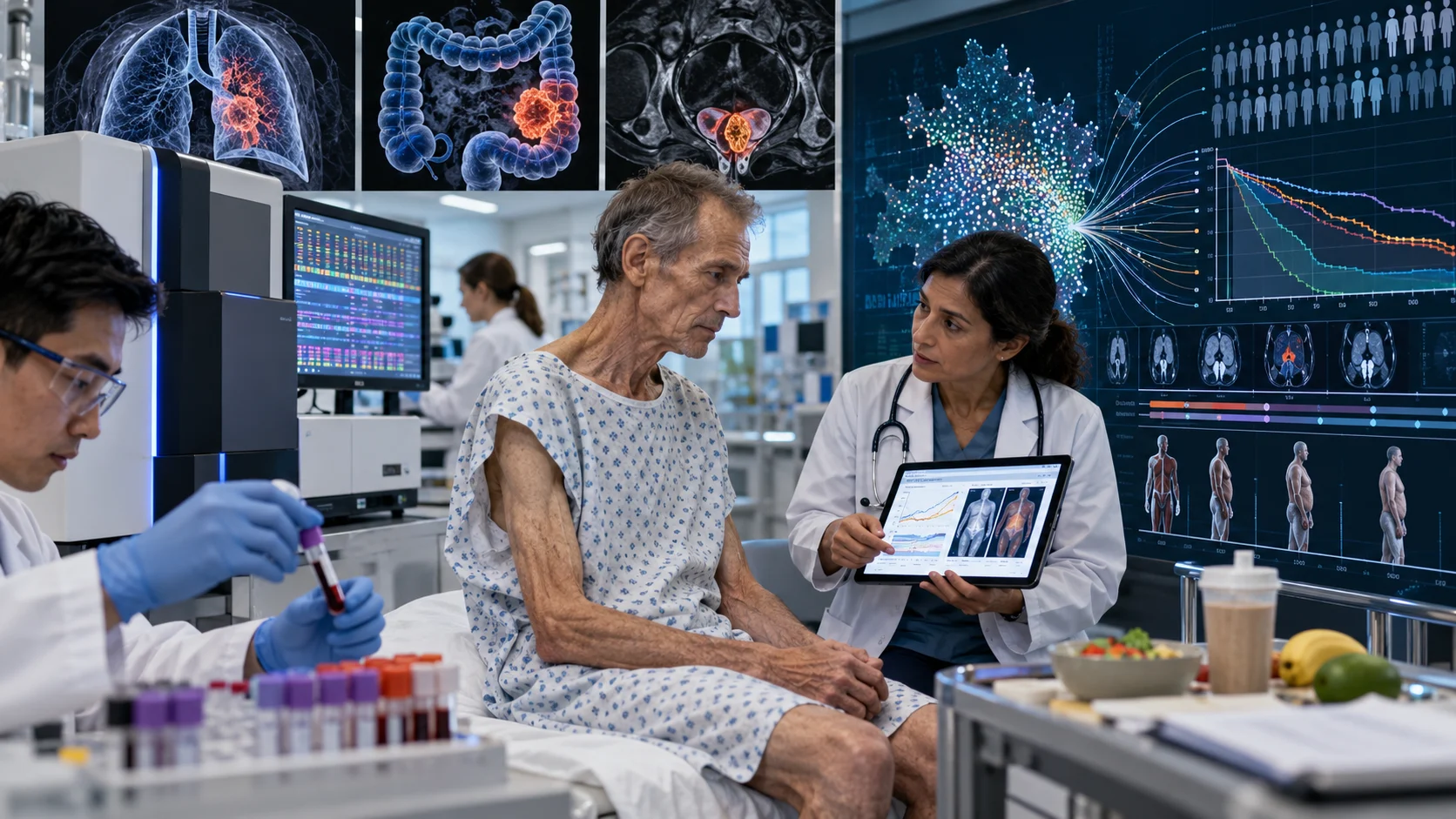
A health-system-scale, episode-resolved multimodal atlas of cancer cachexia.

Cancer cachexia is a wasting syndrome with outsized impact on morbidity and mortality, yet its drivers and systemic consequences remain poorly defined. In this study, we repurposed longitudinal clinicogenomic data from 52,236 patients with cancer profiled by MSK-IMPACT (2010-2024) at Memorial Sloan Kettering Cancer Center to define episode-resolved trajectories of consensus-defined cachectic weight loss and linked these events to outcomes, serology and tumor genotypes. Cachectic episodes cluster

Continue reading