Hierarchical crystalline organic-inorganic framework enabling high-modulus toughening in nacre
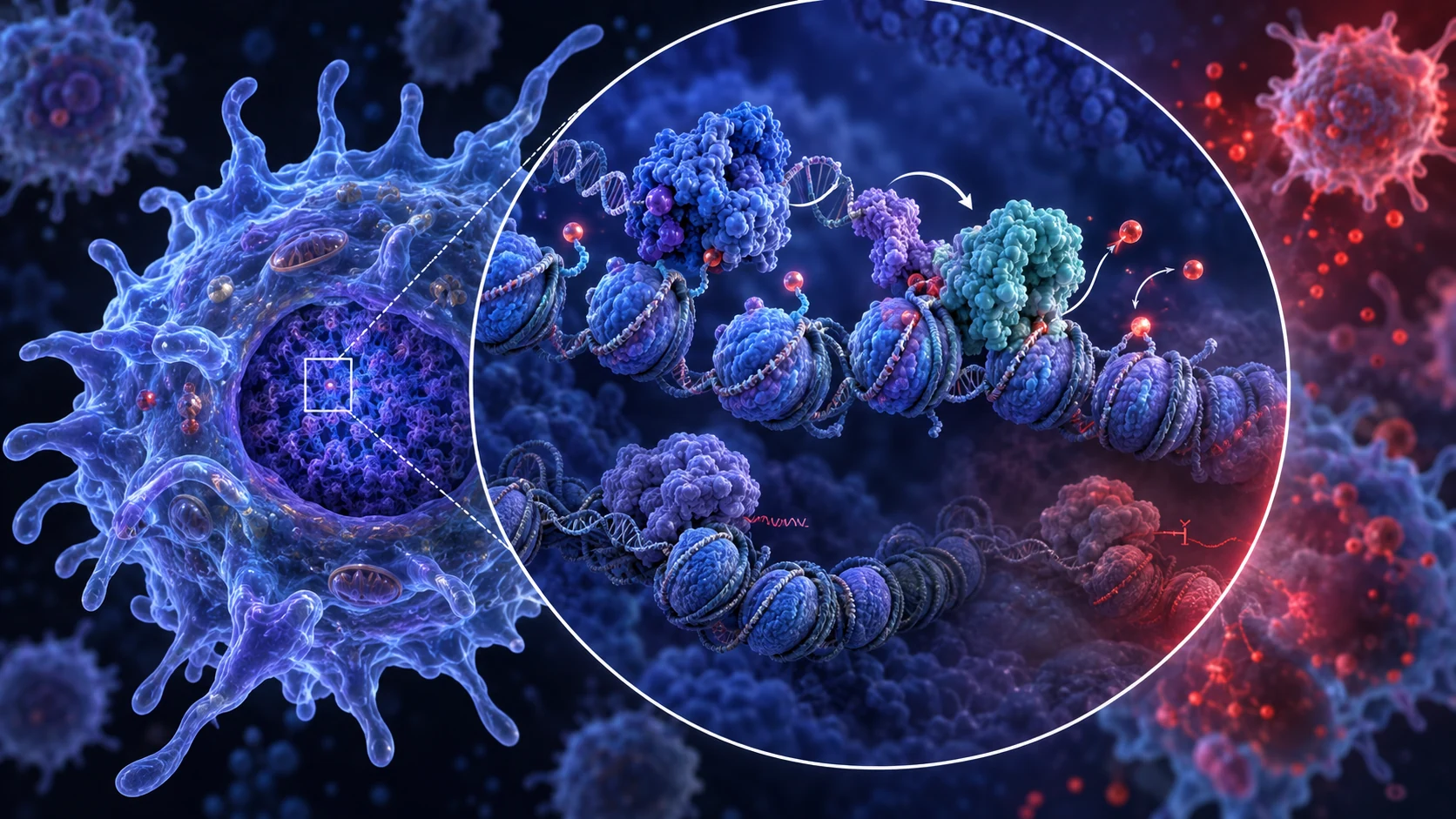
Enhancing toughness in nanocomposites often involves viscoelastic organic phases, but this typically reduces stiffness. We describe a high-modulus toughening mechanism in mature Cristaria plicata nacre arising from a crystalline organic-inorganic framework composed of aragonite nanorods alternately integrated with intratabular biomolecular crystallites. Due to the critical slip-length effect, these crystalline units approach the theoretical limits of modulus and strength. The nanoconfined biomol
Enhancing toughness in nanocomposites often involves viscoelastic organic phases, but this typically reduces stiffness. We describe a high-modulus toughening mechanism in mature Cristaria plicata nacre arising from a crystalline organic-inorganic framework composed of aragonite nanorods alternately integrated with intratabular biomolecular crystallites. Due to the critical slip-length effect, these crystalline units approach the theoretical limits of modulus and strength. The nanoconfined biomolecular crystallites function as nanopins at interlamellar interphases, alleviating stress concentrations and enabling cross-scale synchronized deformation, thereby conferring high fracture toughness. Inspired by this mechanism, reconstituted nacre fabricated from regenerated aragonite flakes simultaneously achieved high stiffness and crack resistance. These insights offer a promising pathway toward reliable, high-performance structural materials.