Glycocalyx-edited mesenchymal stem/stromal cell therapy in advanced osteoporosis.
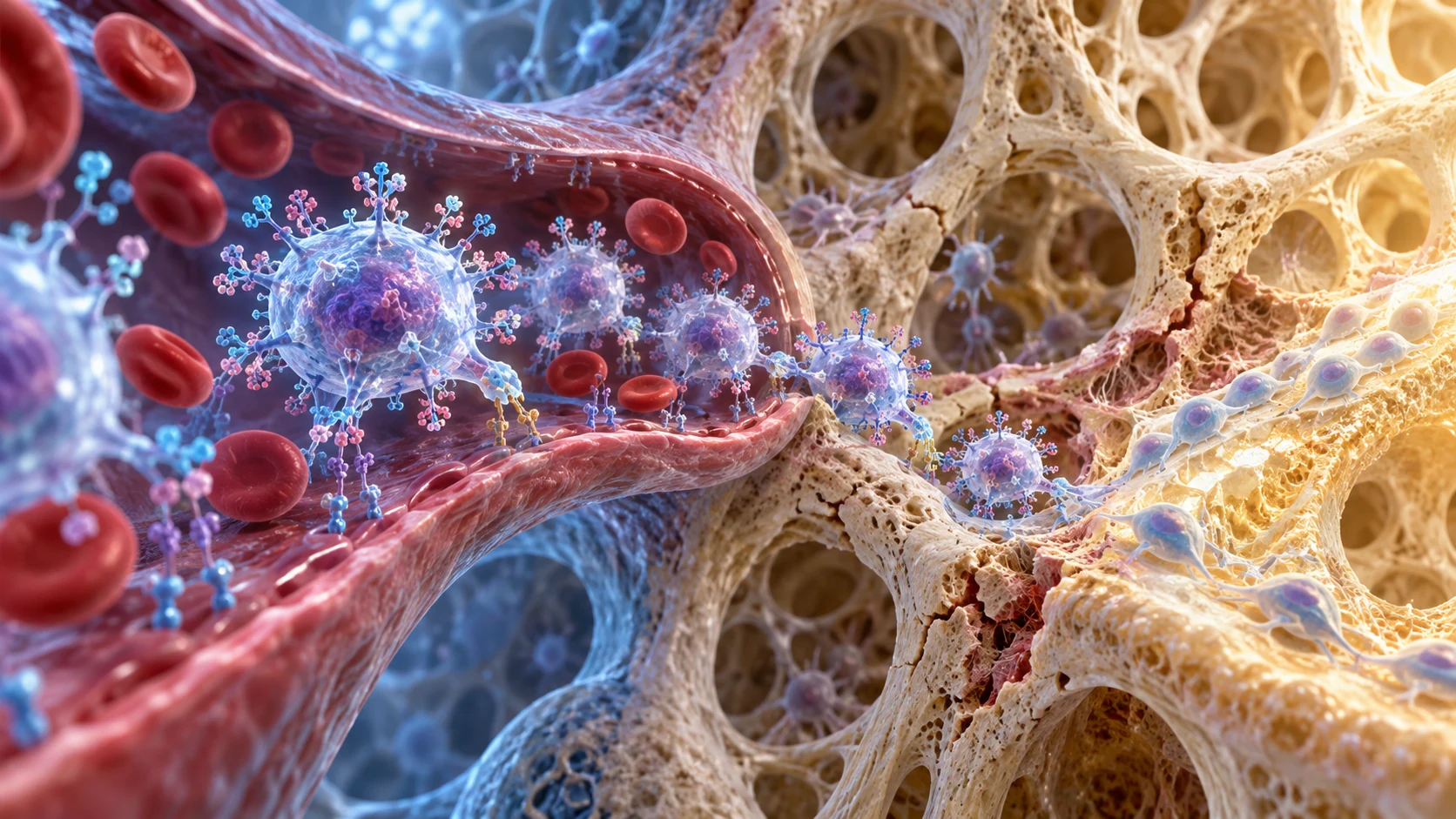
Mesenchymal stem/stromal cells (MSCs) are osteoregenerative; however, their therapeutic efficacy for skeletal conditions is hampered by poor bone-homing ("osteotropism"). In preclinical models, this deficit is correctable by MSC glycocalyx editing to enforce sialylated Lewis X (sLeX) expression, thereby programming osteotropism. We conducted a first-in-human clinical trial (ClinicalTrials.gov: NCT02566655) involving a single intravenous infusion of glycocalyx-edited autologous bone marrow-derive
Mesenchymal stem/stromal cells (MSCs) are osteoregenerative; however, their therapeutic efficacy for skeletal conditions is hampered by poor bone-homing ("osteotropism"). In preclinical models, this deficit is correctable by MSC glycocalyx editing to enforce sialylated Lewis X (sLeX) expression, thereby programming osteotropism. We conducted a first-in-human clinical trial (ClinicalTrials.gov: NCT02566655) involving a single intravenous infusion of glycocalyx-edited autologous bone marrow-derived MSCs in ten women with advanced-stage osteoporosis. The protocol-mandated evaluation spanned 2 years and included clinical assessments, radiographic studies, and measurements of bone turnover markers (BTMs), bone tissue area (BTA), and bone mineral density (BMD). Thereafter, fracture and safety monitoring continued for >3 additional years for each patient. No serious adverse events occurred. Fragility fractures were markedly and durably reduced, amidst increased osteoanabolic BTM levels, BTA, and volumetric BMD. These findings indicate that glycocalyx editing effectuates MSC-based osteoporosis therapy and also refute notions that MSCs derived from older persons and/or diseased-tissue sites are biologically compromised.