Glycan recognition by a plant damage-sensing immune receptor.

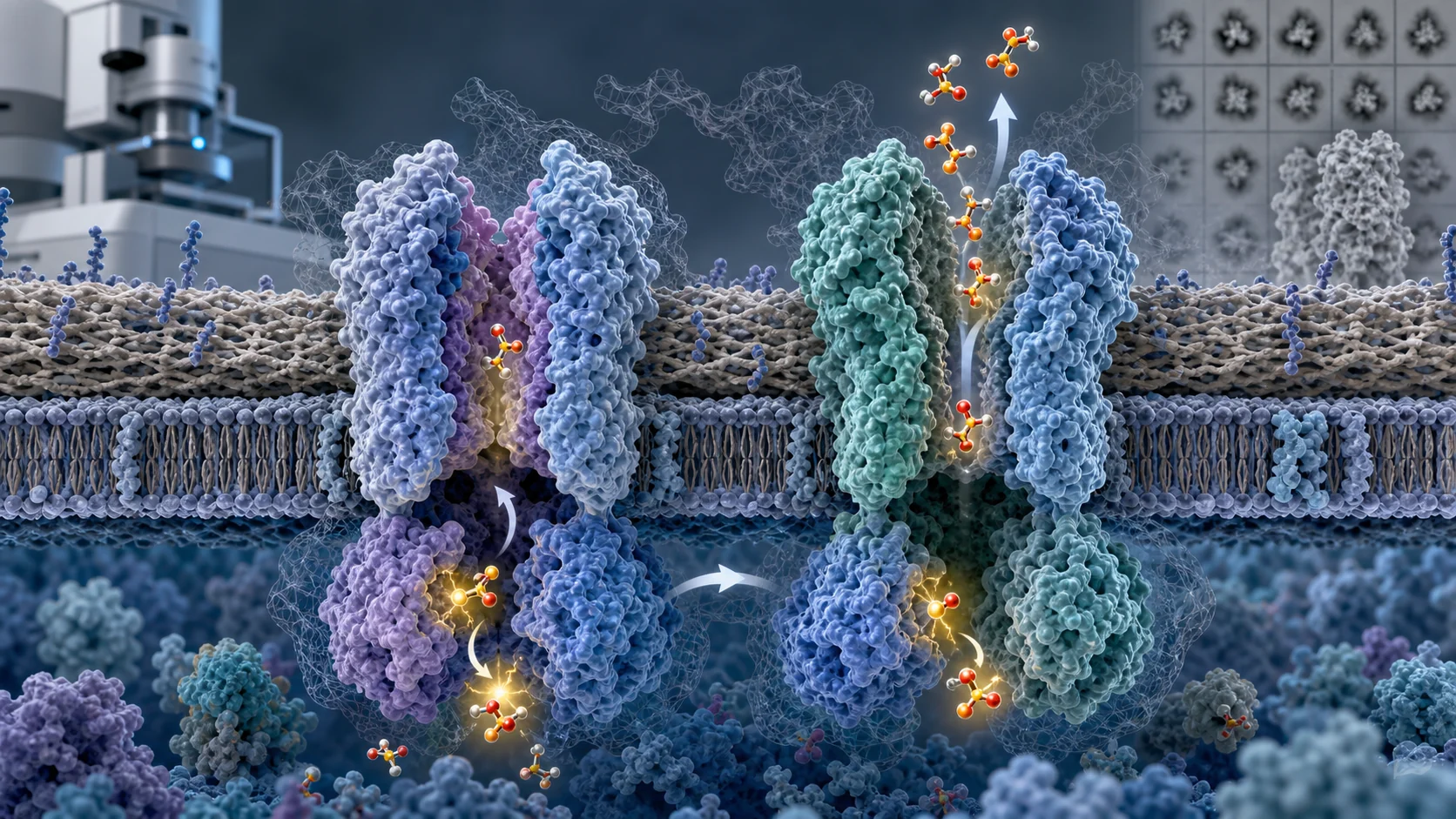
Pathogens target and degrade the extracellular matrix surrounding plant cells. A central question is how cell wall-derived damage-associated molecular patterns (DAMPs) are recognized and integrated to trigger immune responses. We address this question by determining the structure of the extracellular multidomain of the IGP1 receptor in both apo form and bound to the cellulose-derived DAMP cellotriose. Structural analyses reveal that constitutive interactions of Leucine Rich Repeat (LRR)-malectin
Pathogens target and degrade the extracellular matrix surrounding plant cells. A central question is how cell wall-derived damage-associated molecular patterns (DAMPs) are recognized and integrated to trigger immune responses. We address this question by determining the structure of the extracellular multidomain of the IGP1 receptor in both apo form and bound to the cellulose-derived DAMP cellotriose. Structural analyses reveal that constitutive interactions of Leucine Rich Repeat (LRR)-malectin domains preconfigure IGP1 for ligand recognition and that the receptor features a highly specific sugar-binding pocket in the LRR domain capable of distinguishing fine variations in glycan structures. By directly sensing cello-oligomers, IGP1 operates as a cell wall surveillance receptor that links pathogen-induced wall degradation to immune alerting, equipping plants to mount rapid and robust defense responses.