Physical/Tech

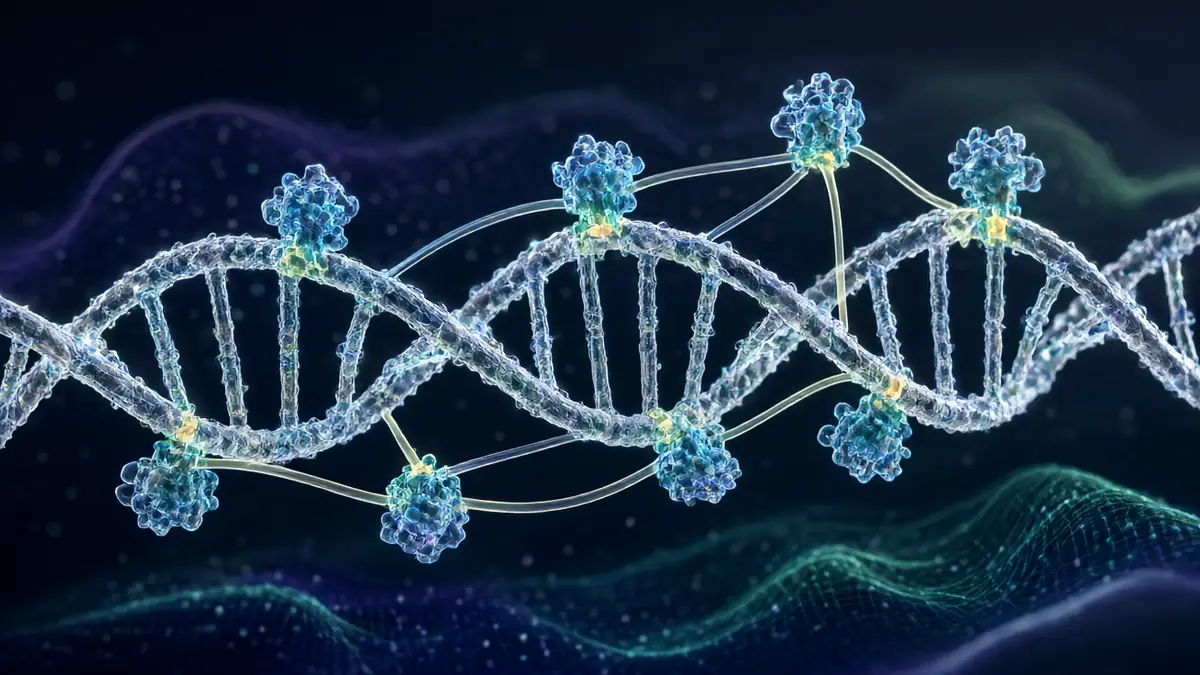
Evolution, information content, and optimality of gene regulatory architectures.
| Source: Proceedings of the National Academy of Sciences of the United States of America

Evolution of genetic regulatory sequences is shaped by their genotype-phenotype map, but this map itself can evolve via changes in the molecular machinery that reads out the regulatory sequences. Using population genetics theory, we derive a maximization principle, which implies that genotype-phenotype maps will evolve to associate fit phenotypes with larger numbers of possible genotypes. Mathematically, this builds on analogies between population genetics and statistical physics, as well as opt

Evolution of genetic regulatory sequences is shaped by their genotype-phenotype map, but this map itself can evolve via changes in the molecular machinery that reads out the regulatory sequences. Using population genetics theory, we derive a maximization principle, which implies that genotype-phenotype maps will evolve to associate fit phenotypes with larger numbers of possible genotypes. Mathematically, this builds on analogies between population genetics and statistical physics, as well as optimal coding in information theory. The results are particularly interesting in the context of transcriptional regulation, where optimal values of certain parameters that determine the gene regulatory architecture can be derived even without a complete knowledge of the molecular mechanisms involved. We illustrate the theory using a simplified model of transcription factor (TF) binding to cis-regulatory elements (CREs): the fraction of possible CREs across the entire genotype space that bind a given TF evolves to match the fraction of CREs under selection to bind that TF. Similar "frequency matching" results are expected to emerge generically, because selection implicitly moves the entire regulatory architecture toward a fitness maximum, determining the "replicated genotype-phenotype map" for all CREs, while it simultaneously adapts toward individually fit CREs on that map. We discuss the subtleties and limitations of the theory related to biophysical constraints and the need for mutational robustness. Last, our theory suggests a possible mathematical definition for evolvability with predictive power that can be tested in evolutionary simulations and, ultimately, in comparative genetics studies.
Read the original source →

Related Stories

Physical/Tech

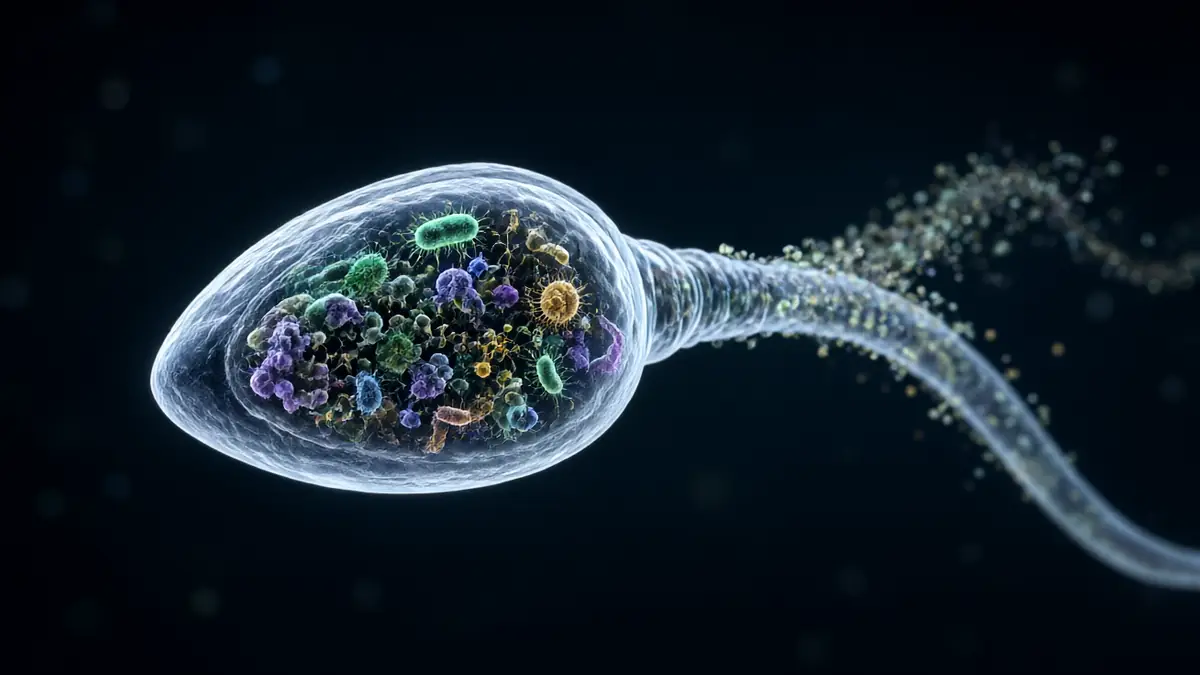
The microbial world of male reproduction.

The last decade has brought renewed interest to microbial influences on host biology, yet the roles of microbes in host reproductive biology are underappreciated and often defined by a profound maternal bias. This perspective synthesizes emerging evidence across the tree of life to highlight the paternal microbiome as an overlooked driver of fitness, reproductive output, and intergenerational health, impacting epigenetic sculpting of the sperm and embryo, sexual transmission of microbes, and mal

Continue reading
Physical/Tech

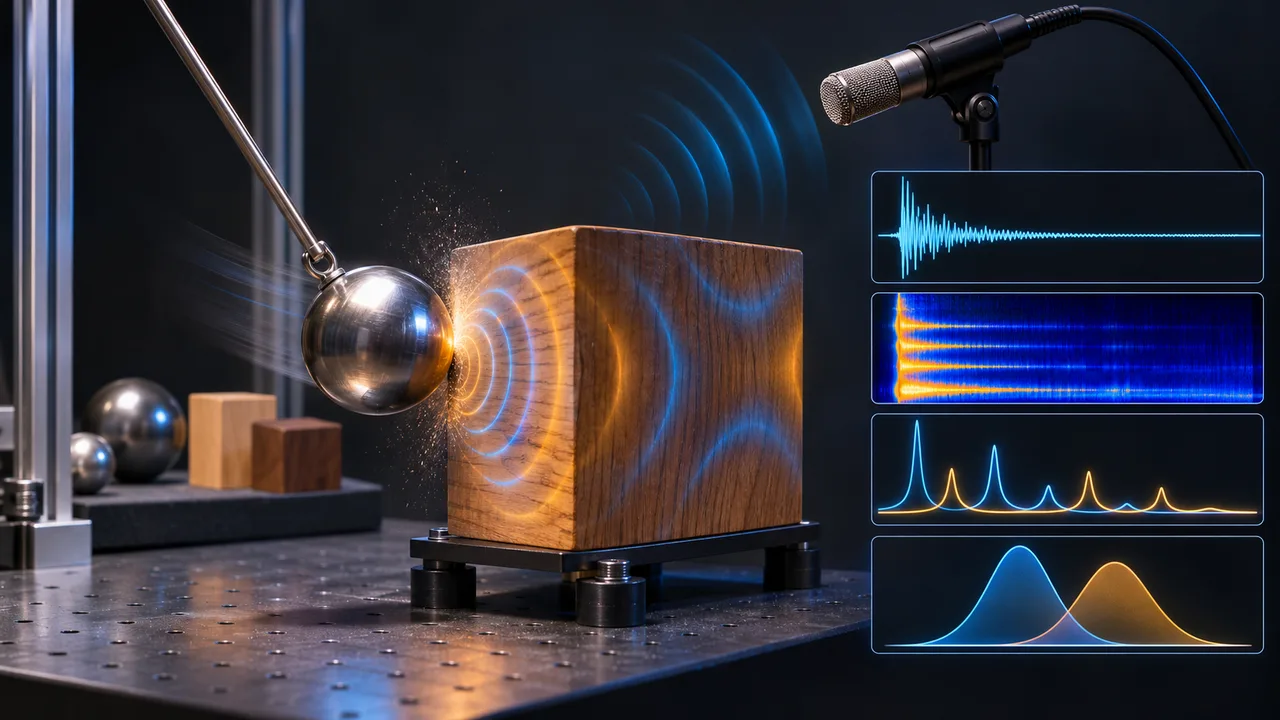
Intuitive knowledge of object acoustics enables perceptual separation of physical variables from impact sounds.

Upon hearing objects collide, humans can estimate physical attributes such as material and mass. Although the physics of sound generation is well established, the inverse problem that listeners solve-of inferring physical parameters from sound-remains poorly understood. Classical accounts posit the use of acoustic cues that correlate with physical variables but do not explain how humans might distinguish multiple concurrent physical causes. To study this problem, we measured impulse responses fr

Continue reading
Physical/Tech

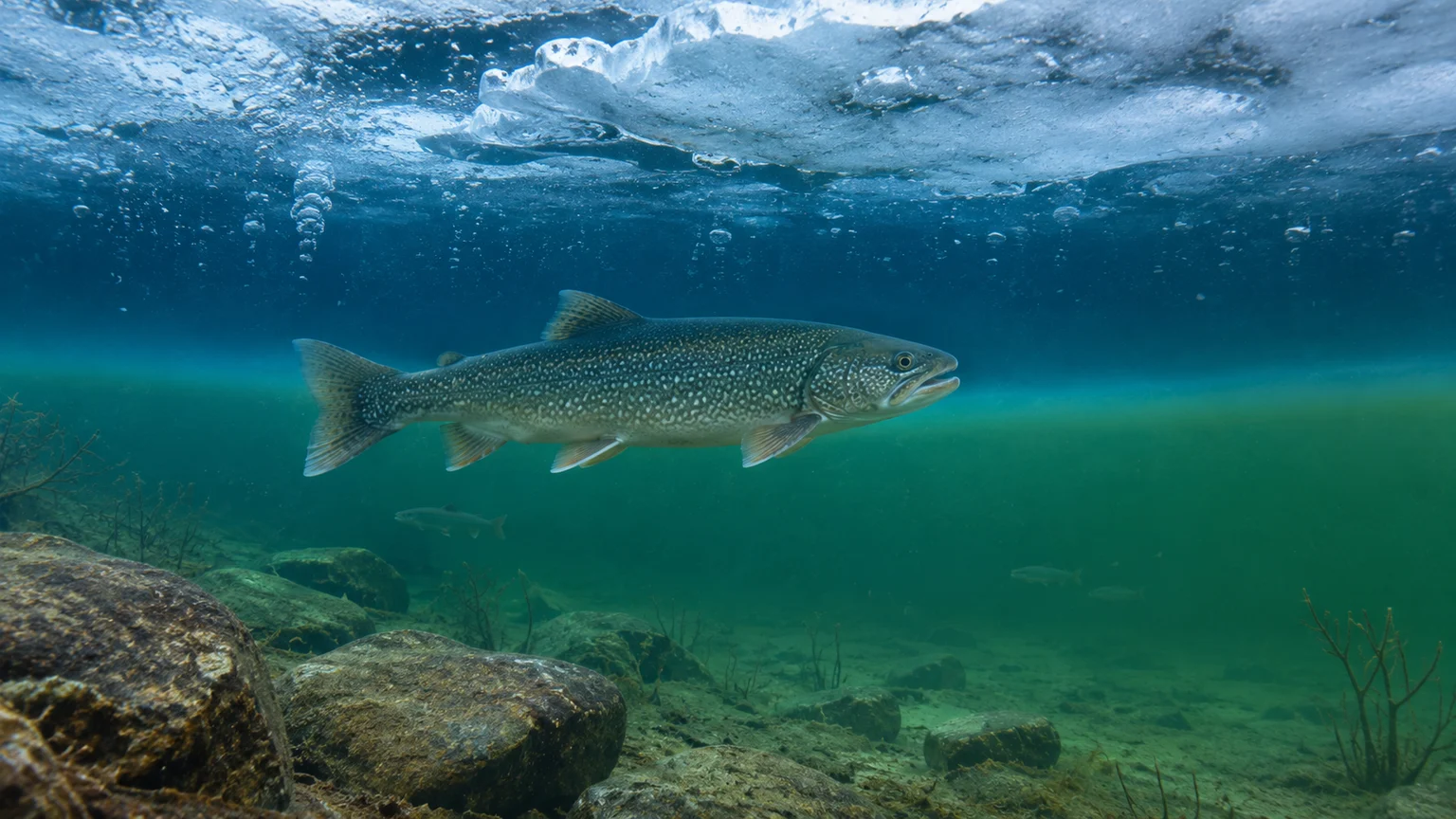
Sub-ice thermal gradients strongly influence winter depth use of an iconic cold-water fish.

In a thermally stratified lake, freshwater fish select habitats that align with their thermal preferences. While most studies of dimictic lakes have focused on habitat selection during summer stratification, less attention has been given to winter when inverse thermal stratification occurs with water temperatures between 0 to 4 °C. Our results show that winter thermal stratifications vary considerably among lakes. Much of the variation in winter depth use by the cold-water predator, Lake Tr

Continue reading
Physical/Tech

Gaplinc regulates myeloid metabolic pathways in trans in endotoxic shock.

The long noncoding RNA (lncRNA) Gaplinc is a known regulator of the innate immune response; however, the systemic mechanisms governing its influence on survival during endotoxic shock remain incompletely understood. Here, we establish Gaplinc as a dosage-dependent immune and metabolic rheostat. While Gaplinc knockout (KO) mice exhibit elevated baseline immune response genes (IRGs) and resistance to lipopolysaccharide (LPS)-induced shock, we demonstrate that transgenic Gaplinc overexpression prod

Continue reading
Physical/Tech

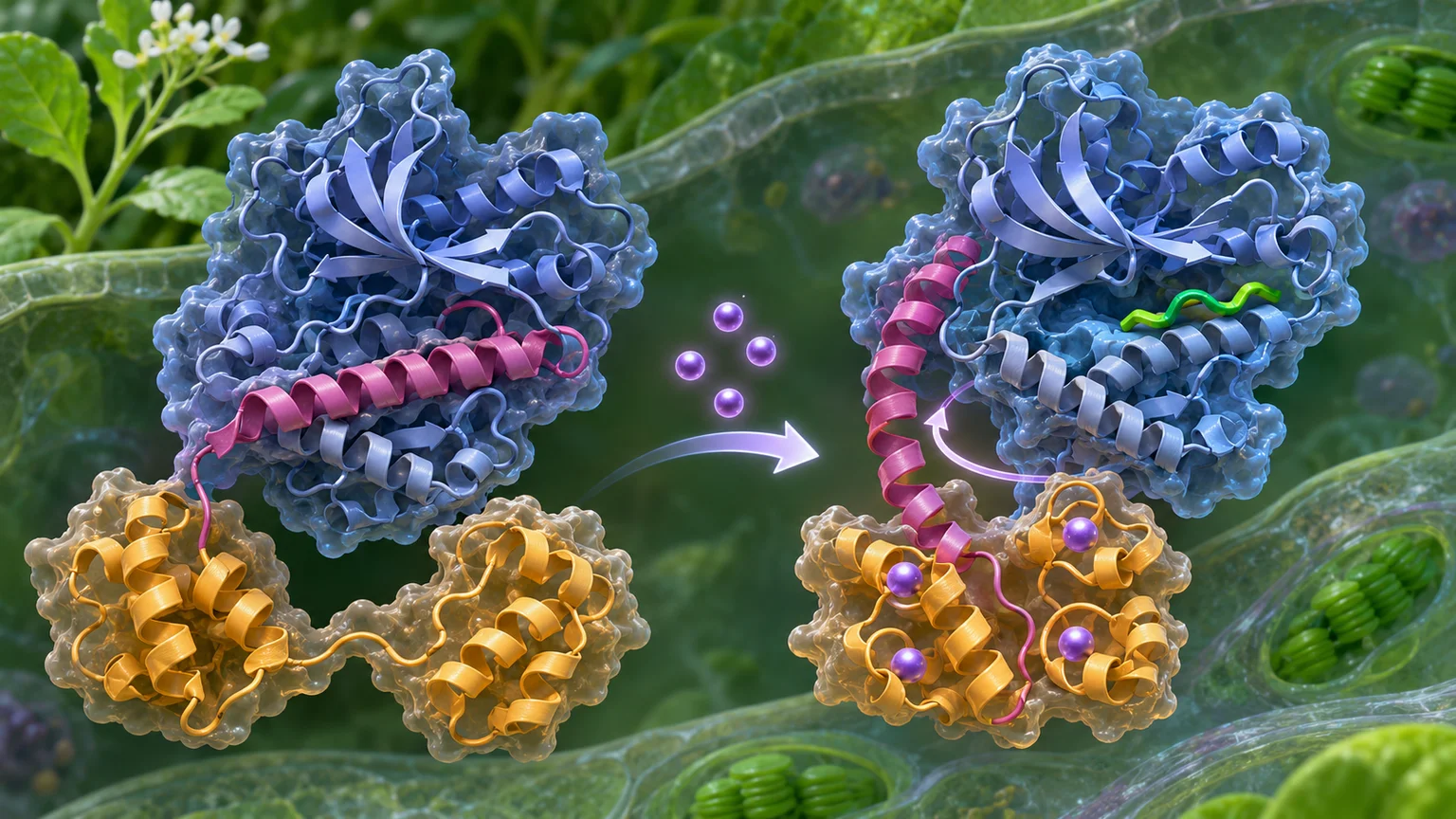
Structural insights into inhibition and activation mechanisms of plant calcium-dependent protein kinases.

Calcium-dependent protein kinases (CDPKs) comprise the major group of Ca 2+ -regulated kinases in plants and protists. These enzymes comprise an N-terminal kinase domain and a C-terminal Ca 2+ -dependent activation domain (CAD). We solved the crystal structures of autoinhibited and activated forms of a plant CDPK, Arabidopsis CPK3. In the autoinhibited form, the CAD resembles a "dumbbell-like" calmodulin protein with a long helix in the N terminus that inhibits the kinase domain in a pseudo-subs

Continue reading