Physical/Tech

Divergent activation of the RXFP1 relaxin receptor by protein and small-molecule agonists
| Source: Science

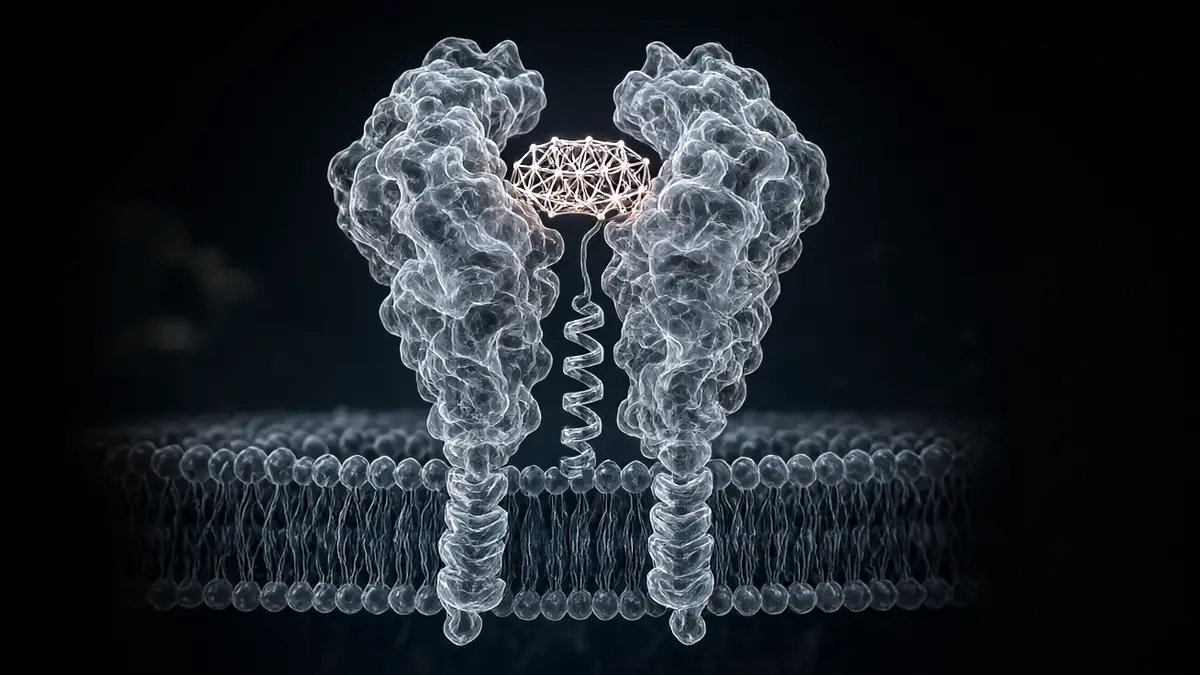
The relaxin receptor RXFP1 is a therapeutic target owing to its potential benefits in the treatment of fibrosis and heart failure. Protein and small-molecule agonists are currently in midstage clinical trials for various forms of heart disease. In this work, we present three cryo–electron microscopy structures of RXFP1: ligand-free, bound to the native agonist relaxin-2, and bound to the small-molecule drug candidate AZD5462. These structures reveal that relaxin-2 engages the receptor’s ectodoma

The relaxin receptor RXFP1 is a therapeutic target owing to its potential benefits in the treatment of fibrosis and heart failure. Protein and small-molecule agonists are currently in midstage clinical trials for various forms of heart disease. In this work, we present three cryo–electron microscopy structures of RXFP1: ligand-free, bound to the native agonist relaxin-2, and bound to the small-molecule drug candidate AZD5462. These structures reveal that relaxin-2 engages the receptor’s ectodomain, whereas AZD5462 binds to the transmembrane domain. Together with hydrogen-deuterium exchange mass spectrometry, we show that relaxin-2 induces reorganization of the linker domain into a helical secondary structure. By contrast, AZD5462 stabilizes an active conformation through a distinct set of conformational rearrangements. Altogether, our findings define divergent activation mechanisms for protein and small-molecule agonists of RXFP1.
Read the original source →

Related Stories

Physical/Tech

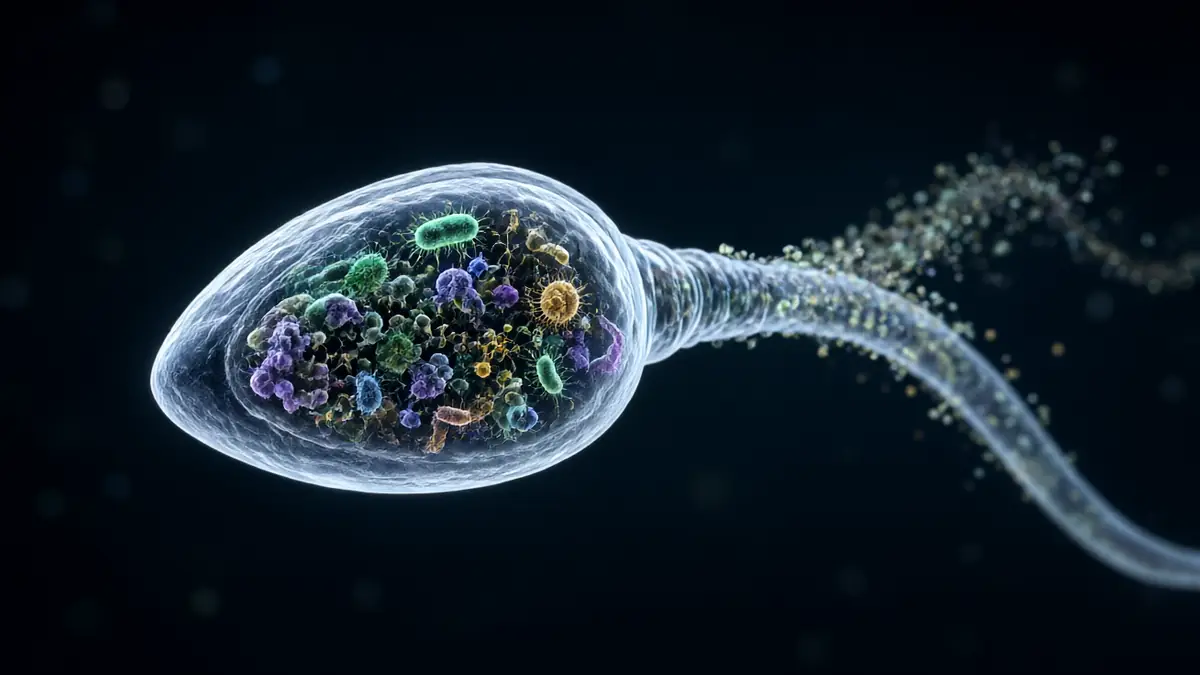
The microbial world of male reproduction.

The last decade has brought renewed interest to microbial influences on host biology, yet the roles of microbes in host reproductive biology are underappreciated and often defined by a profound maternal bias. This perspective synthesizes emerging evidence across the tree of life to highlight the paternal microbiome as an overlooked driver of fitness, reproductive output, and intergenerational health, impacting epigenetic sculpting of the sperm and embryo, sexual transmission of microbes, and mal

Continue reading
Physical/Tech

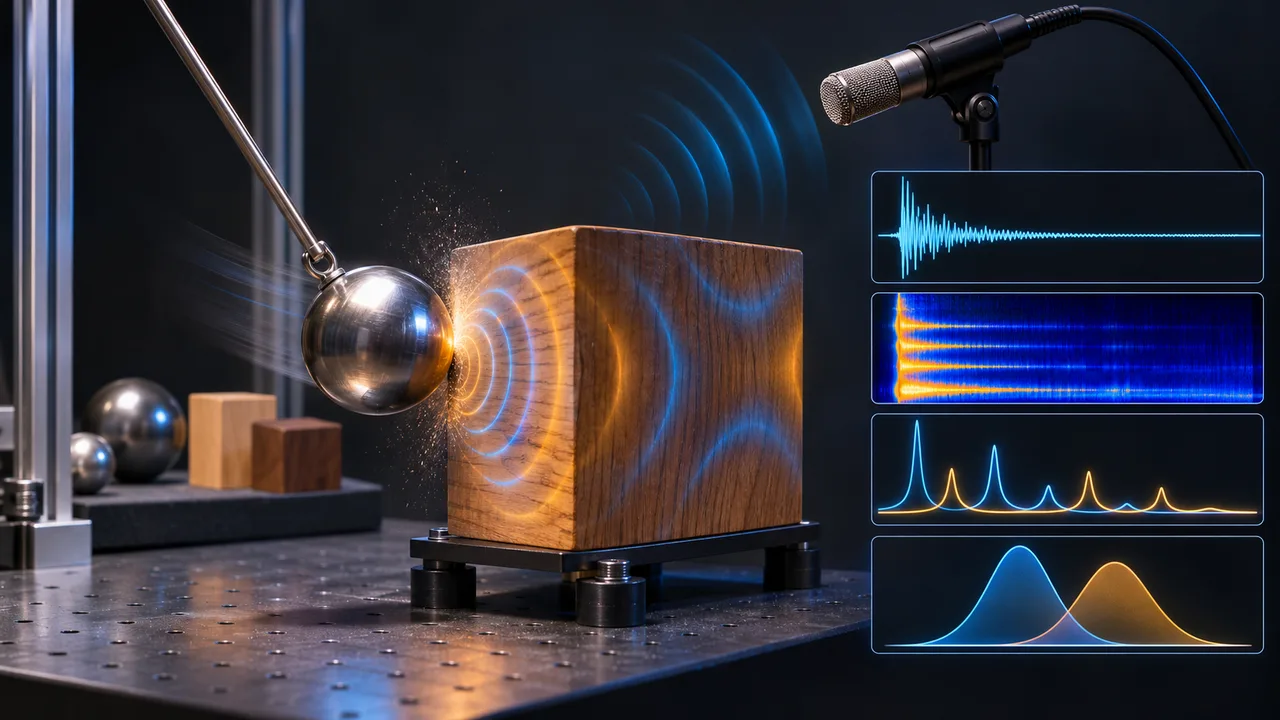
Intuitive knowledge of object acoustics enables perceptual separation of physical variables from impact sounds.

Upon hearing objects collide, humans can estimate physical attributes such as material and mass. Although the physics of sound generation is well established, the inverse problem that listeners solve-of inferring physical parameters from sound-remains poorly understood. Classical accounts posit the use of acoustic cues that correlate with physical variables but do not explain how humans might distinguish multiple concurrent physical causes. To study this problem, we measured impulse responses fr

Continue reading
Physical/Tech

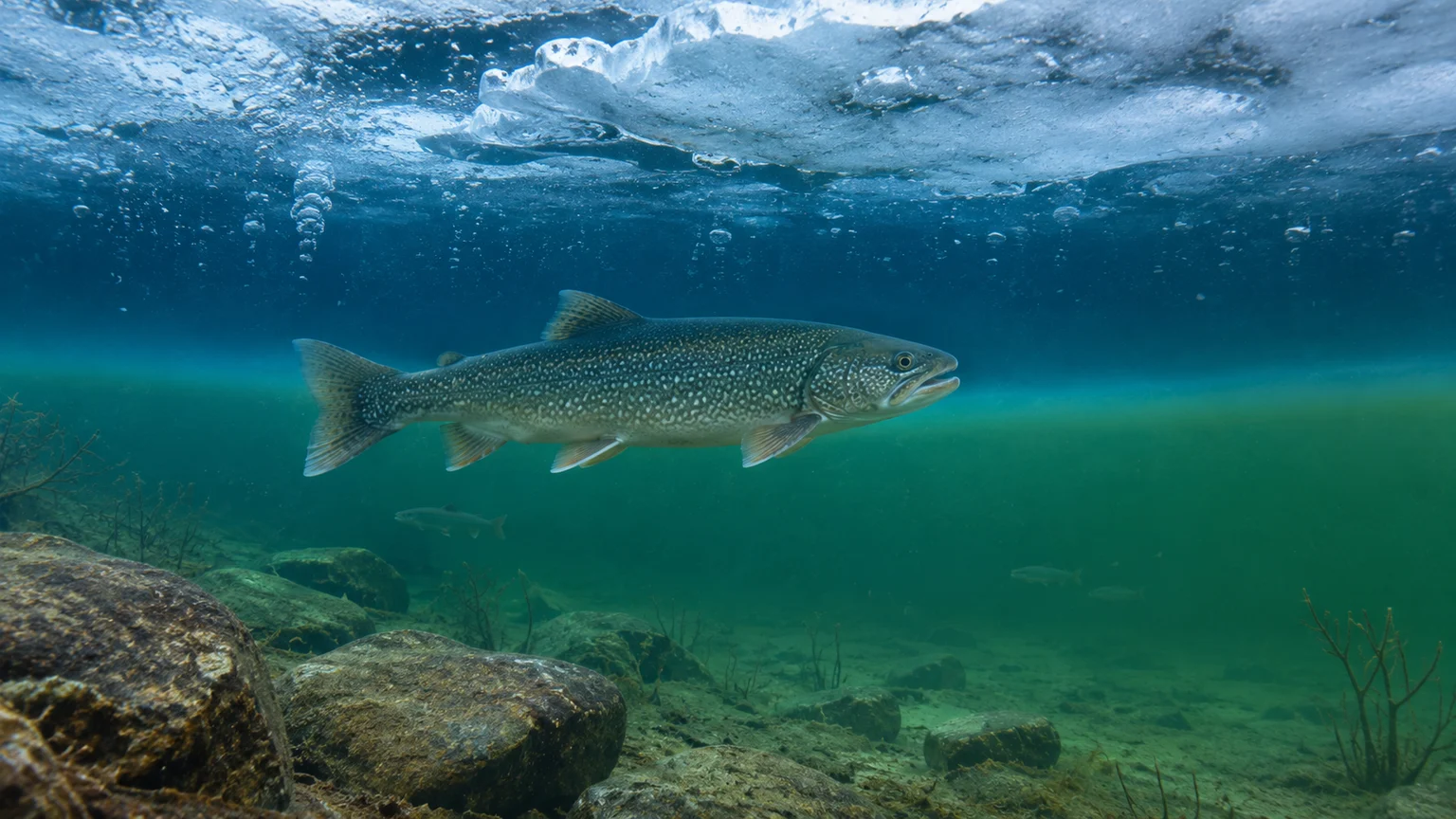
Sub-ice thermal gradients strongly influence winter depth use of an iconic cold-water fish.

In a thermally stratified lake, freshwater fish select habitats that align with their thermal preferences. While most studies of dimictic lakes have focused on habitat selection during summer stratification, less attention has been given to winter when inverse thermal stratification occurs with water temperatures between 0 to 4 °C. Our results show that winter thermal stratifications vary considerably among lakes. Much of the variation in winter depth use by the cold-water predator, Lake Tr

Continue reading
Physical/Tech

Gaplinc regulates myeloid metabolic pathways in trans in endotoxic shock.

The long noncoding RNA (lncRNA) Gaplinc is a known regulator of the innate immune response; however, the systemic mechanisms governing its influence on survival during endotoxic shock remain incompletely understood. Here, we establish Gaplinc as a dosage-dependent immune and metabolic rheostat. While Gaplinc knockout (KO) mice exhibit elevated baseline immune response genes (IRGs) and resistance to lipopolysaccharide (LPS)-induced shock, we demonstrate that transgenic Gaplinc overexpression prod

Continue reading
Physical/Tech

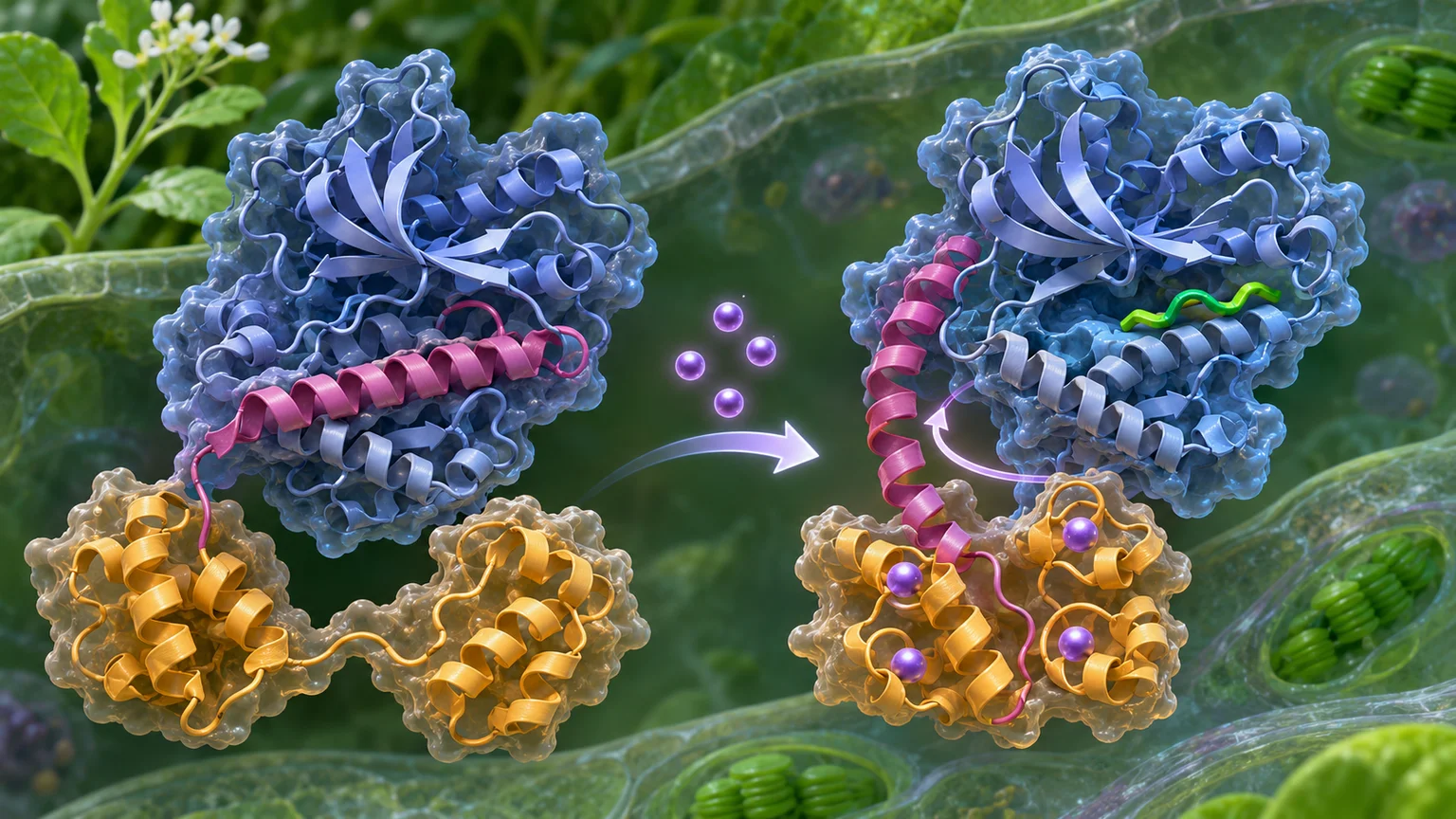
Structural insights into inhibition and activation mechanisms of plant calcium-dependent protein kinases.

Calcium-dependent protein kinases (CDPKs) comprise the major group of Ca 2+ -regulated kinases in plants and protists. These enzymes comprise an N-terminal kinase domain and a C-terminal Ca 2+ -dependent activation domain (CAD). We solved the crystal structures of autoinhibited and activated forms of a plant CDPK, Arabidopsis CPK3. In the autoinhibited form, the CAD resembles a "dumbbell-like" calmodulin protein with a long helix in the N terminus that inhibits the kinase domain in a pseudo-subs

Continue reading