Environment

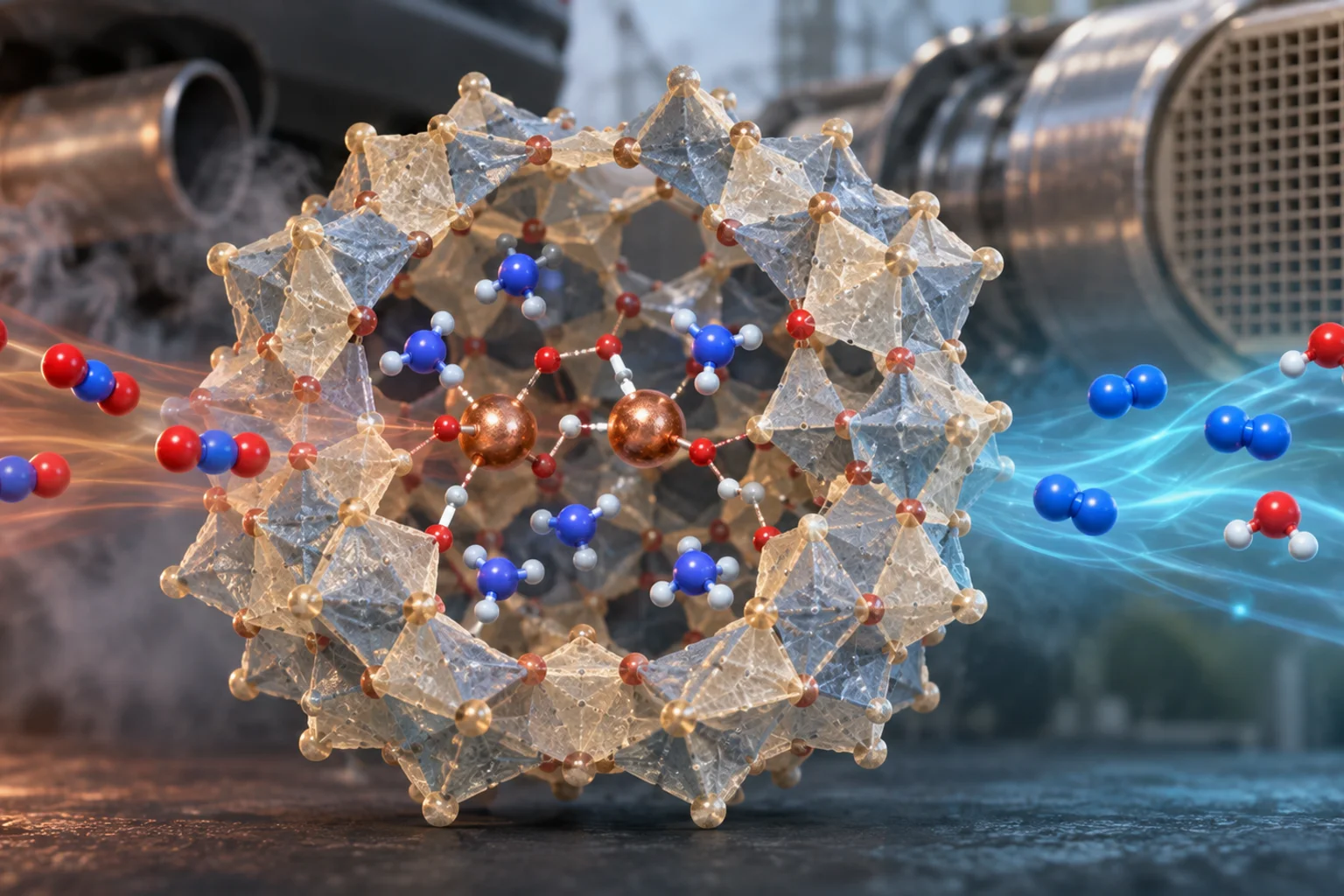
Cooperative Roles of Cu Ions and Brønsted Acid Sites in NOx Selective Catalytic Reduction by Cu-Chabazite Catalysts.
| Source: Journal of the American Chemical Society

The standard NH3 selective catalytic reduction (SCR) of NOx over Cu-exchanged chabazite (Cu-CHA) zeolites is widely deployed in heavy-duty diesel aftertreatment yet remains mechanistically unresolved, particularly regarding closure of the Cu redox cycle and the role of framework Brønsted acid sites. Here, we combine density functional theory, ab initio molecular dynamics, and metadynamics simulations to develop a molecularly detailed mechanism for the low-temperature (<523 K) standard SC

The standard NH3 selective catalytic reduction (SCR) of NOx over Cu-exchanged chabazite (Cu-CHA) zeolites is widely deployed in heavy-duty diesel aftertreatment yet remains mechanistically unresolved, particularly regarding closure of the Cu redox cycle and the role of framework Brønsted acid sites. Here, we combine density functional theory, ab initio molecular dynamics, and metadynamics simulations to develop a molecularly detailed mechanism for the low-temperature (<523 K) standard SCR reaction. Cu2+-nitrite species, ZCu2+(NO2)-(NH3)3, formed via NO activation over O2-bridged binuclear Cu dimers, are proposed as key intermediates in the reduction half-cycle whose fate depends on the local framework Al environment: in the absence of proximal NH3-covered Brønsted acid sites, H2O promotes conversion to mononuclear ZCu2+OH(NH3)3 sites, while proximal NH3-covered Brønsted acid sites catalyze the transformation to Z2Cu2+(NH3)4. HONO is predicted to be a key intermediate in the reduction half-cycle whose decomposition to N2 and H2O is catalyzed by NH3-covered Brønsted acid sites via proton-shuttle mechanisms. Competing reduction pathways of mononuclear ZCu2+OH(NH3)3 sites, including direct NH3/NO coupling and HONO-mediated routes, have comparable apparent activation energies and are therefore kinetically complementary rather than mutually exclusive. The proposed catalytic cycle offers a resolution to the debate regarding single- versus dual-site Cu2+ reduction half-cycle mechanisms. The standard SCR redox cycle is predicted to be a cooperative, composition-dependent process governed by an interplay between Cu speciation and framework Brønsted acid sites. This composition-dependent nature calls for a new generation of kinetic models that explicitly account for the distribution of local cage environments across practical catalyst samples. Consequently, no single universal catalytic cycle applies across all catalyst compositions, implying control of the microscopic environment as a lever for optimization of Cu-CHA catalysts.
Read the original source →

Related Stories

Environment

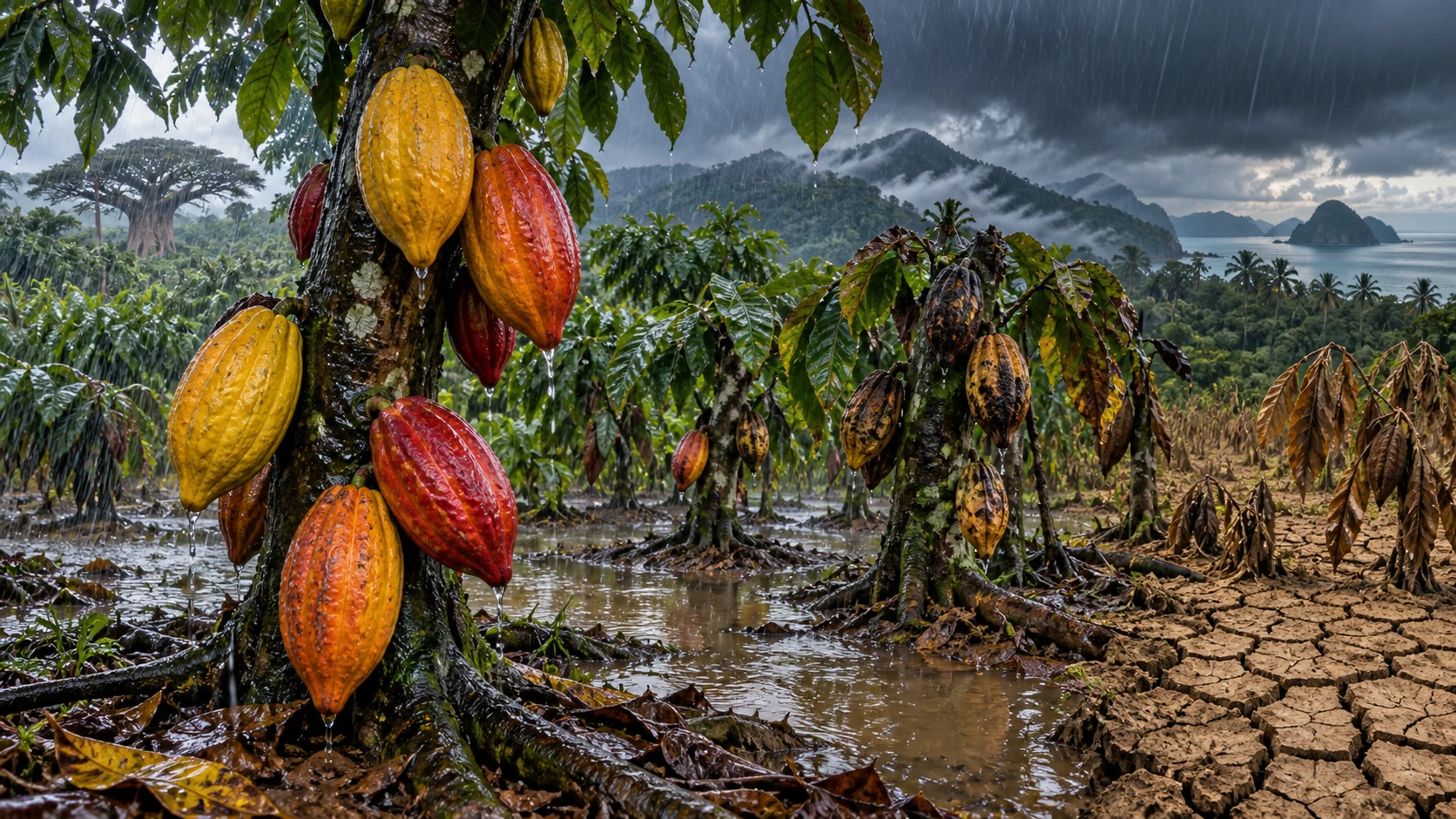
Rainfall extremes drive cocoa yield losses across the tropics.

There is a growing need for human-centered weather and climate forecasts that provide actionable information to farmers and other stakeholders. Cocoa, which sustains the livelihoods of nearly six million smallholder farmers, illustrates this need: Recent production shortfalls have threatened incomes, yet their underlying causes remain unclear, with explanations invoking both climatic and nonclimatic factors. Here we show that heavy rainfall, rather than temperature or mean water availability, is

Continue reading
Environment

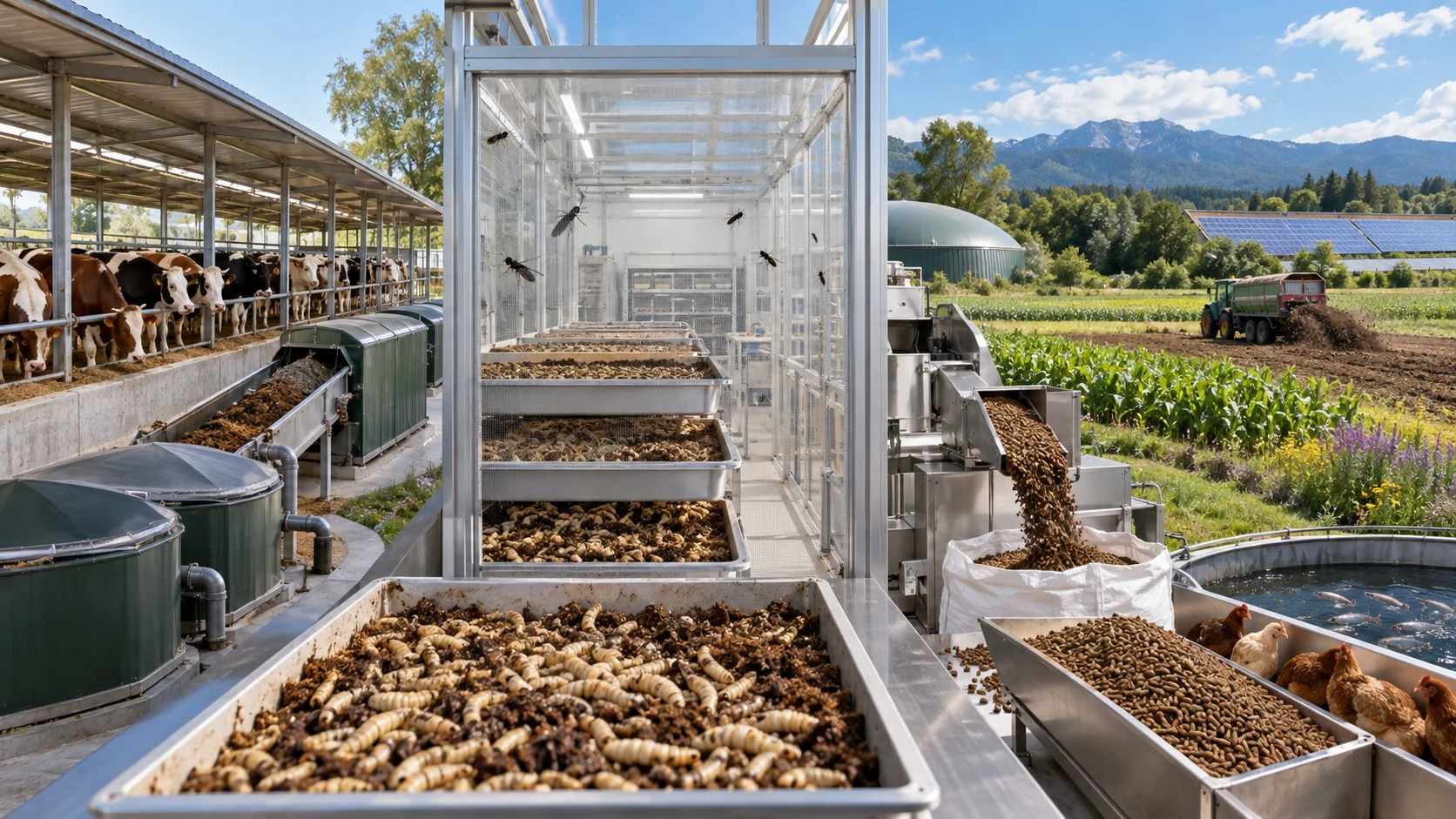
Manure to insect farming for feed mitigates nitrogen and greenhouse gas emissions.

Livestock manure is nutrient-rich and represents a promising feedstock for insect farming, with insect protein offering a high-quality alternative to conventional crop-based livestock feed. This pathway has substantial potential to mitigate nitrogen (N) and greenhouse gas (GHG) emissions from livestock systems. Here, we integrate global livestock models with trade, land-use, and cost-benefit analysis to quantify the environmental and economic implications of manure-to-insect conversion while ens

Continue reading
Environment

Air pollution after the shutdown of US embassy monitoring.

For more than a decade, US embassies and consulates provided independent, publicly accessible air-quality information in cities worldwide. In 2025, this program was abruptly suspended, generating sharp drops in the availability of trusted pollution information. We evaluate the consequences of this change using real-time satellite-derived aerosol optical depth (AOD) and a matched difference-in-differences design with same-country control cities. Across 46 cities, we find no systematic trends prio

Continue reading
Environment

Earthquake-triggered cascading hazards under Arctic amplification.

Arctic warming is reshaping permafrost and glacierized terrains, potentially changing their natural hazards in response to seismic shaking. On 10 March 2025, a Mw 6.5 oceanic transform fault earthquake near Jan Mayen Island in the Arctic Ocean triggered a large rock avalanche that buried part of the Kjerulf Glacier, generating infrasound signals and glacier calving. Using seismic, Global Navigation Satellite System data, infrasound records, satellite imagery, and long-term climatological records

Continue reading
Environment

At least a fivefold gap in effective global marine protection.

The Convention on Biological Diversity's ambitious target to "effectively conserve" 30% of the world's oceans in protected areas by 2030 risks being undermined by a primary focus on total area protected rather than realized conservation outcomes. Area-based assessments can overstate success because few marine protected areas (MPAs) possess strong restrictions and high compliance. Here, we estimate the extent that conservation outcomes are realized across the global MPA network for shallow reefs

Continue reading