Physical/Tech

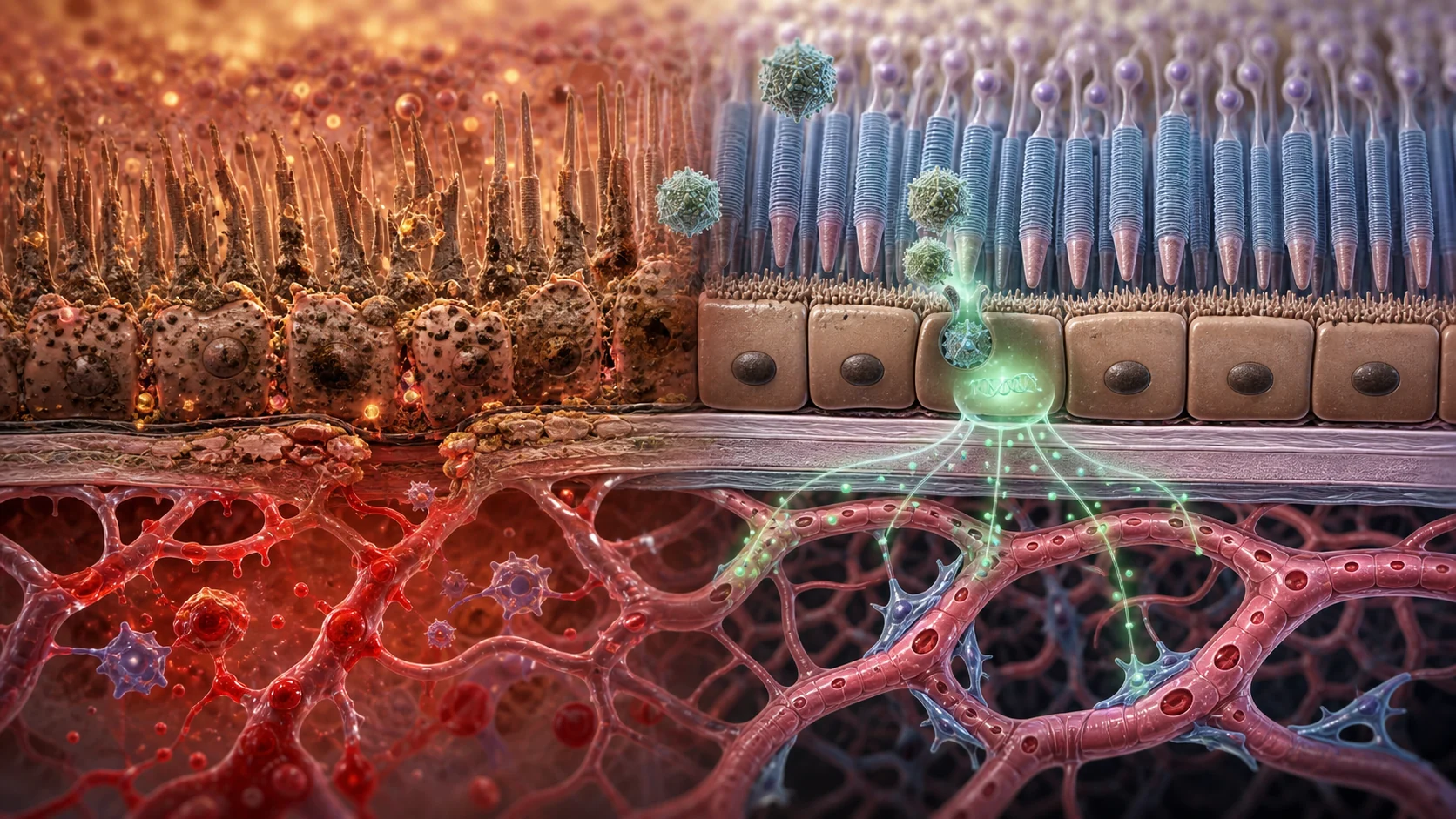
AAV-NRF2 protects retinal and choroidal vasculature in a GDF15-dependent manner in an oxidative damage model of AMD.
| Source: Proceedings of the National Academy of Sciences of the United States of America

Oxidative stress is proposed to be a driver of age-related diseases. Age-related macular degeneration (AMD) is one such disease, where the retinal pigment epithelium (RPE) is affected early in the disease. Vasculature damage also occurs, sometimes preceding RPE damage. To model some aspects of dry AMD, we used the NaIO 3 mouse model of oxidative damage. Disruption of the deep retinal vascular plexus, disorganization and death of capillaries within the choriocapillaris, and marked electroretinogr

Oxidative stress is proposed to be a driver of age-related diseases. Age-related macular degeneration (AMD) is one such disease, where the retinal pigment epithelium (RPE) is affected early in the disease. Vasculature damage also occurs, sometimes preceding RPE damage. To model some aspects of dry AMD, we used the NaIO 3 mouse model of oxidative damage. Disruption of the deep retinal vascular plexus, disorganization and death of capillaries within the choriocapillaris, and marked electroretinographic decline were observed. Adeno-associated virus (AAV) overexpressing the transcription factor, NRF2, which induces antioxidation enzymes and represses inflammation, was tested for protection of damage. The BEST1 promoter limited expression to the RPE. The RPE, photoreceptors, and vascular architecture in both retinal and choroidal compartments were protected. Conditioned medium from RPE-choroid explants, infected by AAV8/BEST1-NRF2, was sufficient to transfer partial protection in vivo, suggesting that NRF2 induces a protective secreted factor(s). Analysis of RNA-seq data nominated growth differentiation factor 15 (GDF15) as a candidate secreted mediator. Injection of recombinant GDF15 reproduced key protective phenotypes in vivo, whereas Gdf15 deficiency attenuated NRF2-mediated rescue. Pharmacologic inhibition of TGF-β receptor signaling diminished NRF2-induced protection, supporting involvement of this signaling pathway. In a laser-induced choroidal neovascularization model, intravitreal GDF15 injection reduced fluorescein leakage and lesion size. These findings support a model in which NRF2 activation in the RPE induces expression of GDF15, which is capable of protecting the RPE, photoreceptors, and the retinal and choroidal vasculature. NRF2 and GDF15 have therapeutic potential for ocular diseases, as well as for other diseases with vascular pathology.
Read the original source →

Related Stories

Physical/Tech

Pyrethroid insecticide exposure enhances the ability of Helicoverpa armigera to counter host plant defenses through symbiotic bacteria.

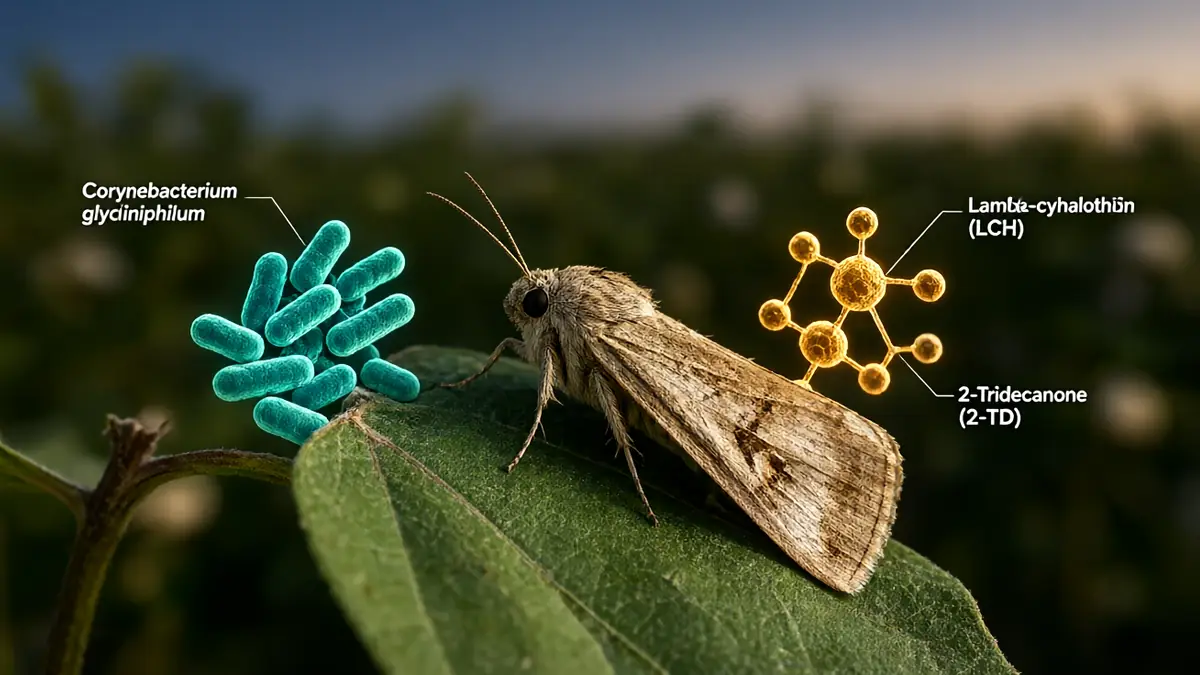
Like plant toxins, synthetic insecticides can exert strong selective pressures on pest populations. While responses to both plant toxins and synthetic insecticides can depend on adaptive changes in the nuclear genotype of the pest species, increasing evidence suggests that symbiotic microbes, particularly gut microbes, can also influence these responses. In the cotton bollworm, Helicoverpa armigera , concentrations of the symbiont Corynebacterium glyciniphilum increased in moth strains that were

Continue reading
Physical/Tech

The microbial world of male reproduction.

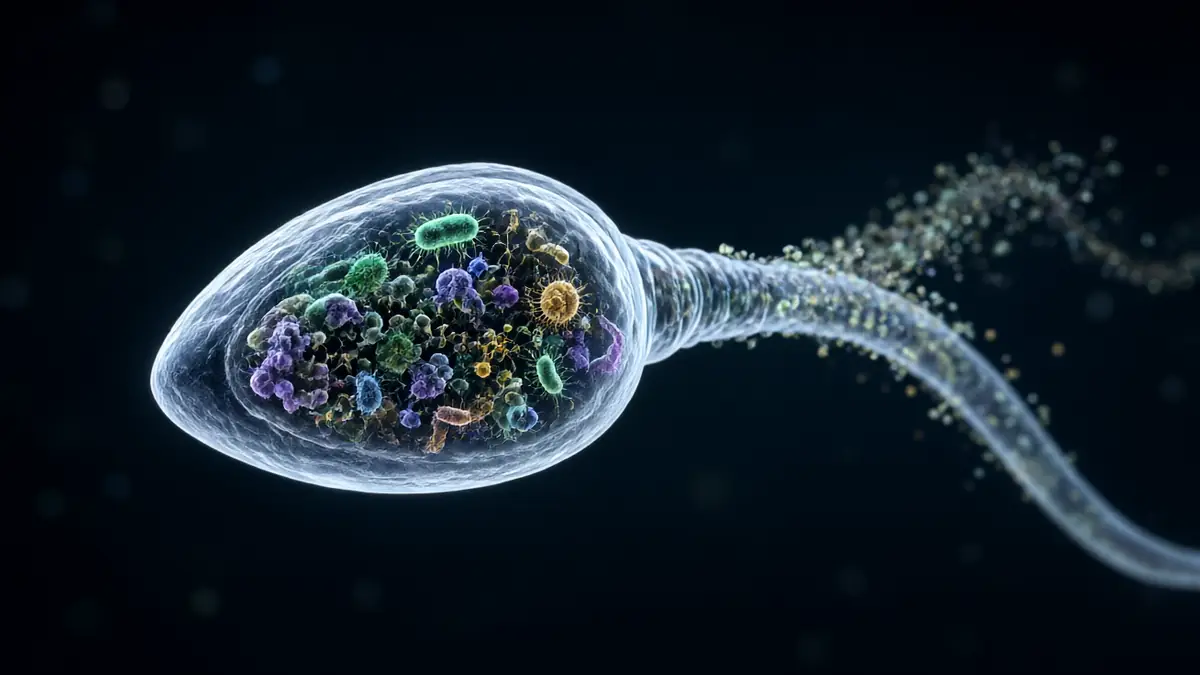
The last decade has brought renewed interest to microbial influences on host biology, yet the roles of microbes in host reproductive biology are underappreciated and often defined by a profound maternal bias. This perspective synthesizes emerging evidence across the tree of life to highlight the paternal microbiome as an overlooked driver of fitness, reproductive output, and intergenerational health, impacting epigenetic sculpting of the sperm and embryo, sexual transmission of microbes, and mal

Continue reading
Physical/Tech

A gut-brain sensory-motor circuit regulates sugar ingestion in Drosophila.

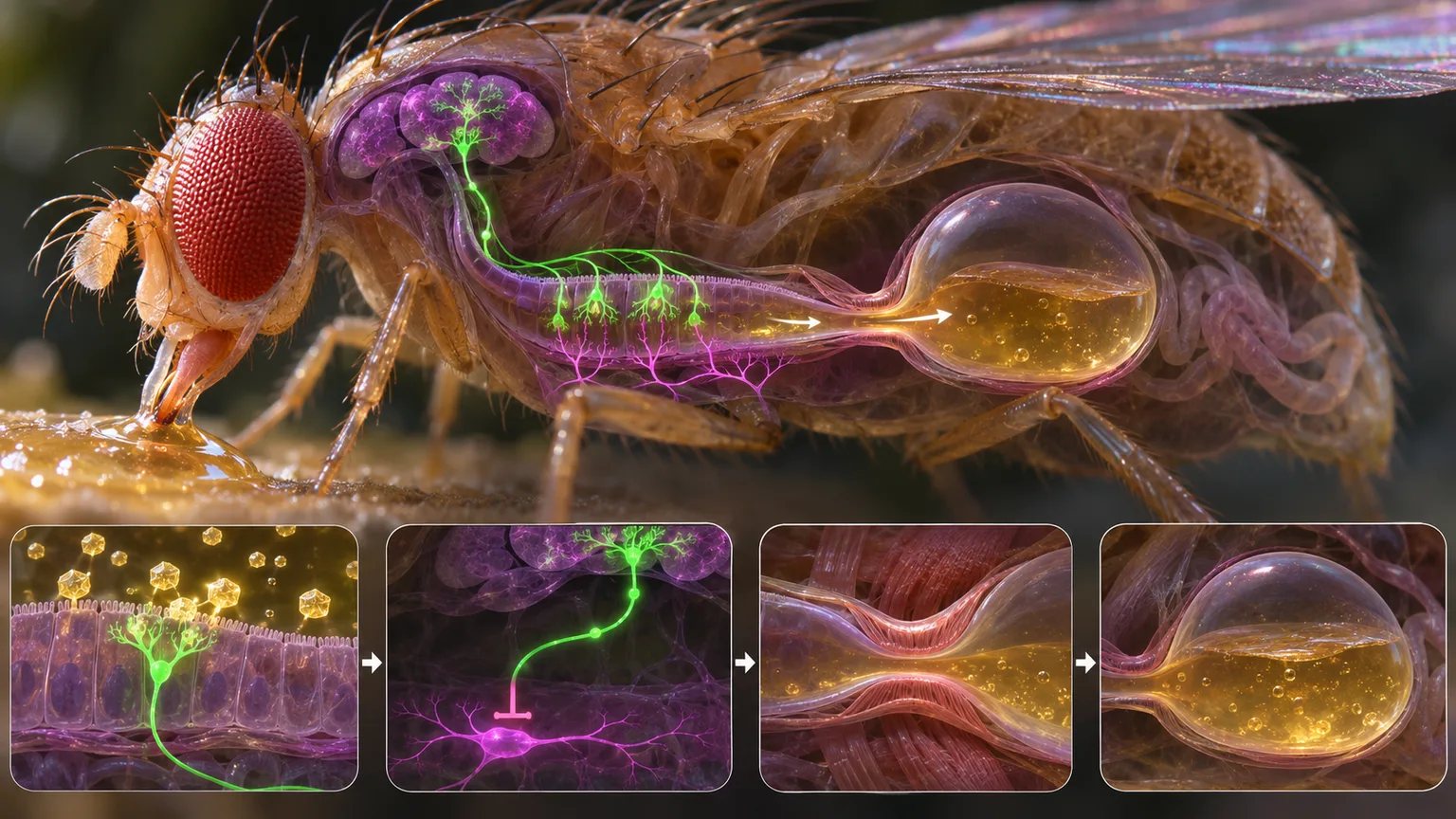
Bidirectional communication between the brain and digestive tract is critical for optimizing nutrient preference and food intake, yet the neural mechanisms that couple gut nutrient sensing with ingestive motor control remain poorly understood. Here we identify a gut-brain sensory-motor circuit that regulates sugar ingestion in flies. We show that the brain neurons that regulate food ingestion, IN1s 1 , receive excitatory input from enteric sensory neurons that penetrate the foregut epithelium an

Continue reading
Physical/Tech

Rare-variant genetic architecture of height in over 1.4 million individuals.

Highly heritable, polygenic and easily measured, adult height has long been the model trait in human genetics 1,2 . Although the landscape of height-associated common genetic variation has been studied extensively 2 , rare variation remains relatively unexplored 1 . Here, using rare protein-altering variants in a discovery set of 826,066 exomes, we identify 207 height-associated genes, 98% of which replicate in an additional 624,567 individuals. The rarest and most deleterious class of variation

Continue reading
Physical/Tech

Detecting Catalytically Competent Surface-Bound Hydrogen on Electrocatalysts with Weak Acids.

The characterization of catalytically competent molecular metal-hydride intermediates distinguishes mechanistic possibilities in reductive molecular electrocatalysis. While surface-bound hydrogen is invoked in several heterogeneous electrocatalytic schemes, the synthetic and spectroscopic tools to establish catalytic competence in molecular systems are not readily translated to surfaces. Molecular systems offer uniform and well-defined active sites; however, surface systems consist of multiple p

Continue reading