A tripartite genetic conflict system controls hybrid sterility in rice
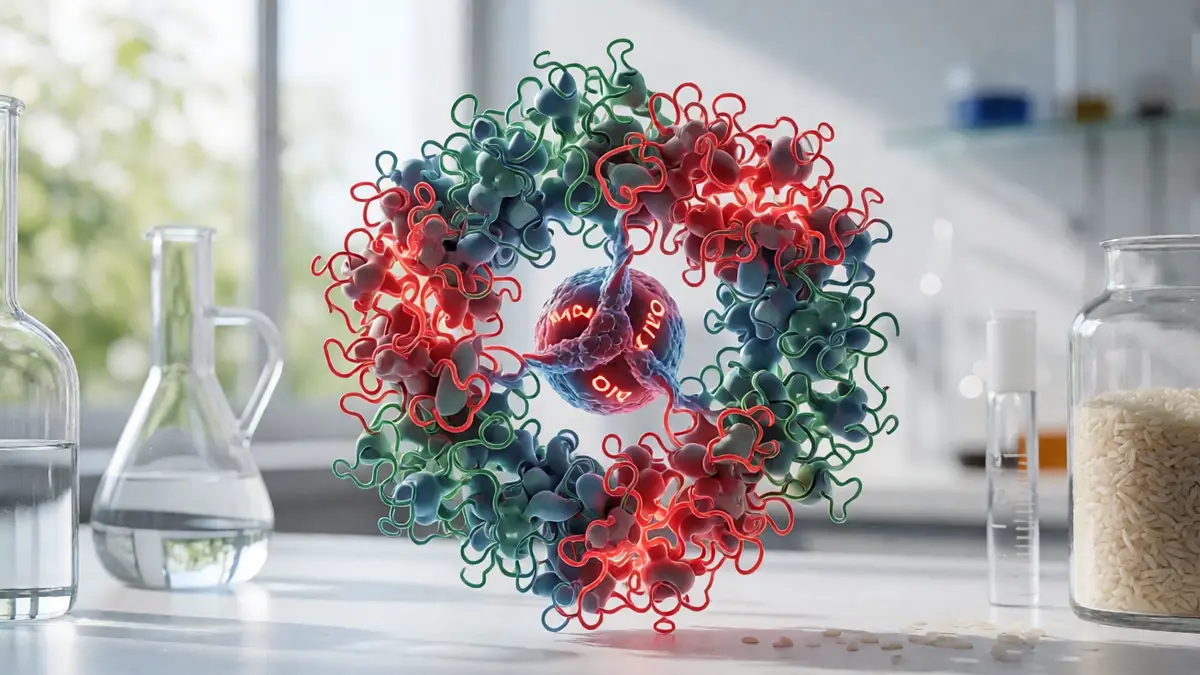
Interspecific Asian–African hybrid rice could substantially boost yield but is limited by severe hybrid sterility. We identify RHS3 as a major quantitative trait locus controlling this trait. RHS3 encodes a tripartite toxin–antidote system composed of MAO, DUN, and JIA, in which MAO acts as a toxin that aborts gametes by disrupting mitochondrial function, whereas DUN and JIA function as antidotes that neutralize MAO toxicity, conferring a transmission advantage to the African allele. We demonstr
Interspecific Asian–African hybrid rice could substantially boost yield but is limited by severe hybrid sterility. We identify RHS3 as a major quantitative trait locus controlling this trait. RHS3 encodes a tripartite toxin–antidote system composed of MAO, DUN, and JIA, in which MAO acts as a toxin that aborts gametes by disrupting mitochondrial function, whereas DUN and JIA function as antidotes that neutralize MAO toxicity, conferring a transmission advantage to the African allele. We demonstrate that detoxification relies on selective autophagy through formation of a tripartite JIA–DUN–MAO protein complex. We infer the de novo origin of RHS3 in the AA-genome rice lineage, illustrating a role for genetic conflict in speciation and suggesting strategies to harness heterosis between Asian and African rice.