A pseudoenzyme sensor of trehalose-6-phosphate directly represses the metabolic integrator SnRK1 in plants.
Trehalose-6-phosphate (T6P) is a central metabolic signal linking sugar availability to plant growth, carbon utilization, and productivity, yet its sensing and signaling mechanisms remain elusive. Using chemical biology and functional approaches, we identify the noncatalytic pseudoenzyme Class-II T6P synthase (TPS-II) as a T6P sensor in Arabidopsis. In the apo state, TPS-II dimerizes to form an autoinhibitory inter-subunit interaction. T6P binding to the N-terminal TPS-like domain triggers a con
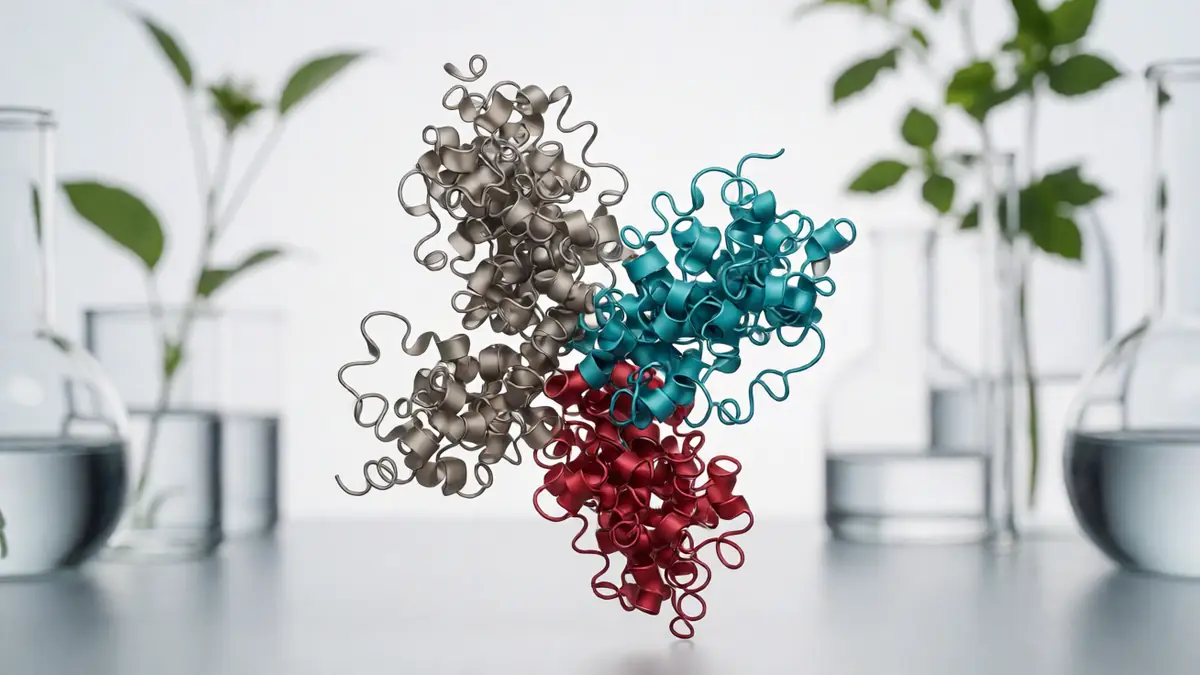
Trehalose-6-phosphate (T6P) is a central metabolic signal linking sugar availability to plant growth, carbon utilization, and productivity, yet its sensing and signaling mechanisms remain elusive. Using chemical biology and functional approaches, we identify the noncatalytic pseudoenzyme Class-II T6P synthase (TPS-II) as a T6P sensor in Arabidopsis. In the apo state, TPS-II dimerizes to form an autoinhibitory inter-subunit interaction. T6P binding to the N-terminal TPS-like domain triggers a conformational change that releases the C-terminal domain, enabling interaction with the central metabolic integrator SNF1-related protein kinase 1 (SnRK1) to repress its kinase activity. Loss of TPS-II genes activates catabolic and stress-responsive programs while suppressing anabolic gene expression, consistent with constitutive SnRK1 activity. Conservation of this T6P-TPS-II-SnRK1 signaling axis throughout the plant kingdom highlights its fundamental role in coupling carbon availability to metabolic homeostasis. These findings resolve a long-standing question in sugar signaling and provide a framework for improving crop carbon-use efficiency.