A chromatin biology assessment of AlphaFold3
Biomolecular structure prediction tools such as AlphaFold have achieved remarkable success in predicting structures of single proteins and multiprotein complexes. AlphaFold3 now incorporates the capability to model complexes containing nucleic acids and chemically modified side chains. Investigators can now predict structures of proteins bound to chromatin, where interactions with nucleosomal DNA and histone posttranslational modifications (PTMs) converge to control genome function. To evaluate
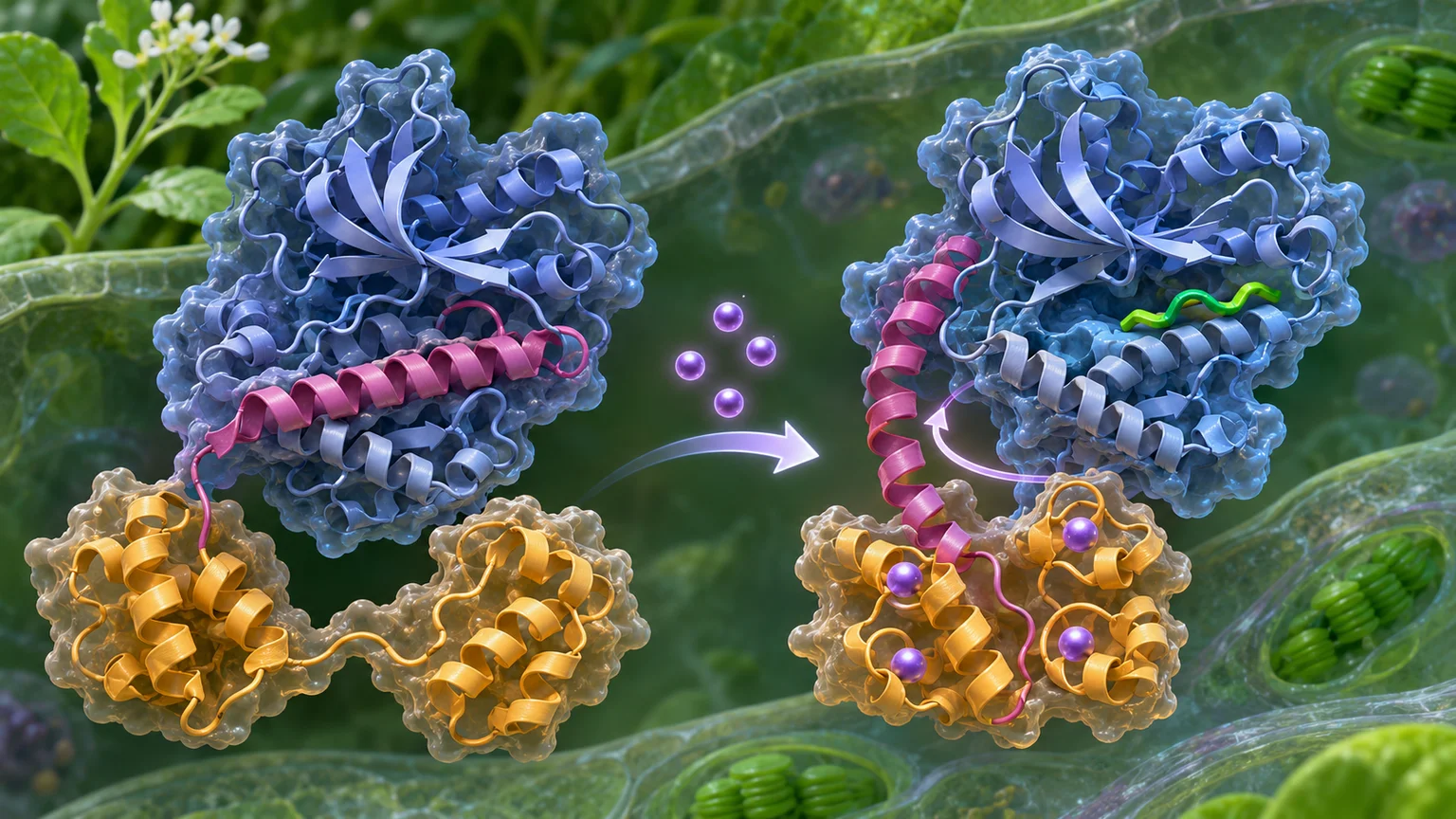
Biomolecular structure prediction tools such as AlphaFold have achieved remarkable success in predicting structures of single proteins and multiprotein complexes. AlphaFold3 now incorporates the capability to model complexes containing nucleic acids and chemically modified side chains. Investigators can now predict structures of proteins bound to chromatin, where interactions with nucleosomal DNA and histone posttranslational modifications (PTMs) converge to control genome function. To evaluate its robustness in modeling chromatin complexes, we benchmarked AlphaFold3 on 115 structures containing nucleosomes whose coordinates were released by the Protein Data Bank after the training set cutoff date. We find that AlphaFold3 excels at predicting interactions with the histone octamer core and with PTMs. By contrast, AlphaFold3 struggles to predict structures of chromatin factors that primarily engage nucleosomal DNA, notably transcription factors and chromatin remodelers. We also show that AlphaFold3 can faithfully recapitulate known PTM recognition patterns, matching experimentally determined specificity profiles. This assessment of the capabilities and limitations of AlphaFold3 in chromatin structural biology provides a roadmap for its effective application to studies of chromatin regulation and PTM readout, while identifying key areas for future refinement of algorithms for predicting interactions between proteins and nucleic acids.