Physical/Tech

Toward an exact quantum many-body treatment of Kondo correlation in magnetic impurities
| Source: Science

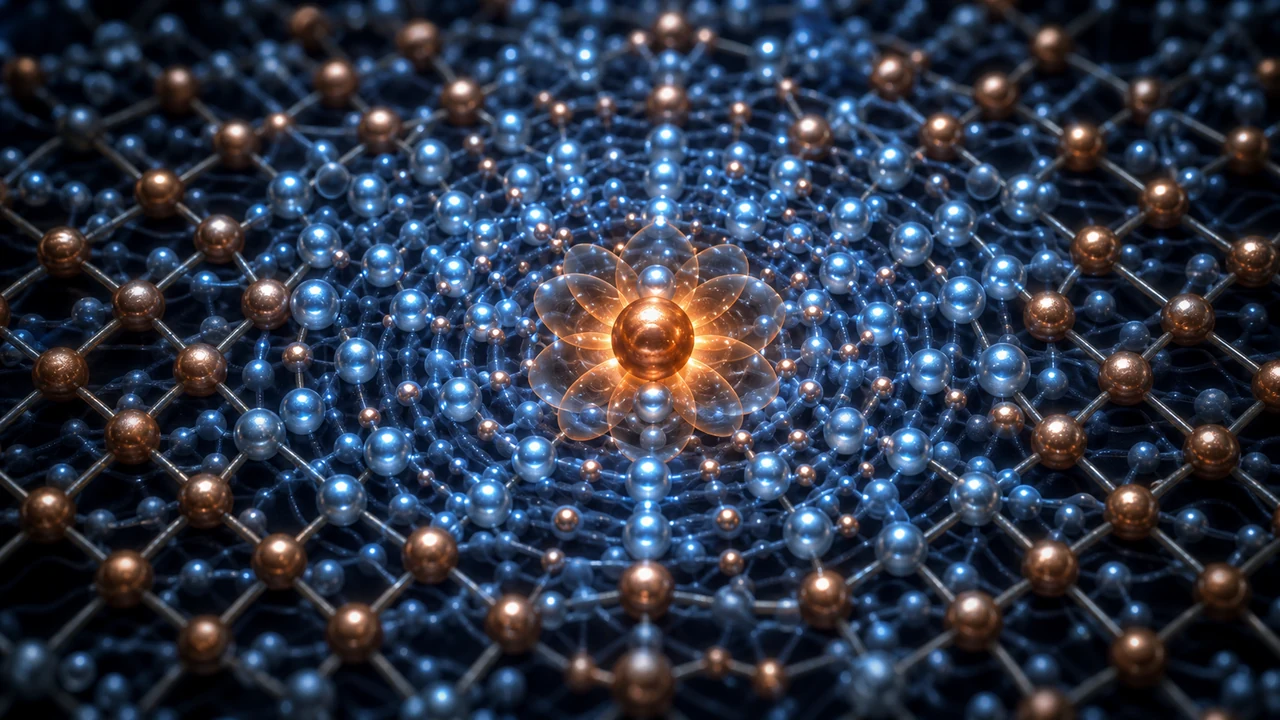
The Kondo effect is a prototypical quantum phenomenon arising from the interaction between localized electrons in a magnetic impurity and itinerant electrons in a metallic host. Although this phenomenon has served as the testing ground for quantum many-body methods for decades, the precise description of Kondo physics with material specificity remains challenging. Here, we present a systematic ab initio approach to converge toward an exact zero-temperature electronic treatment of Kondo correlati

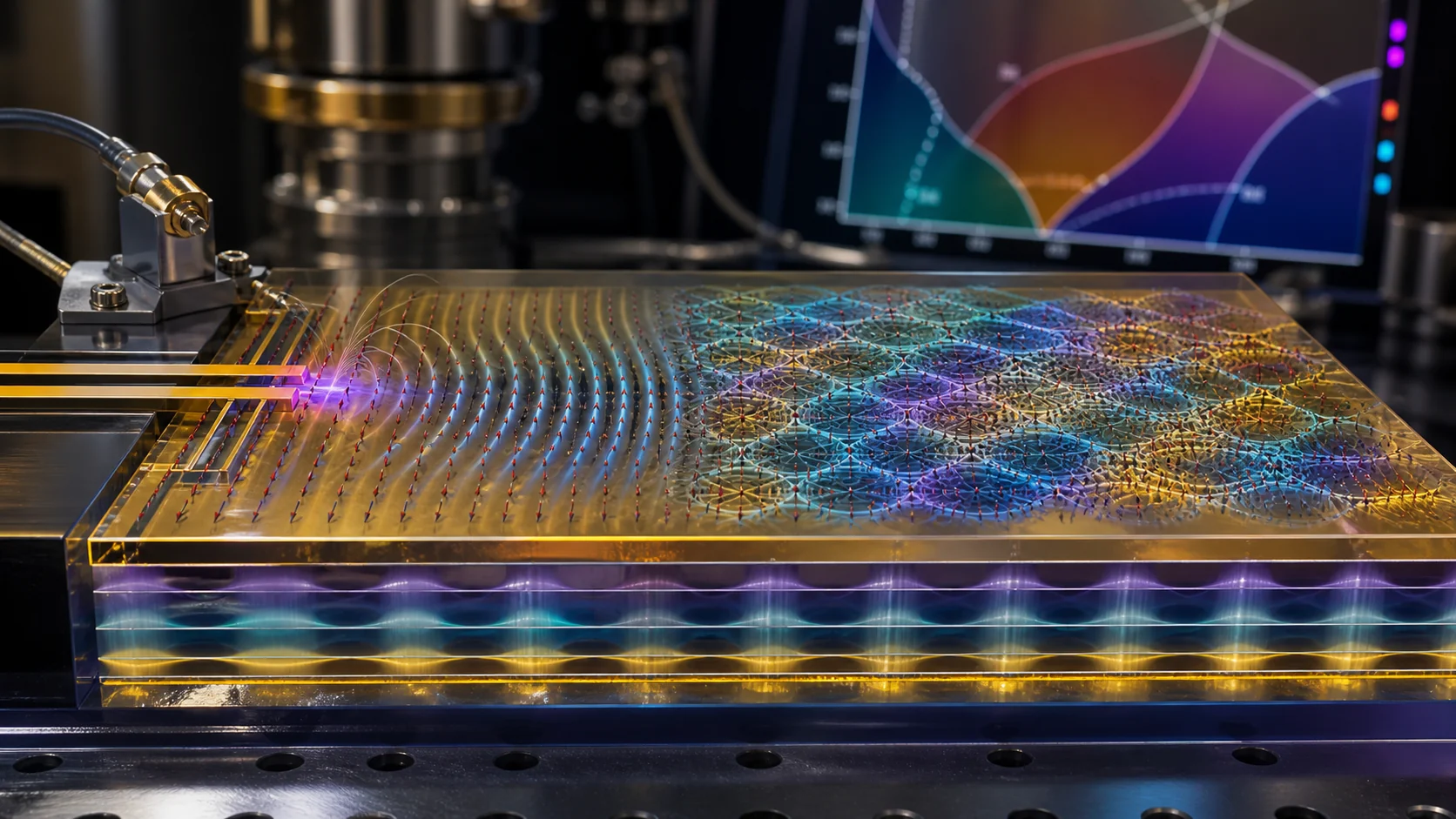
The Kondo effect is a prototypical quantum phenomenon arising from the interaction between localized electrons in a magnetic impurity and itinerant electrons in a metallic host. Although this phenomenon has served as the testing ground for quantum many-body methods for decades, the precise description of Kondo physics with material specificity remains challenging. Here, we present a systematic ab initio approach to converge toward an exact zero-temperature electronic treatment of Kondo correlations. Across a series of 3d transition metals, we extracted Kondo temperatures matching subtle experimental trends, with accuracy exceeding that of standard models. We further obtained microscopic insight into the origin of these trends. More broadly, we demonstrate the possibility to start from fully ab initio many-body simulations and push toward the realm of converged predictions.

Read the original source →

Related Stories

Physical/Tech

Nature's antivenom: Combinations of conserved rattlesnake serum metalloproteinase inhibitors block the lethal action of viper venoms.

Snakebite maims or kills several hundred thousand people each year. For more than a century, treatment has relied on antivenoms derived from animals immunized with whole venoms, but their efficacy, safety, and availability are highly variable, and it is often not well understood which specific venom components must be inhibited to prevent mortality and major morbidities. New therapeutic approaches are needed. Here, we take an evolutionary approach to antivenom design inspired by the longstanding

Continue reading
Physical/Tech

Abrupt transition to irreversible damage in the overdrafted Sacramento Valley aquifer system.

Groundwater extraction decreases water pressure in aquifer systems, causing reversible or irreversible deformation of the water-bearing layers that manifests as recoverable or permanent displacements of the land surface, respectively. Detecting and forecasting when and where an aquifer system transitions from a reversible, poroelastic regime, to an irreversible, inelastic regime remains a crucial challenge given the complex, heterogeneous nature of aquifer systems. Here we leverage high-resoluti

Continue reading
Physical/Tech

High risk of hypoxemic COVID-19 pneumonia in myasthenia gravis patients with type I IFN autoantibodies.

Patients with myasthenia gravis (MG) may produce autoantibodies neutralizing type I interferons (AAN-I-IFN), which underlie severe viral diseases, including critical COVID-19 pneumonia, in patients without MG. We studied an international cohort of 85 unvaccinated SARS-CoV-2-infected MG patients not given antiviral treatment. Hypoxemic pneumonia occurred in 48 of these patients, including 22 (45.8%) with AAN-I-IFN, which neutralized both IFN-α2 and IFN-ω in 14 (29.2%) patients. Six (1

Continue reading
Physical/Tech

Atlas of lysosomal aging reveals a metabolite signature shared with lysosomal storage disorders

Lysosomal dysfunction is a well-recognized feature of aging. Here, we used a suite of tools for rapid lysosomal isolation to construct a multitissue atlas of the metabolite changes lysosomes undergo during aging. Aged lysosomes in brain, heart, muscle, and white adipose tissue accumulated glycerophosphodiesters and cystine, metabolites that are causally linked to juvenile lysosomal storage disorders, Batten disease, and cystinosis. Levels of these metabolites increased linearly with age, precedi

Continue reading
Physical/Tech

A 10-million-year biogeographic holding pen primed the Great American Biotic Interchange

The movement of taxa between North and South America across the Panamanian land bridge, known as the Great American Biotic Interchange (GABI), established modern-day mammal assemblages in the Americas, heralding the decisive end of what has been called the “splendid isolation” of the South American fauna. Lacking substantive low-latitude records, previous work on this pattern relied on South American and temperate North American fossils to conclude that pulsed interchanges began about 2.8 millio

Continue reading