Physical/Tech

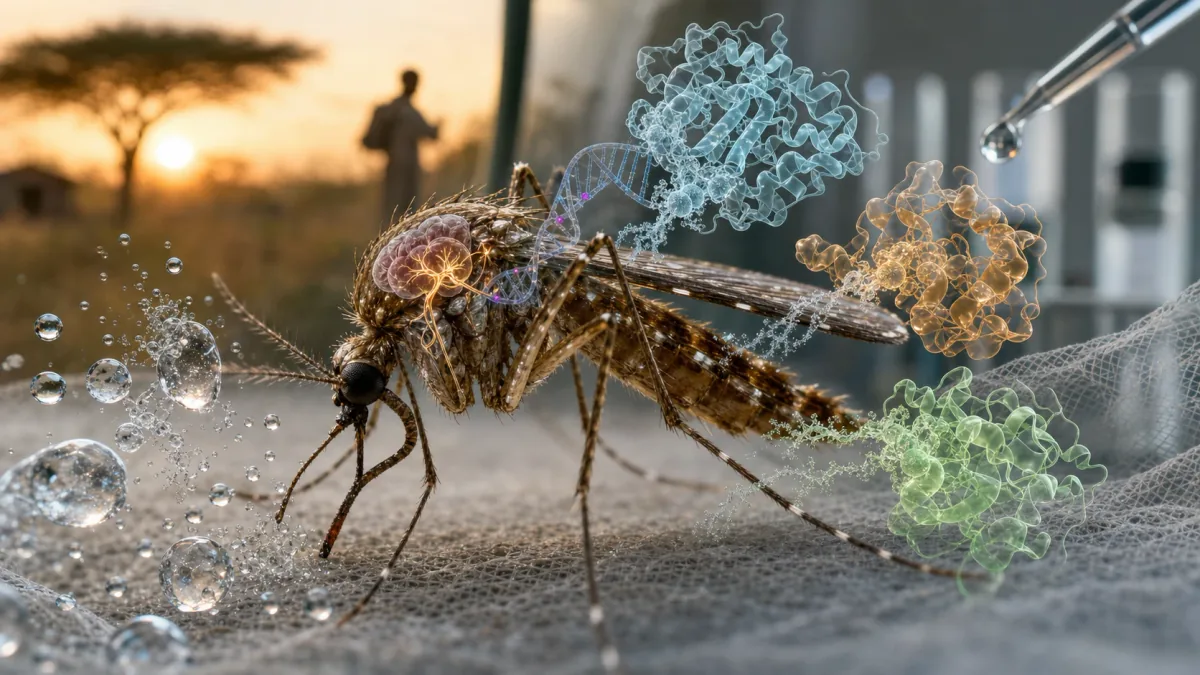
Synergistic action of different molecular mechanisms causes striking levels of insecticide resistance in the malaria vector Anopheles gambiae .
| Source: Proceedings of the National Academy of Sciences of the United States of America

Intensifying insecticide resistance in the malaria vector Anopheles gambiae poses a serious threat to the progress achieved the last decades in reducing malaria deaths in Africa. The genetic basis of insecticide resistance is often complex, involving multiple genes and mutations. However, we still lack a clear understanding of how each mechanism contributes to overall resistance and how highly resistant phenotypes arise. In this study, we generated a suite of transgenic An. gambiae strains carry

Intensifying insecticide resistance in the malaria vector Anopheles gambiae poses a serious threat to the progress achieved the last decades in reducing malaria deaths in Africa. The genetic basis of insecticide resistance is often complex, involving multiple genes and mutations. However, we still lack a clear understanding of how each mechanism contributes to overall resistance and how highly resistant phenotypes arise. In this study, we generated a suite of transgenic An. gambiae strains carrying either individual mechanisms or combinations that frequently co-occur in nature. We show that co-overexpression of different detoxification enzymes (CYP6P3, CYP6M2, CYP9K1, ABCH2, GSTE2, and COEAE6G), as well as the overexpression of detoxification enzymes in the presence of target site resistance mutations, can lead to substantially greater levels of resistance. Our findings suggest that increased resistance strength is a primary driver for selection of multimechanism resistance and are transformative for the scientific insight required to design robust molecular diagnostics for timely and reliable resistance detection in the field. We further show that P450 based resistance can constitute an Achilles heel for highly resistant mosquitoes, making them more vulnerable to proinsecticides; compounds that typically require P450 activation. Our results advance our understanding of the mechanistic basis of insecticide resistance and have important implications for the design and implementation of effective and evidence-based resistance management strategies.

Read the original source →

Related Stories

Physical/Tech

Extensive glacier loss in the coterminous United States.

Glaciers populate the mountain ranges of the western conterminous United States and despite their importance to alpine hydrology, their area and volume change have never been comprehensively evaluated. Our study shows that since the mid-twentieth century about one-quarter of the glaciers have disappeared and the overall area and volume are reduced by one-third. The pattern of glacier shrinkage suggests most glaciers in the conterminous United States are largely maintained by local topographic in

Continue reading
Physical/Tech

Reaction-based cryo-EM resolves the continuous conformational spectrum of CTP synthase catalysis.

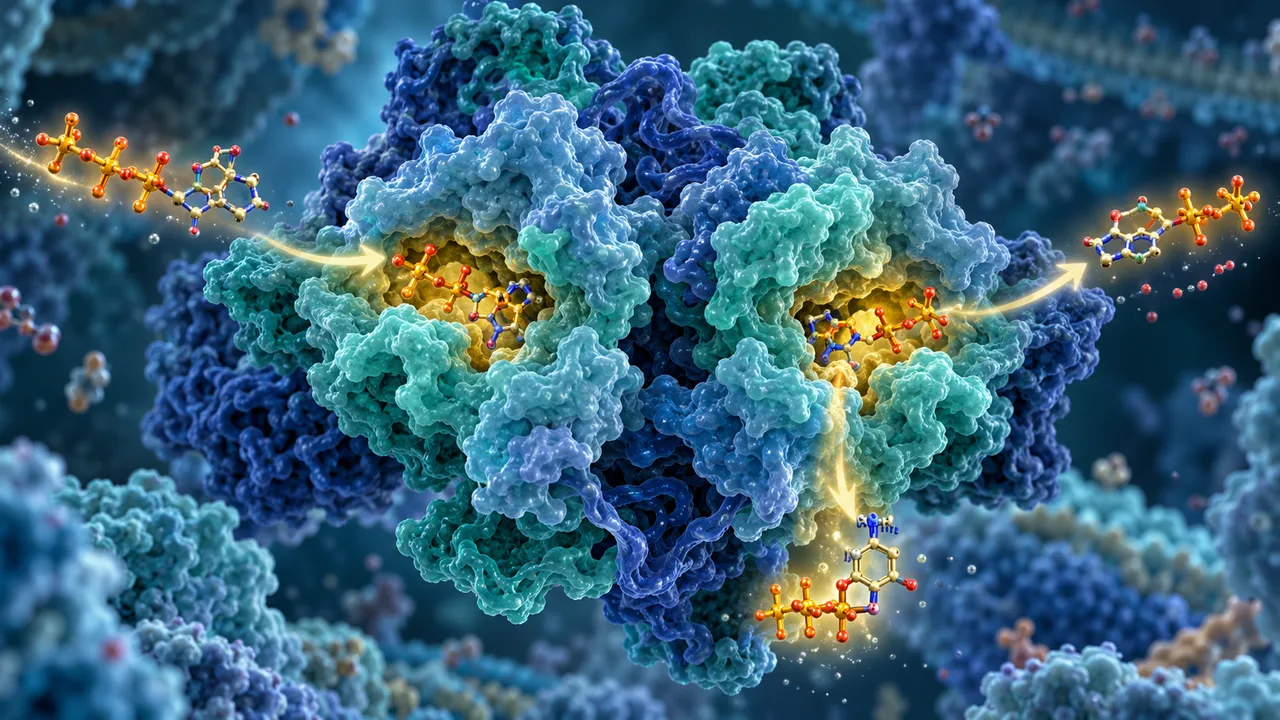
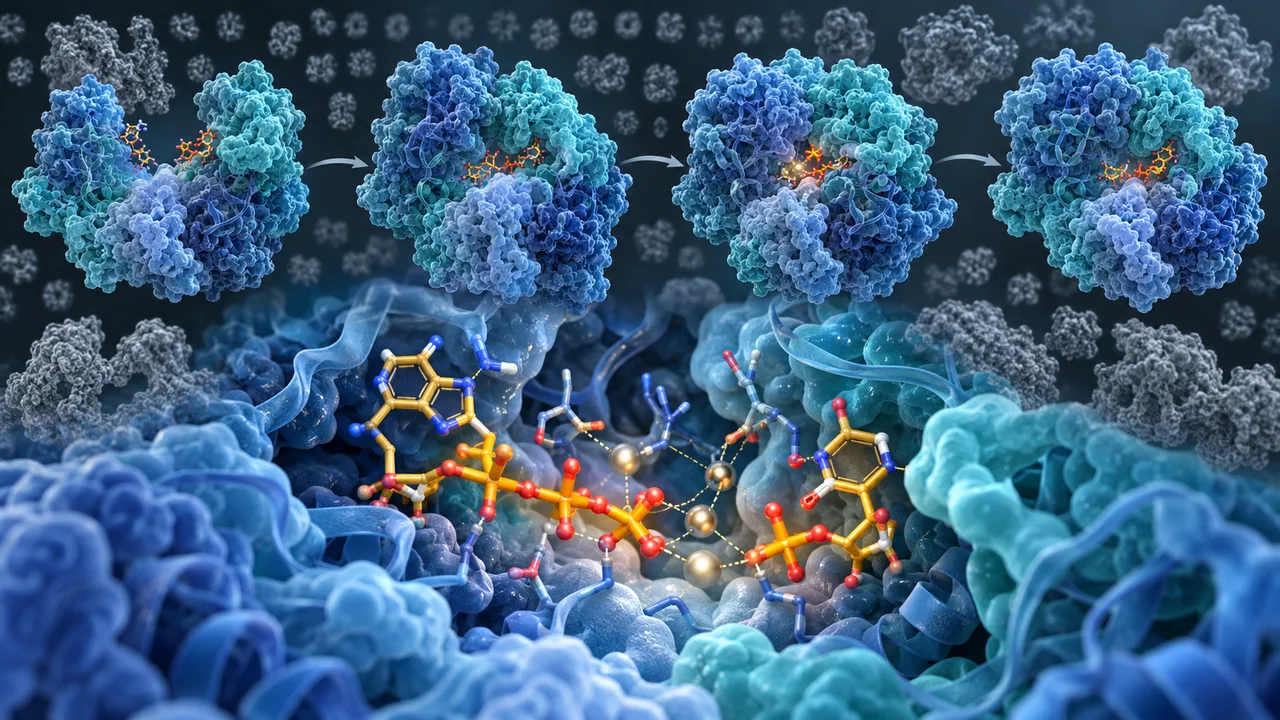
Capturing enzymes under native turnover conditions remains a grand challenge in structural biology. Here, we develop a reaction-based cryo-electron microscopy (cryo-EM) strategy that directly samples Drosophila melanogaster cytidine triphosphate synthase (CTPS) from actively catalyzing mixtures containing only natural substrates and allosteric effectors. By integrating reaction-based sampling with three-dimensional variability analysis, we resolve a continuous conformational spectrum of CTPS dur

Continue reading
Physical/Tech

GTP orchestrates CTP synthase via an allosteric effector-cycling mechanism.

Cytidine triphosphate (CTP), a fundamental building block of RNA, plays vital roles in diverse biological processes. CTP synthase (CTPS) is the only known enzyme for de novo synthesis of CTP. Efficient CTPS catalysis requires guanosine triphosphate (GTP) in a dose-dependent, nonconsumptive manner; however, the precise mechanism by which GTP drives CTP formation remains unclear. Here, we integrate a series of cryo-EM structures of Drosophila melanogaster CTPS captured from actively catalyzing sam

Continue reading
Physical/Tech

Antiferromagnetism and tightly bound Cooper pairs induced by kinetic frustration.

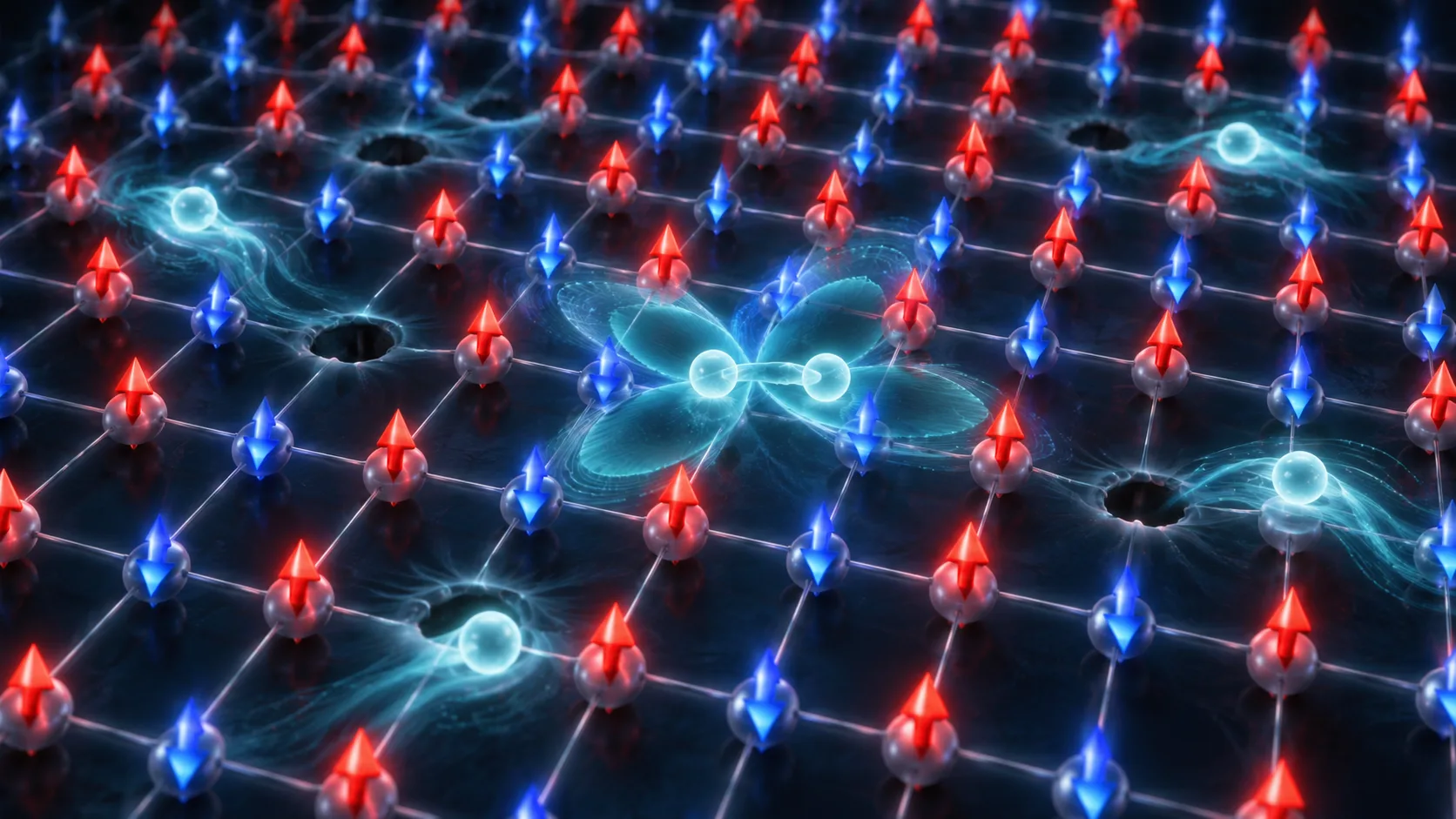
Antiferromagnetism and superconductivity are often viewed as competing orders in correlated electron systems. Here, we demonstrate that kinetic frustration in hole motion facilitates their coexistence within the square-lattice repulsive Hubbard model. Combining exact analytical solutions on tailored geometries with large-scale numerical simulations, we reveal a robust pairing mechanism: Holes on opposite sublattices behave as if they carry opposite effective charges due to spin singlet formation

Continue reading
Physical/Tech

Coordinated transformations of the labyrinth and occiput during the dinosaur-bird transition.

Evolutionary shape changes of the vertebrate semicircular canals (SCCs) are often ascribed to evolutionary transitions in locomotion, including the origin of flight during the dinosaur-bird transition. However, the potential for transformations of braincase architecture to influence SCC shape independent of sensory-functional adaptation has generally been overlooked. We evaluate the influence of both factors using a large dataset of 146 living and recently extinct crown birds, including taxa rep

Continue reading