Health & Medicine

Morphogenesis of bacterial colonies in liquid crystalline environments.
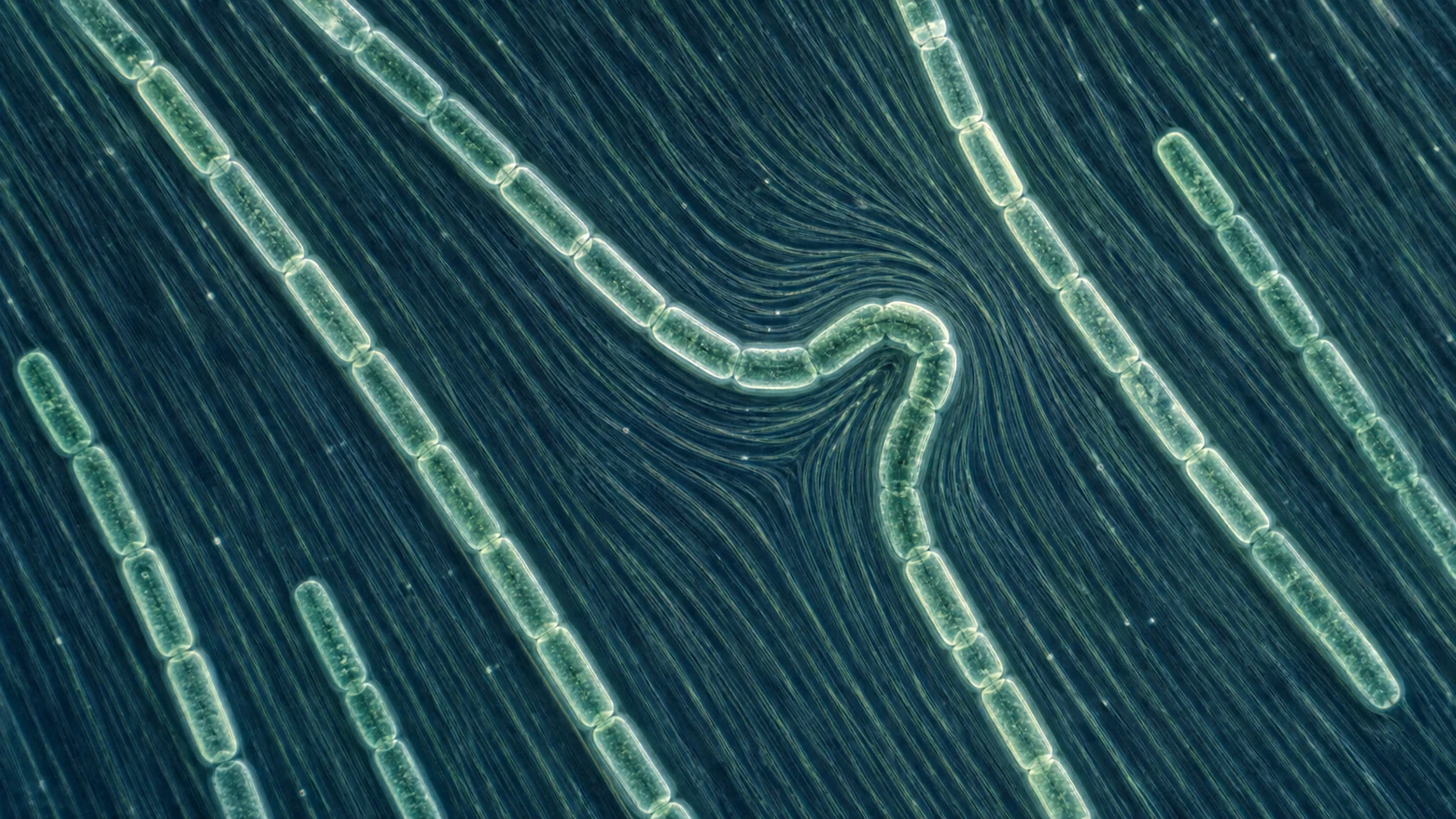
| Source: Proceedings of the National Academy of Sciences of the United States of America

Natural bacterial habitats are often complex fluids with viscoelastic and anisotropic responses to stress; for example, they can take the form of liquid crystals (LCs), with elongated microscopic constituents that collectively align while still retaining the ability to flow. However, laboratory studies typically focus on cells in simple liquids or complex fluids with randomly oriented constituents. Here, we show how interactions with LCs shape bacterial proliferation in multicellular colonies. U

Natural bacterial habitats are often complex fluids with viscoelastic and anisotropic responses to stress; for example, they can take the form of liquid crystals (LCs), with elongated microscopic constituents that collectively align while still retaining the ability to flow. However, laboratory studies typically focus on cells in simple liquids or complex fluids with randomly oriented constituents. Here, we show how interactions with LCs shape bacterial proliferation in multicellular colonies. Using experiments, we find that in a nematic LC, cells of the multiple species we tested all form aligned single-cell-wide "chains" as they reproduce. As these chains lengthen, they eventually buckle in a highly localized manner. By combining our measurements with a continuum mechanical theory, we demonstrate that this distinctive morphogenetic program emerges because cells are kept in alignment due to the LC's elasticity; as each chain lengthens, growth-induced viscous stresses along its contour eventually overcome the elasticity of the surrounding nematic, leading to buckling. Our work thus reveals and provides mechanistic insight into the previously overlooked role of LCs in sculpting bacterial life in complex environments.

Read the original source →

Related Stories

Health & Medicine

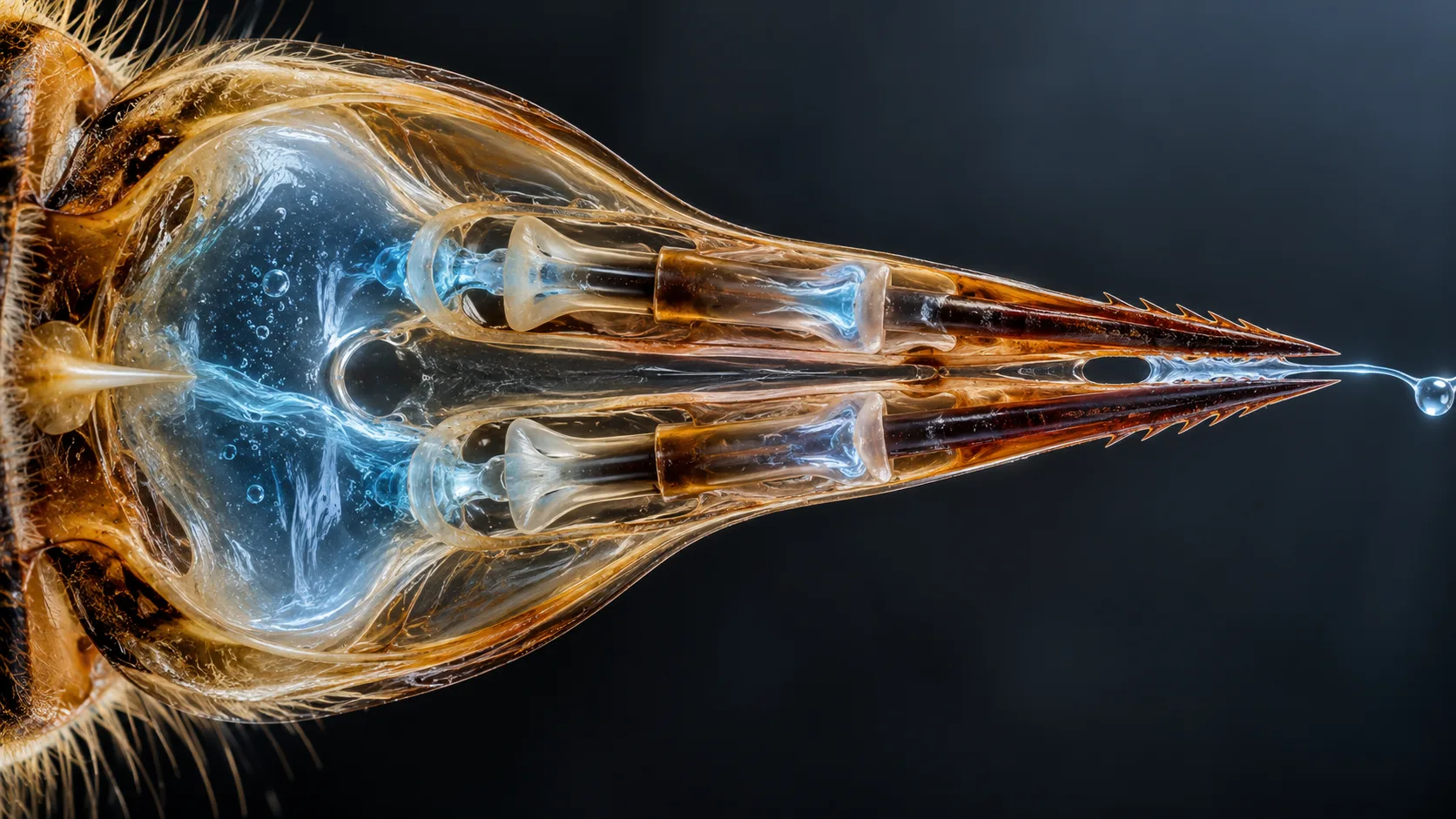
The honey bee stinger: An unusual pump with collapsible double pistons.

Most stinging animals deliver venom by contracting muscles around a venom reservoir, but honey bees employ a fundamentally different strategy. The stingers of worker bees have the unique ability to autotomize, separating from the body, to continue to sting independently. Despite more than a century of anatomical descriptions, the mechanics of venom pumping have remained unresolved due to the challenges of observing them in action. We recorded high-speed videos of active, autotomized stingers, co

Continue reading
Health & Medicine

Chronic cigarette smoke exposure induces distinct stem cell states driving genetic driver-specific non-small cell lung cancer subtypes.

Cigarette smoke-induced chronic inflammation (CI) potentiates development of non-small cell lung cancer (NSCLC) by mediating genetic and epigenetic events. Using normal lung organoids (LOs), we define how chronic cigarette smoke condensate (CSC) exposure drives two separate stem cell populations to evolve premalignant states harboring progressive epigenetic and linked transcriptomic abnormalities in the absence of major driver mutations. These dynamics facilitate evolution of an immune evasive s

Continue reading
Health & Medicine

Extended fractional Hofstadter states at high field in twisted bilayer graphene above the magic angle.

When a Chern band is partially filled, a fractional Chern insulator (FCI)-the lattice analog of a fractional quantum Hall state-can arise. Though the full range of possible scenarios for producing such a state is not established, the most tractable models combine strong electronic interactions with the quantum geometry of the parent Chern band meeting specific criteria. In twisted bilayer graphene, the importance of interactions can be tuned by varying the interlayer twist. Here, we study a samp

Continue reading
Health & Medicine

Phenotypic screening identifies kenpaullone as a prolymphangiogenic compound to improve heart repair following myocardial infarction.

Myocardial infarction (MI) induces cardiac muscle death and its subsequent replacement by a noncontractile fibrotic scar, which underlies progression to heart failure. Current treatments restore blood flow and assist with cardiac workload but do not promote regeneration. We have previously shown endogenous growth of the cardiac lymphatic system following MI and further stimulation with the lymphatic endothelial specific mutated Vascular Endothelial Growth Factor-C (VEGF-C) isoform, VEGFC-C156S,

Continue reading
Health & Medicine

Dopamine suppresses pathological retinal oscillations and enhances the signal-to-noise ratio.

Infantile nystagmus is a debilitating involuntary eye movement disorder often associated with retinal diseases such as congenital stationary night blindness (CSNB). The oscillating eye movements of infantile nystagmus come with reduced visual acuity and strongly impair quality of life. No cure exists for this condition. Previously, we demonstrated that nystagmus in the CSNB mouse model Nyx nob has a retinal cause. Specifically, we found that synchronized oscillations of retinal ganglion cells (R

Continue reading