Physical/Tech

Harmonizing amplification and cleavage kinetics through crRNA scaffold mutation enables robust one-pot CRISPR-Cas12 diagnostics.

| Source: Proceedings of the National Academy of Sciences of the United States of America

CRISPR-based diagnostics (CRISPR-Dx) integrated with isothermal nucleic acid amplification have emerged as a promising strategy for point-of-care molecular testing. Their practical deployment, however, remains constrained by workflow-related limitations. Conventional two-step formats are laborious and highly susceptible to aerosol contamination during amplicon transfer, whereas simplified one-pot formats often suffer from reduced sensitivity because amplification and CRISPR-mediated cleavage com

CRISPR-based diagnostics (CRISPR-Dx) integrated with isothermal nucleic acid amplification have emerged as a promising strategy for point-of-care molecular testing. Their practical deployment, however, remains constrained by workflow-related limitations. Conventional two-step formats are laborious and highly susceptible to aerosol contamination during amplicon transfer, whereas simplified one-pot formats often suffer from reduced sensitivity because amplification and CRISPR-mediated cleavage compete kinetically within the same reaction vessel. In this work, we present a broadly applicable one-pot detection strategy termed mutant scaffold-mediated RPA-CRISPR/Cas12a (MS-CRISPR). This approach introduces rationally designed point mutations into the crRNA scaffold to moderately attenuate Cas12a activation and cleavage kinetics. Such kinetic tuning prevents the enzyme from prematurely depleting nascent RPA amplicons, a common source of signal loss in wild-type systems. By delaying cleavage until sufficient amplification products have accumulated, MS-CRISPR markedly enhances endpoint signal output. Using this kinetically balanced system, we achieved a limit of detection of 1 copy/μL for both SARS-CoV-2 and influenza A virus within 15 min, while preserving a fully closed-tube workflow that minimizes aerosol contamination and simplifies operation. We coupled the assay with an instrument-free lateral-flow readout and an ultraportable, multiplex, low-cost microfluidic platform (portable wireless isothermal nucleic acid detection). Clinical validation with patient samples showed 100% sensitivity and specificity for both viral targets. Collectively, MS-CRISPR establishes a sensitive, versatile, and field-deployable platform for rapid pathogen screening.

Read the original source →

Related Stories

Physical/Tech

Extensive glacier loss in the coterminous United States.

Glaciers populate the mountain ranges of the western conterminous United States and despite their importance to alpine hydrology, their area and volume change have never been comprehensively evaluated. Our study shows that since the mid-twentieth century about one-quarter of the glaciers have disappeared and the overall area and volume are reduced by one-third. The pattern of glacier shrinkage suggests most glaciers in the conterminous United States are largely maintained by local topographic in

Continue reading
Physical/Tech

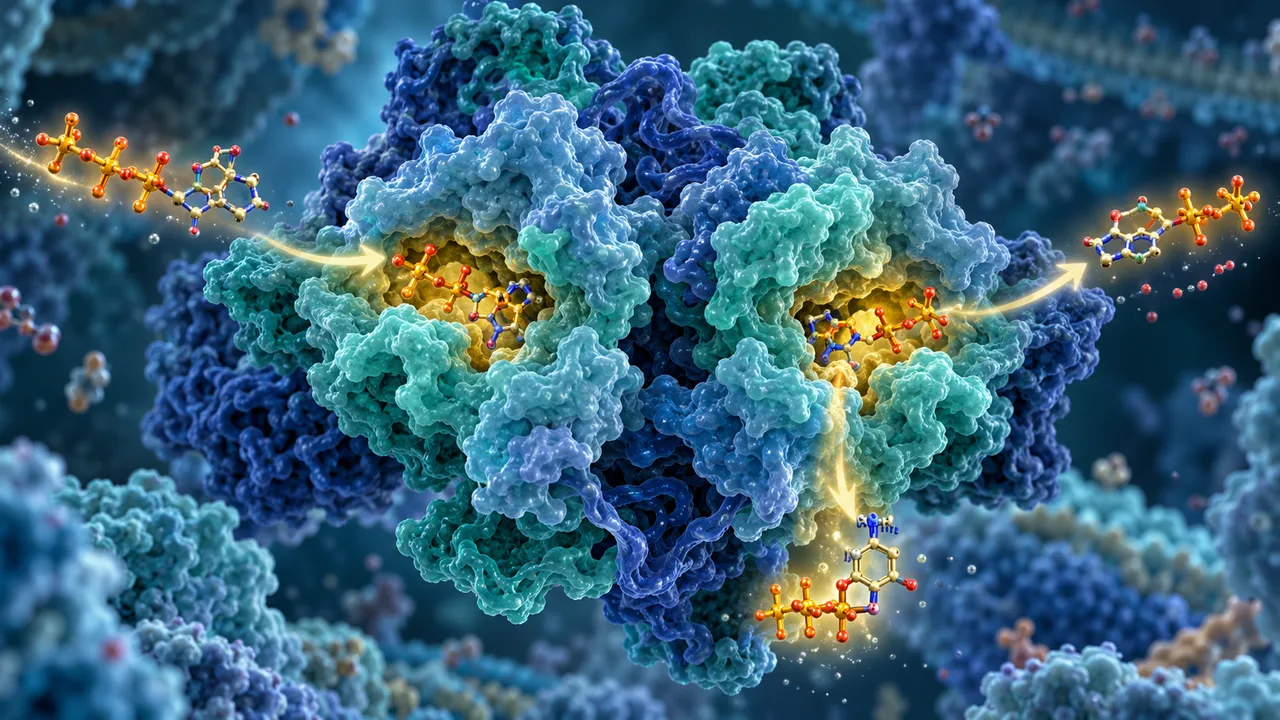
Reaction-based cryo-EM resolves the continuous conformational spectrum of CTP synthase catalysis.

Capturing enzymes under native turnover conditions remains a grand challenge in structural biology. Here, we develop a reaction-based cryo-electron microscopy (cryo-EM) strategy that directly samples Drosophila melanogaster cytidine triphosphate synthase (CTPS) from actively catalyzing mixtures containing only natural substrates and allosteric effectors. By integrating reaction-based sampling with three-dimensional variability analysis, we resolve a continuous conformational spectrum of CTPS dur

Continue reading
Physical/Tech

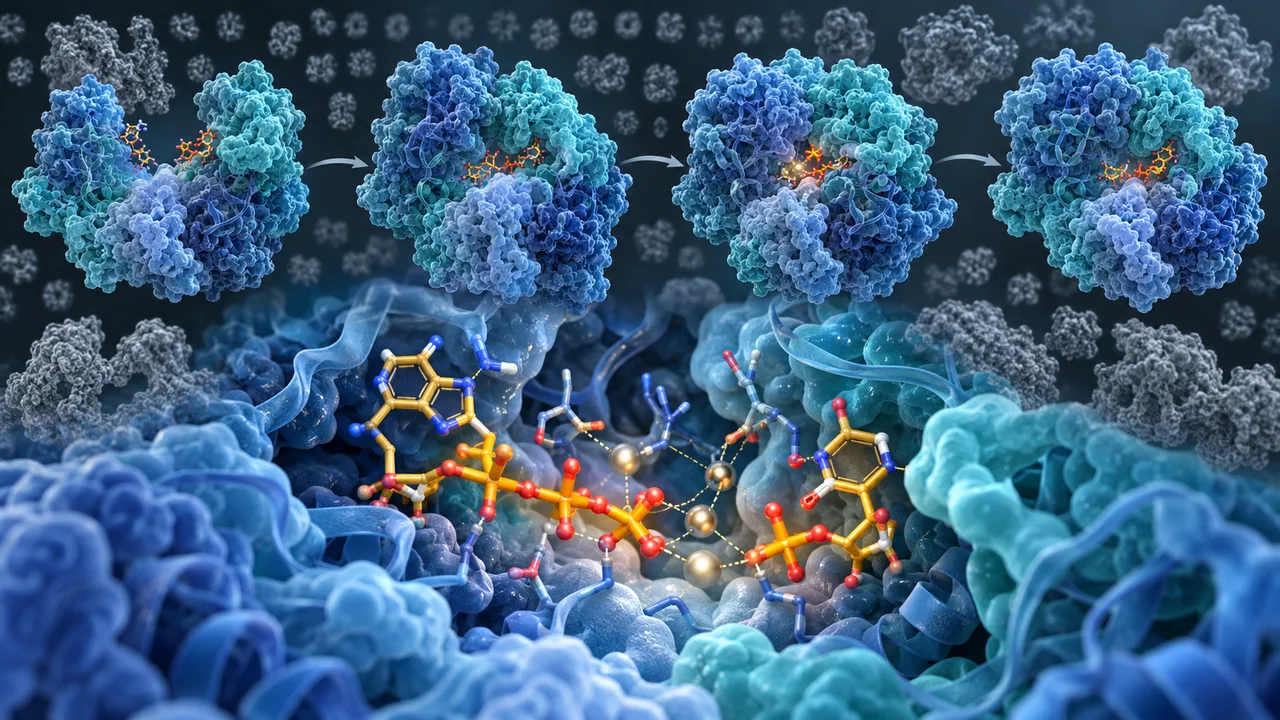
GTP orchestrates CTP synthase via an allosteric effector-cycling mechanism.

Cytidine triphosphate (CTP), a fundamental building block of RNA, plays vital roles in diverse biological processes. CTP synthase (CTPS) is the only known enzyme for de novo synthesis of CTP. Efficient CTPS catalysis requires guanosine triphosphate (GTP) in a dose-dependent, nonconsumptive manner; however, the precise mechanism by which GTP drives CTP formation remains unclear. Here, we integrate a series of cryo-EM structures of Drosophila melanogaster CTPS captured from actively catalyzing sam

Continue reading
Physical/Tech

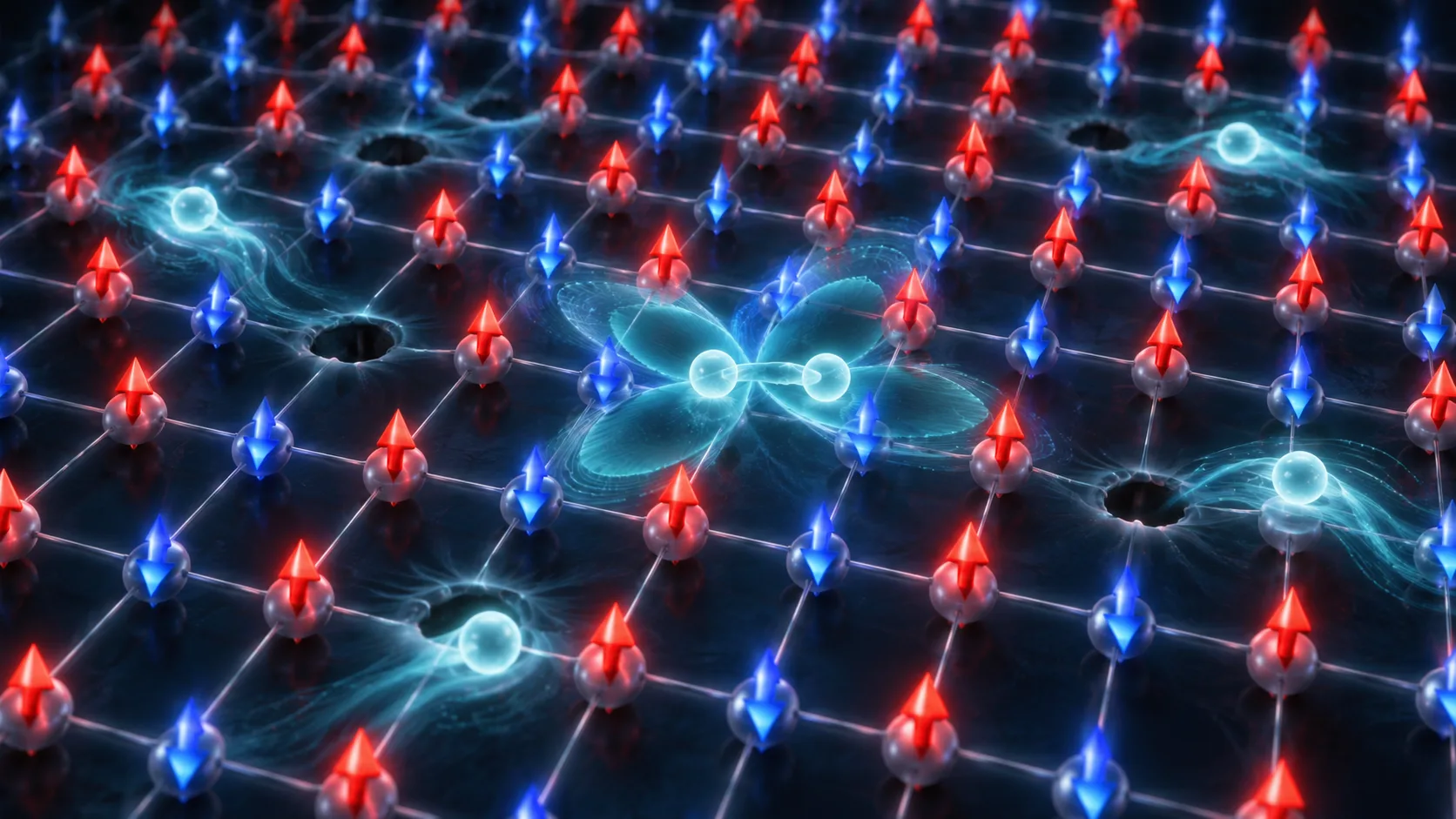
Antiferromagnetism and tightly bound Cooper pairs induced by kinetic frustration.

Antiferromagnetism and superconductivity are often viewed as competing orders in correlated electron systems. Here, we demonstrate that kinetic frustration in hole motion facilitates their coexistence within the square-lattice repulsive Hubbard model. Combining exact analytical solutions on tailored geometries with large-scale numerical simulations, we reveal a robust pairing mechanism: Holes on opposite sublattices behave as if they carry opposite effective charges due to spin singlet formation

Continue reading
Physical/Tech

Coordinated transformations of the labyrinth and occiput during the dinosaur-bird transition.

Evolutionary shape changes of the vertebrate semicircular canals (SCCs) are often ascribed to evolutionary transitions in locomotion, including the origin of flight during the dinosaur-bird transition. However, the potential for transformations of braincase architecture to influence SCC shape independent of sensory-functional adaptation has generally been overlooked. We evaluate the influence of both factors using a large dataset of 146 living and recently extinct crown birds, including taxa rep

Continue reading