Environment

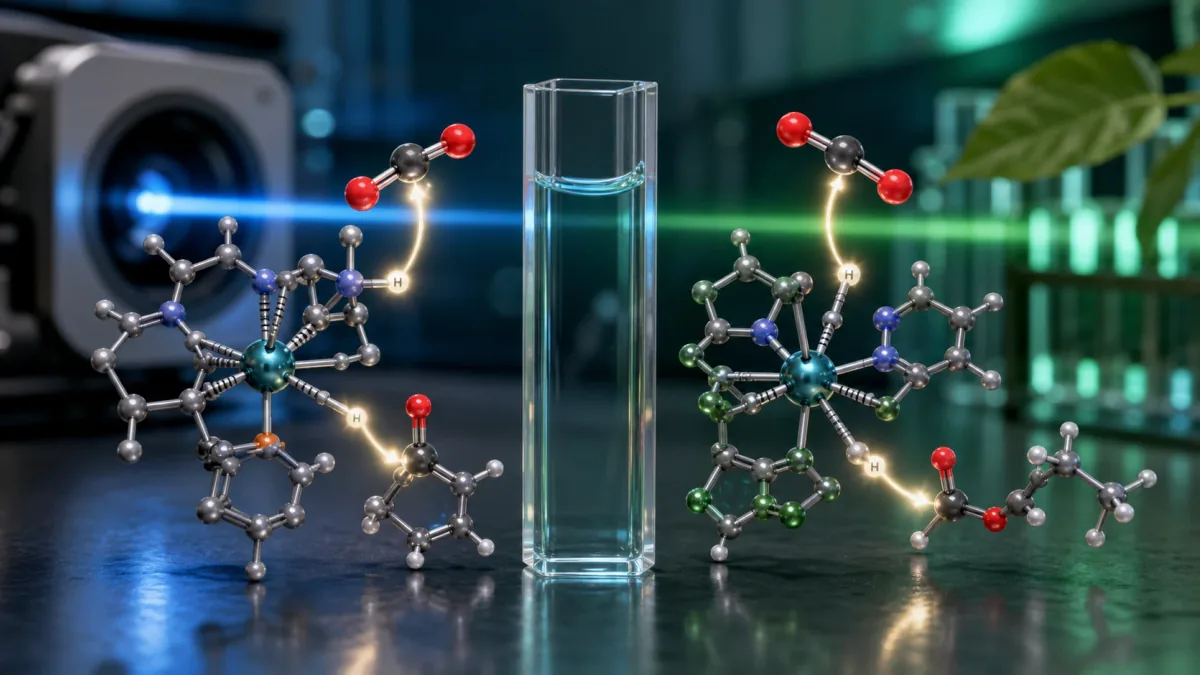
Chemically Separable Ruthenium Hydride Isomers with Distinct Hydride Transfer Properties.
| Source: Journal of the American Chemical Society

Transition metal hydrides are key intermediates in biological and industrial catalysis, where control over hydride donor ability (hydricity) is essential for optimizing reactivity. Herein, we report a series of isomeric ruthenium hydrides in which the ligand trans to the ruthenium hydride bond-either an N-heterocyclic carbene or pyridine-modulates the thermodynamic hydricity by up to 8 kcal mol -1 . These hydrides exhibited distinct reactivity toward CO 2 and various organic hydride acceptors, e

Transition metal hydrides are key intermediates in biological and industrial catalysis, where control over hydride donor ability (hydricity) is essential for optimizing reactivity. Herein, we report a series of isomeric ruthenium hydrides in which the ligand trans to the ruthenium hydride bond-either an N-heterocyclic carbene or pyridine-modulates the thermodynamic hydricity by up to 8 kcal mol -1 . These hydrides exhibited distinct reactivity toward CO 2 and various organic hydride acceptors, enabling detailed kinetic and mechanistic analysis. Stopped-flow experiments, isotopic labeling, and computational studies supported an outer-sphere hydride transfer mechanism. Linear free energy relationships (LFERs) and Marcus relationships were utilized to correlate the changes in thermodynamics and kinetics, revealing that ligands with strong trans effects and trans influence can disrupt conventional scaling relationships, which can be a powerful strategy for promoting new reactivity paradigms in hydride transfer reactions.
Read the original source →

Related Stories

Environment

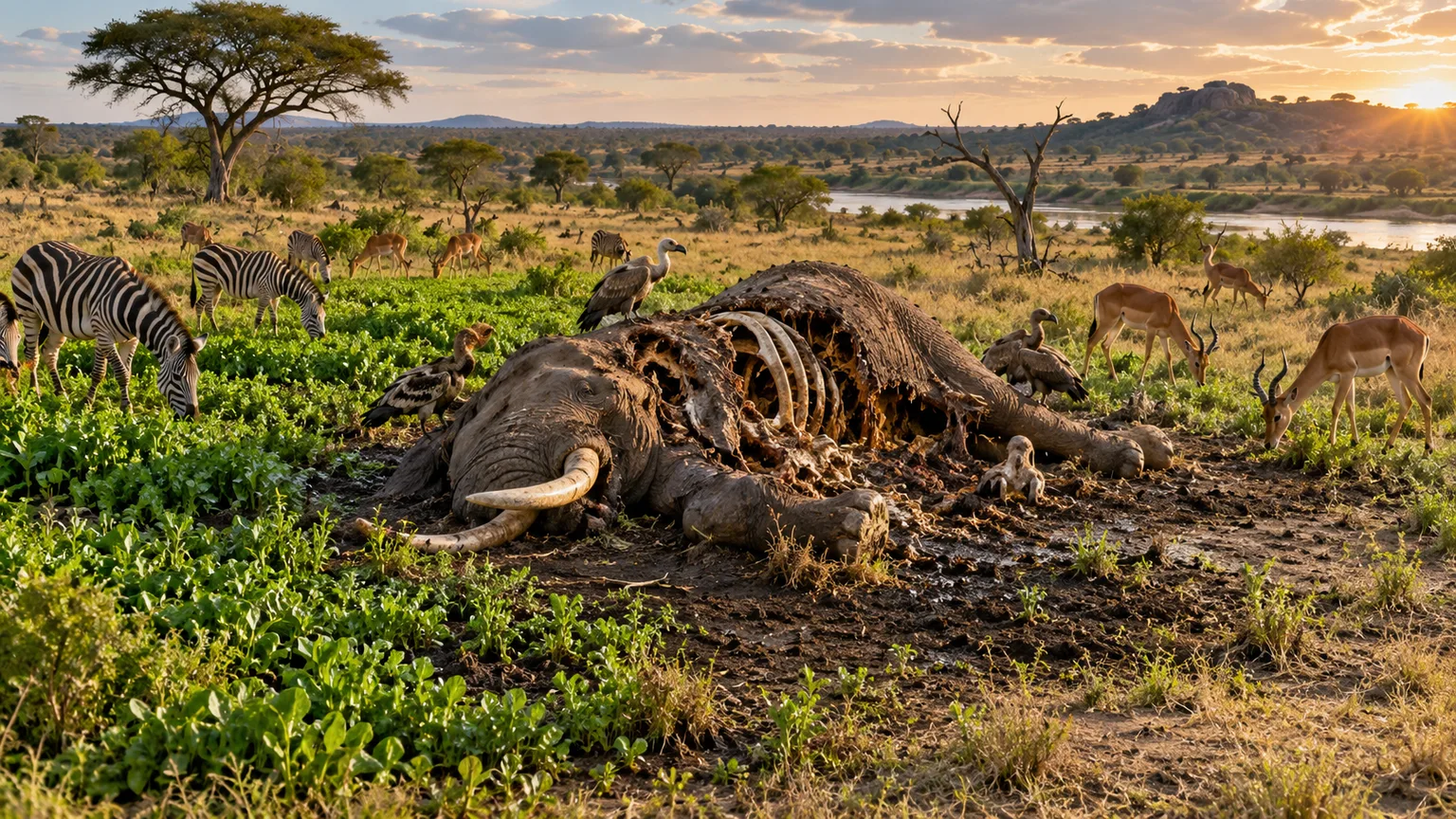
Nutrient legacies from elephant megacarcasses create coldspots of biodiversity and hotspots of ecosystem processes.

Terrestrial megafauna (animals >1,000 kg) have substantial impacts on ecosystems while alive; yet, we know little about the impacts of these ecosystem engineers after they die. Like whale carcasses in the ocean, terrestrial megacarcasses may leave ecological legacies via the nutrient pulses they create on the landscape. Here, we investigated the impact of elephant megacarcasses on savanna ecosystems in Kruger National Park, South Africa. To determine how elephant carcasses affect below- and a

Continue reading
Environment

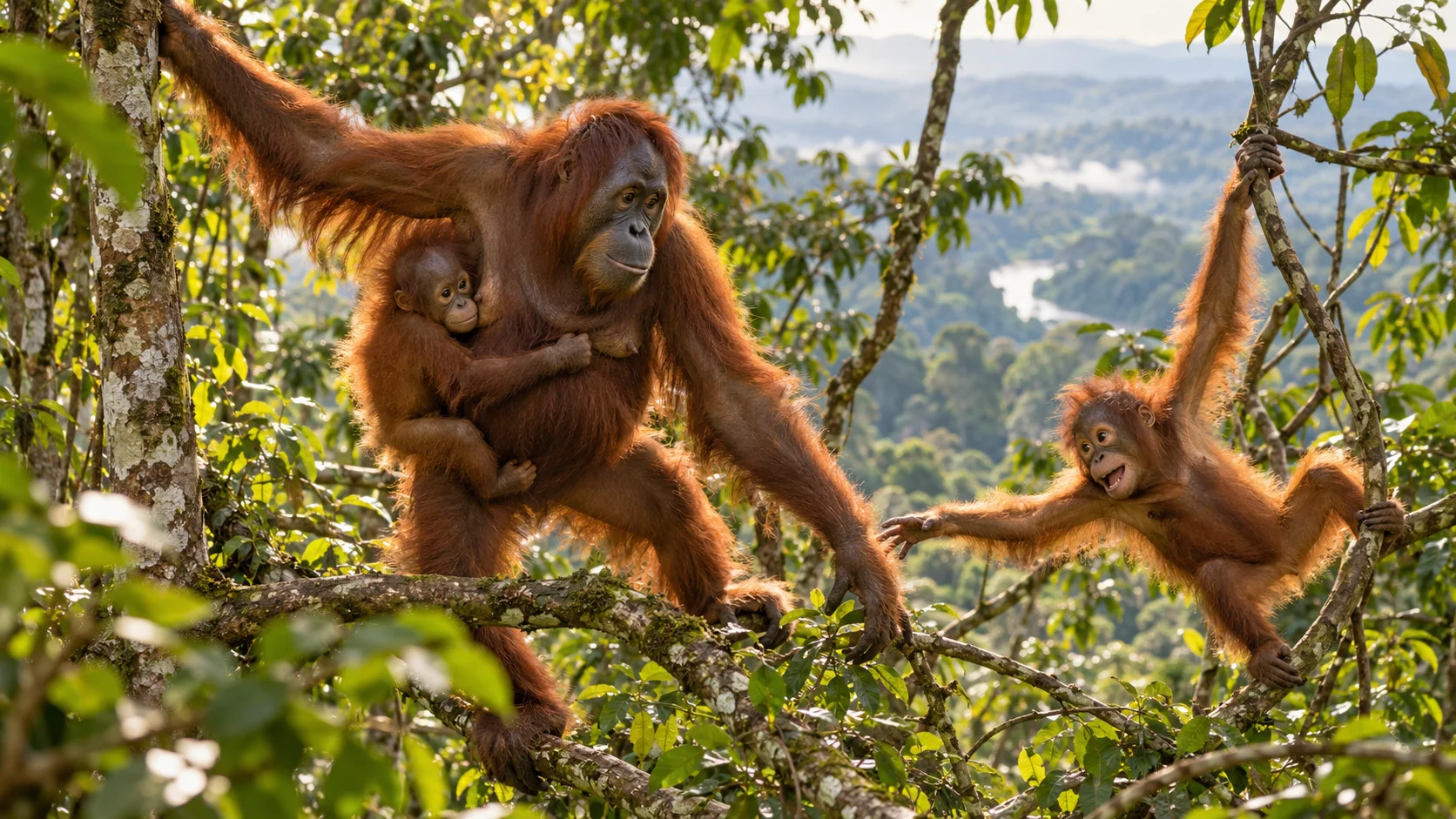
Maternal ranging strategies facilitate offspring social play at energetic cost in the most solitary ape.

In most vertebrates, social play among peers is considered essential for behavioral development. Yet in solitary species bearing single offspring, opportunities for social play are inherently scarce. Whether mothers of such species actively facilitate play opportunities for their offspring, and at what cost, remains unknown. We used 15 y of behavioral and movement data (∼32,600 observation hours) from 31 wild Bornean orangutan ( Pongo pygmaeus wurmbii ) mother-offspring pairs to test whet

Continue reading
Environment

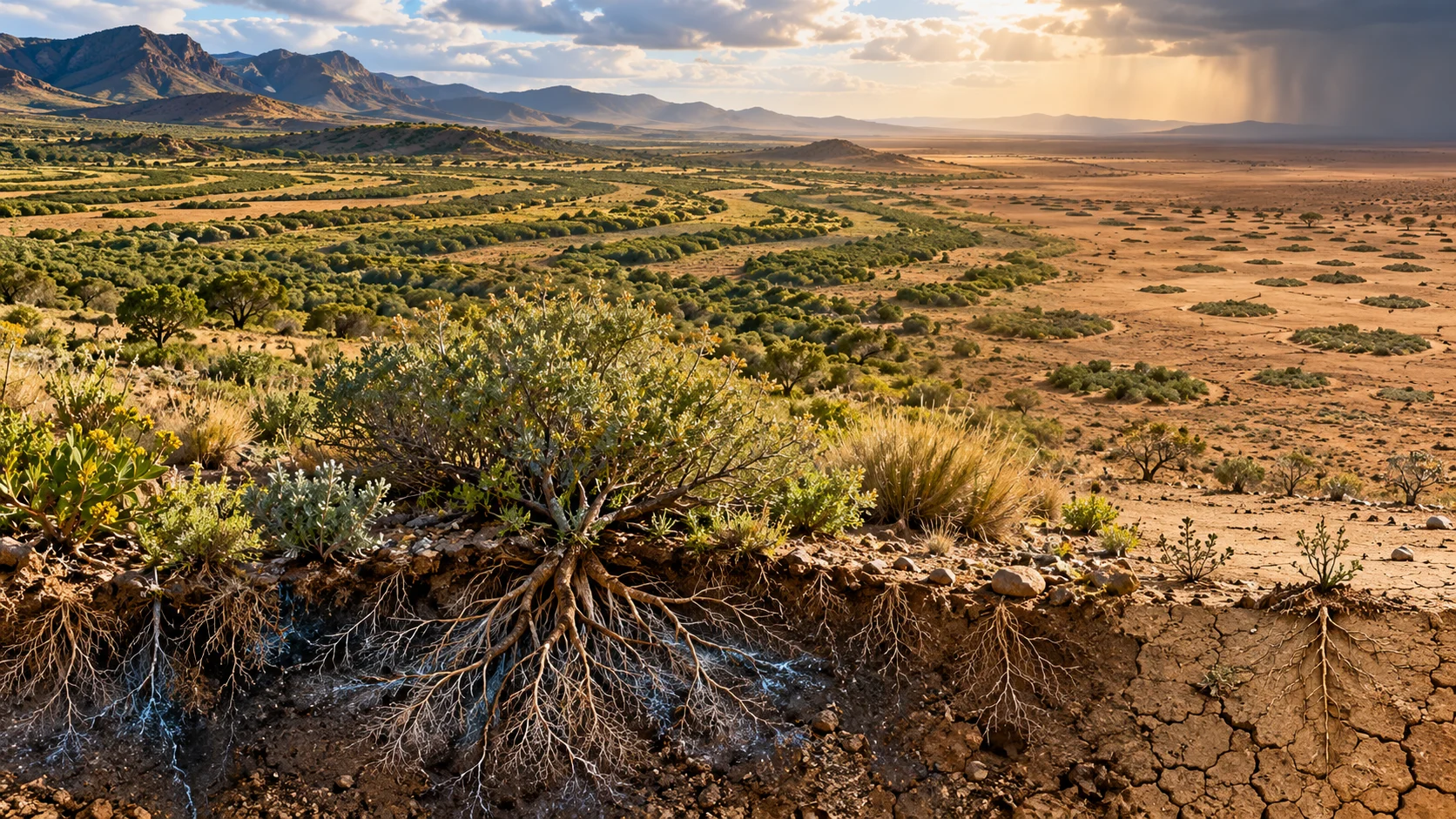
Evolution shapes ecosystem resilience through spatial self-organization.

Drylands are globally widespread and ecologically important but vulnerable to climate change. Many exhibit spatially self-organized vegetation patterns that enhance resilience by enabling vegetation to reorganize their patterns under drying, thereby optimizing water use and maintaining productivity. Plants can also undergo evolution in response to environmental change. Although both spatial self-organization and rapid evolution are fundamental mechanisms of resilience, their interaction remains

Continue reading
Environment

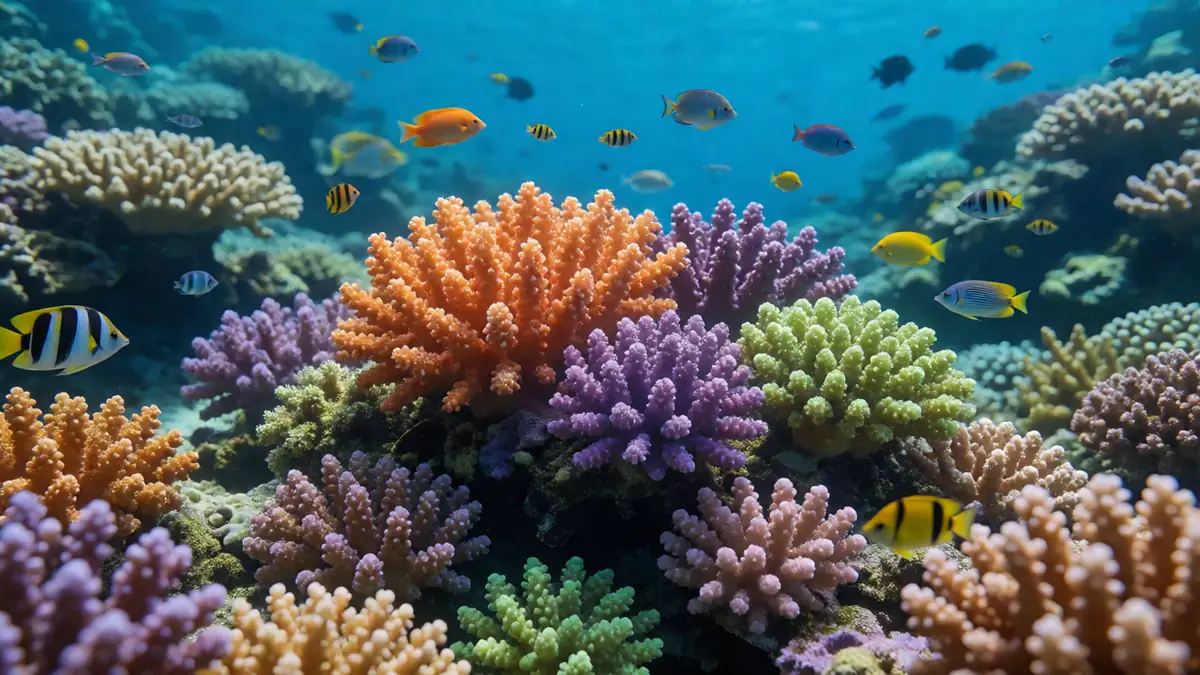
Nearly half of reef-building corals face elevated relative risk of extinction.

Coral reefs are diverse marine ecosystems that provide ecological functions and economic and social benefits across over 100 tropical countries. Warming driven by climate change is a primary threat to coral reefs and is increasing the frequency of global coral bleaching events. Here we reassessed the IUCN Red List status of 892 reef-building coral species, first assessed in 2008 1 . Because species-level population trends are unavailable for most reef-building corals, population reductions were

Continue reading
Environment

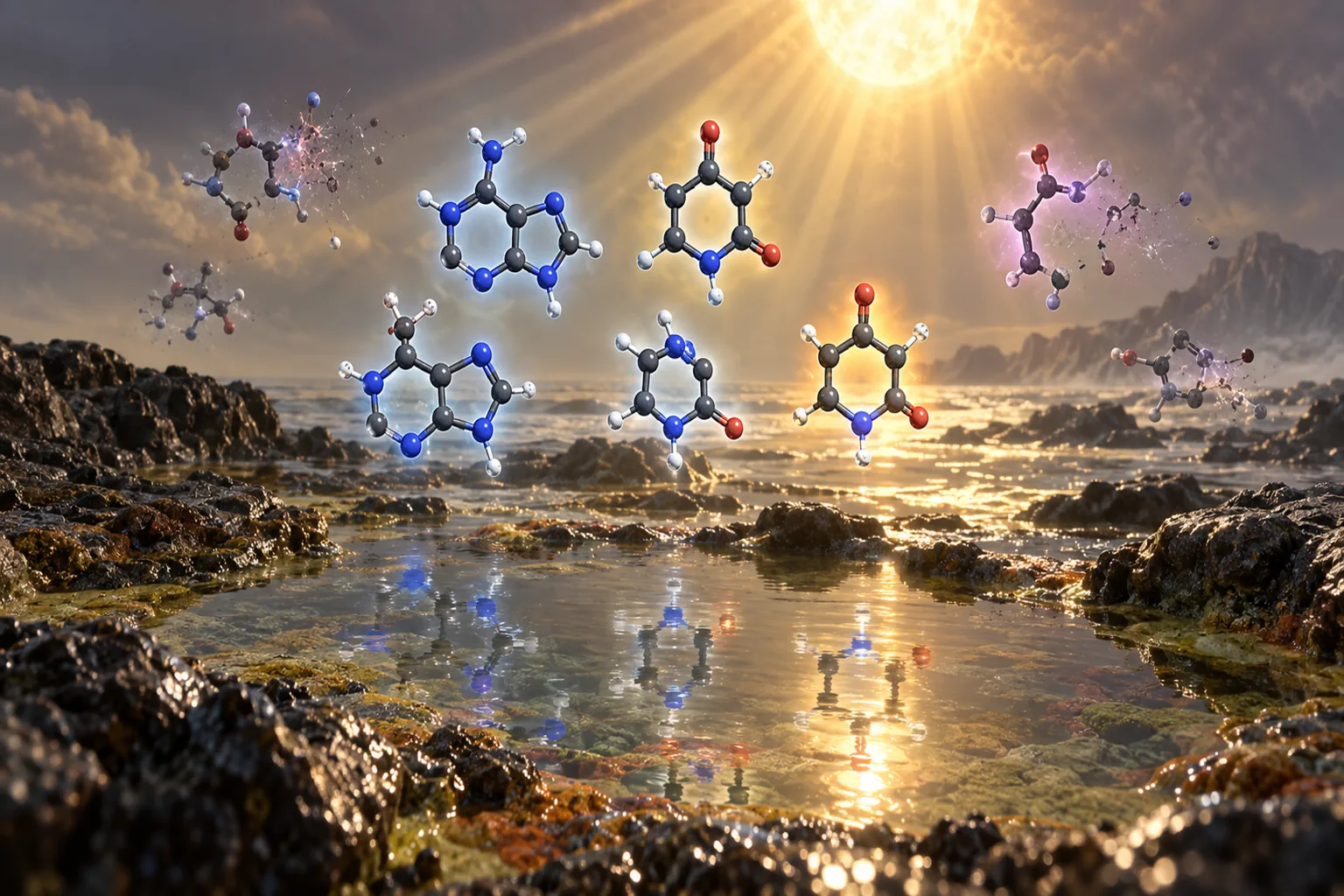
Continuous UV irradiation played an inconclusive role in selecting the canonical genetic alphabet.

An abundance of heterocyclic molecules analogous to canonical nucleobases (i.e., adenine, thymine, guanine, cytosine, and uracil) used as the genetic alphabet in DNA and RNA could have been present in various prebiotic environments on early Earth. However, extant biology generally uses the canonical nucleobases and nucleosides as the genetic alphabet, and not any number of possible noncanonical counterparts. Ultraviolet (UV) irradiation was likely abundant on the surface of the early Earth and h

Continue reading