Physical/Tech

A noncontiguous code for RNA-guided DNA recognition at the origin of CRISPR-Cas
| Source: Science

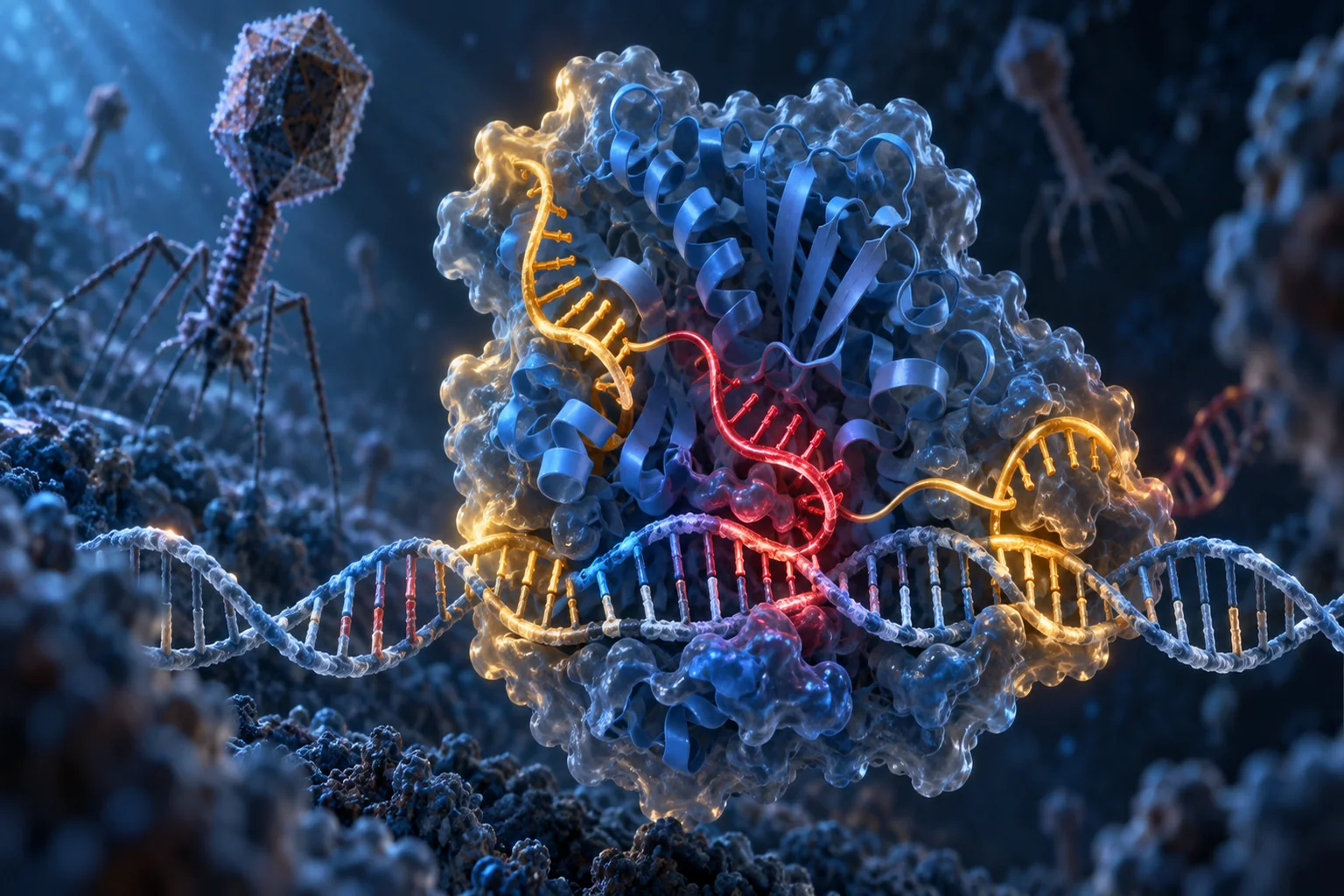
CRISPR-Cas provides RNA-mediated adaptive immunity, but how its first RNA-guided effector arose is unclear. In this study, we report the discovery of Viral Interference Programmable Repeat (VIPR) systems consisting of a Vipr protein ancestral to the earliest CRISPR-Cas effectors and VIPR RNAs (vrRNAs) comprising alternating GGY/NN motifs. Unlike canonical guide RNAs that pair with target nucleic acids through contiguous complementarity, vrRNAs recognize double-stranded DNA through a noncontiguou

CRISPR-Cas provides RNA-mediated adaptive immunity, but how its first RNA-guided effector arose is unclear. In this study, we report the discovery of Viral Interference Programmable Repeat (VIPR) systems consisting of a Vipr protein ancestral to the earliest CRISPR-Cas effectors and VIPR RNAs (vrRNAs) comprising alternating GGY/NN motifs. Unlike canonical guide RNAs that pair with target nucleic acids through contiguous complementarity, vrRNAs recognize double-stranded DNA through a noncontiguous code in which the variable NN dinucleotides collectively specify a gapped target sequence. Natural vrRNA targets suggest that VIPR systems act against competing phages, and we demonstrate programmable phage defense by redirecting the complex for transcriptional repression. These results suggest that adaptive immunity originated from ancient warfare between viruses, revealing a previously unidentified logic for encoding information in sequence.

Read the original source →

Related Stories

Physical/Tech

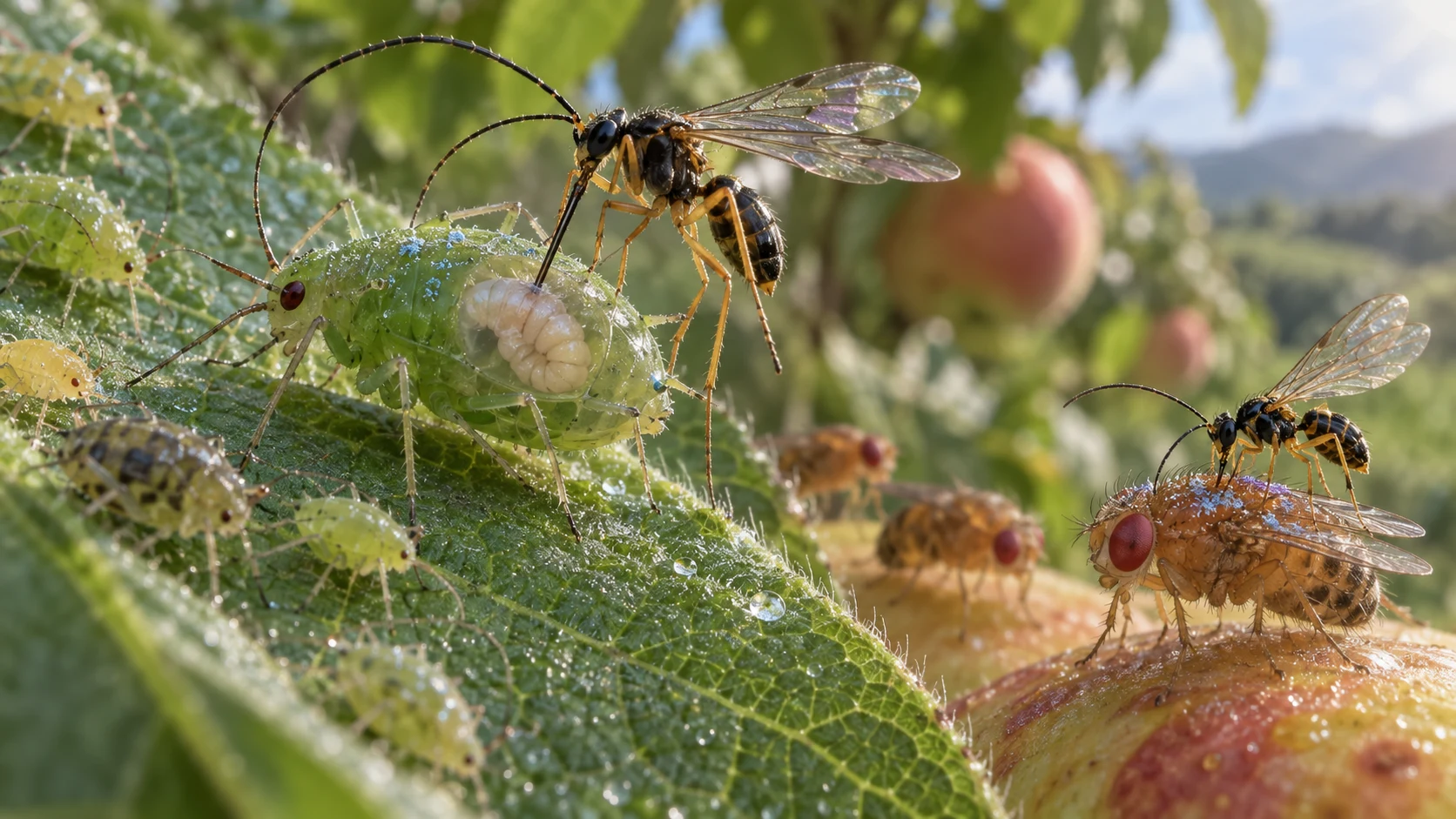
Host-mediated insecticide sequestration in target-site-resistant pests impacts parasitoid fitness and evolution.

Insecticide resistance poses a major challenge to global pest management, yet its cascading effects on ecological networks remain poorly understood. Here, we show that target-site-resistant herbivorous insects can accumulate unmetabolized insecticides and inadvertently function as "toxic prey," impairing the fitness of their natural enemies. Using neonicotinoid- and spinosyn-resistant Myzus persicae and genetically modified Drosophila melanogaster , we demonstrate that resistant hosts surviving

Continue reading
Physical/Tech

Multiband condensate of magnons in two dimensions.

Wavelike bosonic particles can accumulate in a single mode characterized by a particular wavelength, and such condensates are at the heart of phenomena such as superconductivity and superfluidity where usually a single complex number describes their state. If there are several flavors of excitations or particles, a vector containing several complex numbers can characterize multicomponent condensation, thus opening new possibilities for textures, dynamics, and devices. Thus far, multicomponent co

Continue reading
Physical/Tech

Indirect reciprocity with dual private assessment.

People often cooperate out of concern for their reputation. The corresponding theory of indirect reciprocity predicts that such cooperation can only evolve if people's opinions of each other are sufficiently correlated. This correlation, however, can be difficult to achieve when individuals form their opinions independently from one another, as in private assessment models. In that case, errors can generate disagreements that propagate throughout a population. Here, we identify a simple mechanis

Continue reading
Physical/Tech

A genetic program for rapid initiation of axillary meristems at the onset of flowering.

Shoot branching patterns and their diversity arise from variable activities of axillary meristems (AMs). A common feature of flowering plants is delayed AM initiation and growth during the vegetative phase, followed by a sudden and rapid acceleration of apical AM initiation during the reproductive phase. The mechanisms underlying this pronounced developmental shift are poorly understood. During tomato floral transition, the primary shoot meristem (PSM) terminates in a flower after producing two

Continue reading
Physical/Tech

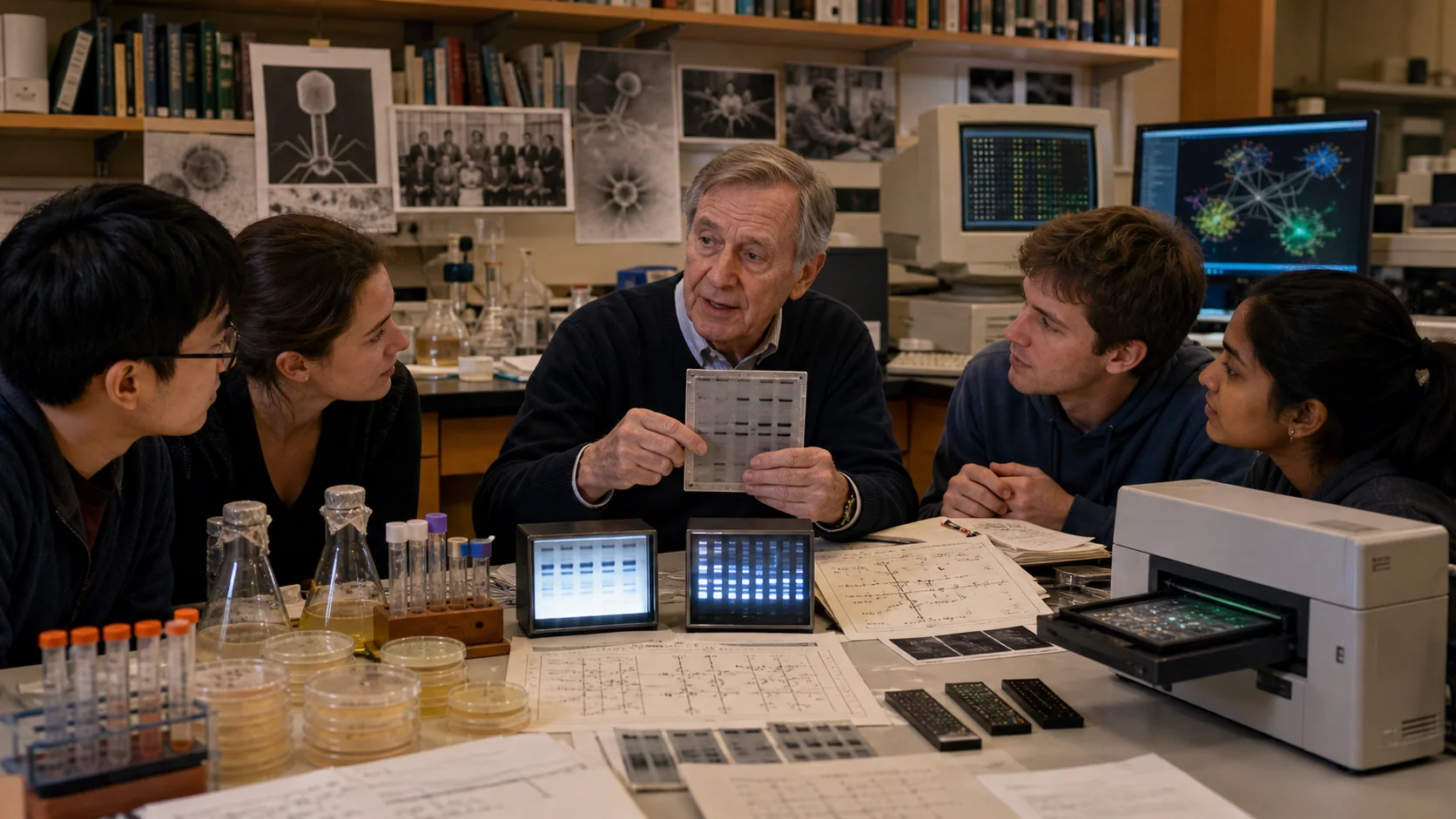
David Botstein: A pioneering geneticist and educator 1942-2026.

David Botstein, who died on February 27, 2026, was a towering figure in the field of modern molecular genetics. His research career was largely focused on the development of methods to better understand biological systems, beginning with his early work on Salmonella phage P22 and yeast, where he exploited the use of conditional lethal mutations as suppressors to identify genes with common functions and to order them in a pathway. He is best remembered for developing restriction fragment length p

Continue reading